Chef Graziella
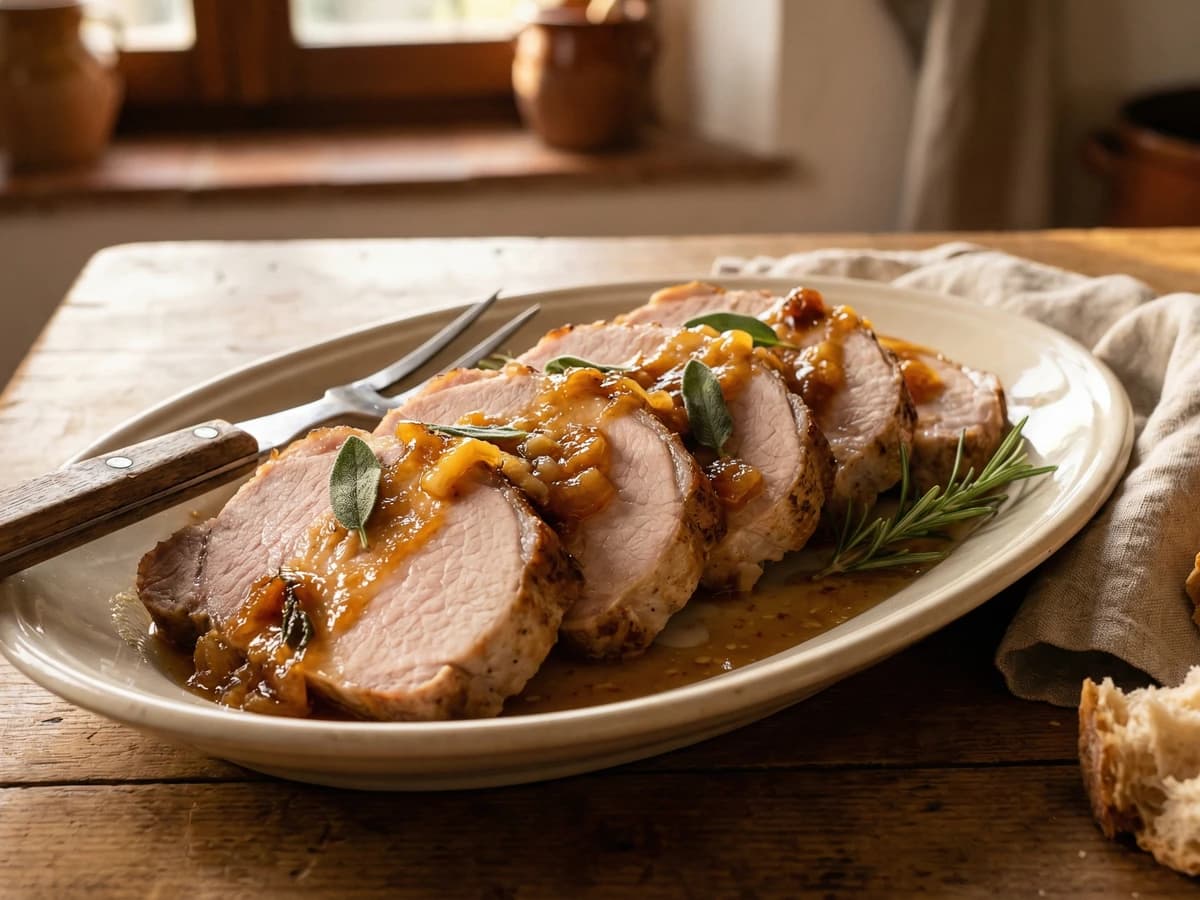
Arrosto di Maiale al Latte
Pork loin braised in milk until the liquid transforms into nutty, golden curds that cling to impossibly tender meat. The technique looks like failure and tastes like triumph.
A cooking platform built around craft, culture, and the stories behind what we eat.
Created by
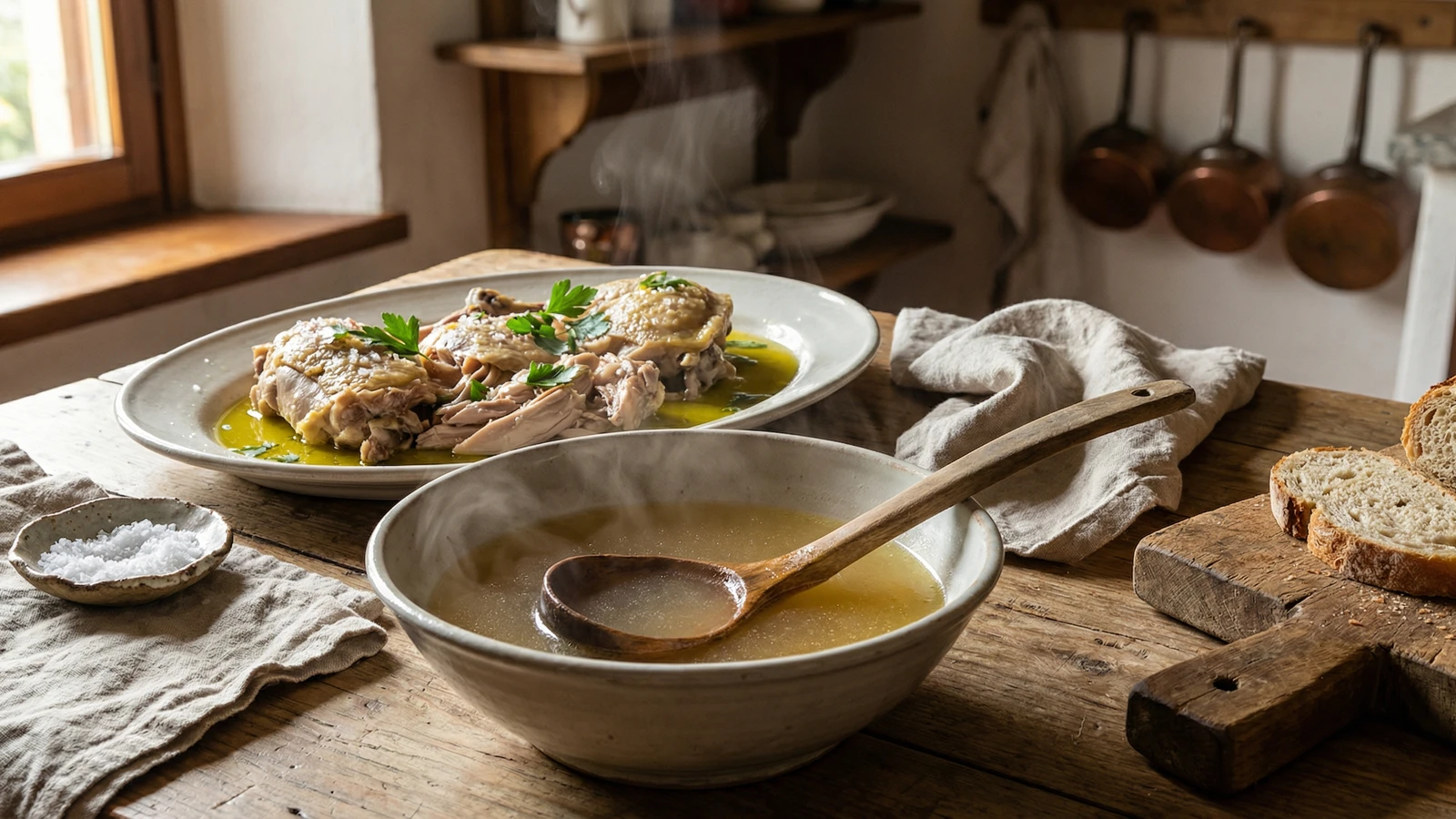
The patient art of Emilian grandmothers: a mature laying hen surrendered to the pot, emerging as both golden broth for tortellini and tender meat for the table. Nothing is wasted.
In Emilia-Romagna, we do not waste an old hen. The young chicken you buy at the supermarket has tender flesh but gives weak broth. The gallina, a hen that has lived two or three years and stopped laying, has developed something the young bird lacks: flavor. Her meat is firm, her bones are dense with marrow, and when she meets the pot, she gives you something profound.
This is not fast food. You cannot rush a gallina. She requires four hours, sometimes five, at the gentlest simmer. The water should barely tremble. Violent boiling makes the broth cloudy and the meat stringy. Patience is the only technique that matters here.
The broth becomes the foundation for tortellini in brodo on Christmas Day, or for passatelli, or simply for warming the soul on a cold Emilian evening. The meat, pulled from the bones while still warm, feeds the family at the midday meal. Perhaps dressed with nothing more than coarse salt and a few drops of your best olive oil. Perhaps with salsa verde. This is cooking that wastes nothing and delivers everything.
Gallina in brodo predates written recipes in Emilia-Romagna, born from the practical wisdom of farmwives who understood that an old laying hen, no longer producing eggs, still held value. By the Renaissance, the broth of the gallina had become essential to the elaborate pasta in brodo served at noble tables in Bologna and Modena. The tradition persists: on Christmas Day, tortellini swim in this broth, as they have for centuries.
Quantity
1 whole (5-6 pounds)
Quantity
2 medium
peeled and halved
Quantity
3
peeled and cut into large chunks
Quantity
3
cut into large chunks
Quantity
1 small
halved
Quantity
1 bunch
Quantity
8-10
Quantity
2
Quantity
to taste
Quantity
5-6 quarts
Quantity
for serving
Quantity
for serving
| Ingredient | Quantity |
|---|---|
| stewing hen or mature laying hen | 1 whole (5-6 pounds) |
| yellow onionspeeled and halved | 2 medium |
| carrotspeeled and cut into large chunks | 3 |
| celery stalks with leavescut into large chunks | 3 |
| ripe tomatohalved | 1 small |
| flat-leaf parsley stems | 1 bunch |
| whole black peppercorns | 8-10 |
| bay leaves | 2 |
| kosher salt | to taste |
| cold water | 5-6 quarts |
| coarse sea salt | for serving |
| extra virgin olive oil | for serving |
Remove any giblets from the cavity. Rinse the hen under cold running water and pat dry. Trim any excess fat from the cavity and neck, but do not discard it. That fat renders into the broth and can be skimmed later for other uses. Tuck the wing tips behind the back.
Place the hen breast-side up in your largest pot. She should fit comfortably with room for water to circulate. Add cold water to cover by at least two inches. This is essential: you must start with cold water. Hot water seals the surface of the meat and prevents the slow extraction of flavor that creates proper broth.
Set the pot over medium heat. Bring the water slowly to a simmer. This should take 30 to 40 minutes. Do not rush it. As the water heats, grayish foam will rise to the surface. Skim it away with a ladle and discard. Continue skimming until no more foam appears. This clarifies the broth.
Once the foam stops appearing, add the onions, carrots, celery, tomato halves, parsley stems, peppercorns, and bay leaves. Add a generous pinch of salt, about one tablespoon. You will adjust the seasoning later.
Reduce the heat to the lowest possible setting. The surface should barely tremble. A few lazy bubbles may rise occasionally, but nothing more. This is critical. Vigorous boiling makes the broth cloudy, emulsifies the fat, and toughens the meat. Partially cover the pot. Let the hen simmer for 3 to 4 hours.
The hen is ready when the leg moves freely in its socket and the meat pulls easily from the thigh bone. A stewing hen takes longer than a young chicken. Four hours is typical. A very old bird may need five. The meat should be tender but not falling apart. The broth should be deeply golden and fragrant.
Turn off the heat. Let the hen rest in the broth for 30 minutes. This allows the meat to reabsorb some liquid and makes it easier to handle. Carefully lift the hen onto a cutting board, supporting the body so it does not fall apart. Let the broth settle, then skim the fat from the surface. Reserve this fat. It is liquid gold for sautéing vegetables.
Strain the broth through a fine-mesh sieve lined with cheesecloth into a clean pot or large bowl. Discard the vegetables and aromatics. They have given everything. Taste the broth and add salt as needed. It should taste rich and savory, with a depth that commercial broth cannot match.
While the hen is still warm, pull the meat from the bones in large pieces. Discard the skin if you wish, though some prefer it. Arrange the meat on a warm platter. Drizzle with your best olive oil and scatter with coarse sea salt. This is how the Emiliani serve it: simply, without fuss, letting the flavor of the hen speak for itself.
1 serving (about 300g)
Culinary guides, cultural storytelling, and the editorial depth that makes cooking meaningful.
Discover Culinary ExplorerChef Graziella
Pork loin braised in milk until the liquid transforms into nutty, golden curds that cling to impossibly tender meat. The technique looks like failure and tastes like triumph.

Chef Graziella
Thick pork chops rubbed with salamoia bolognese and grilled over live fire. This is how we eat in summer in Emilia-Romagna: simply, outdoors, with family.
Chef Graziella
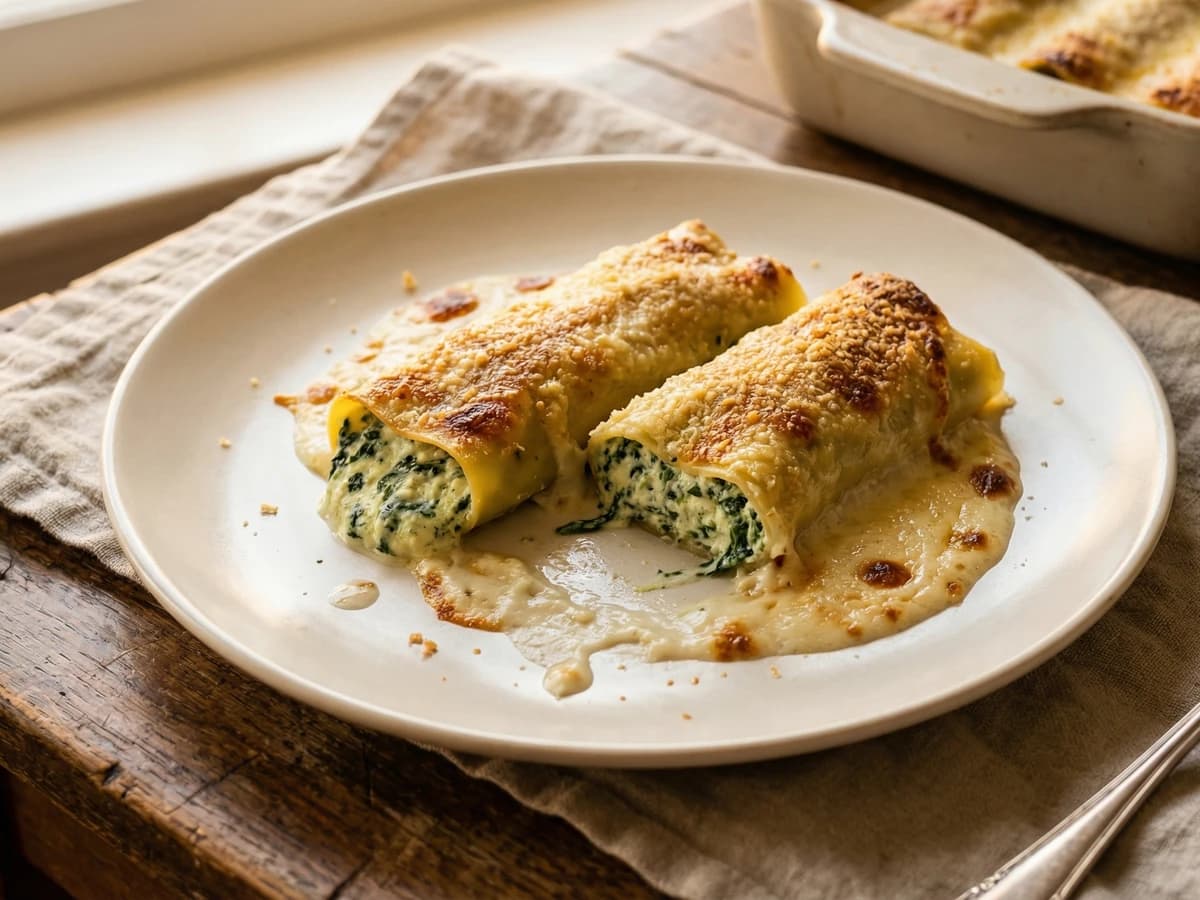
Hand-rolled pasta sheets wrapped around a filling of ricotta and spinach, covered in besciamella and baked until golden. This is the Sunday cooking of Emilia-Romagna, made without shortcuts.
Chef Graziella
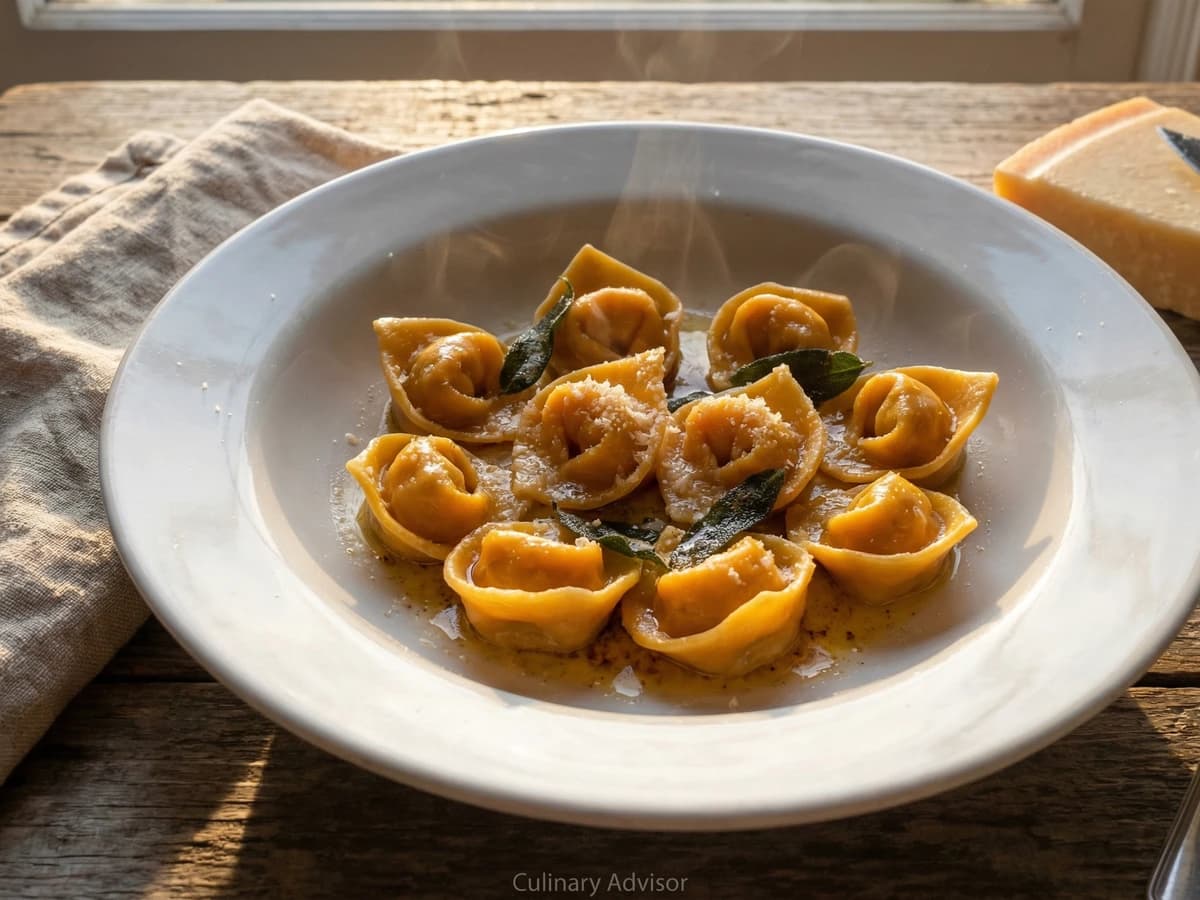
The pasta of the Este dukes, where sweet roasted pumpkin meets fresh egg pasta in shapes like little peasant hats. Dressed only with butter and sage, as Ferrara has done since the Renaissance.