Chef Graziella
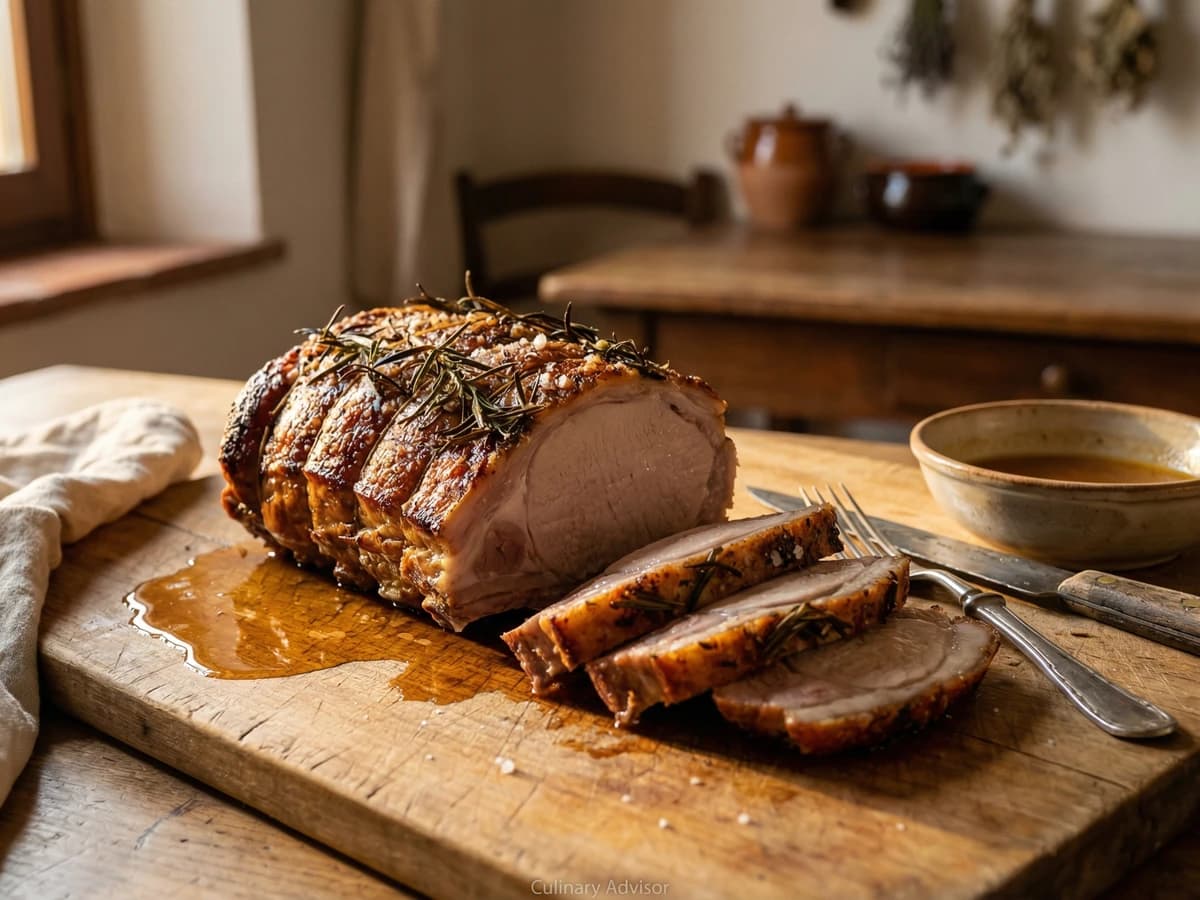
Arista alla Fiorentina
The roast pork of Florence: bone-in loin studded with rosemary and garlic, nothing more. This is the dish that earned its name from a Byzantine bishop who declared it aristos, the best.
A cooking platform built around craft, culture, and the stories behind what we eat.

Created by
The noble guinea fowl of Tuscan farmhouses, wrapped in pancetta, perfumed with sage, roasted until the skin shatters and the meat stays moist. This is what Italians bring to the table when ordinary poultry will not serve.
Guinea fowl is not chicken. Americans confuse the two because they have never tasted faraona properly roasted. The meat is darker, leaner, more intense. It tastes of something. Chicken, especially the industrial kind, tastes of nothing at all.
Tuscan farmwives have roasted faraona for centuries. The bird forages in the barnyard, eating insects and seeds, developing flavor that factory birds cannot possess. Wrapping it in pancetta solves the one problem of lean meat: it bastes the breast as it roasts, the fat rendering slowly, the salt seasoning from without while the sage perfumes from within.
This is not complicated cooking. It is honest cooking. You put sage inside the cavity because that is what grows in Tuscan gardens. You wrap the breast in pancetta because the bird needs fat it does not carry. You roast it until the skin crackles and the juices run clear. There is no mystery here, only attention.
What you keep out matters. No elaborate stuffings. No cream sauces. No fruits or glazes or anything that distracts from the bird itself. The pancetta provides salt and richness. The sage provides perfume. The high heat provides crackling skin. That is enough. That has always been enough.
Guinea fowl arrived in Italy from Africa during Roman times, brought by traders crossing the Mediterranean. The Tuscans embraced faraona as a feast bird centuries before the turkey arrived from the Americas. In the hill towns around Florence and Siena, roasted guinea fowl remains the centerpiece of celebrations when families gather and ordinary chicken would be an insult to the occasion.
Quantity
1 (about 3 pounds)
giblets removed
Quantity
12, plus 2 sprigs
Quantity
4 ounces
sliced thin (about 8 slices)
Quantity
3 tablespoons
Quantity
4
peeled and lightly crushed
Quantity
1 sprig
Quantity
1/2 cup
Quantity
to taste
Quantity
to taste
freshly ground
| Ingredient | Quantity |
|---|---|
| guinea fowlgiblets removed | 1 (about 3 pounds) |
| fresh sage leaves | 12, plus 2 sprigs |
| pancettasliced thin (about 8 slices) | 4 ounces |
| extra virgin olive oil | 3 tablespoons |
| garlic clovespeeled and lightly crushed | 4 |
| fresh rosemary | 1 sprig |
| dry white wine | 1/2 cup |
| kosher salt | to taste |
| black pepperfreshly ground | to taste |
Remove the guinea fowl from the refrigerator one hour before roasting. A cold bird roasts unevenly. Pat the skin completely dry with paper towels, inside and out. Moisture is the enemy of crisp skin. Season the cavity generously with salt and pepper.
Place 8 sage leaves, the 2 sage sprigs, 2 of the crushed garlic cloves, and the rosemary sprig inside the cavity. These will perfume the meat from within as the bird roasts. Tuck the wing tips behind the back and tie the legs together loosely with kitchen twine. The bird should hold a compact shape.
Rub the entire exterior of the bird with 2 tablespoons of the olive oil. Season generously with salt and pepper, rubbing it into the skin. Lay the remaining 4 sage leaves across the breast. Drape the pancetta slices over the breast and thighs, overlapping them slightly. The pancetta should cover the breast completely. It will shrink as it renders.
Heat your oven to 425 degrees Fahrenheit. Place the remaining tablespoon of olive oil in a roasting pan or heavy oven-safe skillet. Scatter the remaining 2 crushed garlic cloves in the pan. Set the prepared guinea fowl breast-side up in the pan.
Roast for 30 minutes at 425 degrees. The pancetta will begin to render and the skin beneath will start to color. The kitchen will smell of sage and roasting meat. This is correct.
Lower the oven temperature to 375 degrees. Continue roasting for 35 to 45 minutes more, until an instant-read thermometer inserted into the thickest part of the thigh reads 165 degrees Fahrenheit. The pancetta should be golden and crisp at the edges. The juices that collect in the pan will be deeply colored.
Transfer the guinea fowl to a cutting board and tent loosely with aluminum foil. Let it rest for 15 minutes. This is not optional. The juices must redistribute. A bird carved immediately will bleed onto the board and the meat will be dry. Patience now is rewarded at the table.
While the bird rests, place the roasting pan over medium heat on the stovetop. Add the white wine and scrape up the browned bits from the bottom of the pan with a wooden spoon. Let the wine reduce by half, about 3 minutes. The sauce will be thin but intensely flavored. Taste and adjust salt. Strain if you wish, or leave the garlic. Either is correct.
Remove the twine. Carve the guinea fowl as you would a chicken: remove the legs at the joint, separate thigh from drumstick, slice the breast meat. Arrange on a warm platter with the crispy pancetta distributed among the pieces. Spoon the pan juices over all. Serve immediately. Once carved, do not make your guests wait.
1 serving (about 250g)
Culinary guides, cultural storytelling, and the editorial depth that makes cooking meaningful.
Discover Culinary ExplorerChef Graziella
The roast pork of Florence: bone-in loin studded with rosemary and garlic, nothing more. This is the dish that earned its name from a Byzantine bishop who declared it aristos, the best.

Chef Graziella
The T-bone of Florence, thick as three fingers and charred over blazing coals, rested until the juices settle, finished with nothing but salt and the best olive oil Tuscany can offer.

Chef Graziella
The ancient grain of the Garfagnana, simmered with whatever the garden offers and finished with the green-gold olive oil that Tuscany produces better than anywhere else. Peasant food that sustained Roman legions and Tuscan farmers alike.

Chef Graziella
Thin pork slices rolled around spinach and ricotta, wrapped in pancetta, braised in white wine with sage until tender. The Tuscan approach to pork: herbs, restraint, and technique that rewards patience.