Chef Isabel
Acedías Fritas de Cádiz
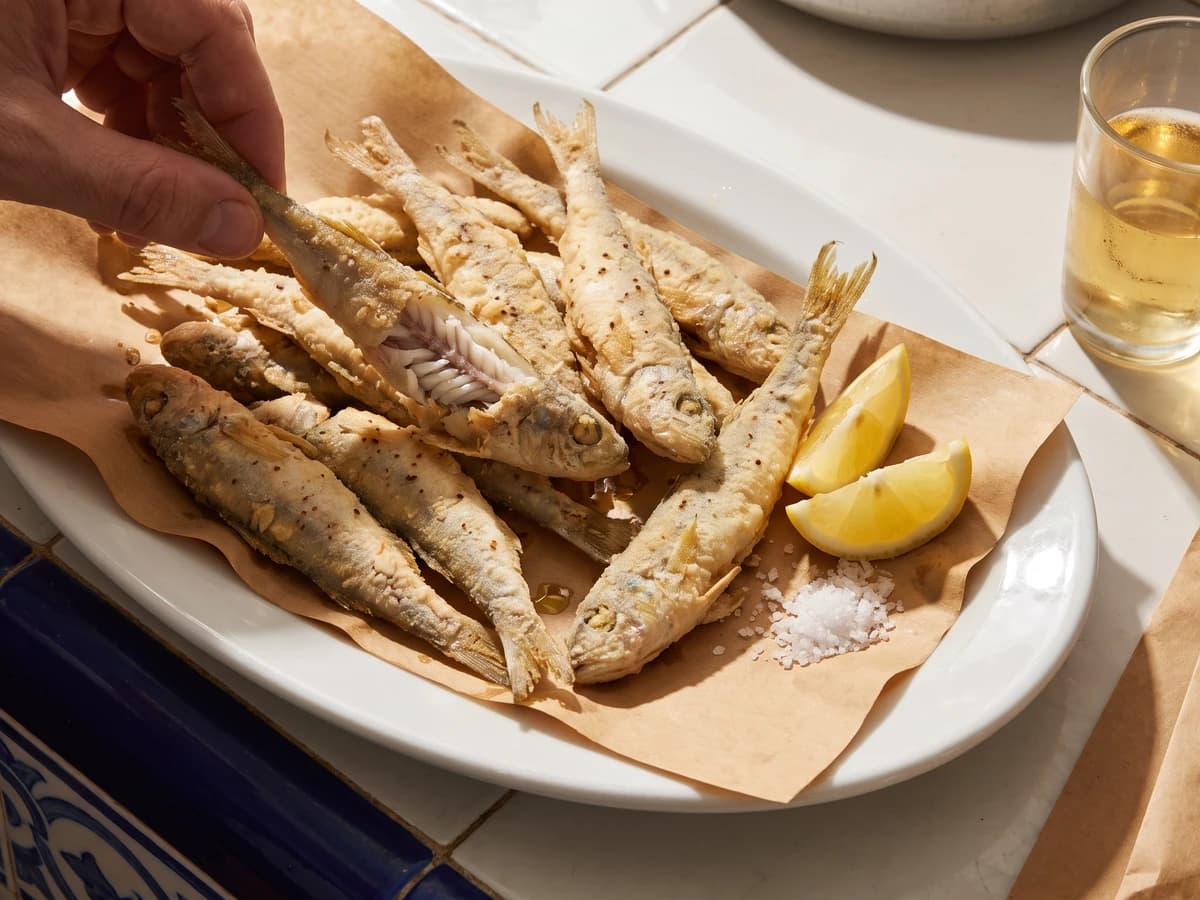
Acedías fritas belong to Cádiz: tiny wedge sole, salted, dusted in frying flour, and dropped into very hot olive oil so the rims crisp while the fish stays tender.
A cooking platform built around craft, culture, and the stories behind what we eat.

Created by
Piquillos Rellenos de Carne are Navarra's small red peppers filled with a slow minced-meat sofrito and settled in their own pepper sauce. The filling must be thick, or the peppers will weep.
Piquillos Rellenos de Carne are Navarrese before they are anything else: small roasted piquillo peppers, usually from Lodosa, filled with a minced-meat sofrito, the slow onion base, then warmed in a sauce made from the peppers themselves. The pepper is sweet, thin, and triangular, not a bell pepper pretending to be useful. That sweetness carries the dish.
The method that decides it is the filling. Cook the onion low until it goes soft and gold, then cook the beef and pork until the juices are gone, and bind it with just enough flour and milk to make it spoonable, not loose. A wet filling tears the peppers and thins the sauce. A thick one sits neatly inside and tastes of meat, onion, and roasted pepper together.
If you can't find fresh or jarred Pimientos del Piquillo de Lodosa, use good whole roasted red peppers in a jar, small ones if you can. They will be broader and softer, so stuff them lightly and close them with the seam underneath. No hace falta haber pisado España. You do need good peppers, patience with the sofrito, and a gentle hand.
My Margin beside this one says only: cool the filling. Hot filling makes brave cooks clumsy. Let it rest, spoon it in, and warm the stuffed peppers in the sauce until glossy. Siempre sale, si lo sigues.
Piquillo peppers belong especially to the Ribera Navarra, with Lodosa the best-known name, where the peppers are roasted over flame, peeled without washing, and preserved so their sweet, smoky flesh keeps its character. Stuffing them with meat or salt cod became part of the home and celebration table across Navarra and La Rioja, using the preserved pepper as both vessel and sauce. The dish shows the logic of that larder: a small seasonal pepper made generous with a filling, then brought back to itself in red pepper sauce.
Quantity
18
drained, kept whole
Quantity
3
for the sauce
Quantity
250g
Quantity
150g
Quantity
1 medium, 180g
finely chopped
Quantity
2 cloves
minced
Quantity
60g
finely chopped
Quantity
3 tablespoons
Quantity
1 tablespoon
Quantity
120ml
Quantity
2 tablespoons
Quantity
80ml
Quantity
250ml
Quantity
1 small, 120g
chopped
Quantity
1 clove
sliced
Quantity
1 teaspoon
Quantity
to taste
Quantity
to taste
| Ingredient | Quantity |
|---|---|
| whole roasted piquillo peppersdrained, kept whole | 18 |
| extra piquillo peppersfor the sauce | 3 |
| minced beef | 250g |
| minced pork | 150g |
| onionfinely chopped | 1 medium, 180g |
| garlicminced | 2 cloves |
| jamón serranofinely chopped | 60g |
| olive oil | 3 tablespoons |
| plain flour | 1 tablespoon |
| whole milk | 120ml |
| tomato passata or grated ripe tomato | 2 tablespoons |
| dry white wine | 80ml |
| chicken stock | 250ml |
| onion for the saucechopped | 1 small, 120g |
| garlic for the saucesliced | 1 clove |
| sweet pimentón | 1 teaspoon |
| salt | to taste |
| black pepper | to taste |
Lift the piquillos from the jar and lay them on kitchen paper, keeping 18 whole for stuffing and 3 for the sauce. Do not rinse them. The roasting juices are part of the flavor, and washing them away is a small crime with a clean conscience.
Warm 2 tablespoons olive oil in a wide frying pan over medium-low heat. Add the 180g chopped onion with a pinch of salt and cook for 12 to 15 minutes, stirring often, until soft, sweet, and pale gold. Add the minced garlic and cook 1 minute more. This slow onion is the floor of the filling; rush it and the meat tastes flat.
Add the minced beef and pork, breaking them up small with a wooden spoon. Cook until the meat has lost its raw color and the pan is nearly dry, 8 to 10 minutes. Add the chopped jamón and tomato, then cook 3 minutes more until the mixture is thick and smells rounded, not sharp.
Sprinkle over the flour and stir for 1 minute so it loses its raw taste. Pour in the milk little by little, stirring, until the meat holds together in a soft, thick paste. Season with pepper and only a little salt, because the jamón has already spoken. Spread the filling on a plate and let it cool until just warm.
In a shallow cazuela or wide pan, warm the remaining 1 tablespoon olive oil. Add the 120g chopped onion and cook 8 to 10 minutes until soft. Add the sliced garlic for 1 minute, then take the pan briefly off the heat and stir in the pimentón. Add the wine, return to the heat, and let it reduce by half. Add the 3 extra piquillos and the stock, then simmer 10 minutes.
Blend the sauce until smooth, then taste for salt. It should be red, silky, and plainly of pepper, not tomato. If it is too thick, loosen it with a spoon or two of water. If it tastes thin, simmer it a few minutes longer. Pésalo, no lo adivines gets you started, but tasting finishes the job.
Spoon 1 heaped tablespoon of cooled meat filling into each pepper, filling it gently without forcing the sides. Lay the stuffed peppers seam-side down in the sauce. Work with your hands if that is easier; nobody wins a medal for using a teaspoon badly.
Set the pan over low heat and let the stuffed piquillos warm in the sauce for 12 to 15 minutes, spooning a little sauce over the tops once or twice. Do not boil them hard, or the peppers split and the filling pushes out. Serve warm, glossy with sauce, with bread nearby because leaving that sauce behind would be foolish.
1 serving (about 230g)
Culinary guides, cultural storytelling, and the editorial depth that makes cooking meaningful.
Discover Culinary ExplorerChef Isabel
Acedías fritas belong to Cádiz: tiny wedge sole, salted, dusted in frying flour, and dropped into very hot olive oil so the rims crisp while the fish stays tender.
Chef Isabel
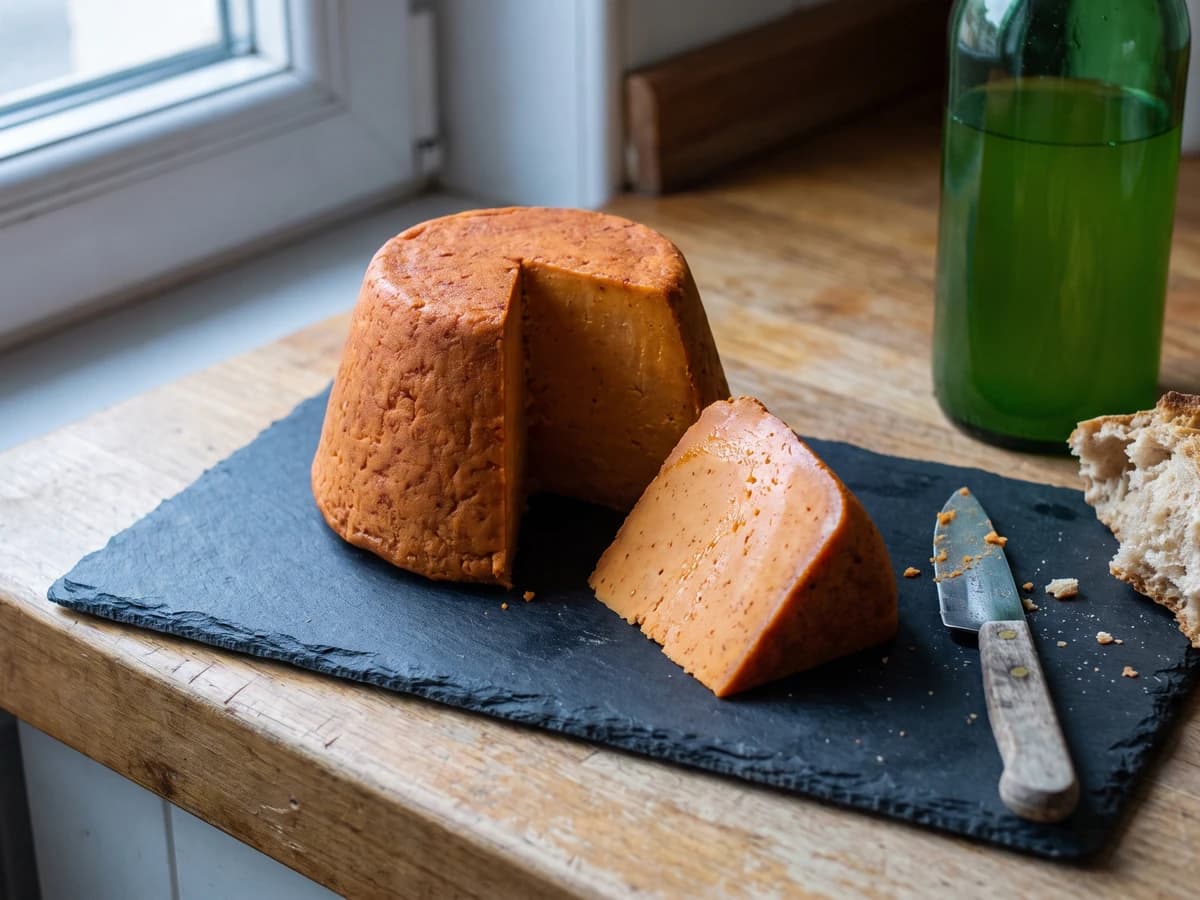
Afuega'l Pitu Roxu is Asturias in a small cheese: cow's milk set slowly to a dense curd, drained without squeezing, then kneaded with pimentón until it turns orange and grips the throat.
Chef Isabel
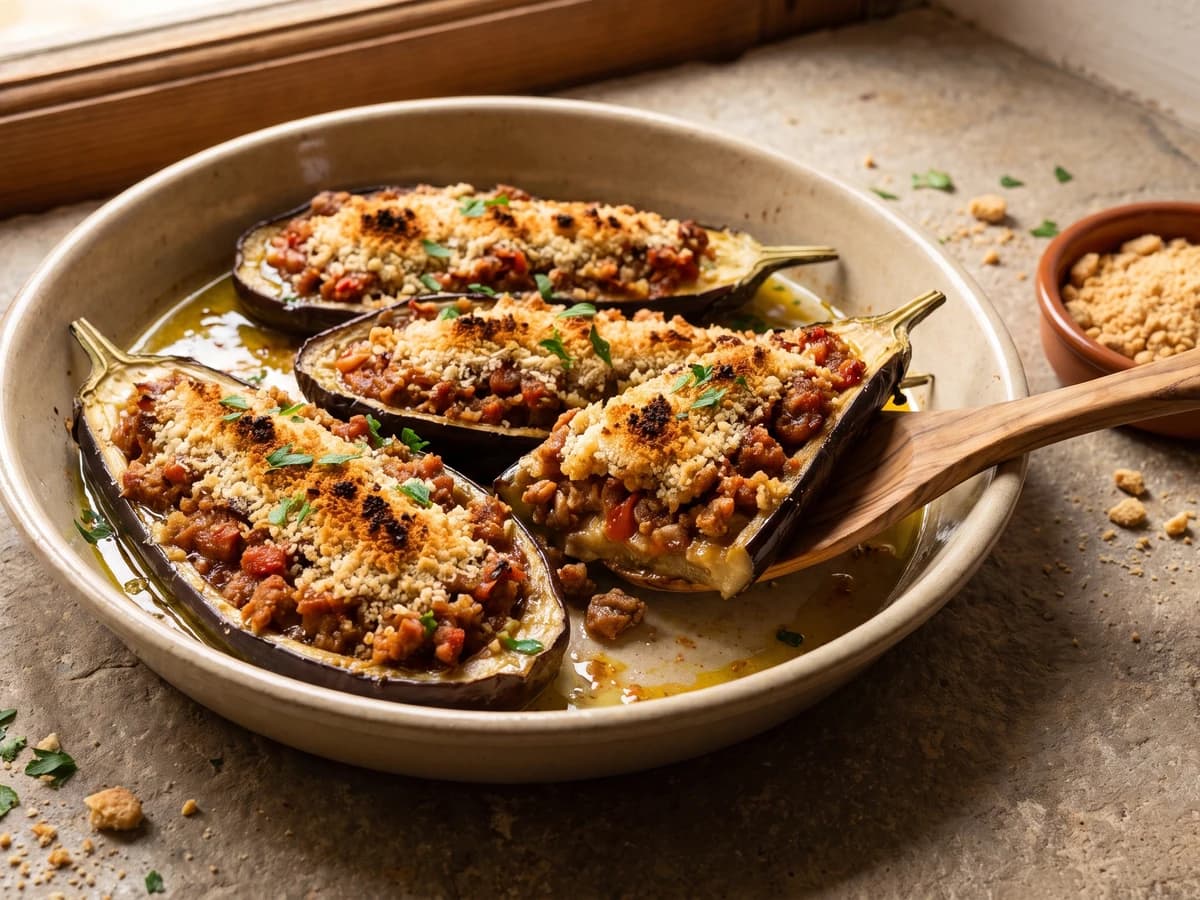
Albergínies farcides are Mallorca's summer stuffed aubergines: tender boiled shells, a slow pork sofrito with moraduix, and a plain breadcrumb cap baked until the top turns crisp and golden.

Chef Isabel
Carxofes farcides are Catalan stuffed artichokes: tender hearts filled with jamón, slow sweet onion, and breadcrumbs, then baked in a light creamy sauce until the tops turn golden.