Chef Isabel
Acedías Fritas de Cádiz
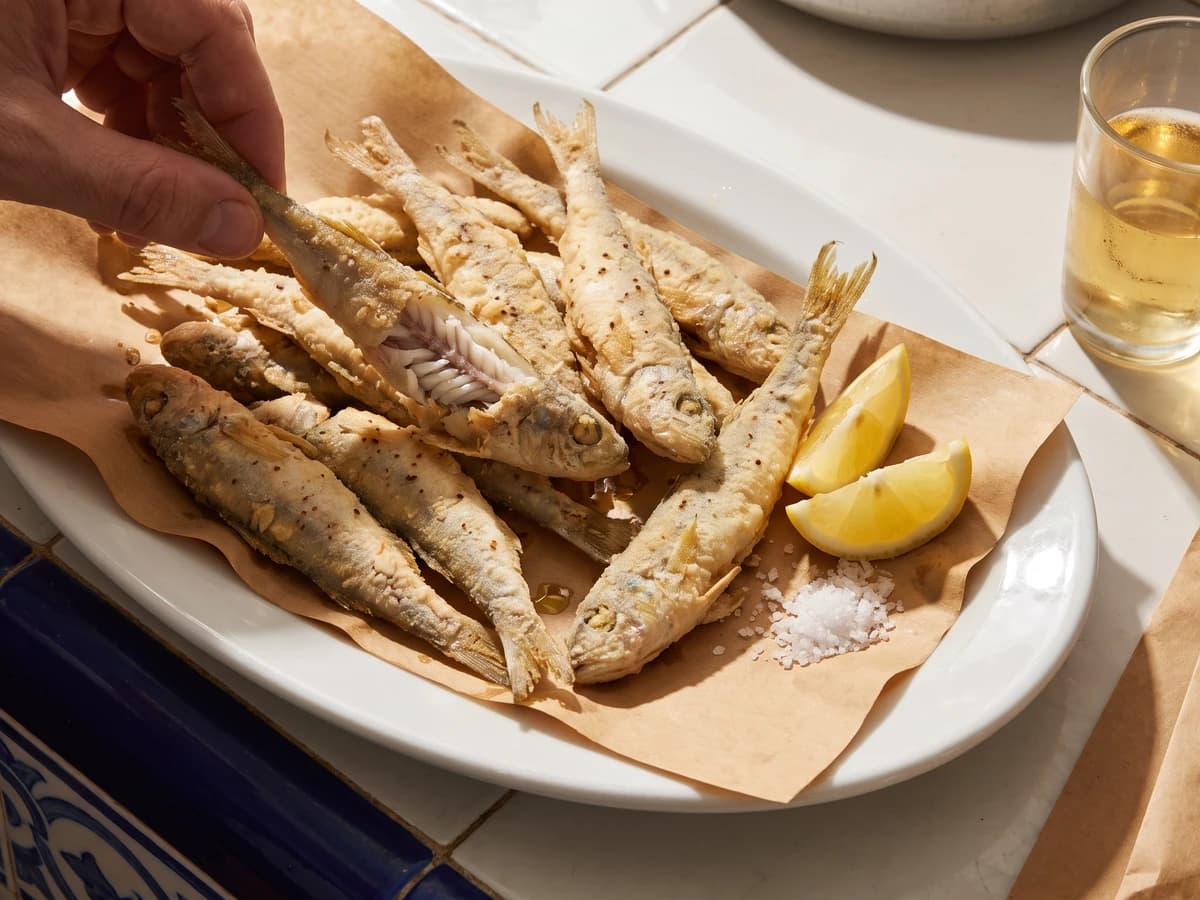
Acedías fritas belong to Cádiz: tiny wedge sole, salted, dusted in frying flour, and dropped into very hot olive oil so the rims crisp while the fish stays tender.
A cooking platform built around craft, culture, and the stories behind what we eat.

Created by
Albergínies farcides are Mallorca's summer stuffed aubergines: tender boiled shells, a slow pork sofrito with moraduix, and a plain breadcrumb cap baked until the top turns crisp and golden.
Albergínies farcides are Mallorcan, summer aubergines filled the island way: boiled first, hollowed clean, stuffed with a pork sofrito, scented with moraduix, marjoram, and finished under galleta picada or breadcrumbs. Not a cheese-topped gratin. Not a clever little bite pretending to be from nowhere. This is Mallorca's aubergine dish, tal como se hace allí.
The method that decides it is the first pot of water. You boil the aubergines until the flesh gives but the skin still stands, then you drain them well before the filling ever touches them. Raw or undercooked aubergine tears when you scoop it. Overcooked aubergine slumps in the dish. Get that middle point and the rest is ordinary cooking: a slow onion base, pork browned gently, tomato cooked down until sweet, crumbs over the top.
If you're far from Mallorca, no hace falta haber pisado España. Use firm medium globe aubergines, not the huge tired ones with cottony flesh. If you can't find galleta picada, fine dry breadcrumbs work; they make a lighter top, less island in taste, but still right. Fresh moraduix is best, dried marjoram is honest, and parsley with the smallest pinch of oregano will get you through. Pésalo, no lo adivines. The dish is generous, but it still likes a steady hand.
Albergínies farcides belong to Mallorca's summer cooking, when aubergines fill the market and households turn them into dishes that can be baked ahead and eaten warm or at room temperature. The Balearic name keeps the island's Catalan speech in the recipe: albergínia for aubergine, farcida for stuffed. Pork, olive oil, tomato, onion, moraduix, and galleta picada place it firmly in the Mallorcan home larder, where stuffed vegetables are common, but the boiled aubergine shell is this dish's tell.
Quantity
4, about 1kg total
Quantity
1 tablespoon
for the boiling water
Quantity
75ml
divided
Quantity
180g
finely chopped
Quantity
2 cloves
minced
Quantity
300g
about 20% fat
Quantity
250g
grated, skins discarded
Quantity
200g
Quantity
1 teaspoon
chopped
Quantity
1/2 teaspoon
Quantity
10g
finely chopped
Quantity
1 teaspoon
divided
Quantity
1/4 teaspoon
Quantity
1
beaten
Quantity
60g
35g for the filling, 25g for the topping
| Ingredient | Quantity |
|---|---|
| medium aubergines | 4, about 1kg total |
| coarse saltfor the boiling water | 1 tablespoon |
| extra virgin olive oildivided | 75ml |
| yellow onionfinely chopped | 180g |
| garlicminced | 2 cloves |
| minced pork shoulderabout 20% fat | 300g |
| ripe tomatoesgrated, skins discarded | 250g |
| canned crushed tomato (optional) | 200g |
| fresh moraduix (marjoram)chopped | 1 teaspoon |
| dried marjoram (optional) | 1/2 teaspoon |
| flat-leaf parsleyfinely chopped | 10g |
| fine sea saltdivided | 1 teaspoon |
| freshly ground black pepper | 1/4 teaspoon |
| large eggbeaten | 1 |
| galleta picada or fine dry breadcrumbs35g for the filling, 25g for the topping | 60g |
Bring a wide pot of water to a boil and salt it with the coarse salt. Trim the prickly tops from the aubergines, halve them lengthways, and lower them into the water, cut side down, using a plate to keep them under if they float. Boil gently for 10 to 14 minutes, until a small knife slides into the flesh but the skins still hold their shape. This first boil is the step that decides the dish: undercook them and they tear when you scoop, overcook them and the shells collapse.
Lift the aubergine halves into a colander, cut side down, and let them cool for 10 minutes. With a spoon, scoop out the flesh, leaving a wall about 5mm thick so each half keeps its shape. Chop the flesh finely, then press it in the colander to drive off the water. In the Margin beside this one I keep two words: escórrer bé, drain well. Watery aubergine makes a loose filling, and nobody asked for that.
Heat 45ml of the olive oil in a wide frying pan over medium-low heat. Add the onion and 1/2 teaspoon of the fine salt, and cook for 12 to 15 minutes, stirring often, until the onion is soft, dark gold, and sweet. Add the garlic and cook for 1 minute. Add the pork and break it up well, cooking until no pink remains and the fat glistens in the pan. Stir in the grated tomato, moraduix, parsley, black pepper, and the remaining 1/2 teaspoon salt. Cook 8 to 10 minutes more, until the tomato has lost its raw smell and the sofrito, the slow onion base, is thick rather than wet.
Stir the chopped aubergine flesh into the pork sofrito and cook for 5 minutes, until the mixture holds together and no puddle of liquid sits in the pan. Take it off the heat and let it cool for 8 to 10 minutes. Taste now, before the egg goes in, and correct the salt. Stir in the beaten egg and 35g of the galleta picada or breadcrumbs. The filling should be spoonable and moist, not runny.
Heat the oven to 190C. Oil a baking dish with 15ml of the olive oil. Set the aubergine shells snugly inside and spoon in the filling, mounding it gently without packing it down hard. Mix the remaining 25g galleta picada or breadcrumbs with the last 15ml olive oil and scatter it over the tops. That simple crumb cap is enough; a heavy blanket of cheese turns it into another dish.
Bake for 25 to 30 minutes, until the crumbs are golden and the filling is set at the centre. Let the aubergines rest 10 minutes before serving, so the skins settle and each half lifts cleanly from the dish. Serve warm or at room temperature, which is why they belong so well on a Mallorcan summer table. Siempre sale, si lo sigues.
1 serving (about 380g)
Culinary guides, cultural storytelling, and the editorial depth that makes cooking meaningful.
Discover Culinary ExplorerChef Isabel
Acedías fritas belong to Cádiz: tiny wedge sole, salted, dusted in frying flour, and dropped into very hot olive oil so the rims crisp while the fish stays tender.
Chef Isabel
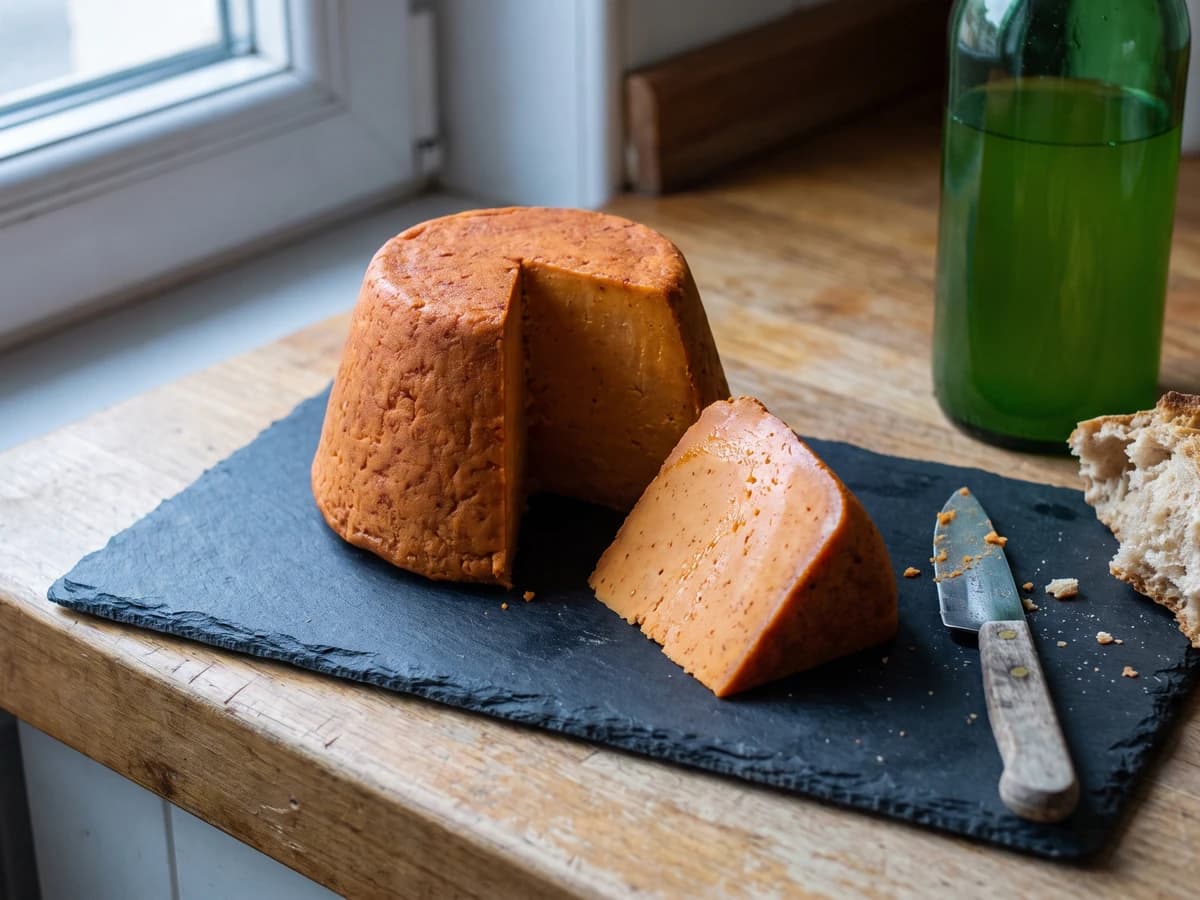
Afuega'l Pitu Roxu is Asturias in a small cheese: cow's milk set slowly to a dense curd, drained without squeezing, then kneaded with pimentón until it turns orange and grips the throat.

Chef Isabel
Carxofes farcides are Catalan stuffed artichokes: tender hearts filled with jamón, slow sweet onion, and breadcrumbs, then baked in a light creamy sauce until the tops turn golden.
Chef Isabel
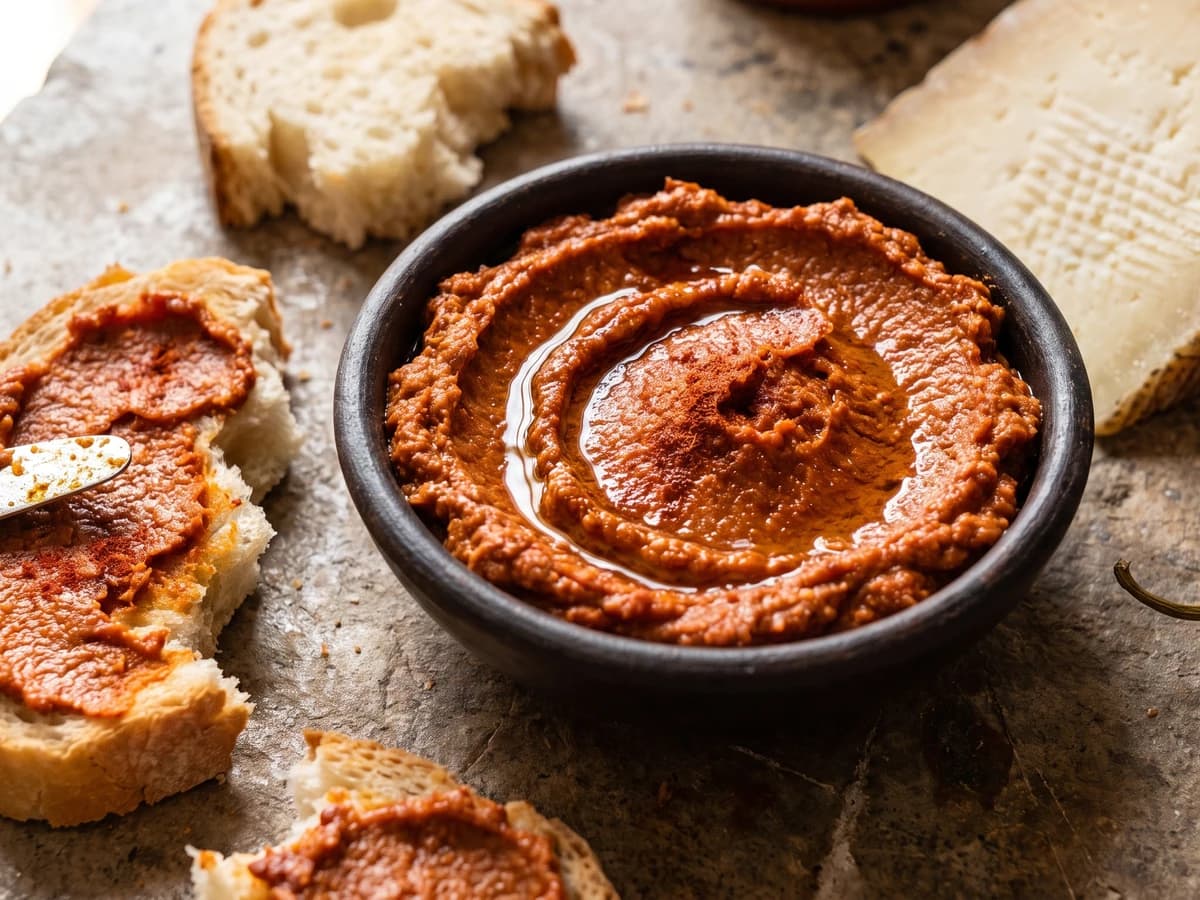
Almogrote Gomero is La Gomera's hard-cheese spread: cured goat cheese, garlic, pimentón, dried red pepper, and oil worked into a thick rust-red paste.