Chef Isabel
Acedías Fritas de Cádiz
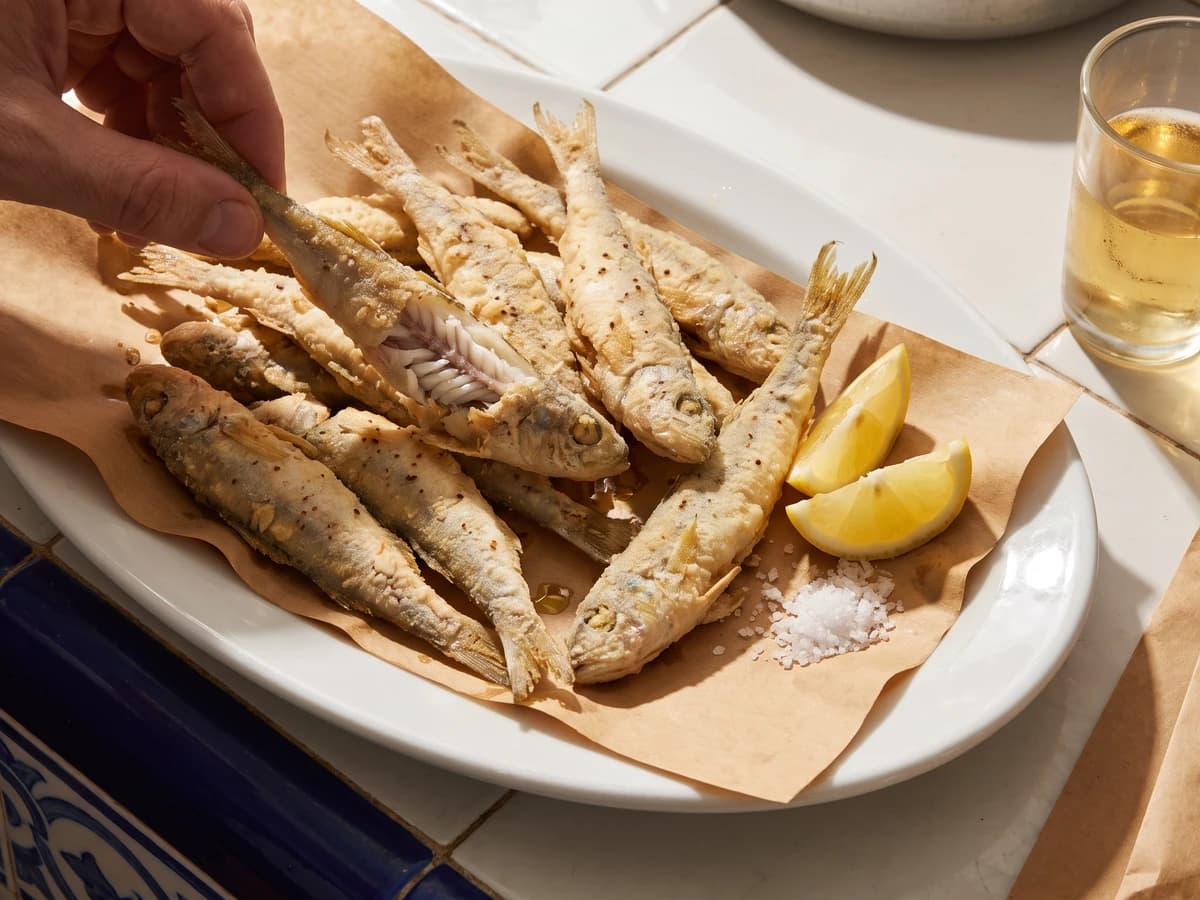
Acedías fritas belong to Cádiz: tiny wedge sole, salted, dusted in frying flour, and dropped into very hot olive oil so the rims crisp while the fish stays tender.
A cooking platform built around craft, culture, and the stories behind what we eat.
Created by
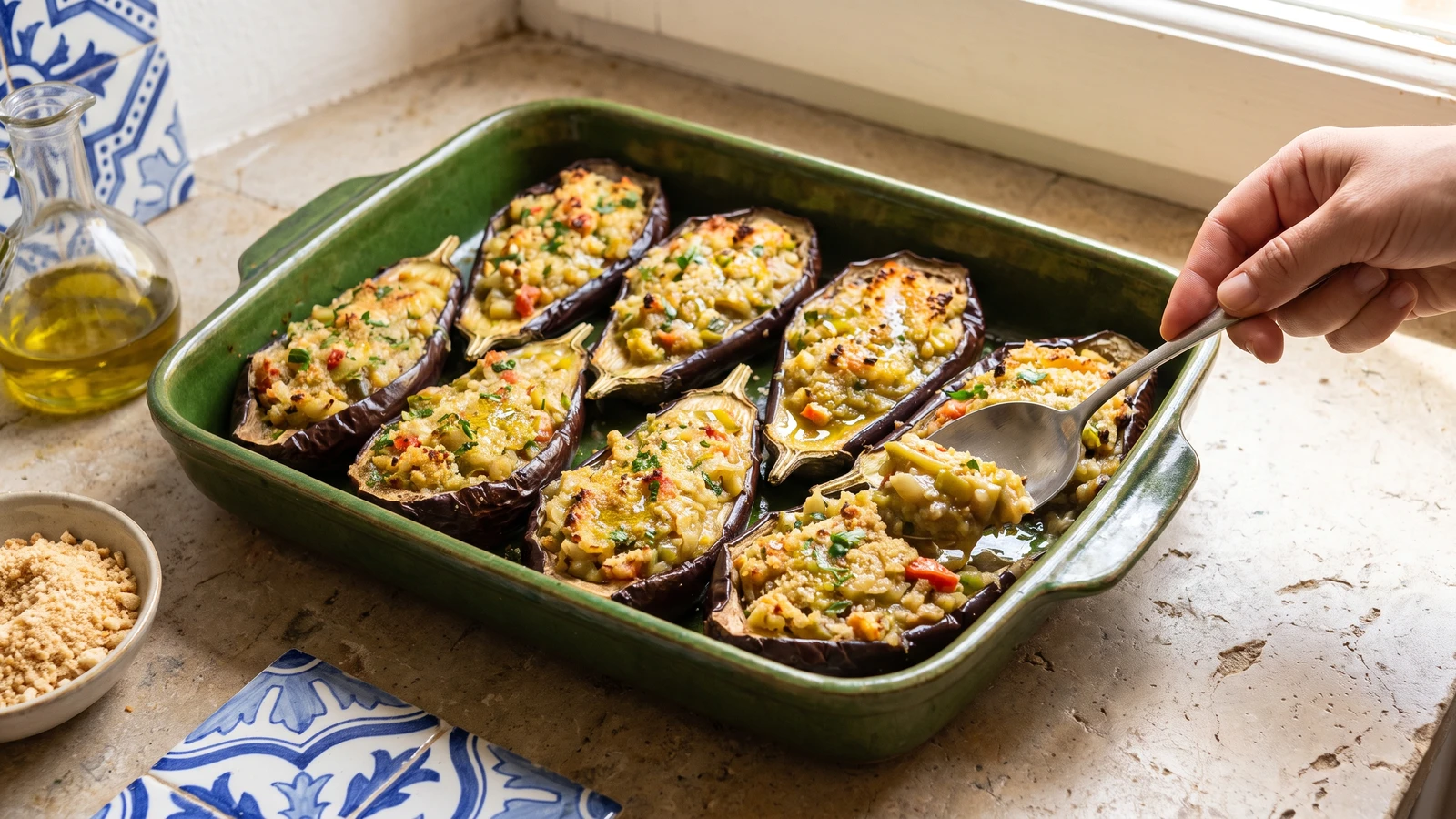
Menorca's summer stuffed aubergines are meatless by design: tender shells filled with their own cooked flesh, a slow onion and tomato sofrito, egg, parsley, and breadcrumbs, then baked until the top goes golden.
Berenjenas a la Menorquina are Menorcan, the Balearic island's albergínies plenes: aubergines softened, hollowed, filled again with their own flesh, a slow onion and tomato sofrito, egg, parsley, and breadcrumbs, then baked. No meat. No béchamel. The point is summer aubergine tasting of itself, held together just enough to slice.
The method that decides it is not the hollowing. It is drying the filling. Aubergine carries water like a sponge, so after you scoop the flesh, cook it back into the sofrito until a spoon leaves a clean track in the pan. Then the egg binds and the crumb lifts the top. Rush that, and the shells weep in the baking dish.
If you can't find Menorcan galeta picada, the crushed dry biscuit some homes use for the top, use plain dry breadcrumbs from stale bread. Panko works in a hurry, but it browns rougher and tastes less of the home loaf. Good aubergines matter more: choose heavy, glossy ones in season, with tight skins and no bitterness. No hace falta haber pisado España.
Serve them warm or at room temperature, which is why they suit an outdoor table so well. My Margin says only this: don't drown the filling with tomato, and don't hide it under cheese. Siempre sale, si lo sigues.
Berenjenas a la Menorquina, albergínies plenes in Menorcan Catalan, belong to Menorca's summer kitchen gardens, when aubergines arrive in quantity and a household needs dishes that can be eaten warm or at room temperature. Unlike many meat-stuffed aubergines in Castile or Andalucía, the Menorcan filling is usually the cooked aubergine itself with onion, tomato, egg, parsley, and breadcrumb, a thrifty island method that makes the vegetable both shell and supper. The dry crumb on top, often galeta picada or stale bread, gives a firm cover to a soft filling and shows the old habit of wasting nothing from the bread basket.
Quantity
4 (about 1 kg total)
Quantity
3 litres
for simmering
Quantity
15 g
for the cooking water
Quantity
75 ml
divided
Quantity
1 large (220 g)
finely chopped
Quantity
3 (12 g)
finely chopped
Quantity
250 g fresh or 200 g canned
fresh tomatoes grated
Quantity
8 g
finely chopped
Quantity
2 (about 110 g without shells)
beaten
Quantity
90 g
divided
Quantity
8 g
divided
Quantity
1 g
| Ingredient | Quantity |
|---|---|
| medium aubergines | 4 (about 1 kg total) |
| waterfor simmering | 3 litres |
| coarse saltfor the cooking water | 15 g |
| extra virgin olive oildivided | 75 ml |
| onionfinely chopped | 1 large (220 g) |
| garlic clovesfinely chopped | 3 (12 g) |
| ripe tomatoes or canned crushed tomatofresh tomatoes grated | 250 g fresh or 200 g canned |
| flat-leaf parsleyfinely chopped | 8 g |
| large eggsbeaten | 2 (about 110 g without shells) |
| dry breadcrumbs or crushed Menorcan galetadivided | 90 g |
| fine sea saltdivided | 8 g |
| freshly ground black pepper | 1 g |
Bring the water to a boil in a wide pot and add the coarse salt. Trim only the dry tips from the aubergines, then cut them lengthwise through the stem so each half keeps its shape. Simmer them cut side down for 10 to 12 minutes, until the flesh yields to a small knife but the skins still hold firm. Lift them out and drain cut side down for 15 minutes.
When the halves are cool enough to handle, scoop out the flesh with a spoon, leaving a wall about 5 mm thick so the skins do not tear. Chop the scooped flesh finely and press it lightly in the colander if it is very wet. This flesh goes back into the filling; that is part of what makes the Menorcan dish itself.
Warm 45 ml of the olive oil in a large frying pan over low heat. Add the onion with 4 g of the fine sea salt and cook for 15 minutes, stirring now and then, until it is soft, sweet, and pale gold. Add the garlic for 1 minute, then add the grated tomato and cook until thick, about 8 minutes. Stir in the chopped aubergine flesh and cook another 10 to 12 minutes, until a spoon leaves a clean track across the pan with no watery puddle closing behind it. This is the step that decides the dish: egg and crumb bind a dry filling; they cannot rescue a wet one.
Take the pan off the heat and let the filling cool for 10 minutes so the eggs do not scramble. Stir in the parsley, beaten eggs, 65 g of the breadcrumbs, the remaining 4 g fine sea salt, and the black pepper. The mixture should mound softly on a spoon. If it slumps wet, cook it for 2 minutes more rather than burying it in crumb.
Heat the oven to 190 C / 375 F. Oil a 30 x 22 cm baking dish with 15 ml of the olive oil and set the aubergine shells snugly inside. Spoon the filling into the shells, rounding it slightly. Mix the remaining 25 g breadcrumbs with the remaining 15 ml olive oil and scatter it over the tops.
Bake for 25 to 30 minutes, until the tops are golden, the filling is set, and the skins are tender at the edges. Let the aubergines rest at least 10 minutes before serving. They are good warm and even better just barely warm, tal como se hace allí. Siempre sale, si lo sigues.
1 serving (about 350g)
Culinary guides, cultural storytelling, and the editorial depth that makes cooking meaningful.
Discover Culinary ExplorerChef Isabel
Acedías fritas belong to Cádiz: tiny wedge sole, salted, dusted in frying flour, and dropped into very hot olive oil so the rims crisp while the fish stays tender.
Chef Isabel
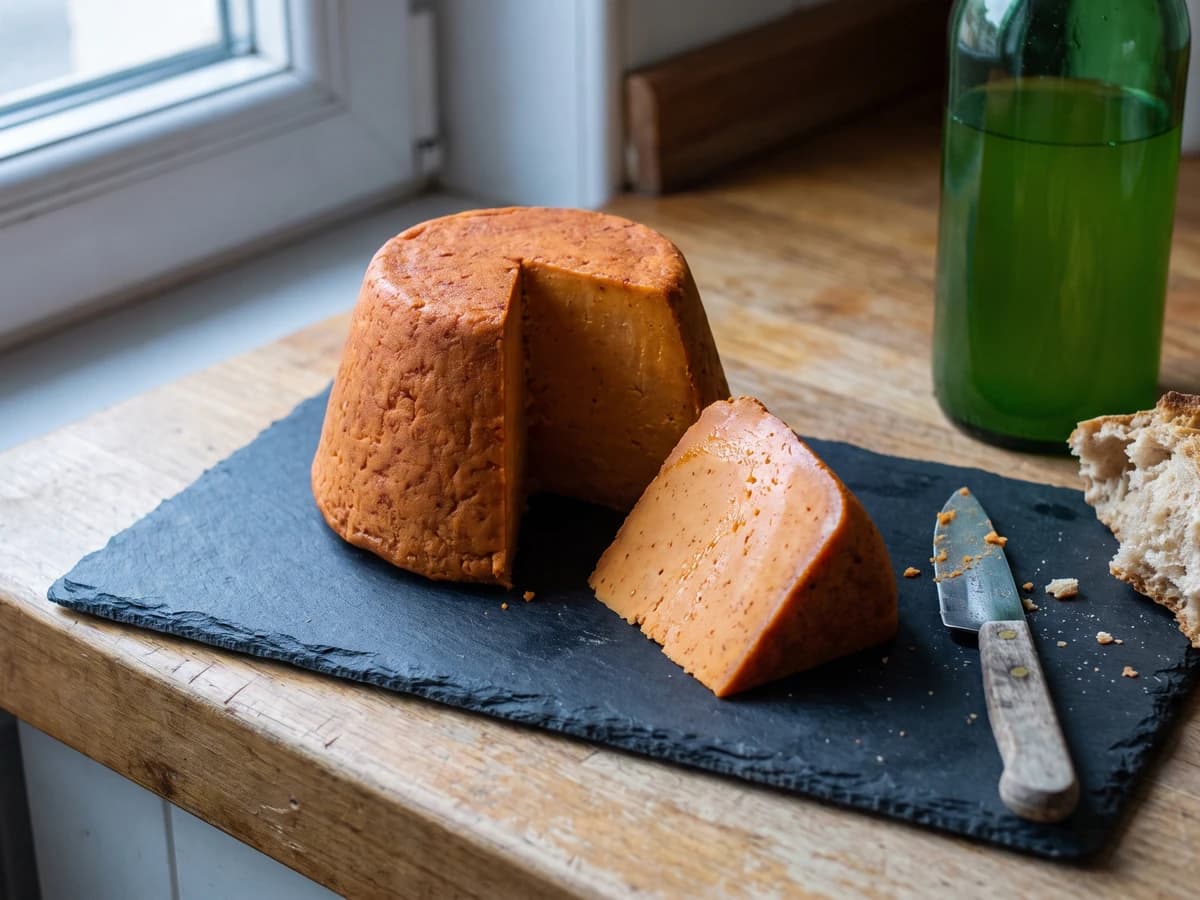
Afuega'l Pitu Roxu is Asturias in a small cheese: cow's milk set slowly to a dense curd, drained without squeezing, then kneaded with pimentón until it turns orange and grips the throat.
Chef Isabel
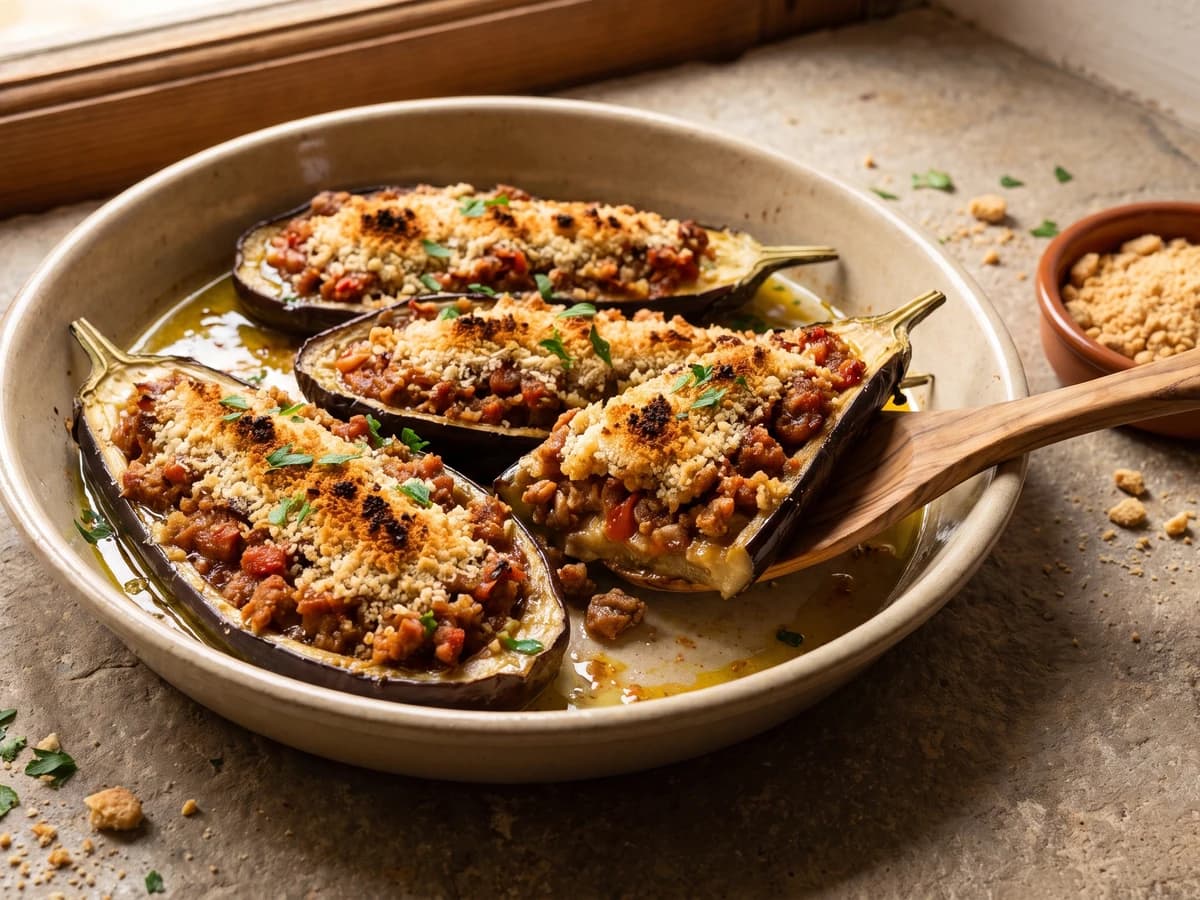
Albergínies farcides are Mallorca's summer stuffed aubergines: tender boiled shells, a slow pork sofrito with moraduix, and a plain breadcrumb cap baked until the top turns crisp and golden.

Chef Isabel
Carxofes farcides are Catalan stuffed artichokes: tender hearts filled with jamón, slow sweet onion, and breadcrumbs, then baked in a light creamy sauce until the tops turn golden.