Chef Isabel
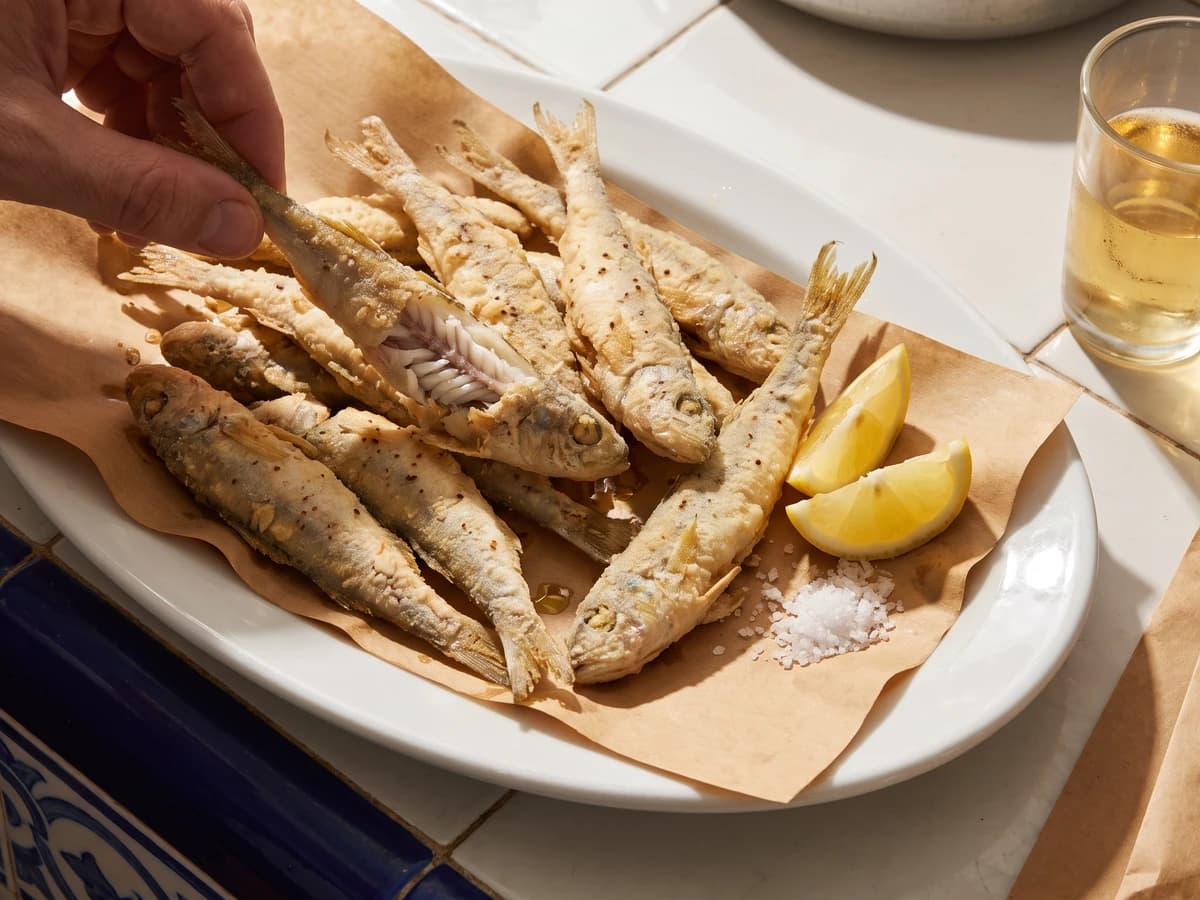
Acedías Fritas de Cádiz
Acedías fritas belong to Cádiz: tiny wedge sole, salted, dusted in frying flour, and dropped into very hot olive oil so the rims crisp while the fish stays tender.
A cooking platform built around craft, culture, and the stories behind what we eat.
Created by
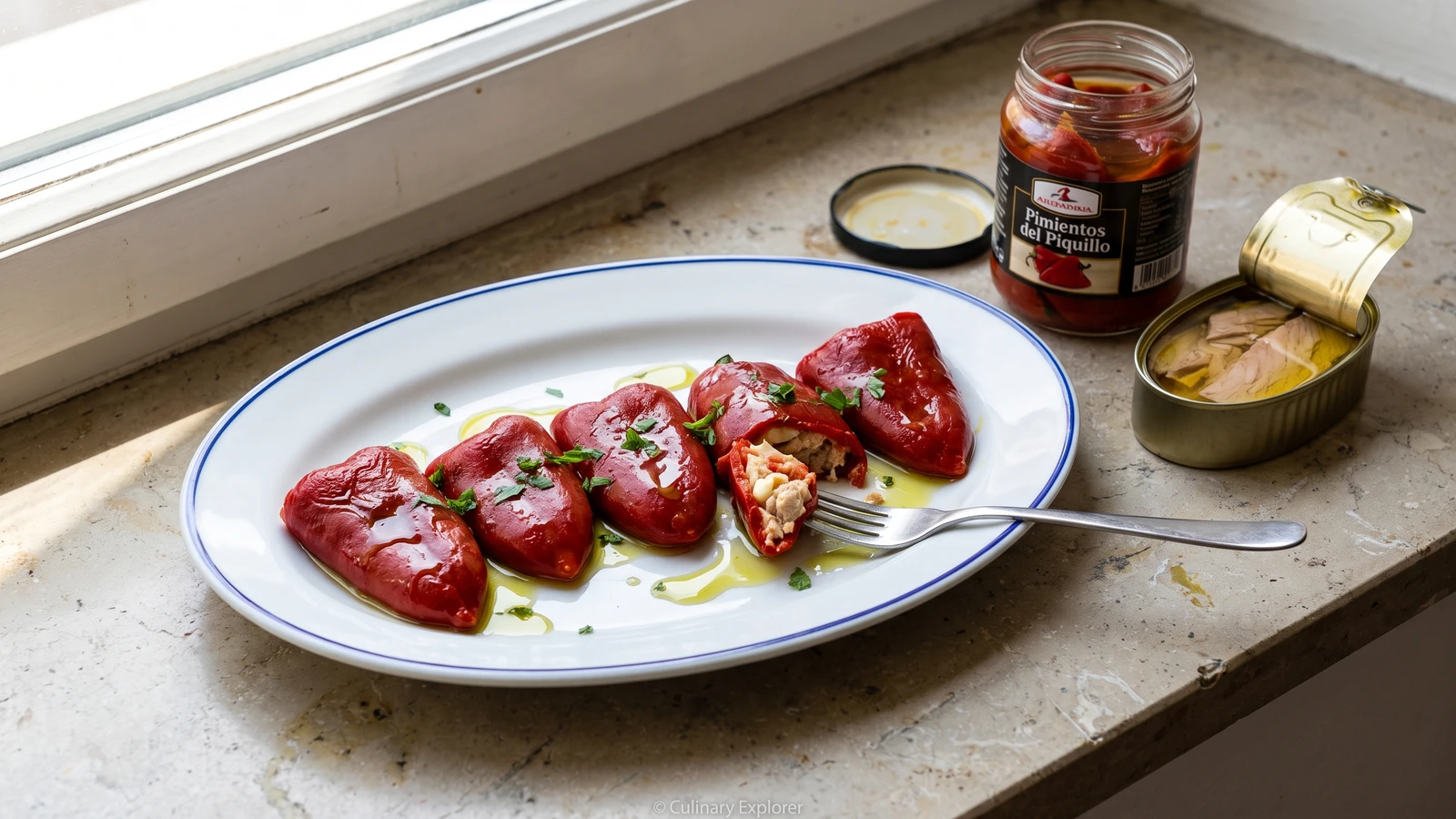
Pimientos del piquillo rellenos de atún are Navarra's pantry answer to a full table: roasted Lodosa peppers filled with bonito, egg, and tomato cooked down thick enough to behave.
Pimientos del piquillo rellenos de atún are Navarrese before they are anything else, because the pepper is the point: small, red, roasted piquillos from Lodosa, sweet with a little smoke and just enough strength to hold a filling. This version is the thrifty one, bonito del norte, hard-boiled egg, and tomato. Nothing grand. Good pantry food, made properly.
The method that decides it is the tomato. Cook the onion low in olive oil, add grated tomato, and let it go until the spoon leaves a clean line across the pan. If the filling is wet, the peppers slump and weep on the plate. If it is thick, cooled, and mixed gently with the bonito and egg, each pepper sits neatly and tastes of itself.
If you can't find piquillos from Lodosa where you are, use good jarred roasted red peppers, not raw bell peppers. They will be softer and sweeter, so make the filling a little drier and handle them with a spoon, not fingers. Bonito del norte is best; good tuna packed in olive oil will do. No hace falta haber pisado España. Pésalo, no lo adivines, and it will come out.
My Margin beside this recipe says only: drain everything. The pepper, the tuna, the tomato. It sounds too plain to matter, until you skip it once. Siempre sale, si lo sigues.
Pimientos del piquillo belong especially to Navarra, where the small red peppers of Lodosa are roasted, peeled, and preserved for the pantry. Stuffing them with preserved fish, egg, meat, or salt cod grew naturally from that same household logic: keep good things by, then turn them into a plate when people arrive. The tuna-filled version is the modest one, closer to a home table and a picnic basket than to a feast dish.
Quantity
12, plus 2 extra
drained, patted dry
Quantity
220g
drained
Quantity
3
Quantity
250g
grated
Quantity
200g
use instead of fresh tomato
Quantity
80g
finely chopped
Quantity
1 small clove
minced
Quantity
45ml
Quantity
1 teaspoon
Quantity
1/2 teaspoon
Quantity
4g, plus more to taste
Quantity
1 tablespoon
chopped
| Ingredient | Quantity |
|---|---|
| whole jarred pimientos del piquillodrained, patted dry | 12, plus 2 extra |
| bonito del norte in olive oil or good canned tuna in olive oildrained | 220g |
| large eggs | 3 |
| ripe tomatoes (optional)grated | 250g |
| canned crushed tomato (optional)use instead of fresh tomato | 200g |
| onionfinely chopped | 80g |
| garlicminced | 1 small clove |
| extra virgin olive oil | 45ml |
| vinagre de Jerez (sherry vinegar) | 1 teaspoon |
| sweet pimentón de la Vera | 1/2 teaspoon |
| fine sea salt | 4g, plus more to taste |
| flat-leaf parsley (optional)chopped | 1 tablespoon |
Put the eggs in a small pan, cover with cold water, bring to a boil, then simmer for 10 minutes. Cool them under cold water, peel, and chop them small. Keep the pieces visible, not mashed to paste; this filling should have a little body.
Lift the piquillos from the jar and lay them open-side down on kitchen paper for at least 10 minutes. Pat them gently inside and out. Do the same with the bonito or tuna, letting the oil drain well. Wet filling is the enemy here, not lack of cleverness.
Warm the olive oil in a frying pan over low heat and add the onion with a pinch of the measured salt. Cook 12 to 15 minutes, stirring now and then, until soft, dark gold, and sweet. Add the garlic for 1 minute, then the grated tomato or crushed tomato, pimentón, and the rest of the salt. Cook 12 to 15 minutes more, until thick enough that a spoon dragged through the pan leaves a clean line. That is the step that makes the peppers hold.
Scrape the thick tomato sofrito into a bowl and let it cool until only barely warm. Flake in the bonito, add the chopped egg, sherry vinegar, and parsley if using, then fold gently. Taste for salt. The filling should be moist but not loose; if it slides off the spoon, let it sit 5 minutes or add a little more chopped egg.
Hold each pepper in your palm or lay it on a plate, and spoon in about 25g filling, enough to plump it without splitting the flesh. Close the sides over the filling and set the pepper seam-side down. If one tears, chop it and stir it into the filling. Nadie nace sabiendo, and the cook still eats well.
Arrange the stuffed peppers on a plate, cover, and chill for at least 30 minutes so the filling settles. Serve cool or at room temperature, with a thread of olive oil over the top. For a picnic, keep them cold until you leave and eat them the same day.
1 serving (about 180g)
Culinary guides, cultural storytelling, and the editorial depth that makes cooking meaningful.
Discover Culinary ExplorerChef Isabel
Acedías fritas belong to Cádiz: tiny wedge sole, salted, dusted in frying flour, and dropped into very hot olive oil so the rims crisp while the fish stays tender.
Chef Isabel
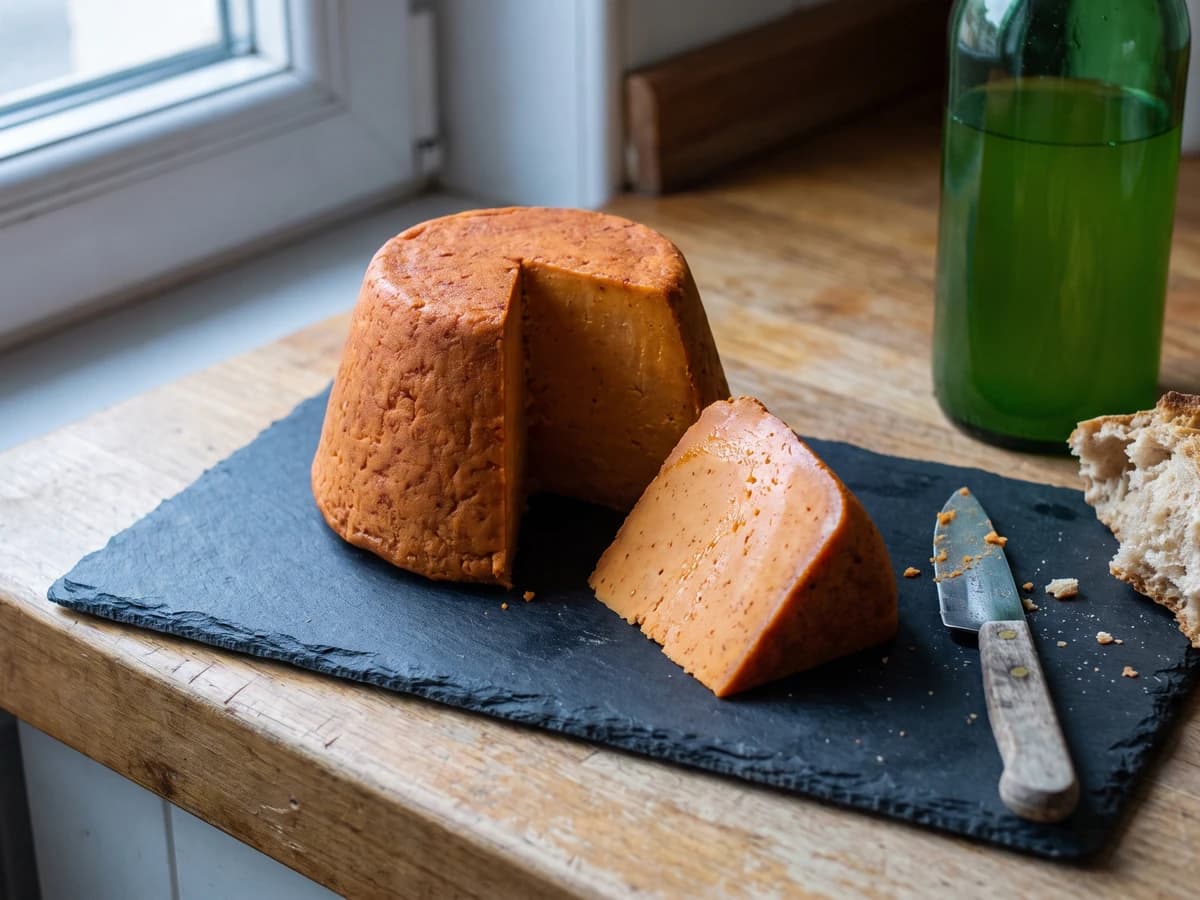
Afuega'l Pitu Roxu is Asturias in a small cheese: cow's milk set slowly to a dense curd, drained without squeezing, then kneaded with pimentón until it turns orange and grips the throat.
Chef Isabel
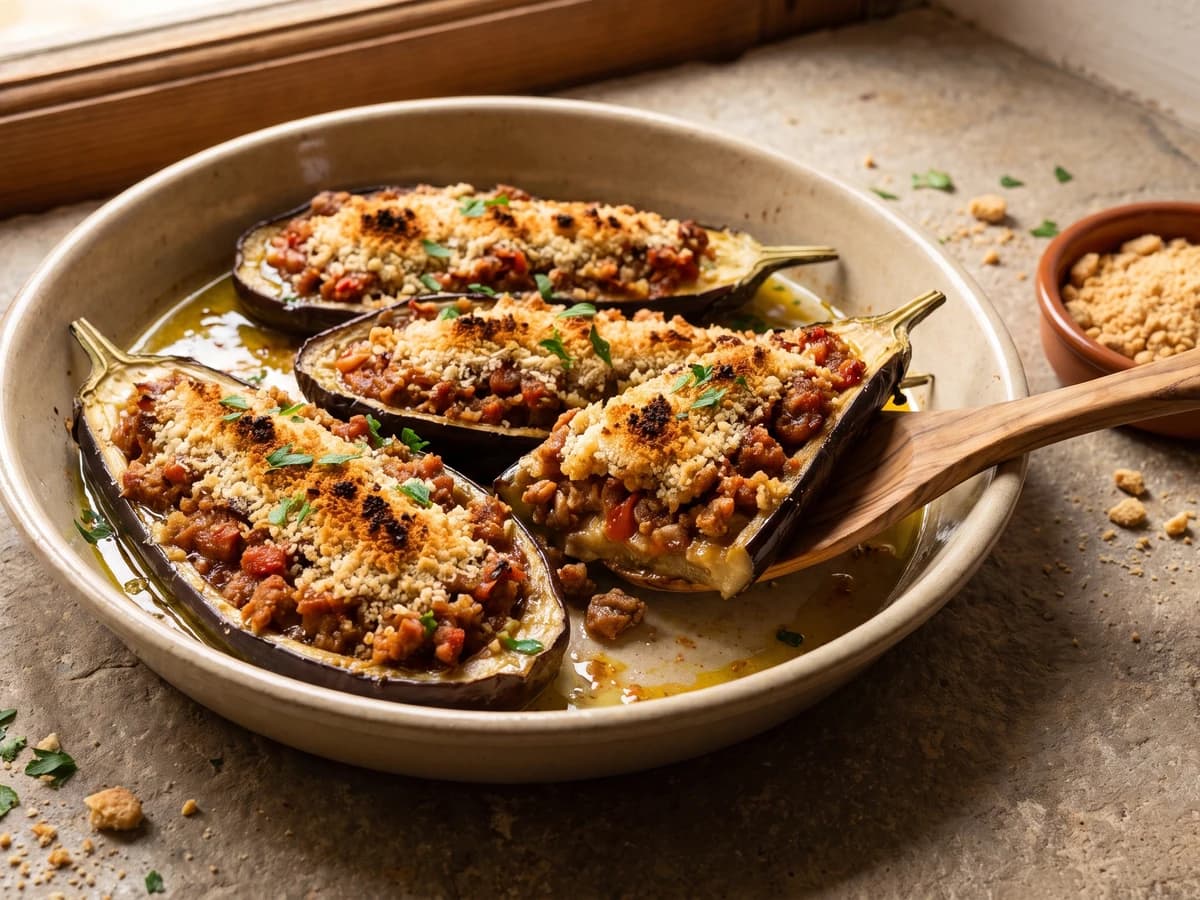
Albergínies farcides are Mallorca's summer stuffed aubergines: tender boiled shells, a slow pork sofrito with moraduix, and a plain breadcrumb cap baked until the top turns crisp and golden.

Chef Isabel
Carxofes farcides are Catalan stuffed artichokes: tender hearts filled with jamón, slow sweet onion, and breadcrumbs, then baked in a light creamy sauce until the tops turn golden.