
Chef Dean
Baked Chicken Parmesan
Golden-crusted chicken cutlets blanketed in robust marinara and stretchy mozzarella, baked until the cheese bubbles and browns at the edges. This is the dish that made Italian-American cooking famous.
A cooking platform built around craft, culture, and the stories behind what we eat.
Created by
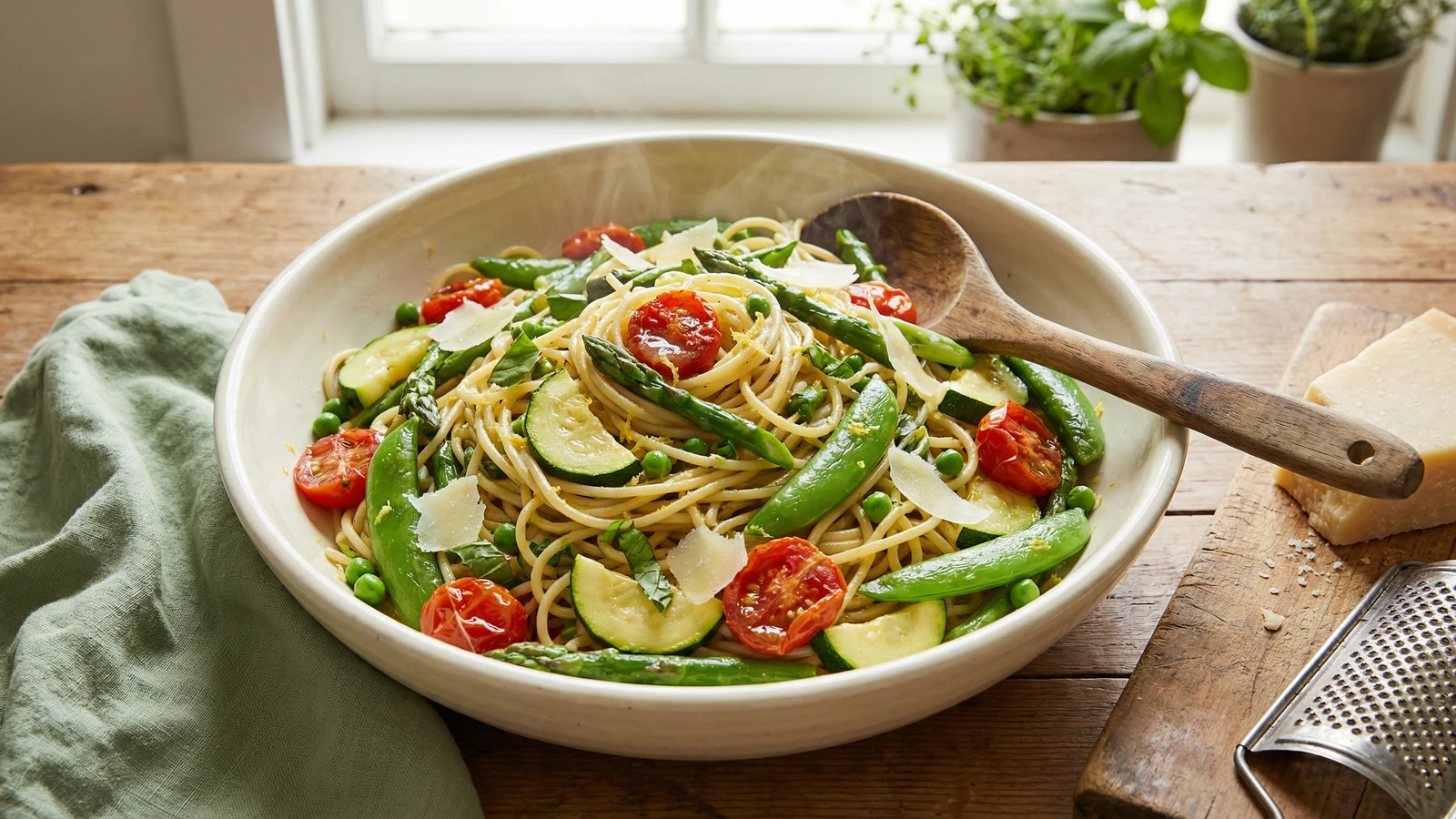
A tangle of pasta embracing the first tender vegetables of spring, dressed simply with garlic, good olive oil, and a shower of Parmesan. The season on a plate.
Primavera means spring. The dish should taste like it.
This is not about pasta with vegetables. It is about vegetables with pasta. The noodles are there to carry the asparagus, the peas, the young zucchini, the snap of a sugar snap pod still warm from the vine. When these things are right, when they come from a farmer who picked them that morning, you do not need to do much.
I learned this at the market in Berkeley decades ago. A farmer handed me a bundle of asparagus so fresh the cut ends were still wet. I barely blanched them, tossed them with hot pasta and olive oil, and understood something I have never forgotten: perfect ingredients need almost nothing done to them. Your job is to get out of the way.
Every meal is a meaningful choice. When you buy those first spring vegetables from someone who grew them, you are voting for a food system that makes sense. The pasta tastes better for it. Connection has a flavor.
Quantity
1 pound
penne, fusilli, or farfalle
Quantity
1/4 cup, plus more for finishing
Quantity
4 cloves
thinly sliced
Quantity
1 bunch (about 1 pound)
trimmed and cut into 2-inch pieces
Quantity
2 small
halved lengthwise and sliced into half-moons
Quantity
1 cup
strings removed
Quantity
1 cup
Quantity
1 pint
halved
Quantity
1/2 teaspoon
Quantity
to taste
Quantity
to taste
freshly ground
Quantity
1 cup
freshly grated, plus more for serving
Quantity
1/2 cup
torn
Quantity
1
zested and juiced
| Ingredient | Quantity |
|---|---|
| dried pastapenne, fusilli, or farfalle | 1 pound |
| extra-virgin olive oil | 1/4 cup, plus more for finishing |
| garlicthinly sliced | 4 cloves |
| asparagustrimmed and cut into 2-inch pieces | 1 bunch (about 1 pound) |
| zucchinihalved lengthwise and sliced into half-moons | 2 small |
| sugar snap peasstrings removed | 1 cup |
| fresh or frozen peas | 1 cup |
| cherry tomatoeshalved | 1 pint |
| red pepper flakes | 1/2 teaspoon |
| kosher salt | to taste |
| black pepperfreshly ground | to taste |
| Parmesan cheesefreshly grated, plus more for serving | 1 cup |
| fresh basil leavestorn | 1/2 cup |
| lemonzested and juiced | 1 |
Bring a large pot of water to a rolling boil. Salt it until it tastes like the sea. This is your only chance to season the pasta from within. Taste the water. If it does not make you think of ocean waves, add more salt.
While the water heats, pour the olive oil into your largest skillet and set it over medium-low heat. Add the sliced garlic and let it warm slowly until fragrant and barely golden at the edges, about three minutes. Watch it carefully. Garlic goes from perfect to bitter in seconds. The oil should shimmer, not smoke.
Raise the heat to medium-high. Add the asparagus pieces first because they need the most time. Cook for two minutes, tossing occasionally, until they turn bright green and lose their raw edge. Add the zucchini and cook another two minutes. Then the sugar snap peas, one minute more. The vegetables should be tender but still have backbone. Nothing limp or defeated.
Add the fresh peas and halved cherry tomatoes. Sprinkle in the red pepper flakes. Cook just until the tomatoes begin to soften and release their juices, about two minutes. Season with salt and pepper. Remove the skillet from heat.
Drop the pasta into the boiling water. Stir once to prevent sticking. Cook until just shy of al dente, about one minute less than the package suggests. The pasta will finish cooking in the pan with the vegetables. Reserve one cup of the starchy cooking water before you drain.
Return the skillet to medium heat. Add the drained pasta directly to the vegetables. Pour in half the reserved pasta water and toss everything together vigorously for one to two minutes. The starch in the water creates a light sauce that clings. Add more pasta water if it seems dry. The dish should look glossy, alive.
Remove from heat. Add the Parmesan, torn basil, lemon zest, and lemon juice. Toss once more. Taste. Adjust salt if needed. Divide among warm bowls. Drizzle with more olive oil, scatter more Parmesan over the top. Serve while everything still has its aliveness. This dish does not wait.
1 serving (about 475g)
Culinary guides, cultural storytelling, and the editorial depth that makes cooking meaningful.
Discover Culinary ExplorerChef Dean
Golden-crusted chicken cutlets blanketed in robust marinara and stretchy mozzarella, baked until the cheese bubbles and browns at the edges. This is the dish that made Italian-American cooking famous.

Chef Dean
Ridged ziti tubes cradling a slow-simmered meat sauce, layered with creamy ricotta and buried under a blanket of molten mozzarella that blisters golden in the oven. This is the dish that ends arguments and fills bellies.

Chef Ally
The iconic Tuscan steak: two inches of well-marbled beef, seared over a roaring fire, rested until the juices settle, then sliced and dressed with nothing but olive oil, rosemary, and sea salt.
Chef Ally
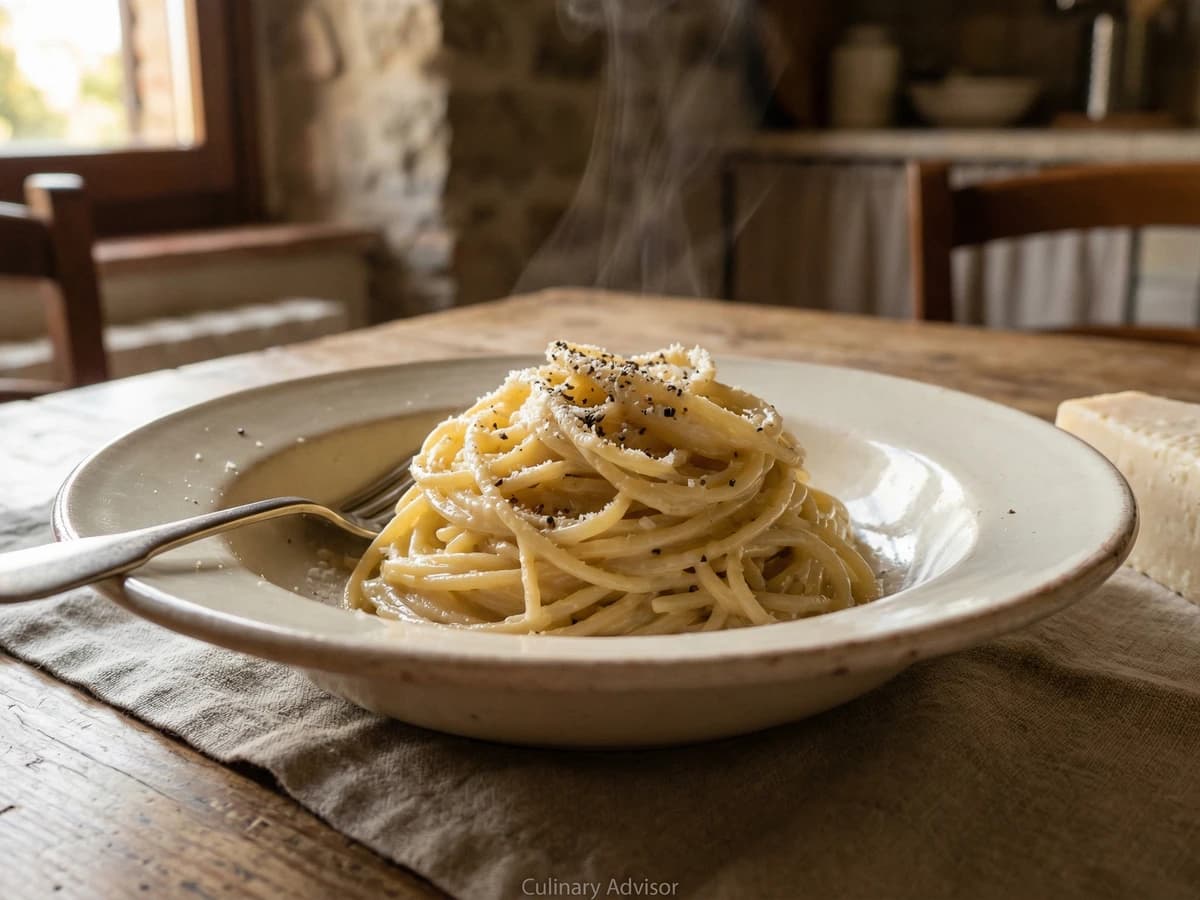
Three ingredients, infinite satisfaction. Real Pecorino Romano, freshly cracked black pepper, and good pasta transformed through nothing but technique and respect for what you have.