
Chef Dean
Baked Chicken Parmesan
Golden-crusted chicken cutlets blanketed in robust marinara and stretchy mozzarella, baked until the cheese bubbles and browns at the edges. This is the dish that made Italian-American cooking famous.
A cooking platform built around craft, culture, and the stories behind what we eat.
Created by
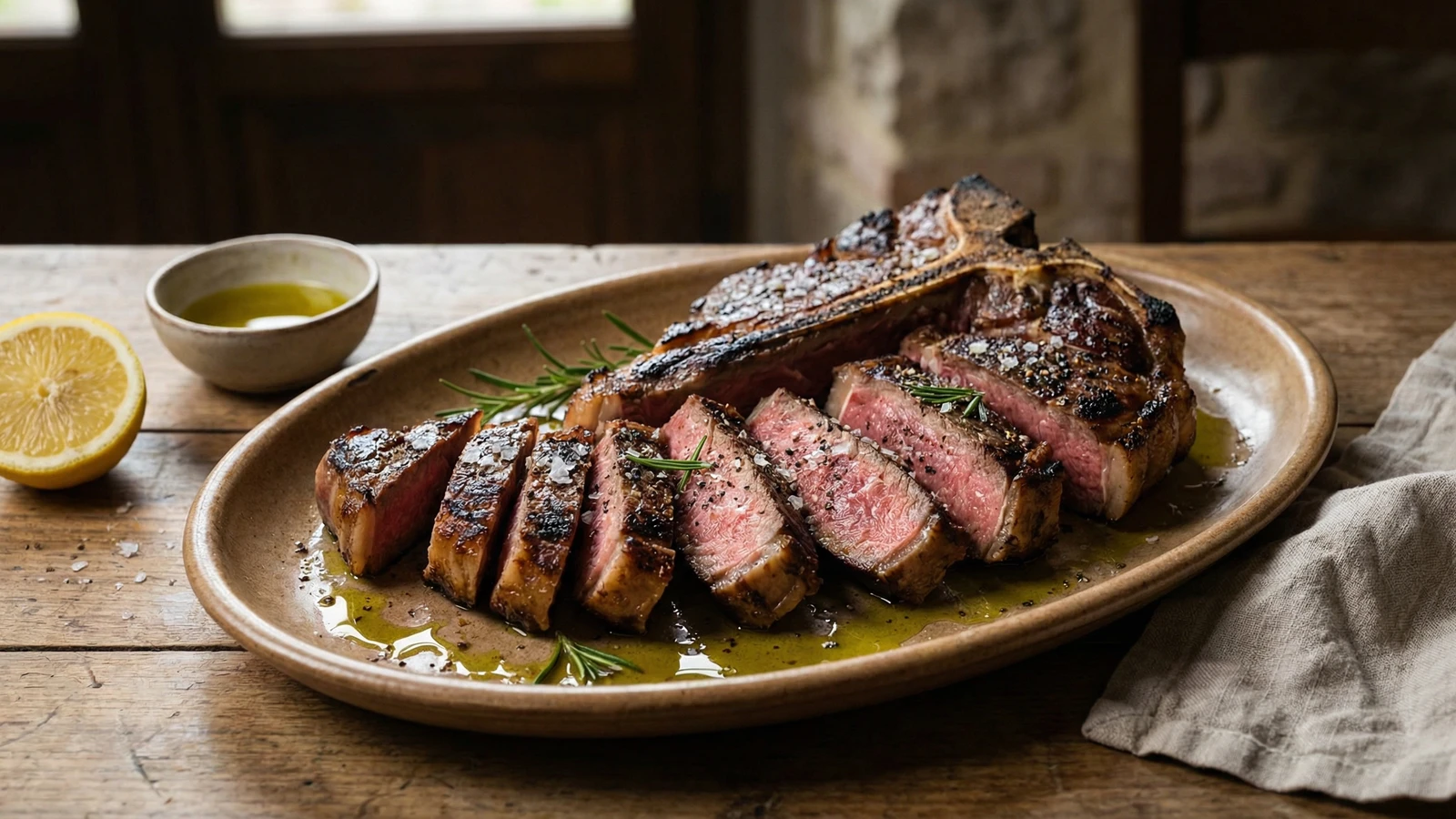
The iconic Tuscan steak: two inches of well-marbled beef, seared over a roaring fire, rested until the juices settle, then sliced and dressed with nothing but olive oil, rosemary, and sea salt.
Start with the beef. Everything depends on it. In Florence, they raise Chianina cattle in the Val di Chiana, enormous white animals that have grazed those hills since the Etruscans. The meat is dense and deeply flavored, marbled but not excessive. This is what you are trying to honor when you cook bistecca alla fiorentina, whether your beef comes from Tuscany or from a farmer thirty miles away who raises animals on pasture.
Find a butcher who knows the source. Ask for dry-aged beef if they have it. The steak must be thick, at least two inches, cut on the bone. Anything thinner and you cannot achieve what this dish requires: a deeply charred crust giving way to a cool, rosy center that tastes purely of beef.
The technique is almost nothing. Salt, pepper, fire, rest, oil. The Florentines understand what I have spent my life trying to teach: perfect ingredients need almost nothing done to them. Your job is to find that beef, build that fire, then get out of the way.
Quantity
1 (2 to 2.5 inches thick, about 2.5 pounds)
Quantity
to taste
Quantity
to taste
freshly cracked
Quantity
3 tablespoons
best quality
Quantity
2 sprigs
Quantity
1
halved
| Ingredient | Quantity |
|---|---|
| bone-in ribeye or porterbone steak | 1 (2 to 2.5 inches thick, about 2.5 pounds) |
| flaky sea salt | to taste |
| black pepperfreshly cracked | to taste |
| extra-virgin olive oilbest quality | 3 tablespoons |
| fresh rosemary | 2 sprigs |
| lemonhalved | 1 |
Find a butcher who knows where the beef comes from. Ask for a bone-in ribeye or porterbone cut at least two inches thick. In Tuscany they use Chianina cattle, but any well-raised, dry-aged beef with good marbling will honor this dish. The steak should smell clean and faintly sweet, the fat creamy white, the meat deep red. This is the entire recipe. Everything else is just getting out of the way.
Remove the steak from the refrigerator at least ninety minutes before cooking. Set it on a rack over a plate and leave it uncovered at room temperature. A cold steak will seize when it hits heat. The outside chars before the inside warms. You want the meat to cook evenly from edge to center. When you press your finger to the surface, it should feel like the temperature of the room, not the icebox.
Build a hot fire with hardwood charcoal or wood if you have it. Oak, olive wood, or grape vines are traditional in Tuscany. You want intense, direct heat with the grill grate positioned four to five inches from the coals. The fire is ready when you can hold your hand at grate level for only two seconds before pulling away. A gas grill set to its highest setting will work, though you will miss the smoke.
Just before grilling, season the steak generously with flaky sea salt and freshly cracked black pepper on both sides. Press the seasoning into the meat with your palm. That is all. No marinades, no rubs, no garlic butter. The Florentines have been doing this for centuries. They understand that perfect beef needs nothing else.
Lay the steak on the hottest part of the grill. Do not move it. The meat will release from the grate when it is ready, about four to five minutes. You will hear aggressive sizzling and see fat beginning to render. Flip once. Cook another four to five minutes on the second side. For a two-inch steak, this produces a deeply charred crust and a rare center, which is the only way to serve this dish.
Transfer the steak to a warm platter and let it rest for ten minutes. Do not skip this. The muscle fibers need time to relax and reabsorb their juices. A steak cut immediately loses those juices to the cutting board. While it rests, the internal temperature will rise another five degrees and even out from edge to center.
Cut the meat away from the bone in two pieces, the strip loin on one side and the tenderloin on the other. Slice each portion against the grain into thick strips, about half an inch wide. Arrange on a warmed platter with the bone alongside. Drizzle generously with your best olive oil. Scatter leaves from the rosemary sprigs. Serve with lemon halves for those who want brightness, and pass the salt.
1 serving (about 300g)
Culinary guides, cultural storytelling, and the editorial depth that makes cooking meaningful.
Discover Culinary ExplorerChef Dean
Golden-crusted chicken cutlets blanketed in robust marinara and stretchy mozzarella, baked until the cheese bubbles and browns at the edges. This is the dish that made Italian-American cooking famous.

Chef Dean
Ridged ziti tubes cradling a slow-simmered meat sauce, layered with creamy ricotta and buried under a blanket of molten mozzarella that blisters golden in the oven. This is the dish that ends arguments and fills bellies.
Chef Ally
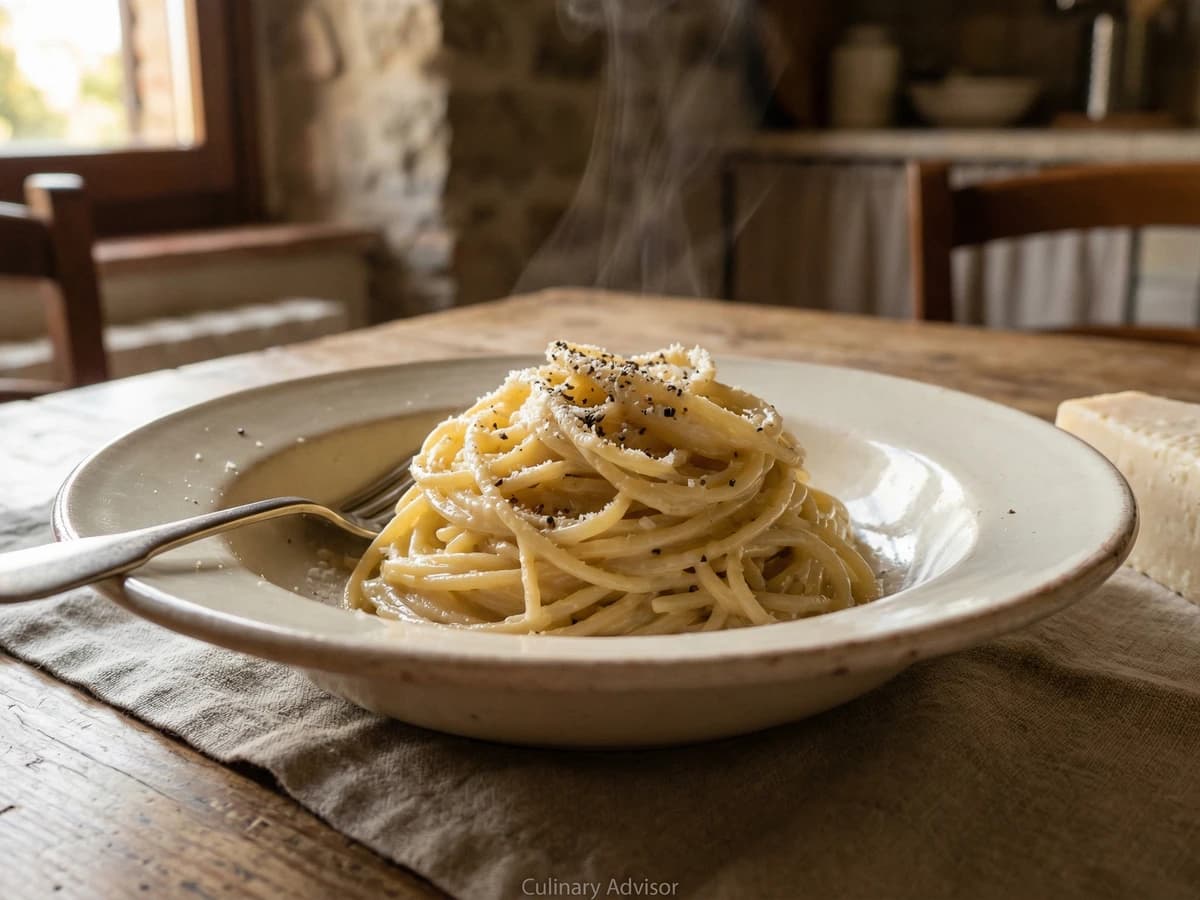
Three ingredients, infinite satisfaction. Real Pecorino Romano, freshly cracked black pepper, and good pasta transformed through nothing but technique and respect for what you have.
Chef Ally
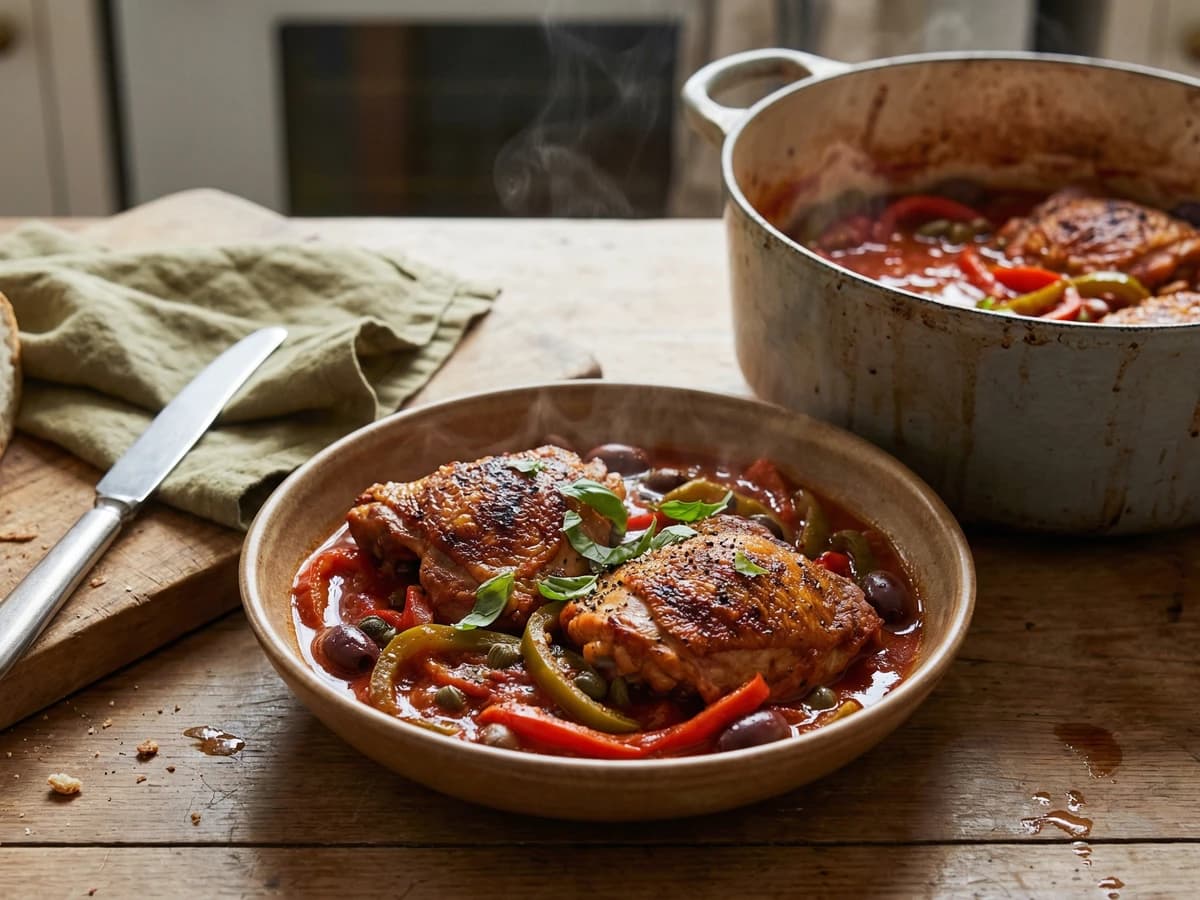
A rustic Italian braise of bone-in chicken simmered with ripe tomatoes, sweet peppers, briny olives, and garden herbs until the meat falls from the bone and the sauce tells you everything about summer.