Chef Graziella
Minestra Maritata
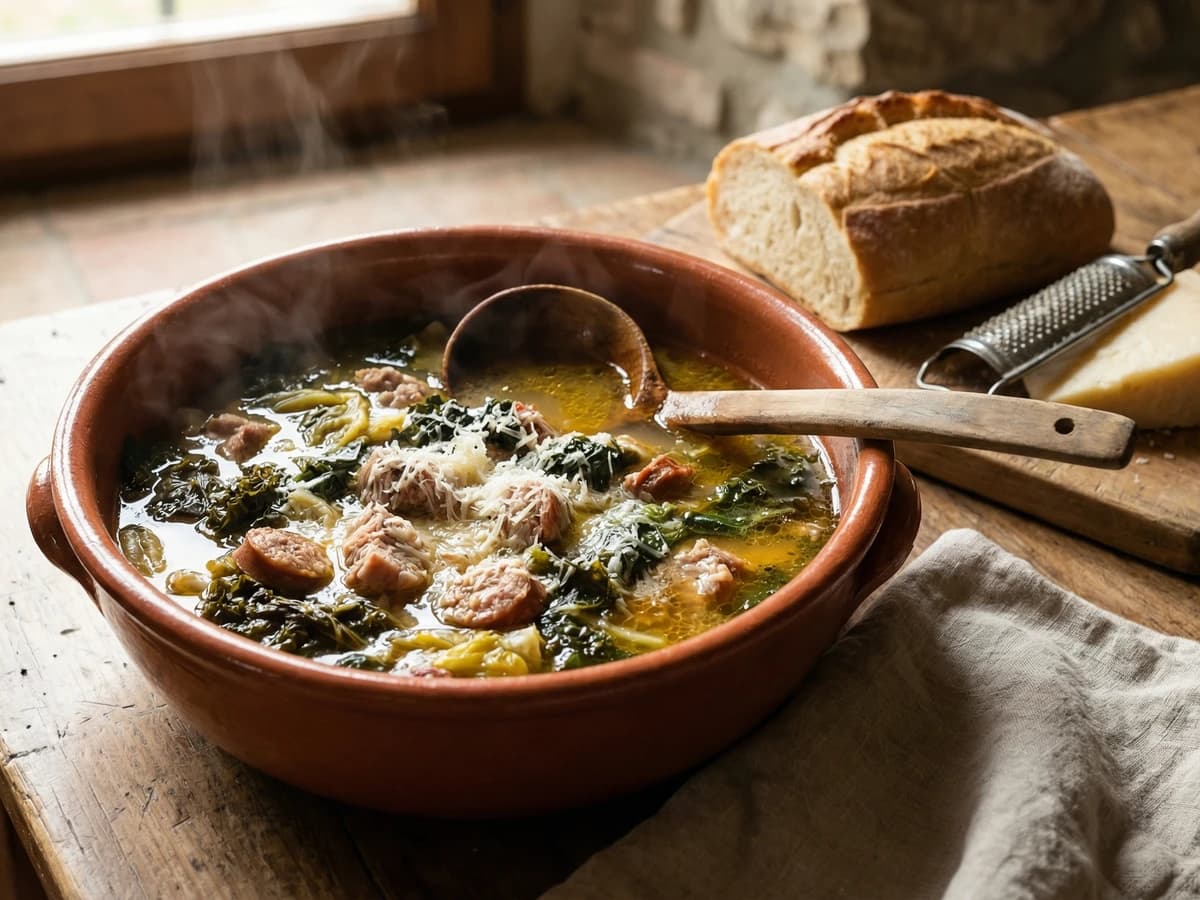
The great married soup of Naples, where bitter winter greens find their match in a broth built from prosciutto bones, pork, and time. This is Christmas dinner in Campania.
A cooking platform built around craft, culture, and the stories behind what we eat.
Created by
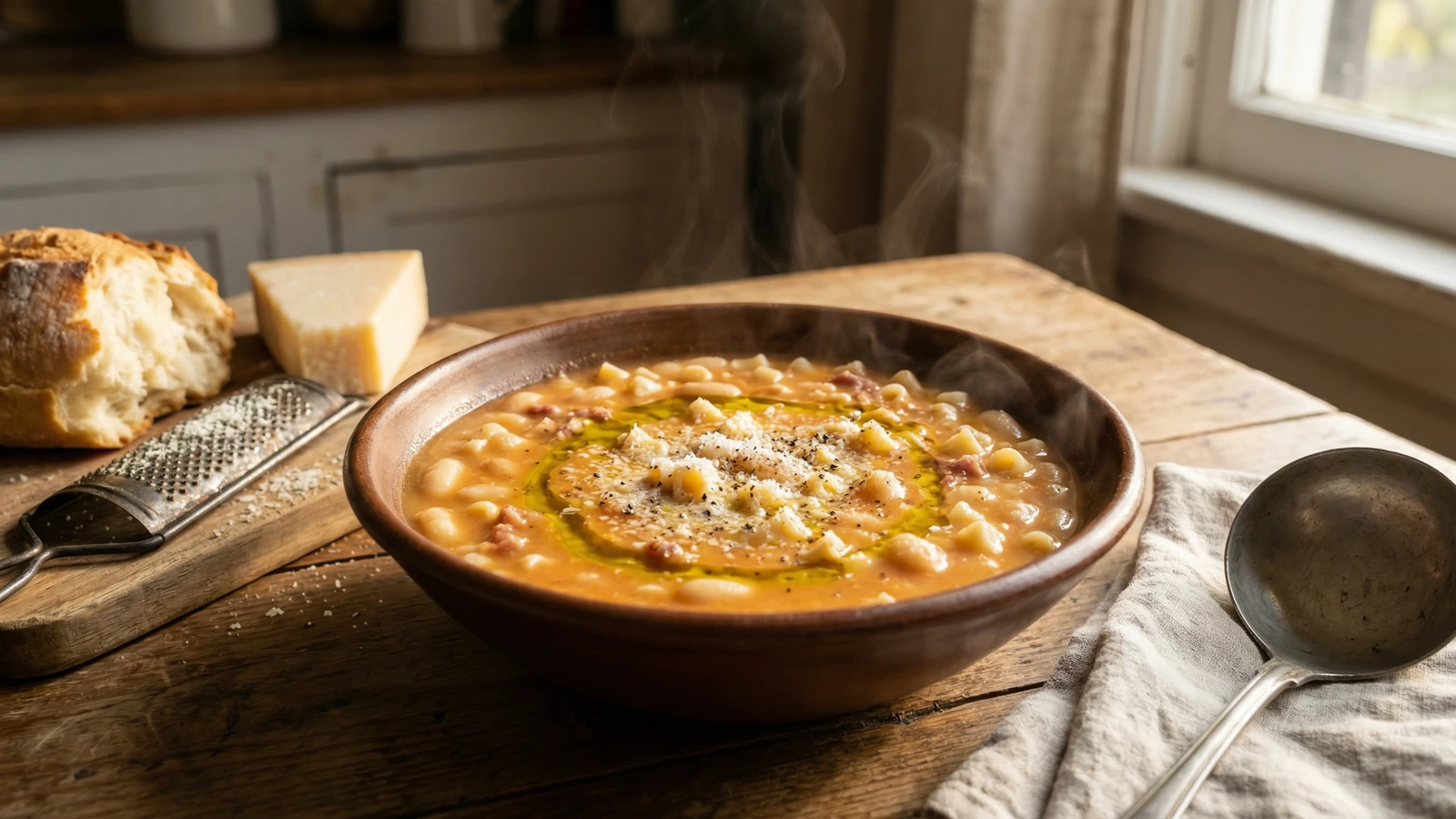
The soup of Naples, where tomatoes brighten white beans and broken pasta swims in a broth fragrant with pork. Nothing like its northern cousins, and just as necessary.
The cooking of Venice is so distant from that of Naples that not a single authentic dish from one is to be found on the other's table. This is never more true than with pasta e fagioli. Venetians make theirs thick, almost a paste, with rice-shaped pasta and no tomato. Neapolitans want broth. They want brightness. They want the red of San Marzano tomatoes cutting through the starch of beans.
In Naples, this is poor food made with rich intention. The broken pasta, pasta mista, was once the sweepings from the pasta factory floor, shapes too small or irregular to sell. Neapolitan housewives bought them cheaply and discovered that the mix of sizes created texture, some pieces soft, some still firm, in a way uniform pasta cannot.
The pork is not optional. Pancetta, prosciutto ends, a ham bone, sometimes sausage. This is what separates soup from broth with beans. The fat renders slowly into the soffritto, perfuming everything that follows. What you keep out is as significant as what you put in, but what you put in must include pork.
Pasta e fagioli appears in Neapolitan cookery texts from the 18th century, when the marriage of New World beans and dried pasta fed the working poor of the city's crowded quarters. The addition of tomatoes came later, after Campania's farmers discovered that the volcanic soil of Vesuvius produced tomatoes of incomparable sweetness. By the 19th century, the dish had become inseparable from Neapolitan identity.
Quantity
1 pound
soaked overnight
Quantity
1/4 cup, plus more for drizzling
Quantity
4 ounces
diced
Quantity
1 medium
diced fine
Quantity
1
diced fine
Quantity
1 small
peeled and diced fine
Quantity
2
lightly crushed and peeled
Quantity
1 sprig
Quantity
1 can (14 ounces)
crushed by hand
Quantity
8 cups
preferably homemade
Quantity
3 inches
Quantity
8 ounces
Quantity
to taste
Quantity
to taste
freshly ground
Quantity
for serving
freshly grated
| Ingredient | Quantity |
|---|---|
| dried cannellini or borlotti beanssoaked overnight | 1 pound |
| extra virgin olive oil | 1/4 cup, plus more for drizzling |
| pancettadiced | 4 ounces |
| yellow oniondiced fine | 1 medium |
| celery stalkdiced fine | 1 |
| carrotpeeled and diced fine | 1 small |
| garlic cloveslightly crushed and peeled | 2 |
| fresh rosemary | 1 sprig |
| San Marzano tomatoescrushed by hand | 1 can (14 ounces) |
| chicken brothpreferably homemade | 8 cups |
| Parmigiano-Reggiano rind | 3 inches |
| pasta mista or ditalini | 8 ounces |
| kosher salt | to taste |
| black pepperfreshly ground | to taste |
| Pecorino Romanofreshly grated | for serving |
Drain the soaked beans and place them in a large pot. Cover with fresh cold water by three inches. Do not add salt. Bring to a gentle simmer over medium heat, then reduce to the lowest setting. Cook until the beans are tender but not falling apart, 45 minutes to one hour depending on age. The skins should remain intact, the interior creamy. Drain the beans, reserving two cups of the cooking liquid.
In a heavy pot, combine the olive oil and diced pancetta. Set over medium-low heat and cook slowly, stirring occasionally, until the pancetta has rendered its fat and the edges are golden and beginning to crisp, about 10 minutes. The fat should be fragrant. This is your foundation.
Add the onion, celery, and carrot to the rendered pancetta. Cook over medium-low heat, stirring occasionally, until the vegetables are completely soft and the onion has turned golden at the edges, 15 to 20 minutes. Add the crushed garlic cloves and the rosemary sprig. Cook one minute more, until the garlic is fragrant. The garlic should not brown. Remove and discard the garlic cloves.
Add the crushed tomatoes and stir well, scraping up any browned bits from the bottom of the pot. Let the tomatoes cook for five minutes until they lose their raw edge. Add the chicken broth, the Parmigiano rind, and half of the cooked beans. Bring to a simmer.
Take the remaining half of the beans and pass them through a food mill or mash them thoroughly with a fork. You want a rough puree, not a smooth one. Stir this into the simmering soup. The puree will thicken the broth and give it body. Let the soup simmer gently for 30 minutes, partially covered. The flavors must marry.
Add the pasta directly to the soup. This is important. The pasta cooks in the soup, releasing starch that further thickens the broth. Stir frequently to prevent sticking. Cook until the pasta is tender but retains some bite, 10 to 15 minutes depending on shape. The soup will thicken considerably. Add reserved bean cooking liquid or additional broth if it becomes too thick. Season with salt and pepper.
Remove the pot from the heat. Fish out and discard the rosemary sprig and cheese rind. Let the soup rest for 10 minutes. It will continue to thicken as it sits. Ladle into warm bowls, drizzle generously with your best olive oil, and pass Pecorino Romano at the table. The olive oil is not a garnish. It is an ingredient. Do not skip it.
1 serving (about 530g)
Culinary guides, cultural storytelling, and the editorial depth that makes cooking meaningful.
Discover Culinary ExplorerChef Graziella
The great married soup of Naples, where bitter winter greens find their match in a broth built from prosciutto bones, pork, and time. This is Christmas dinner in Campania.
Chef Juliette
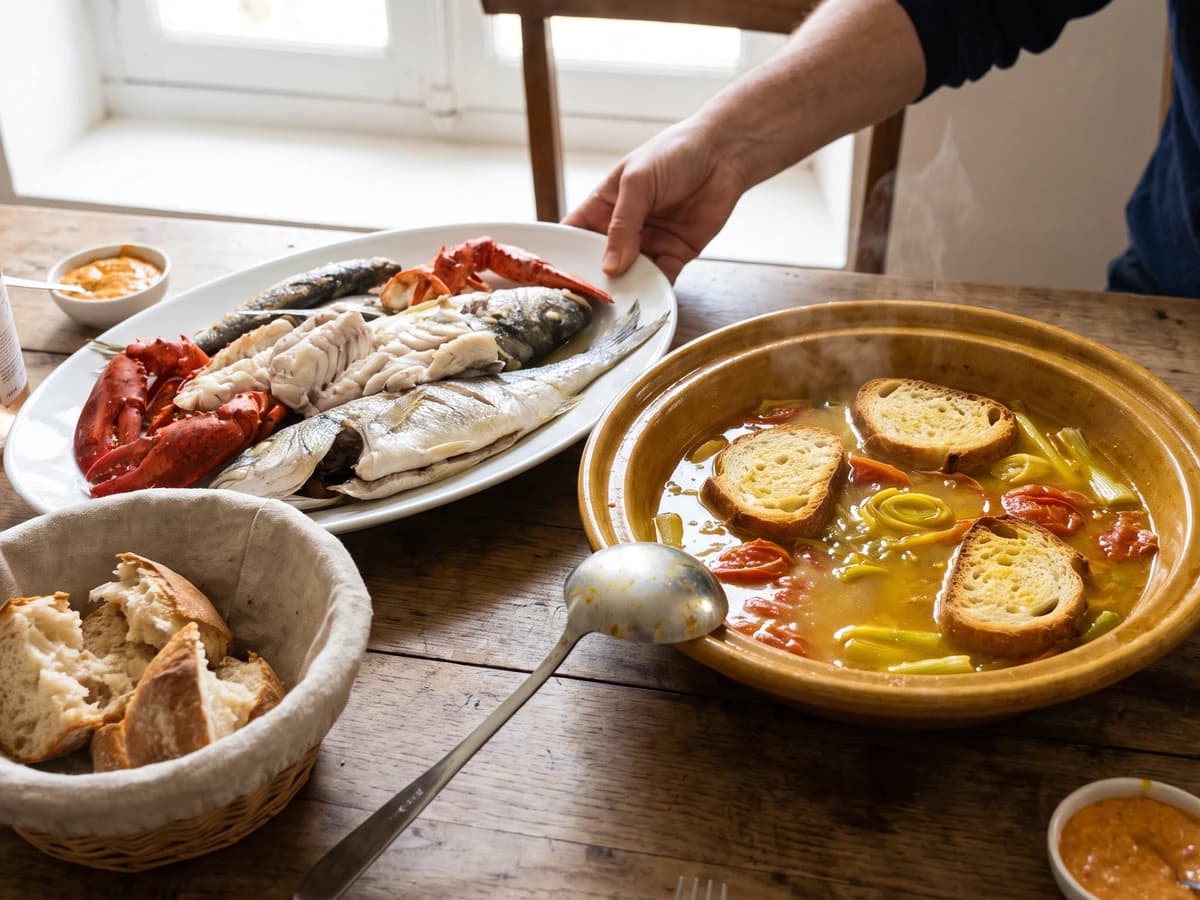
Marseille's great fish stew, saffron-gold and garlic-scented, proves that a hard boil can be the careful choice: it binds olive oil into broth before the whole pot meets bread.
Chef Juliette
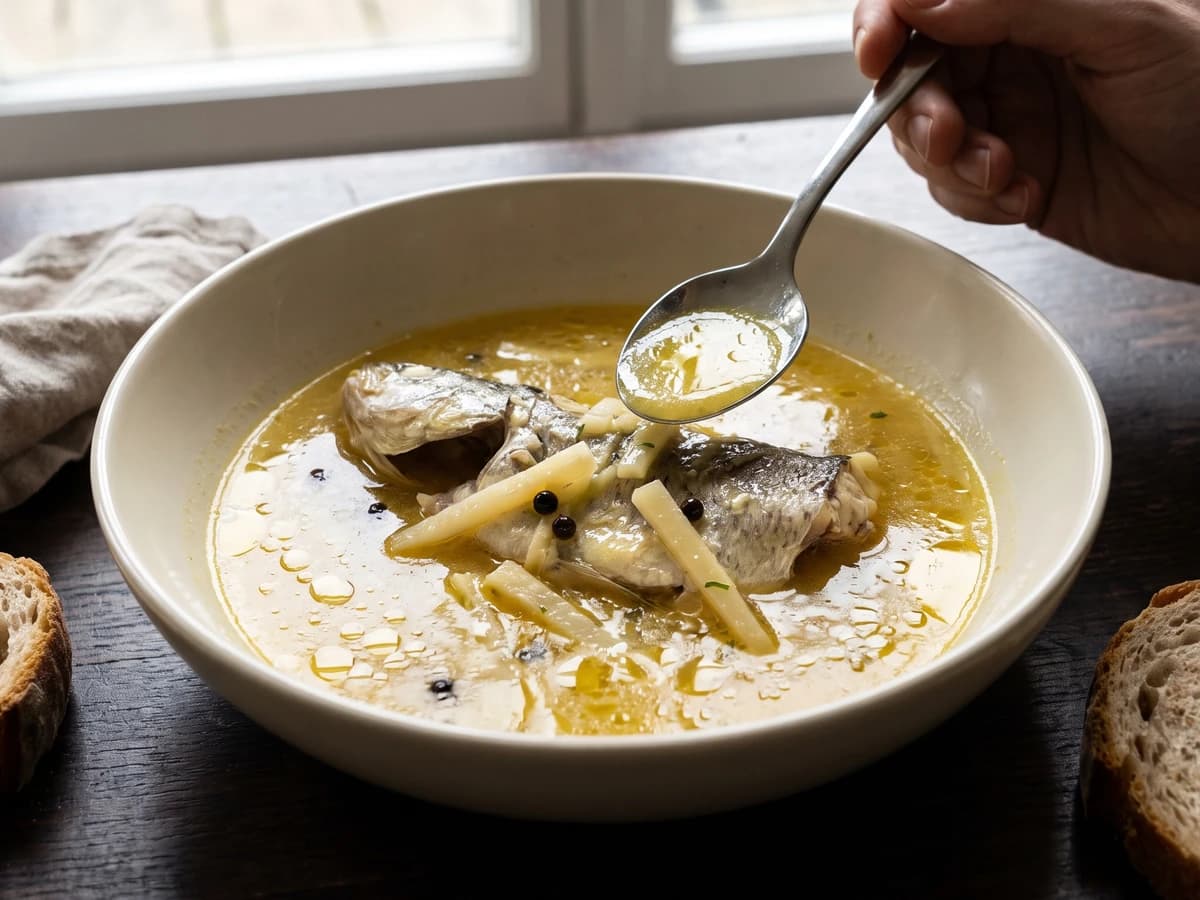
Waterzoi asks fresh, bone-in river fish to thicken its own buttery broth, with parsley root and pepper for company. No flour, no stockpot, just a brisk simmer watched closely.
Chef Juliette
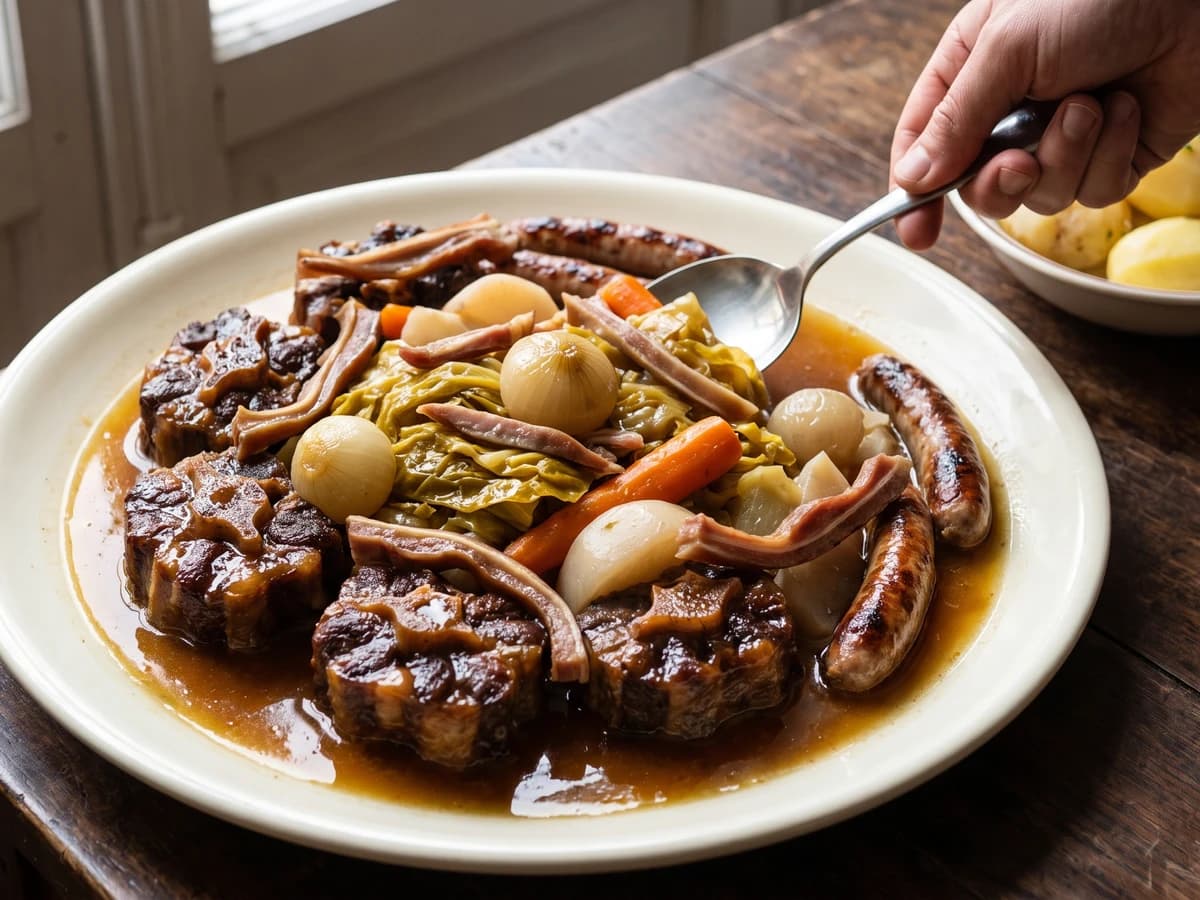
Queue de Bœuf en Hochepot gathers oxtail, pig's trotter and ear, cabbage, roots, and grilled chipolatas around a clear, gelatin-rich broth whose quiet simmer keeps every piece tender and distinct.