Chef Isabel
Acedías Fritas de Cádiz
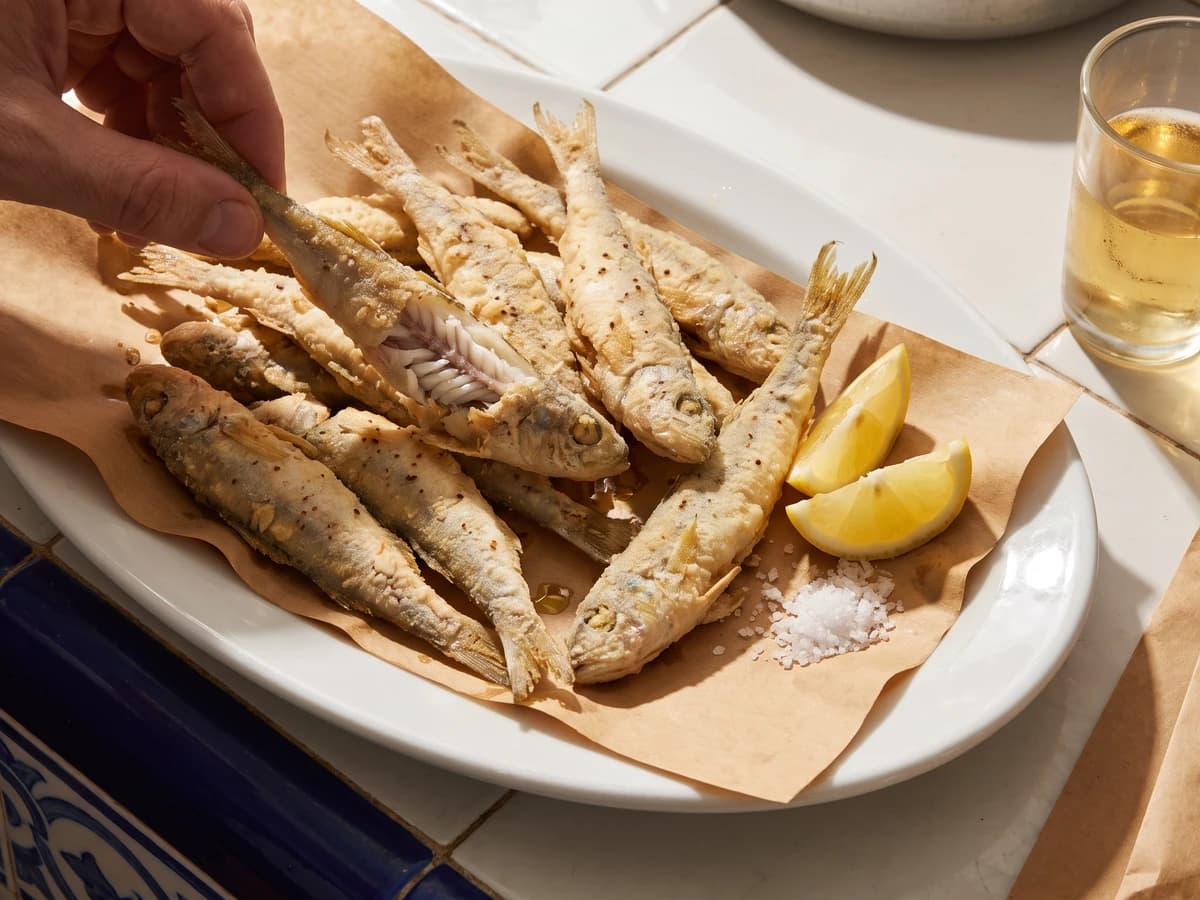
Acedías fritas belong to Cádiz: tiny wedge sole, salted, dusted in frying flour, and dropped into very hot olive oil so the rims crisp while the fish stays tender.
A cooking platform built around craft, culture, and the stories behind what we eat.

Created by
Navajas gratinadas are Galician razor clams opened fast on the griddle, then browned under a light cover of jamón, cheese, and crumbs. Keep the heat fierce and brief.
Navajas gratinadas are Galician, from the rías where razor clams live in clean sand and come to the table in their own long shells. What makes them this dish, and not a neighbour's baked clam, is the light hand: the navaja is opened a la plancha, spooned with a small cover of jamón, mild Galician cheese, and crumbs, then browned before the meat has time to toughen.
The method that decides it is the heat. Razor clams are tender for a short minute and stubborn after that, so I open them on a very hot pan, save the briny liquor, and let the broiler do only the browning. The topping should sit like a thin crust, damp with clam juice and olive oil, not like a blanket. You want crisp crumbs, a little jamón salt, and the sweet sea taste still first.
Far from Galicia, buy live Atlantic razor clams if you can. If not, use zamburiñas or small scallops on the half shell; they are sweeter and less briny, so use a lighter hand with the cheese and give them a minute less under the grill. No canned clam here; it gives you salt and water, not navajas. In the Margin beside this one I wrote, do not bury the clam. Siempre sale, si lo sigues.
Navajas belong to the sandy banks of Galicia's rias, especially the Atlantic inlets where shellfish gatherers work by tide and the market changes with the water. The common Galician treatment is a la plancha with garlic, parsley, oil, and lemon, because the flesh is thin and sweet and punishes delay. Gratinadas are the feast-table cousin: jamón, breadcrumbs, and a mild cow's-milk cheese give a browned cover while the clam stays the reason for the dish.
Quantity
24, about 1kg
scrubbed and checked alive
Quantity
1L
for purging
Quantity
35g
for purging
Quantity
45ml
divided
Quantity
80g
very finely chopped
Quantity
2 cloves
very finely chopped
Quantity
60g
finely diced
Quantity
60ml
preferably Albariño or Ribeiro
Quantity
60ml
strained from the opened clams
Quantity
35g
Quantity
35g
finely grated
Quantity
8g
finely chopped
Quantity
1/4 teaspoon
Quantity
1
cut into wedges
| Ingredient | Quantity |
|---|---|
| live razor clamsscrubbed and checked alive | 24, about 1kg |
| cold waterfor purging | 1L |
| fine sea saltfor purging | 35g |
| extra virgin olive oildivided | 45ml |
| white onionvery finely chopped | 80g |
| garlicvery finely chopped | 2 cloves |
| jamón serranofinely diced | 60g |
| dry white winepreferably Albariño or Ribeiro | 60ml |
| reserved clam liquorstrained from the opened clams | 60ml |
| fresh breadcrumbs | 35g |
| San Simón da Costa, Arzúa-Ulloa, or mild melting cheesefinely grated | 35g |
| flat-leaf parsleyfinely chopped | 8g |
| freshly ground black pepper | 1/4 teaspoon |
| lemon (optional)cut into wedges | 1 |
Dissolve 35g sea salt in 1L cold water in a tall bowl. Stand the razor clams upright, the way they sat in the sand, and chill them for 1 hour, or up to 2 hours if they came very sandy. Lift them out of the water, leaving the grit behind, and rinse under cold running water. A live navaja smells clean and closes or tightens when touched; if one smells sour or stays gaping, throw it away.
Set a heavy plancha or wide frying pan over high heat until a drop of water skates and vanishes. Add the clams in one layer, cover, and cook 60 to 90 seconds, lifting each one out as it opens. Work in batches so they do not stew in their own liquor. Tip any juices from the pan into a cup; that is the taste of the ria, and it goes back into the topping.
When cool enough to handle, remove the empty top shell from each clam and keep the deeper shell. Loosen the meat, trim away any gritty dark sand pocket if you see one, cut long clams into 2 or 3 bite-size pieces, and put the meat back in its shell. Strain the collected clam liquor through a fine sieve or coffee filter; stop before the last gritty spoonful.
Warm 30ml olive oil in a small pan over low heat. Add the onion and cook 8 to 10 minutes, stirring often, until soft, sweet, and pale gold; this little sofrito, the slow onion base, gives the crumbs body without stealing the shellfish. Add the garlic for 1 minute, then the jamón for 30 seconds. Pour in the wine and 60ml strained clam liquor and simmer until only a glossy few spoonfuls remain.
Take the pan off the heat. Stir in the breadcrumbs, cheese, parsley, pepper, and remaining 15ml olive oil. The mixture should be loose and damp, not dry. If it clumps heavily, add 1 teaspoon more clam liquor; if it runs, add 1 teaspoon breadcrumbs. Pésalo, no lo adivines, then adjust by the spoon, not by panic.
Heat the broiler, the top grill of the oven, to high and set a rack about 10cm below it. Arrange the shells on a rimmed tray, braced on coarse salt or crumpled foil so they do not tip. Spoon about 1 heaped teaspoon, roughly 6g, of topping over each clam. Keep a little of the meat visible at the edges; if all you can see is bread and cheese, you've hidden the reason you bought navajas.
Slide the tray under the broiler for 2 to 3 minutes, watching the whole time, until the crumbs are golden in spots and the cheese has just melted. The clam meat should look opaque and glossy, not curled tight. Serve at once with lemon wedges, and let each person add a squeeze if they want it. Siempre sale, si lo sigues.
1 serving (about 140g)
Culinary guides, cultural storytelling, and the editorial depth that makes cooking meaningful.
Discover Culinary ExplorerChef Isabel
Acedías fritas belong to Cádiz: tiny wedge sole, salted, dusted in frying flour, and dropped into very hot olive oil so the rims crisp while the fish stays tender.
Chef Isabel
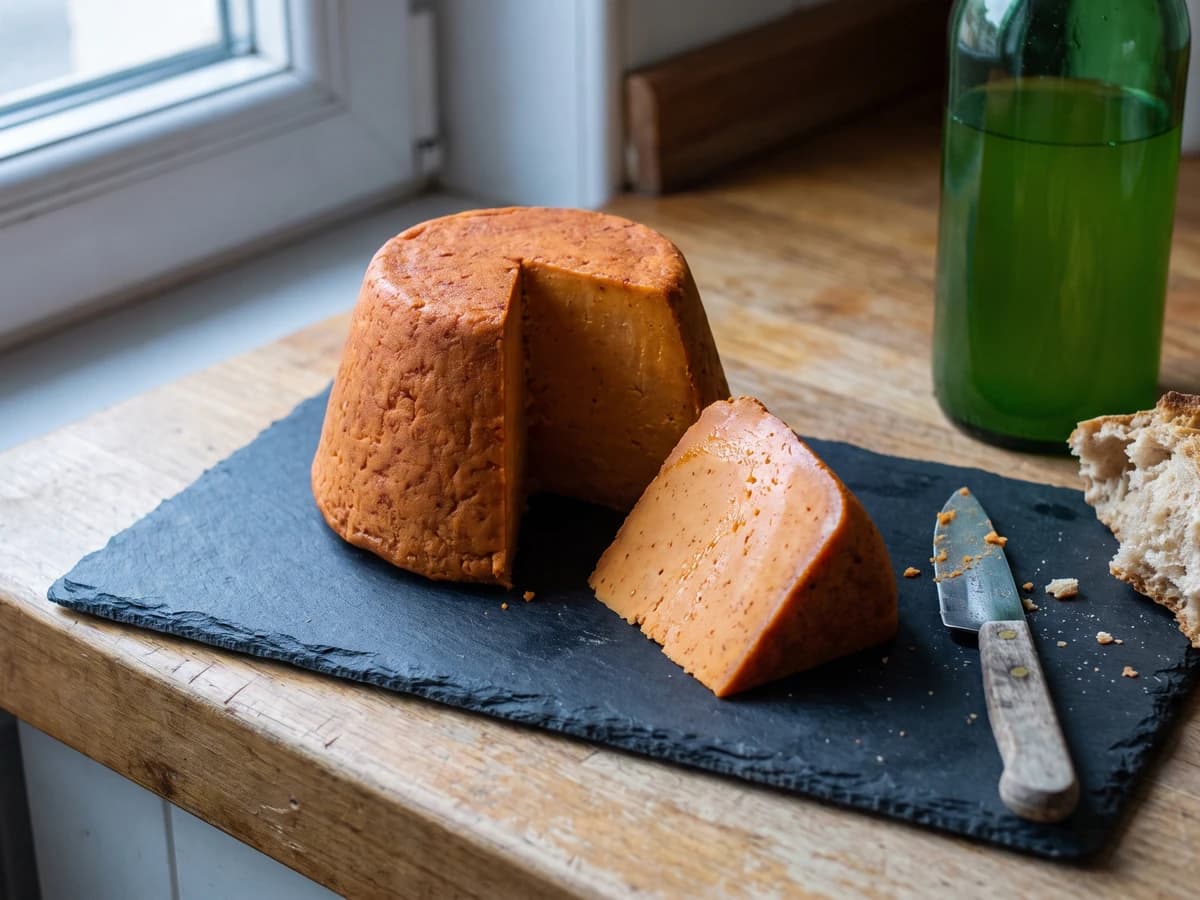
Afuega'l Pitu Roxu is Asturias in a small cheese: cow's milk set slowly to a dense curd, drained without squeezing, then kneaded with pimentón until it turns orange and grips the throat.
Chef Isabel
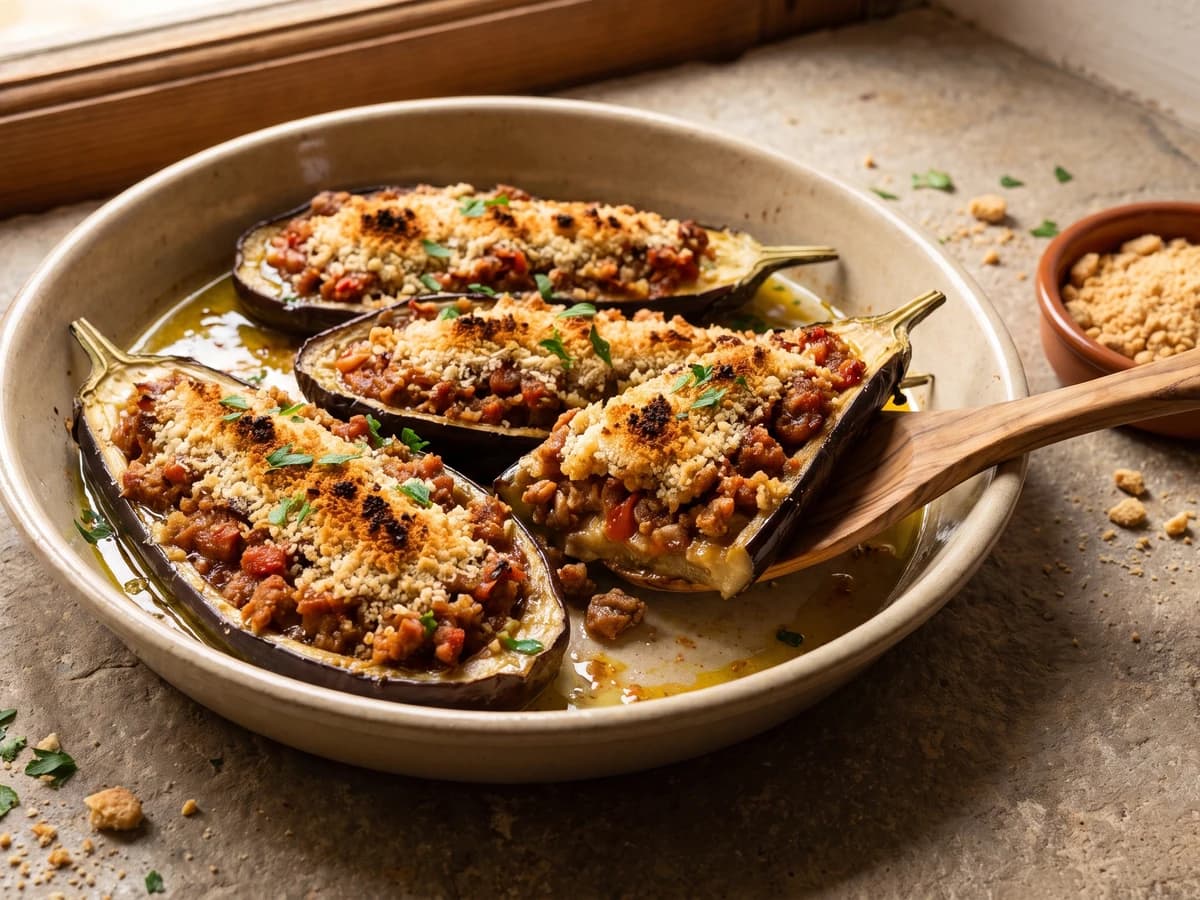
Albergínies farcides are Mallorca's summer stuffed aubergines: tender boiled shells, a slow pork sofrito with moraduix, and a plain breadcrumb cap baked until the top turns crisp and golden.

Chef Isabel
Carxofes farcides are Catalan stuffed artichokes: tender hearts filled with jamón, slow sweet onion, and breadcrumbs, then baked in a light creamy sauce until the tops turn golden.