Chef Thomas
All-Butter Shortbread Fingers
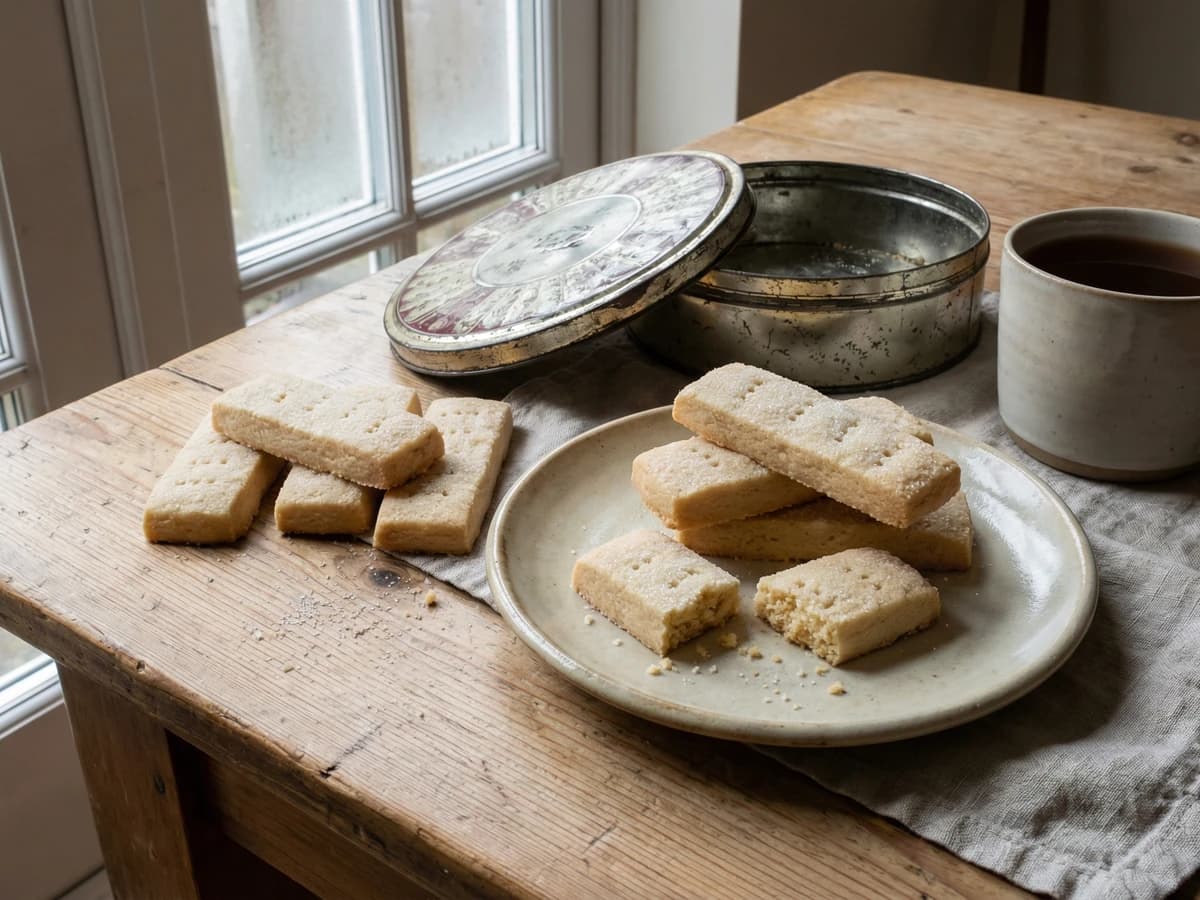
The plainest biscuit in the tin and the hardest one to stop eating, three ingredients and a slow oven turning good butter into something quietly perfect with a cup of tea.
A cooking platform built around craft, culture, and the stories behind what we eat.

Created by Chef Thomas
Buttery shortbread, thick caramel cooked slow and patient from a tin of condensed milk, and dark chocolate set in a clean snap over the top. Three layers in one tin, none of them difficult, all of them generous.
There's a particular smell that fills the kitchen when butter and brown sugar and condensed milk start to come together over a low heat. Toffee, but warmer. Toast, but sweeter. The kind of smell that makes whoever else is in the house drift toward the kitchen without quite knowing why. This is a recipe to make on a wet afternoon when you've nowhere to be and an hour or two to spend properly.
Millionaire's shortbread is three things stacked on top of each other and pretending to be one. A buttery shortbread base. A thick layer of caramel cooked patiently from a tin of condensed milk. A snap of dark chocolate over the top. None of it is complicated. All of it asks for a bit of attention. We're only making dinner, except this isn't dinner, it's the thing you take to a friend's house in a tin and watch disappear before the kettle has boiled.
The trick, if there is one, is patience with the caramel. You stand over the pan and stir, and stir, and then stir some more, and just when you start to suspect nothing is happening, it changes. The colour deepens. The texture thickens. It pulls away from the bottom of the pan in slow, glossy folds. That's the moment. Take it off the heat.
I made a tin of these last week to take somewhere and there were none left to bring home. I wrote it down in the notebook: shortbread, caramel, chocolate, gone. There are few better feelings than putting a tin like this in front of people and watching it empty.
Quantity
175g
softened
Quantity
75g
Quantity
250g
Quantity
pinch
Quantity
100g
Quantity
100g
Quantity
2 tablespoons
Quantity
1 tin (397g)
Quantity
200g
60-70% cocoa solids, broken into pieces
Quantity
a few pinches
| Ingredient | Quantity |
|---|---|
| unsalted butter (for the shortbread)softened | 175g |
| caster sugar | 75g |
| plain flour | 250g |
| fine sea salt | pinch |
| unsalted butter (for the caramel) | 100g |
| light brown soft sugar | 100g |
| golden syrup | 2 tablespoons |
| sweetened condensed milk | 1 tin (397g) |
| good dark chocolate60-70% cocoa solids, broken into pieces | 200g |
| flaky sea salt (optional) | a few pinches |
Heat the oven to 170C/150C fan. Line a 20cm square tin with baking parchment, leaving an overhang on two sides so you can lift the whole slab out later. Beat the soft butter and caster sugar together until pale and creamy. Add the flour and a pinch of salt and bring it together with your hands into a soft, slightly crumbly dough. Don't overwork it. Press it evenly into the lined tin, smooth the top with the back of a spoon, and prick it all over with a fork. Bake for twenty to twenty-five minutes, until it's pale gold at the edges and just firm to the touch. Set aside to cool completely in the tin.
Put the butter, brown sugar, golden syrup, and condensed milk into a heavy-bottomed saucepan. Set it over a low heat and stir gently until the butter has melted and everything has come together into a pale, sandy liquid. Don't rush this bit. The sugar needs to dissolve completely before you turn the heat up, otherwise the caramel will be grainy.
Now turn the heat up to medium and keep stirring. This is the bit that asks for patience. The mixture will bubble and foam and look stubbornly the same for a long time, and then, all at once, it starts to change. The colour deepens from pale gold to amber to a rich, dark toffee. The texture thickens. It pulls away from the bottom of the pan in slow, glossy folds and smells unmistakably of toffee, warm and buttery and faintly burnt at the edges in the best possible way. That's the moment. Take it off the heat.
Pour the hot caramel over the cooled shortbread base and tilt the tin gently to spread it into the corners. Let it cool at room temperature for an hour or so, then move the tin to the fridge for another thirty minutes until the caramel is properly set and no longer tacky to the touch. If you put the chocolate on too soon, the layers will slide around when you cut them.
Melt the chocolate in a heatproof bowl set over a pan of barely simmering water. Stir until smooth and glossy, then take it off the heat and let it cool for a couple of minutes so it isn't piping hot when it meets the caramel. Pour it over the set caramel and tilt the tin so it spreads evenly into the corners. If you fancy, scatter a few flakes of sea salt over the top while the chocolate is still wet. The salt against the sweetness is one of those small things that turns a good square into a quietly splendid one.
Lift the whole slab out of the tin using the parchment overhang and place it on a board. Take a sharp knife, dip the blade in a jug of hot water, wipe it dry, and cut into squares or fingers, whichever you prefer. The hot knife slices cleanly through the chocolate without shattering it. Wipe the blade between cuts. Sixteen generous squares from a 20cm tin, or twenty smaller ones if you're feeding a crowd.
1 serving (about 84g)
Culinary guides, cultural storytelling, and the editorial depth that makes cooking meaningful.
Discover Culinary ExplorerChef Thomas
The plainest biscuit in the tin and the hardest one to stop eating, three ingredients and a slow oven turning good butter into something quietly perfect with a cup of tea.
Chef Thomas
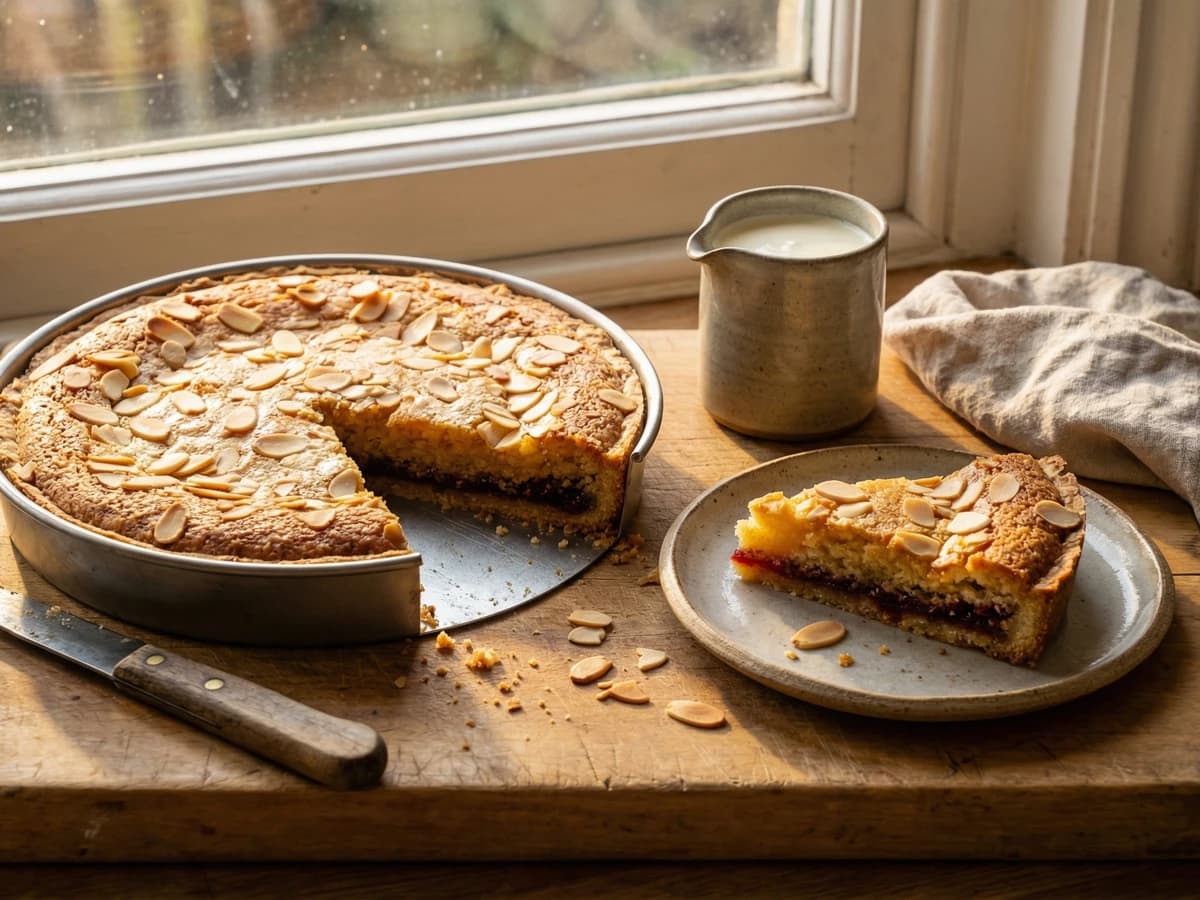
A proper Bakewell tart with buttery shortcrust, a thick layer of raspberry jam, and almond frangipane baked golden under a scattering of flaked almonds. No icing. No nonsense.
Chef Thomas
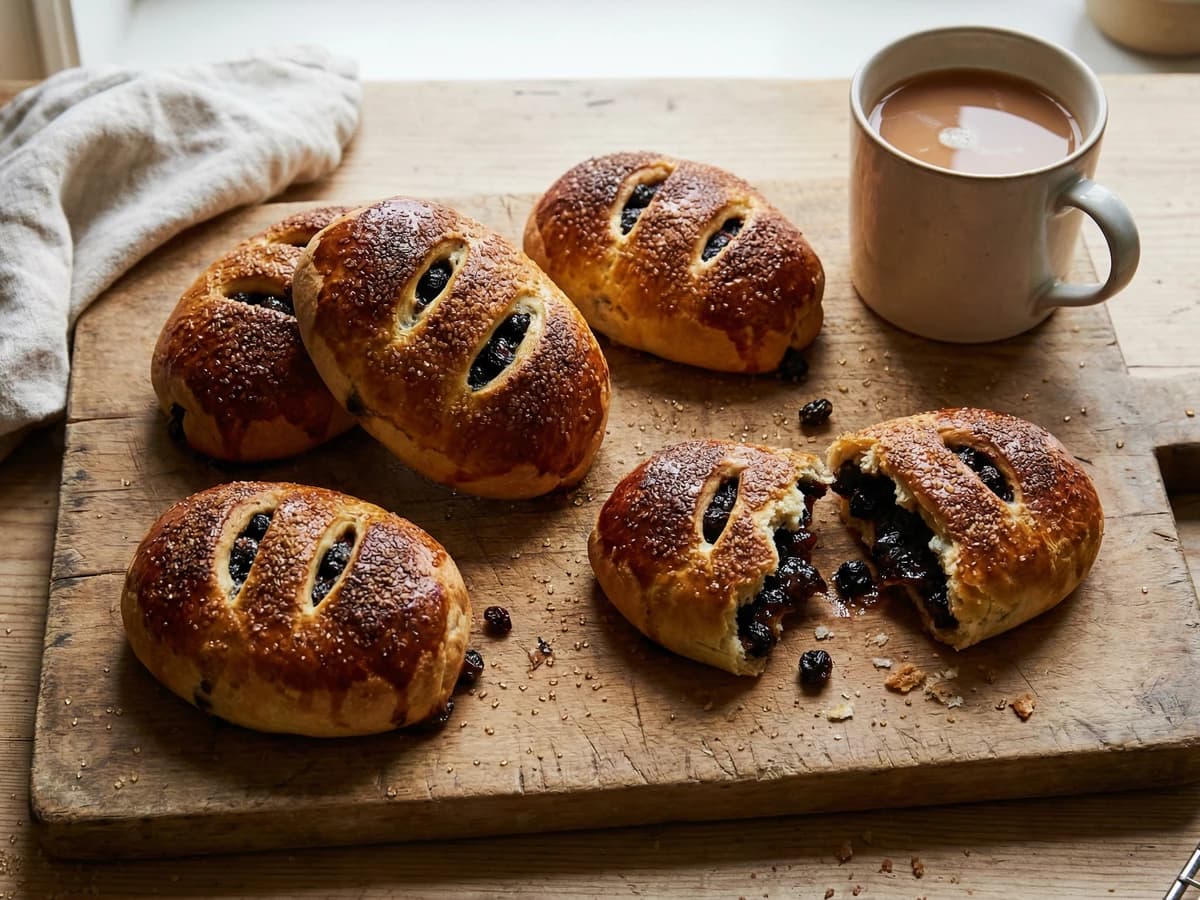
Oval pastries filled with rum-soaked currants and spice, baked until the tops crackle with sugar. The kind of thing to make on a wet Sunday afternoon when you want the kitchen to smell of something.
Chef Thomas
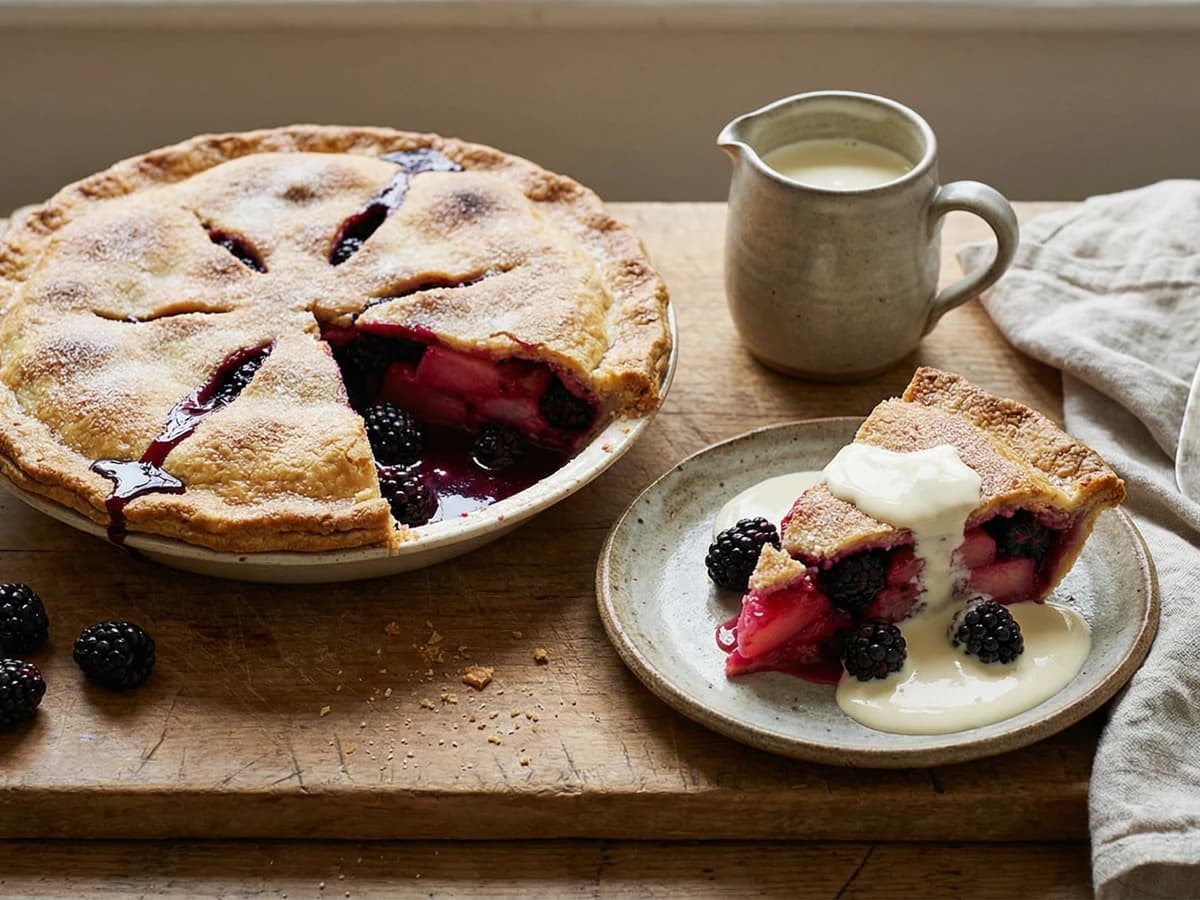
A proper hedgerow pie of Bramley apples and blackberries under a sugar-crusted pastry lid, the kind of pudding that turns a Sunday in September into something you'll remember.