Chef Remy
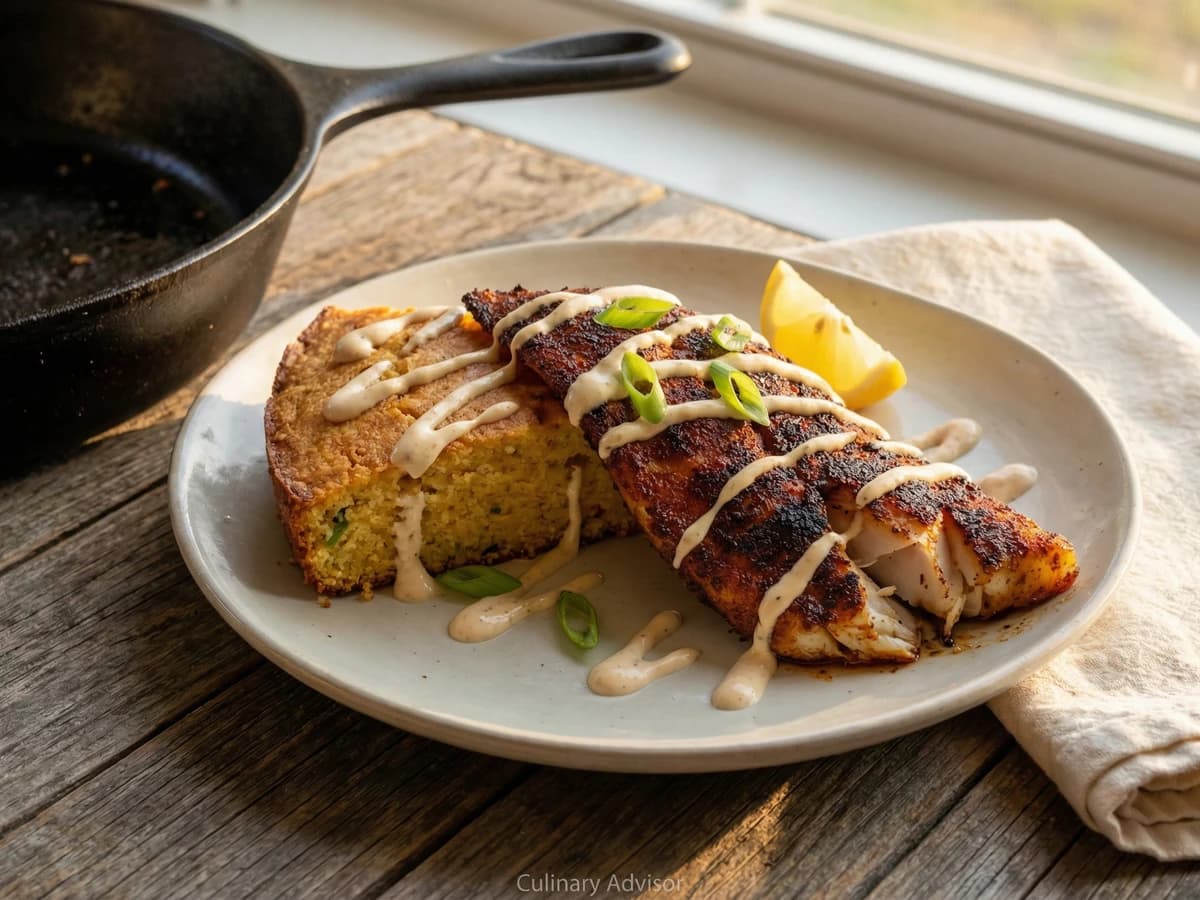
Blackened Catfish on Jalapeno Cornbread
Crispy-crusted catfish kissed with fire and spice, resting on a wedge of tender jalapeno-studded cornbread, finished with a tangy Creole remoulade that ties the whole beautiful mess together.
A cooking platform built around craft, culture, and the stories behind what we eat.

Created by
Fork-tender pork shoulder rubbed with Memphis spices, smoked low and slow until it surrenders to the gentlest tug, piled high on a soft bun with tangy slaw and just enough sauce to remind you where you are.
Memphis gave America something precious: the understanding that pork shoulder, treated with patience and smoke, becomes transcendent. This is not fast food. This is slow food in the truest sense, born from pitmasters who understood that time itself is an ingredient.
The Memphis tradition stands apart from its regional cousins. Where Kansas City drowns its meat in molasses-thick sauce, and the Carolinas argue endlessly about vinegar versus mustard, Memphis lets the meat speak first. The dry rub builds a bark so flavorful you could eat it like candy. The sauce, tomato-based with a vinegar backbone, arrives as accompaniment rather than mask. And that coleslaw on top isn't garnish. It's architecture, providing cool crunch against warm, fatty pork.
I've eaten pulled pork at Beale Street joints and backyard cookouts across the Delta. The best versions share one quality: restraint in everything except time. Twelve hours of smoke transforms a cheap cut into something approaching the divine. You'll build that same transformation in your own backyard, or your oven if weather or circumstance demands it.
The sandwich itself is a study in contrasts. Soft bun yields to shredded meat yields to crisp slaw. Sweet rub plays against tangy sauce. Rich pork fat cuts through sharp cabbage. Every bite contains all of it. This is food that requires napkins, demands second helpings, and creates memories.
Quantity
8-10 pounds
Quantity
1/4 cup
Quantity
2 tablespoons
Quantity
2 tablespoons
Quantity
1 tablespoon
Quantity
1 tablespoon
Quantity
1 tablespoon
Quantity
2 teaspoons
Quantity
1 teaspoon
Quantity
1 teaspoon
Quantity
1 cup
Quantity
1/2 cup
Quantity
1/4 cup
Quantity
2 tablespoons
Quantity
1 tablespoon
Quantity
1 teaspoon
Quantity
1/2 teaspoon
Quantity
1/2 teaspoon
Quantity
1/2 cup
Quantity
1 small head (about 2 pounds)
cored and thinly sliced
Quantity
2 medium
peeled and grated
Quantity
3/4 cup
Quantity
2 tablespoons
Quantity
1 tablespoon
Quantity
1/2 teaspoon
Quantity
to taste
Quantity
12-16
Quantity
for serving
| Ingredient | Quantity |
|---|---|
| bone-in pork shoulder (Boston butt) | 8-10 pounds |
| paprika | 1/4 cup |
| dark brown sugar (for rub) | 2 tablespoons |
| kosher salt | 2 tablespoons |
| freshly ground black pepper | 1 tablespoon |
| garlic powder (for rub) | 1 tablespoon |
| onion powder | 1 tablespoon |
| cayenne pepper (for rub) | 2 teaspoons |
| dried oregano | 1 teaspoon |
| dried thyme | 1 teaspoon |
| ketchup | 1 cup |
| apple cider vinegar (for sauce) | 1/2 cup |
| dark brown sugar (for sauce) | 1/4 cup |
| yellow mustard | 2 tablespoons |
| Worcestershire sauce | 1 tablespoon |
| garlic powder (for sauce) | 1 teaspoon |
| cayenne pepper (for sauce) | 1/2 teaspoon |
| freshly ground black pepper (for sauce) | 1/2 teaspoon |
| water | 1/2 cup |
| green cabbagecored and thinly sliced | 1 small head (about 2 pounds) |
| carrotspeeled and grated | 2 medium |
| mayonnaise | 3/4 cup |
| apple cider vinegar (for slaw) | 2 tablespoons |
| sugar | 1 tablespoon |
| celery seed | 1/2 teaspoon |
| kosher salt and black pepper | to taste |
| soft hamburger buns or potato rolls | 12-16 |
| dill pickle chips (optional) | for serving |
Combine the paprika, two tablespoons brown sugar, salt, black pepper, garlic powder, onion powder, cayenne, oregano, and thyme in a bowl. Stir until the brown sugar breaks up and everything looks uniform. This rub has enough sugar to build bark but not so much that it burns over a long cook. You'll have more than you need. Store the extra in a jar.
Remove the pork shoulder from its packaging and pat it completely dry with paper towels. Moisture is the enemy of bark. Apply the rub generously over every surface, using your hands to press it into the meat. Don't be timid. You want a thick coating that looks almost excessive. The fat cap can stay; it will baste the meat as it renders.
Place the rubbed shoulder on a wire rack set over a sheet pan and refrigerate uncovered for at least four hours, preferably overnight. The salt will penetrate the meat while the surface dries, creating the foundation for a magnificent bark. The color will darken as the spices bloom.
Prepare your smoker for indirect cooking at 225°F. This is the temperature that transforms collagen into gelatin without drying the meat. Hickory is traditional for Memphis barbecue, though oak or pecan work beautifully. Add your wood chunks to the coals once they've ashed over. You want thin blue smoke, not billowing white clouds that taste acrid.
Place the pork shoulder fat-side up on the cooler side of the smoker, away from direct heat. Insert a probe thermometer into the thickest part, avoiding the bone. Close the lid and resist the urge to peek for at least three hours. Every time you open that lid, you add thirty minutes to your cook time.
After about six hours, the internal temperature will plateau somewhere between 150°F and 170°F. This is the stall, when evaporative cooling from the meat's surface moisture fights your heat. Be patient. This phase can last two to four hours. The meat is not stuck; it is transforming. Push through without raising the temperature.
The pork is ready when the internal temperature reaches 195°F to 205°F and a probe slides into the meat like a knife through warm butter. The bone should wiggle freely when you grab it. This takes ten to fourteen hours depending on your specific cut, your smoker, and the weather. Trust temperature and feel over time.
Transfer the finished shoulder to a cutting board and tent loosely with foil. Rest for at least thirty minutes, up to two hours. This allows the juices to redistribute and the temperature to equalize. A rested shoulder pulls more easily and stays moister. Do not skip this step.
While the pork rests, combine the ketchup, half cup vinegar, quarter cup brown sugar, mustard, Worcestershire, garlic powder, cayenne, black pepper, and water in a saucepan. Bring to a simmer over medium heat, stirring to dissolve the sugar. Reduce heat and cook for fifteen minutes until slightly thickened. Taste and adjust: more vinegar for tang, more sugar for sweetness, more cayenne for heat. This sauce should complement, not compete.
Toss the sliced cabbage and grated carrots in a large bowl. In a smaller bowl, whisk together the mayonnaise, two tablespoons vinegar, sugar, and celery seed. Pour the dressing over the vegetables and toss until everything is coated. Season with salt and pepper. Refrigerate until serving. The slaw will soften slightly as it sits, which is fine. You want some flexibility, not raw crunch.
Remove the bone from the rested shoulder; it should slide out cleanly. Pull the meat apart using two forks or your hands (wear gloves if the pork is still hot). Work with the grain initially, then across it to create strands of varied length. Remove any large pockets of pure fat, but leave the smaller bits. They carry flavor. Chop the bark into small pieces and fold them back into the pulled meat. This distributes the seasoning and texture throughout.
Taste the pulled meat. It will likely need more salt. Add it now. Drizzle a few tablespoons of the sauce over the meat and toss to coat lightly. You want the pork seasoned, not sauced. Serve extra sauce on the side for those who want more. Memphis style respects the meat first, sauce second.
Toast the buns lightly if you prefer, though a soft untoasted bun is equally traditional. Pile a generous mound of pulled pork on the bottom bun, at least a quarter pound per sandwich. Top with a heap of coleslaw. The ratio matters: enough slaw to provide crunch and contrast but not so much that pork falls out the sides. Crown with the top bun and press gently. Serve with pickle chips alongside and extra sauce for dipping.
1 sandwich (about 380g)
Culinary guides, cultural storytelling, and the editorial depth that makes cooking meaningful.
Discover Culinary ExplorerChef Remy
Crispy-crusted catfish kissed with fire and spice, resting on a wedge of tender jalapeno-studded cornbread, finished with a tangy Creole remoulade that ties the whole beautiful mess together.
Chef Dean
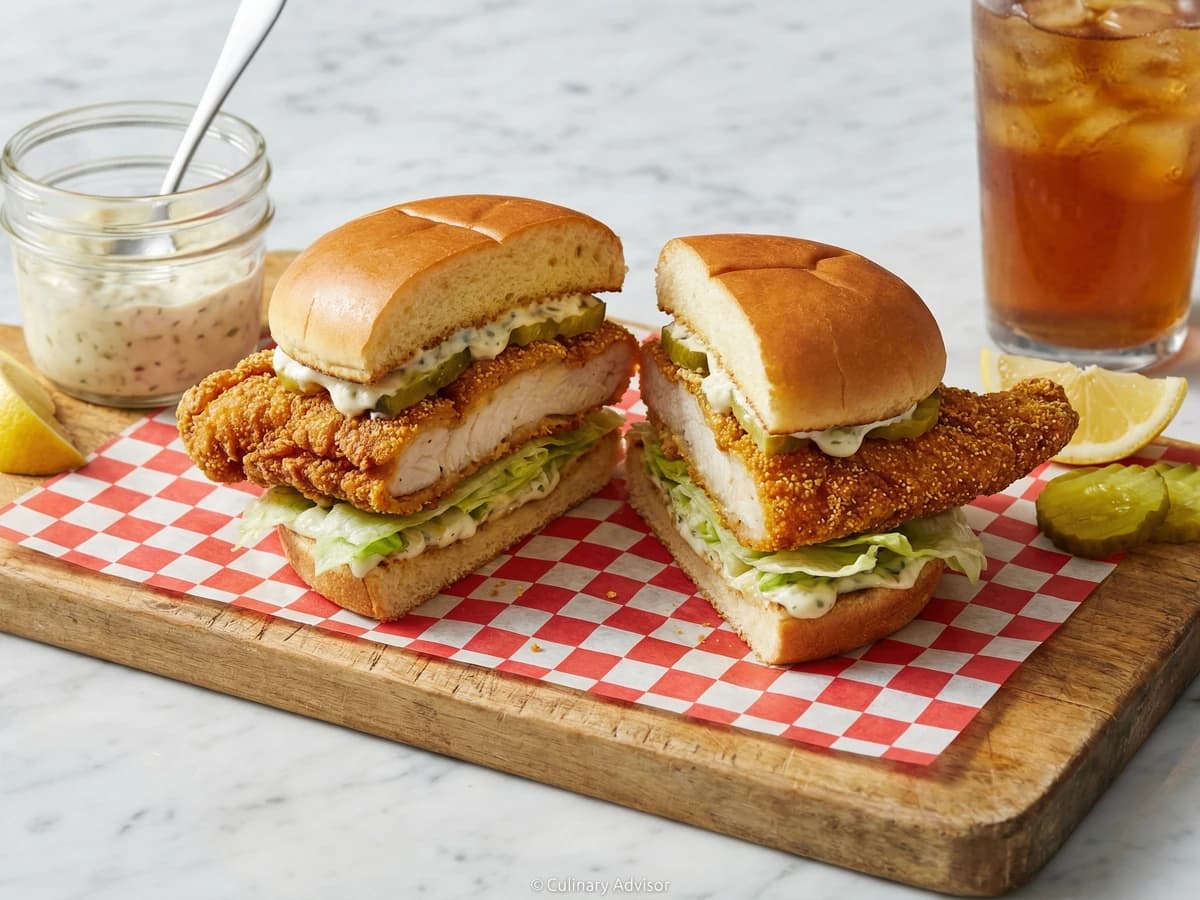
A Mississippi Delta classic built on cornmeal-crusted catfish fried to a shattering golden crust, layered with cool tartar sauce and briny pickles on a soft buttered bun that yields to every bite.
Chef Dean
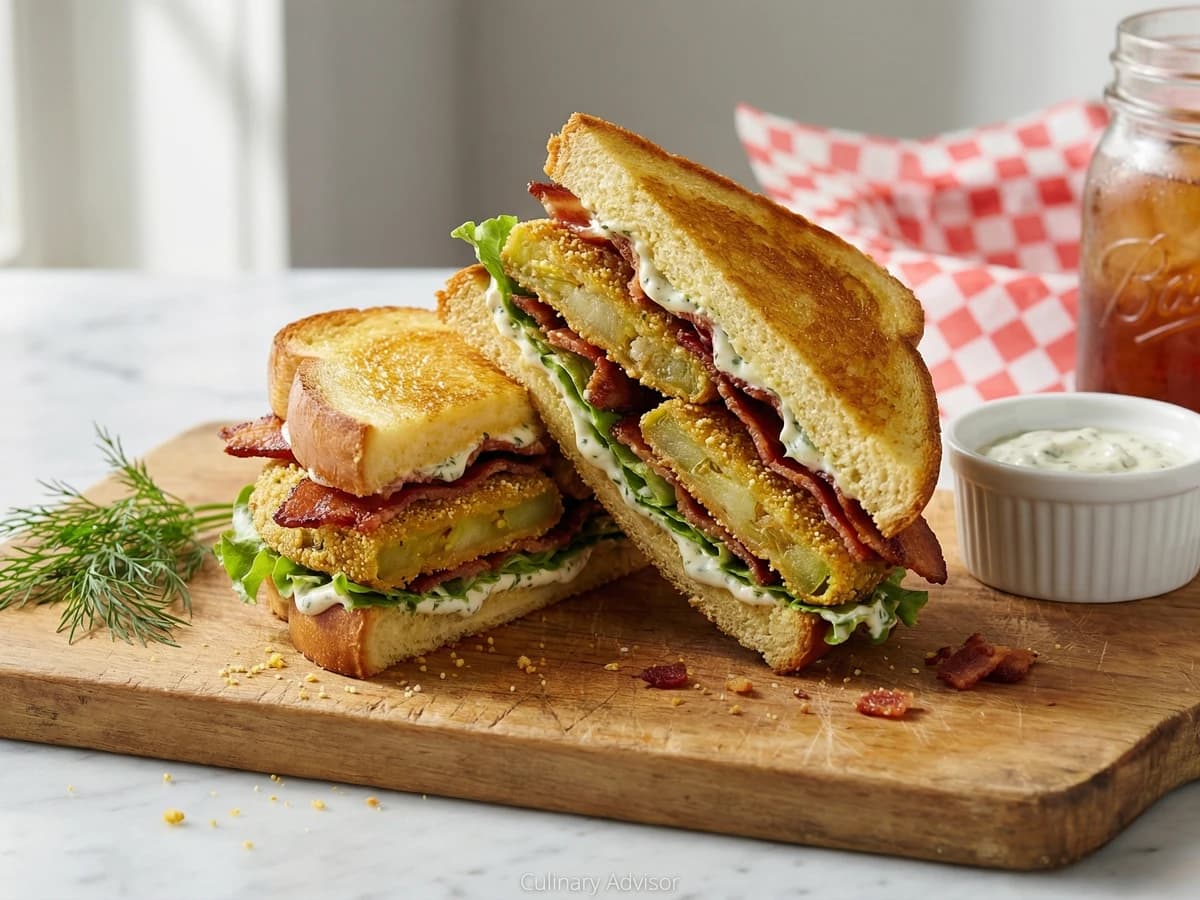
A tangy, crunchy reinvention of the American diner classic, where cornmeal-crusted green tomatoes replace their ripe cousins, layered with shatteringly crisp bacon, cool lettuce, and a peppery herb mayo on bread toasted golden and honest.
Chef Dean
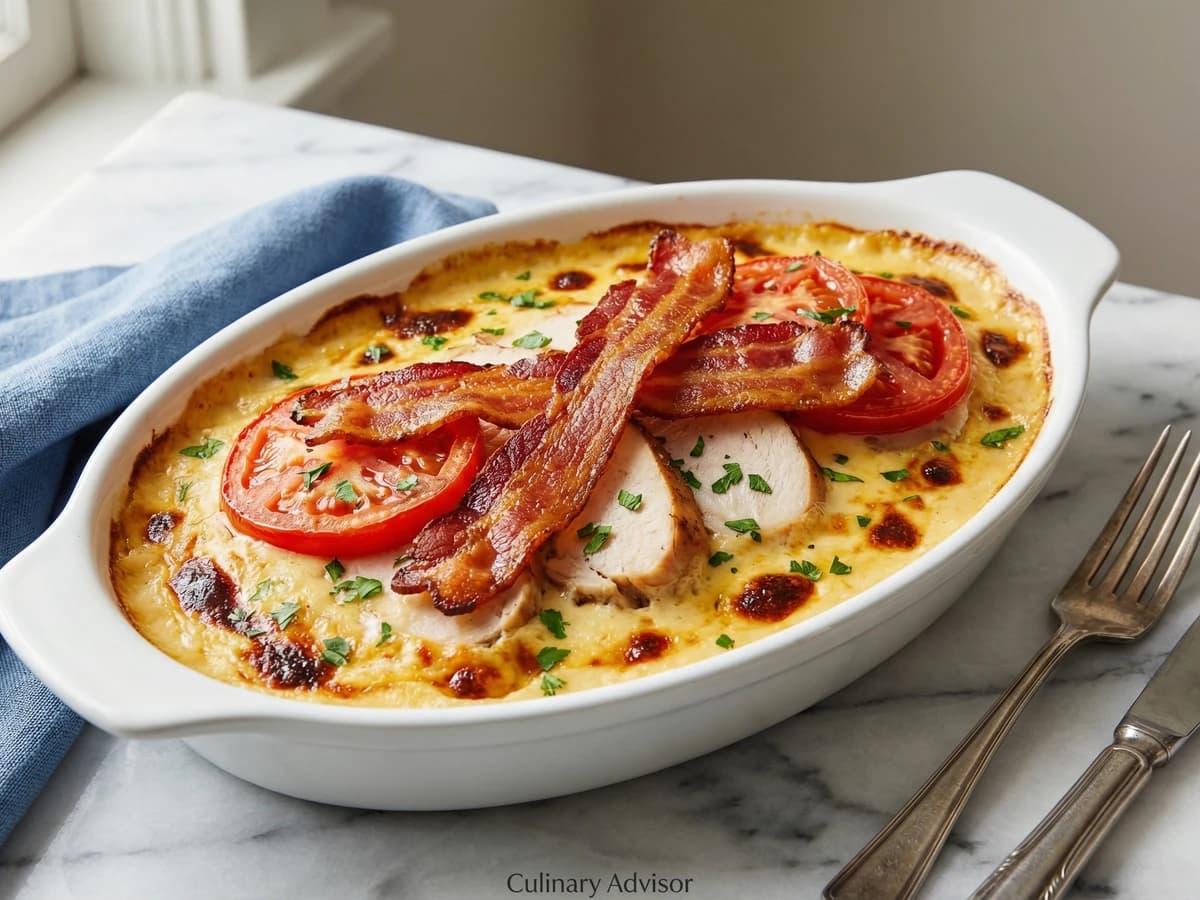
Louisville's legendary open-faced sandwich: thick-sliced roasted turkey piled on toast, blanketed in bubbling Mornay sauce, crowned with crispy bacon and ripe tomato, then broiled until gloriously golden and irresistible.