
Chef Dean
Beef on Weck
Buffalo's proudest sandwich: silky rare roast beef mounded on a crusty roll showered with caraway and coarse salt, the top dipped in warm jus, the whole thing demanding horseradish and a cold beer.
A cooking platform built around craft, culture, and the stories behind what we eat.

Created by
The iconic New York bodega breakfast: shattering-crisp bacon, a golden-yolked fried egg, and molten American cheese tucked into a soft kaiser roll. This is the sandwich that built a city.
In New York, ordering a bacon egg and cheese is an act of citizenship. It comes out as one word: baconeggandcheese. The counterman doesn't need clarification. He knows what you mean, and he's already cracking the egg before you finish saying it.
This sandwich has fueled construction workers, nurses finishing night shifts, bankers running late, and students who slept through their alarms since before anyone thought to document such things. It costs five dollars. It takes three minutes. It delivers more satisfaction per bite than sandwiches costing ten times as much.
The technique is deceptively simple. You render bacon until it shatters. You fry an egg in the rendered fat. You melt American cheese over everything while the roll warms. The proportions matter: too much filling and the roll can't contain it; too little and you've made a snack instead of a meal. The New York deli man has been perfecting this ratio for generations. Today, you learn his secrets.
Quantity
3 slices
Quantity
1
Quantity
2 slices
Quantity
1
split
Quantity
1 tablespoon
softened
Quantity
to taste
Quantity
to taste
freshly cracked
Quantity
for serving
Quantity
for serving
| Ingredient | Quantity |
|---|---|
| thick-cut bacon | 3 slices |
| large egg | 1 |
| American cheese | 2 slices |
| kaiser rollsplit | 1 |
| unsalted buttersoftened | 1 tablespoon |
| kosher salt | to taste |
| black pepperfreshly cracked | to taste |
| ketchup (optional) | for serving |
| hot sauce (optional) | for serving |
Lay bacon strips in a cold skillet, then set over medium heat. Starting cold allows the fat to render slowly, producing bacon that's crisp throughout rather than burnt at the edges and flabby in the middle. Cook for 8 to 10 minutes, flipping occasionally, until the bacon is deeply golden and rigid enough to snap when bent. Transfer to a paper towel-lined plate. Reserve the rendered fat in the pan.
While the bacon finishes, split your kaiser roll and spread the cut sides with softened butter. Place cut-side down in a separate skillet over medium heat, or on the flat top if you have one. Toast until golden brown, about 2 minutes. The exterior should develop color while the interior stays soft. Set aside but keep warm.
Pour off all but about one tablespoon of bacon fat from the skillet. Return to medium heat. Crack the egg directly into the shimmering fat. The white should sizzle immediately and begin to set at the edges, turning lacy and golden. Season with salt and pepper. Cook until the white is fully set but the yolk remains runny, about 2 to 3 minutes for over-easy. For a firmer yolk, flip carefully and cook 30 seconds more.
Lay both slices of American cheese directly over the fried egg while still in the pan. Add a splash of water, maybe two teaspoons, and immediately cover with a lid. The steam will melt the cheese in about 30 seconds, creating a glossy blanket over the egg without overcooking the yolk. Remove from heat the moment the cheese goes molten.
Work quickly now. Place the bacon strips on the bottom half of the toasted roll, laying them in the same direction so they don't slide out when you bite. Use a spatula to transfer the cheese-covered egg directly on top of the bacon. The cheese should drape over the edges slightly. Crown with the top half of the roll and press gently to marry everything together.
For the authentic experience, wrap the sandwich tightly in aluminum foil and let it rest for one minute. This brief steam allows the roll to absorb some of the rendered fat and egg yolk, softening it just enough while keeping the bacon crisp. Unwrap at the table. Apply ketchup or hot sauce if that's your preference. Eat immediately, preferably standing at a counter or walking briskly to the subway.
1 serving (about 236g)
Culinary guides, cultural storytelling, and the editorial depth that makes cooking meaningful.
Discover Culinary ExplorerChef Dean
Buffalo's proudest sandwich: silky rare roast beef mounded on a crusty roll showered with caraway and coarse salt, the top dipped in warm jus, the whole thing demanding horseradish and a cold beer.

Chef Dean
Shatteringly crisp beer-battered halibut piled on a buttery bun with tangy homemade tartar sauce and crunchy coleslaw. This is the Pacific Northwest on a plate, the kind of sandwich worth driving to the coast for.
Chef Dean
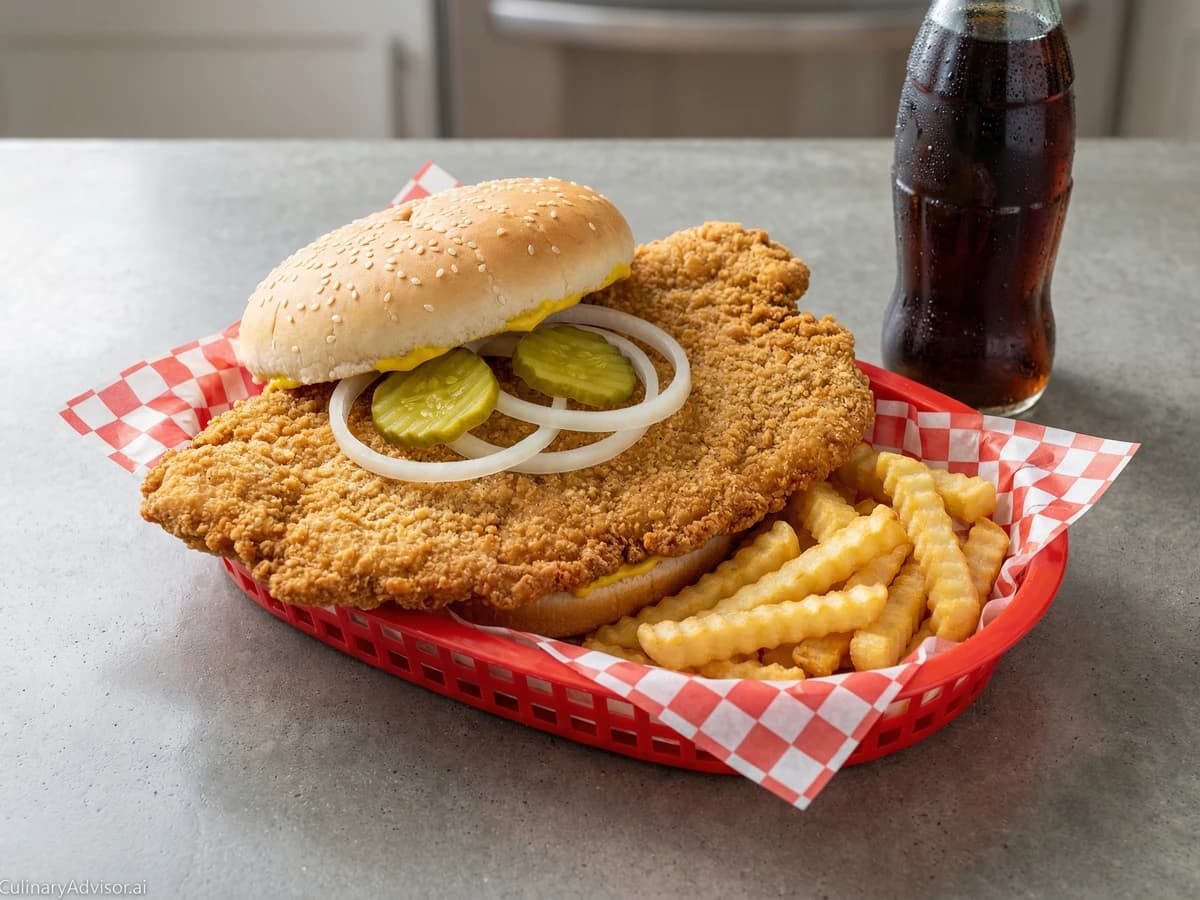
A pork cutlet pounded thin as a playing card, coated in seasoned cracker crumbs, and fried until it sprawls gloriously past the edges of its bun. This is Indiana on a plate.

Chef Dean
An all-beef frankfurter loaded with mustard, neon relish, onion, tomato, pickle, and fiery sport peppers on a steamed poppy seed bun. This is Chicago's gift to American street food, assembled with precision and eaten with pride.