
Chef Dean
Baked Chicken Parmesan
Golden-crusted chicken cutlets blanketed in robust marinara and stretchy mozzarella, baked until the cheese bubbles and browns at the edges. This is the dish that made Italian-American cooking famous.
A cooking platform built around craft, culture, and the stories behind what we eat.

Created by
Silky ricotta melting into warm pasta, brightened with fresh lemon zest and a shower of parmesan. A dish that proves the best cooking is knowing when to step aside.
Good ricotta needs almost nothing done to it. When you find the real thing, fresh from a dairy or farmers market, still soft and slightly sweet, you understand why Italian cooks have built entire cuisines around letting ingredients speak.
This pasta is an exercise in restraint. You cook the noodles. You toss them with ricotta loosened by pasta water and sharpened with lemon. You finish with parmesan and herbs. That is all. The technique takes fifteen minutes. Finding the ricotta worth making it with takes longer, and that search is the whole point.
Every meal is a meaningful choice. The ricotta you buy supports a farmer, a cheesemaker, a way of doing things. When you taste the difference between fresh ricotta and the grainy supermarket version, you understand what you have been missing. Your choices shape the food system, one bowl of pasta at a time.
Quantity
1 pound
spaghetti, linguine, or rigatoni
Quantity
1 1/2 cups
Quantity
1 cup
finely grated, plus more for serving
Quantity
2
zested and juiced (about 3 tablespoons juice)
Quantity
3 tablespoons, plus more for finishing
Quantity
2 cloves
minced
Quantity
1/2 teaspoon, plus more for pasta water
Quantity
1/2 teaspoon
freshly cracked
Quantity
1/4 cup
torn
Quantity
2 tablespoons
finely sliced
Quantity
pinch
| Ingredient | Quantity |
|---|---|
| pastaspaghetti, linguine, or rigatoni | 1 pound |
| fresh whole-milk ricotta | 1 1/2 cups |
| Parmigiano-Reggianofinely grated, plus more for serving | 1 cup |
| lemonszested and juiced (about 3 tablespoons juice) | 2 |
| extra-virgin olive oil | 3 tablespoons, plus more for finishing |
| garlicminced | 2 cloves |
| fine sea salt | 1/2 teaspoon, plus more for pasta water |
| black pepperfreshly cracked | 1/2 teaspoon |
| fresh basil leavestorn | 1/4 cup |
| fresh chivesfinely sliced | 2 tablespoons |
| red pepper flakes (optional) | pinch |
In a large bowl, combine the ricotta, half of the parmesan, all of the lemon zest, two tablespoons of the lemon juice, salt, and pepper. Stir until smooth and creamy. Taste it. The mixture should be bright and slightly tangy. Adjust the lemon if your lemons are particularly mild.
Bring a large pot of water to a rolling boil. Salt it generously until it tastes like the sea. Add the pasta and cook until just shy of al dente, about one minute less than the package suggests. The pasta will finish cooking in the sauce. Reserve one and a half cups of pasta water before draining.
While the pasta cooks, warm the olive oil in a small pan over low heat. Add the minced garlic and let it soften for two minutes, stirring occasionally. You want fragrance, not color. The moment you smell it, pull the pan from the heat. Burnt garlic is bitter garlic.
Add the warm garlic oil to the ricotta mixture along with half a cup of the starchy pasta water. Whisk until you have a smooth, creamy sauce. It should flow easily but still coat a spoon. Add more pasta water if needed. The starch in that water is what makes the sauce cling.
Add the drained pasta directly to the bowl with the ricotta sauce. Toss vigorously, lifting and turning the noodles so every strand gets coated. The residual heat will warm the sauce without cooking it. If it seems tight, add another splash of pasta water. The sauce should be silky, not thick.
Fold in the torn basil and most of the chives, reserving some for garnish. Taste. Adjust salt if needed, add the remaining lemon juice if you want more brightness. Divide among warm bowls. Finish each portion with the remaining parmesan, reserved chives, a drizzle of good olive oil, and red pepper flakes if you like heat. Serve immediately.
1 serving (about 360g)
Culinary guides, cultural storytelling, and the editorial depth that makes cooking meaningful.
Discover Culinary ExplorerChef Dean
Golden-crusted chicken cutlets blanketed in robust marinara and stretchy mozzarella, baked until the cheese bubbles and browns at the edges. This is the dish that made Italian-American cooking famous.

Chef Dean
Ridged ziti tubes cradling a slow-simmered meat sauce, layered with creamy ricotta and buried under a blanket of molten mozzarella that blisters golden in the oven. This is the dish that ends arguments and fills bellies.

Chef Ally
The iconic Tuscan steak: two inches of well-marbled beef, seared over a roaring fire, rested until the juices settle, then sliced and dressed with nothing but olive oil, rosemary, and sea salt.
Chef Ally
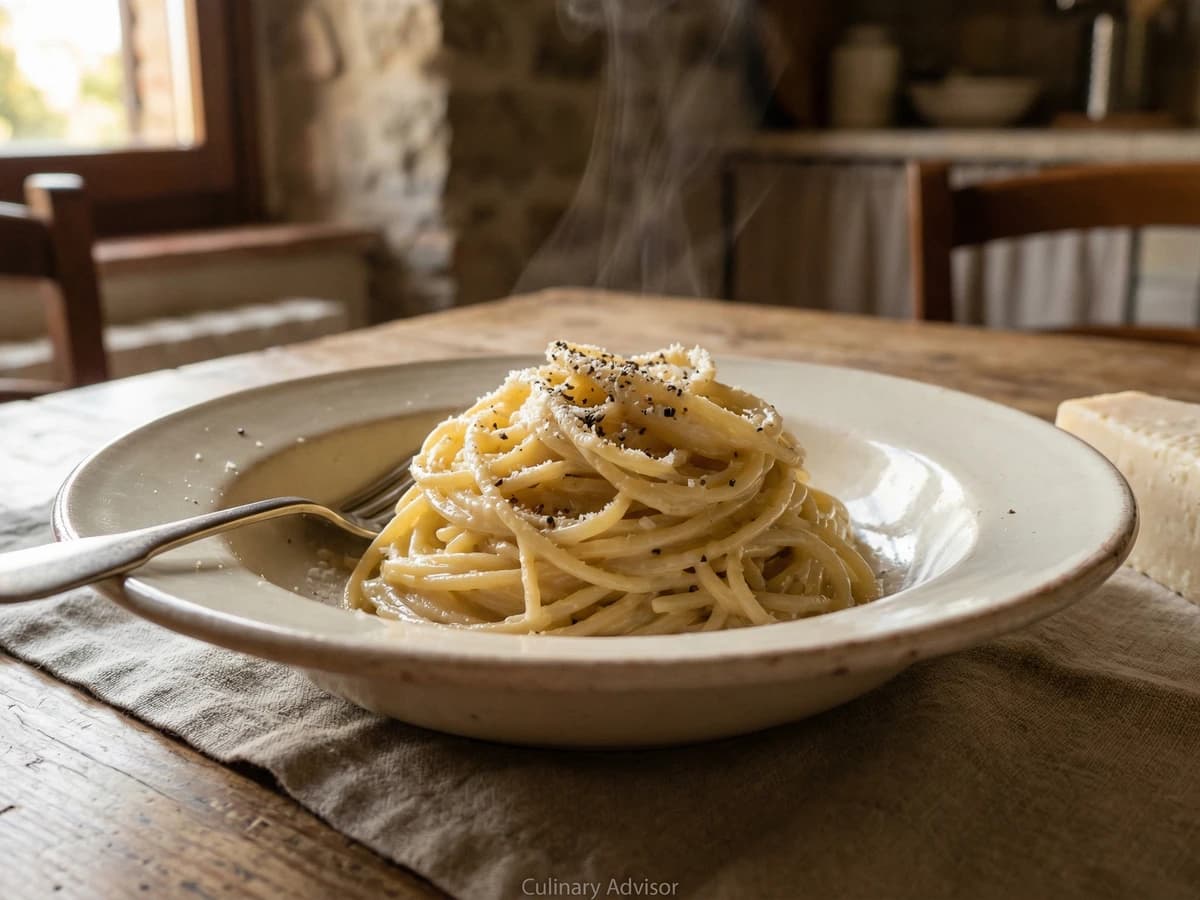
Three ingredients, infinite satisfaction. Real Pecorino Romano, freshly cracked black pepper, and good pasta transformed through nothing but technique and respect for what you have.