Morelos triangular masa cakes from the markets of Tepoztlán, comal-baked and split open like a pita, stuffed with Yecapixtla cecina, queso fresco, crema, and salsa verde cruda.
Appetizers & Snacks
Mexican
Weeknight
Comfort Food
25 min
Active Time
25 min cook•50 min total
Yield8 itacates
Itacates are from Morelos. Specifically from Tepoztlán, the pueblo magico at the foot of the Tepozteco, where the Wednesday and Sunday market builds itself around the women shaping these thick triangles of masa and laying them on the comal. You will not find a proper itacate in Mexico City and you will certainly not find one outside Morelos. This is a regional snack, anchored to one place, and that is the whole point.
The shape matters. An itacate is a triangle, fat through the middle, half an inch thick or more, built so it can be split open down one side and stuffed like a pocket. Anyone who hands you a flat round and calls it an itacate has handed you a thick tortilla. The triangle is not decorative. It is structural. The corners hold the heat in while the center cooks, and the geometry gives you three edges to slice into. Cada estado, su propia cocina, and Morelos drew this one with a knife.
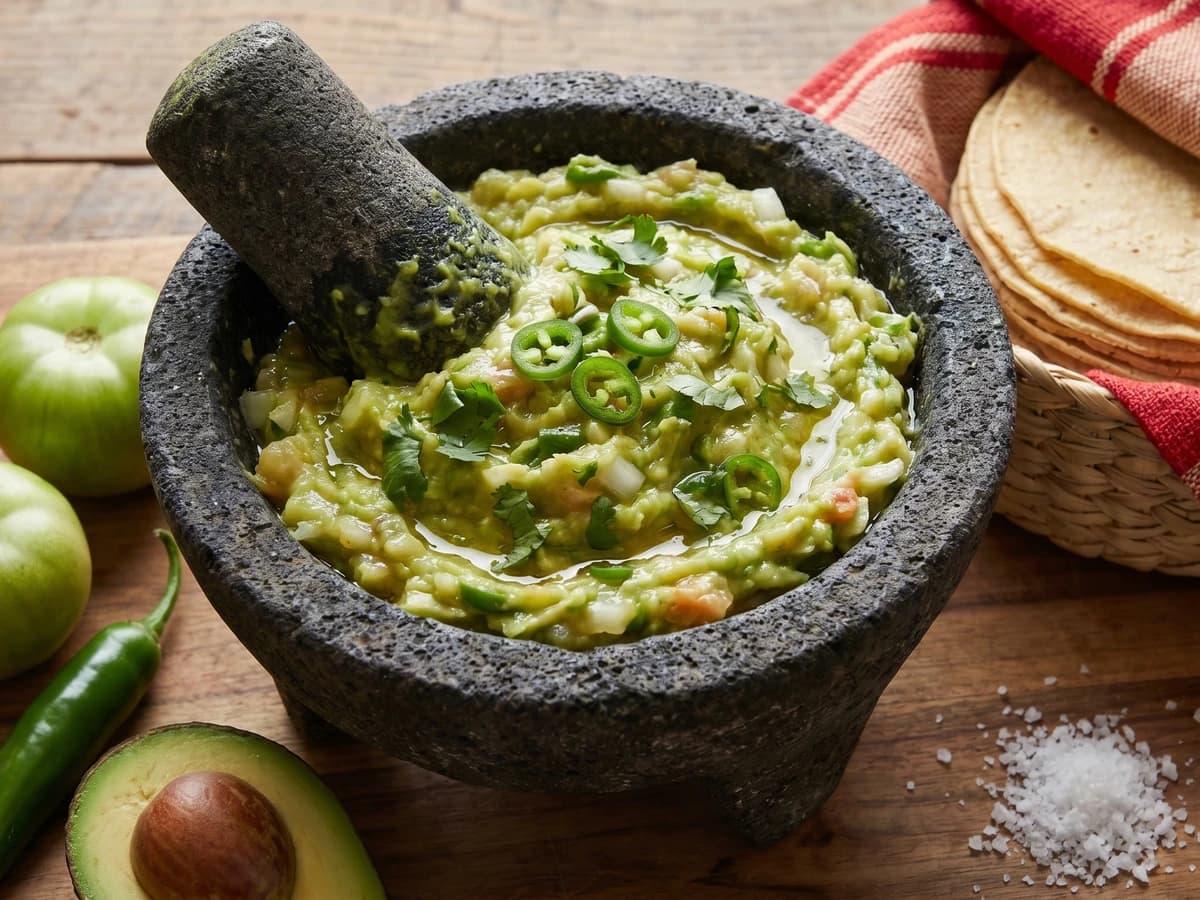
The classic filling in Tepoztlán is cecina enchilada from Yecapixtla, the other Morelos town that has built its reputation on a single product. Cecina is thin-sliced beef, salt-cured and chile-rubbed, sold by weight at storefronts that have done nothing else for generations. Queso fresco from the Morelos ranches, crema, salsa verde cruda made with chile serrano and tomatillo, raw white onion, cilantro. No flour tortillas. No yellow cheese. No sour cream. Those belong somewhere else.
My mother and I went to Tepoztlán together one Sunday in October, the year before she died. We climbed halfway up the Tepozteco and came back down hungry. The first thing she bought at the market was an itacate stuffed with cecina, wrapped in brown paper, eaten standing up. She wrote two lines in her notebook that evening: 'masa gorda, triangular, queso fresco de Morelos, cecina de Yecapixtla, salsa verde cruda. No me vengas con atajos.' That is the whole recipe. Everything else is execution. Saber cocinar es saber vivir.
The word 'itacate' derives from the Nahuatl 'itacatl,' meaning provisions or food packed for a journey, and originally referred to the bundle of food a host would send home with a guest after a meal, a practice still alive in Morelos and central Mexico today. The Tepoztlán market version, a thick triangular masa cake split and stuffed, codified in the 19th and 20th centuries as a market-day snack tied to the agricultural calendar of the Valle de Morelos, where corn, beans, and dairy from the surrounding ranches converged at the tianguis. The pairing with Yecapixtla cecina reflects a specifically morelense trade circuit: the cecina town and the itacate town lie within a short distance of each other, and their products have been eaten together at Sunday markets for at least four generations.
The technique, the tradition, and the story behind every dish.
Maseca works; fresh masa from a tortilleria is better
warm water
Quantity
1 1/2 cups
plus more as needed
manteca de cerdo (pork lard)
Quantity
3 tablespoons
at room temperature
kosher salt
Quantity
1 teaspoon
baking powder
Quantity
1/2 teaspoon
cecina enchilada from Yecapixtla
Quantity
1/2 pound
chile-rubbed cured beef, sliced thin
manteca de cerdo for the comal
Quantity
1 tablespoon
queso fresco or queso de rancho from Morelos
Quantity
1 cup
crumbled
crema mexicana
Quantity
1/2 cup
salsa verde cruda
Quantity
1 cup
tomatillo, chile serrano, cilantro, white onion, salt
white onion (optional)
Quantity
1/2 small
finely diced
fresh cilantro (optional)
Quantity
1/4 cup
chopped
ripe avocado (optional)
Quantity
1
sliced
lime wedges (optional)
Quantity
for serving
Ingredient
Quantity
masa harina for tortillas (or fresh masa)Maseca works; fresh masa from a tortilleria is better
2 cups
warm waterplus more as needed
1 1/2 cups
manteca de cerdo (pork lard)at room temperature
3 tablespoons
kosher salt
1 teaspoon
baking powder
1/2 teaspoon
cecina enchilada from Yecapixtlachile-rubbed cured beef, sliced thin
1/2 pound
manteca de cerdo for the comal
1 tablespoon
queso fresco or queso de rancho from Moreloscrumbled
1 cup
crema mexicana
1/2 cup
salsa verde crudatomatillo, chile serrano, cilantro, white onion, salt
1 cup
white onion (optional)finely diced
1/2 small
fresh cilantro (optional)chopped
1/4 cup
ripe avocado (optional)sliced
1
lime wedges (optional)
for serving
Equipment Needed
•Heavy cast iron comal or 12-inch heavy skillet
•Damp cotton cloth for resting the masa
•Small sharp paring knife for splitting the cooked itacates
•Wide clay or terracotta serving plate
Instructions
1
Make the masa
If you are starting from masa harina, combine the masa harina, salt, and baking powder in a wide bowl. Add the lard and rub it into the dry masa with your fingertips until it looks like wet sand. Pour in the warm water and knead with your hands for three to four minutes. You want a dough that holds together when pressed but does not crack at the edges. If it cracks, add water a tablespoon at a time. If it sticks to your palm like glue, add a little more masa harina. The lard is not optional. La manteca es el sabor and it is also what gives the itacate its tender crumb.
If you can get fresh masa from a tortilleria, use it. Knead in the lard and salt directly, skip the water and baking powder. The flavor is a different category.
2
Rest the dough
Cover the masa with a damp cotton cloth and let it rest for fifteen minutes. This is not a step you can skip. Resting hydrates the corn evenly and the dough becomes easier to shape. A dry masa cracks the moment you try to form a triangle and an itacate that cracks before it hits the comal will fall apart on the comal.
3
Shape the triangles
Divide the masa into eight equal portions, about the size of a small lime each. Roll each one into a ball between your palms, then flatten it into a thick disc about half an inch thick. Now pinch three corners of the disc to form a triangle, like a samosa from above but solid. The itacate is not a tortilla. It is fat. It is triangular. It is built to be split open and stuffed. The thickness is the point. A thin itacate is just a malformed tortilla. Así se hace y punto.
4
Cook on the comal
Heat a cast iron comal or heavy skillet over medium heat. Rub a small amount of lard across the surface with a folded cloth. Lay the triangles on the comal and cook for four to five minutes per side, turning once. They should develop dark golden spots and a few char marks. The outside firms into a thin crust while the inside stays soft and almost steamed within its own thickness. Press lightly with a spatula in the last minute to check, the itacate should feel firm at the edges and give slightly at the center.
Do not crank the heat. Medium, not high. The thickness needs time to cook through. High heat burns the outside and leaves the center raw and chalky.
5
Warm the cecina
While the itacates finish on the comal, lay the cecina enchilada flat on a hot surface of the same comal or in a separate skillet over medium-high heat. Thirty seconds per side is all it needs. The chile rub on the outside will darken and the meat will firm but stay tender. Cecina is already cured and seasoned. You are warming it, not cooking it. Overcook cecina and it goes to leather.
6
Split and stuff
Pull the itacates off the comal. Using a small knife, cut each triangle along one long edge, opening it into a pocket like a pita. Be careful, the inside steam is hot. Tear or chop the warm cecina into pieces and tuck into each pocket. Add a generous spoonful of crumbled queso fresco, a drizzle of crema, and a spoon of salsa verde cruda. Finish with diced white onion, cilantro, and a slice of avocado if you like.
7
Serve immediately
Itacates are eaten the moment they are stuffed. The masa goes from tender to dense as it sits. Set them out on a clay plate with extra salsa verde, more lime, and a cold agua fresca. In Tepoztlán the vendors hand them to you wrapped in a square of brown paper and you eat them standing up at the market. That is the right way. Recetas probadas y garantizadas.
Chef Tips
•Cecina enchilada from Yecapixtla is the right meat. If you cannot find it, a Mexican carniceria may carry cecina de res or a chile-rubbed equivalent. Do not substitute pastrami, do not substitute carne asada. They are not the same thing and the dish will be wrong.
•Fresh masa from a tortilleria beats masa harina every time. If there is a tortilleria within driving distance, go. Ask for one kilo of masa para tortillas and knead in the lard and salt yourself. The flavor difference is the difference between a souvenir and the real dish.
•The salsa verde must be cruda, raw, not cooked. Blend tomatillos, chile serrano, cilantro, a small piece of white onion, garlic, and salt until smooth but still textured. A cooked salsa verde changes the whole balance. The brightness of the raw salsa cuts the richness of the cecina and the crema.
Advance Preparation
•The masa can be mixed and rested up to two hours ahead, covered with a damp cloth at room temperature. Do not refrigerate; cold masa cracks.
•The salsa verde cruda is best made within the hour of serving. Past two hours, the cilantro dulls and the chile heat sharpens unpleasantly.
•Itacates do not hold. Shape and cook them the moment you want to eat. The window between coming off the comal and going cold is short.
Frequently Asked Questions
Nutrition Information
1 serving (about 205g)
Calories
380 calories
Total Fat
22 g
Saturated Fat
9 g
Trans Fat
0 g
Unsaturated Fat
12 g
Cholesterol
55 mg
Sodium
1040 mg
Total Carbohydrates
27 g
Dietary Fiber
5 g
Sugars
3 g
Protein
18 g
Where cooking meets culture.
Culinary guides, cultural storytelling, and the editorial depth that makes cooking meaningful.