Chef Thomas
All-Butter Shortbread Fingers
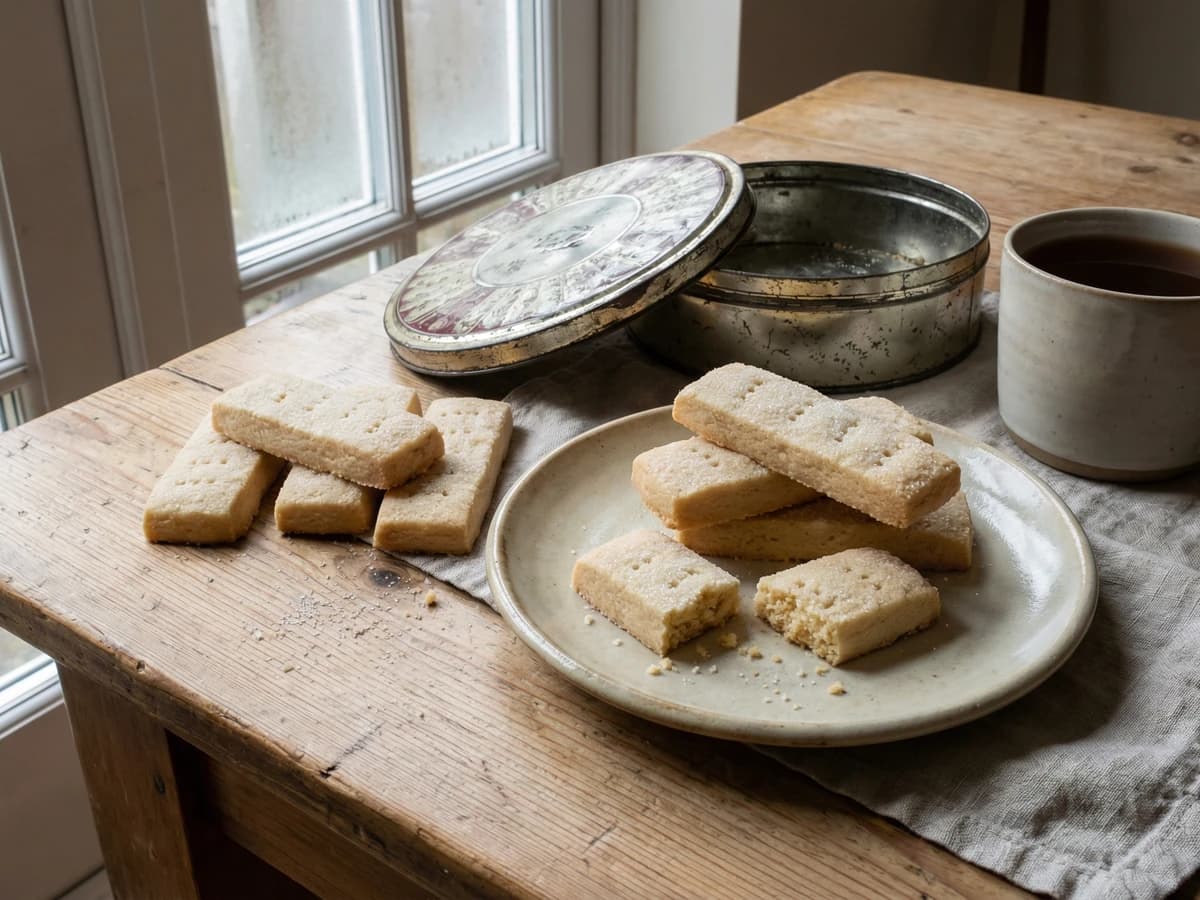
The plainest biscuit in the tin and the hardest one to stop eating, three ingredients and a slow oven turning good butter into something quietly perfect with a cup of tea.
A cooking platform built around craft, culture, and the stories behind what we eat.

Created by Chef Thomas
Butter, sugar, golden syrup, oats, and a pinch of salt, pressed into a tin and baked until the edges go dark and caramelised and the middle stays chewy. The most useful thing you can do with porridge oats and an afternoon.
Some afternoons call for nothing more ambitious than this. A grey Sunday. A wet Wednesday after work. The kind of weather where the only sensible response is to put the kettle on and slide a tin of flapjacks into the oven.
Butter, golden syrup, sugar, oats, a pinch of salt. That's the whole list. There's no clever technique, no resting overnight, no skill being tested. You melt three things together in a pan, stir in the oats, press the lot into a tin, and bake it until the edges go dark and the middle holds its chew. Twenty-five minutes from idea to tea-time.
I've made flapjacks for school lunchboxes, for long walks across cold fields, for the back of the cupboard when someone needed feeding without ceremony. They travel well, they keep for days, and they improve on the second morning when the syrup has settled deeper into the oats. A recipe is a conversation, not a contract. Add some sultanas if you've got them. A handful of seeds. A scrape of orange zest if it's that kind of mood. None of it is necessary. The plain version is the one I keep coming back to.
I wrote it down in the notebook years ago. 'Flapjacks. Tuesday. Rain.' I've never needed to write it down again.
Quantity
250g
cubed
Quantity
175g
Quantity
100g
Quantity
350g
Quantity
generous pinch
| Ingredient | Quantity |
|---|---|
| salted buttercubed | 250g |
| light brown soft sugar | 175g |
| golden syrup | 100g |
| rolled porridge oats | 350g |
| fine sea salt | generous pinch |
Set the oven to 180C/160C fan. Line a 20cm square tin with baking parchment, leaving a bit of overhang on two sides so you can lift the whole slab out later. Don't skip the lining. Hot syrup welds itself to metal in a way that will cost you the bottom of the flapjacks and a small piece of your sanity.
Put the butter, sugar, and golden syrup into a heavy saucepan over a low heat. Let them melt together gently, stirring now and then with a wooden spoon. You're not boiling anything. You're coaxing three things into one glossy, amber pool. When the sugar has fully dissolved and you can't see any grain as you tilt the pan, take it off the heat. Trust your nose. It will smell faintly of toffee, sweet and warm and slightly nutty.
Tip the oats into the pan along with the salt. Stir until every flake is properly coated and the mixture looks glossy and generous. It will seem slightly loose, almost too wet. That's right. It firms as it cools. Don't be tempted to add more oats; you'll end up with something dry that crumbles instead of holds together.
Scrape the mixture into the lined tin and press it down firmly with the back of the spoon. Really press. The tighter you pack it, the better the flapjacks hold together when cut. Get into the corners. Smooth the top so it's level. A flat-bottomed glass works well if the spoon isn't doing it for you.
Bake for twenty to twenty-five minutes. You want the edges to go a deep, properly golden brown and the middle to look just set, slightly paler than the edges. If the top is still pale all over, give it another two or three minutes. They will firm dramatically as they cool, so don't chase a hard surface in the oven. Soft from the oven is right.
Set the tin on a rack to cool. After about ten minutes, when the flapjacks are still warm but no longer molten, score them into squares with a sharp knife. Don't cut all the way through. Just mark them. Then leave them alone until completely cold. Lift the whole slab out using the parchment overhang and cut along your scored lines. They will come away clean. Cut them warm and they'll fall apart on you.
1 serving (about 73g)
Culinary guides, cultural storytelling, and the editorial depth that makes cooking meaningful.
Discover Culinary ExplorerChef Thomas
The plainest biscuit in the tin and the hardest one to stop eating, three ingredients and a slow oven turning good butter into something quietly perfect with a cup of tea.
Chef Thomas
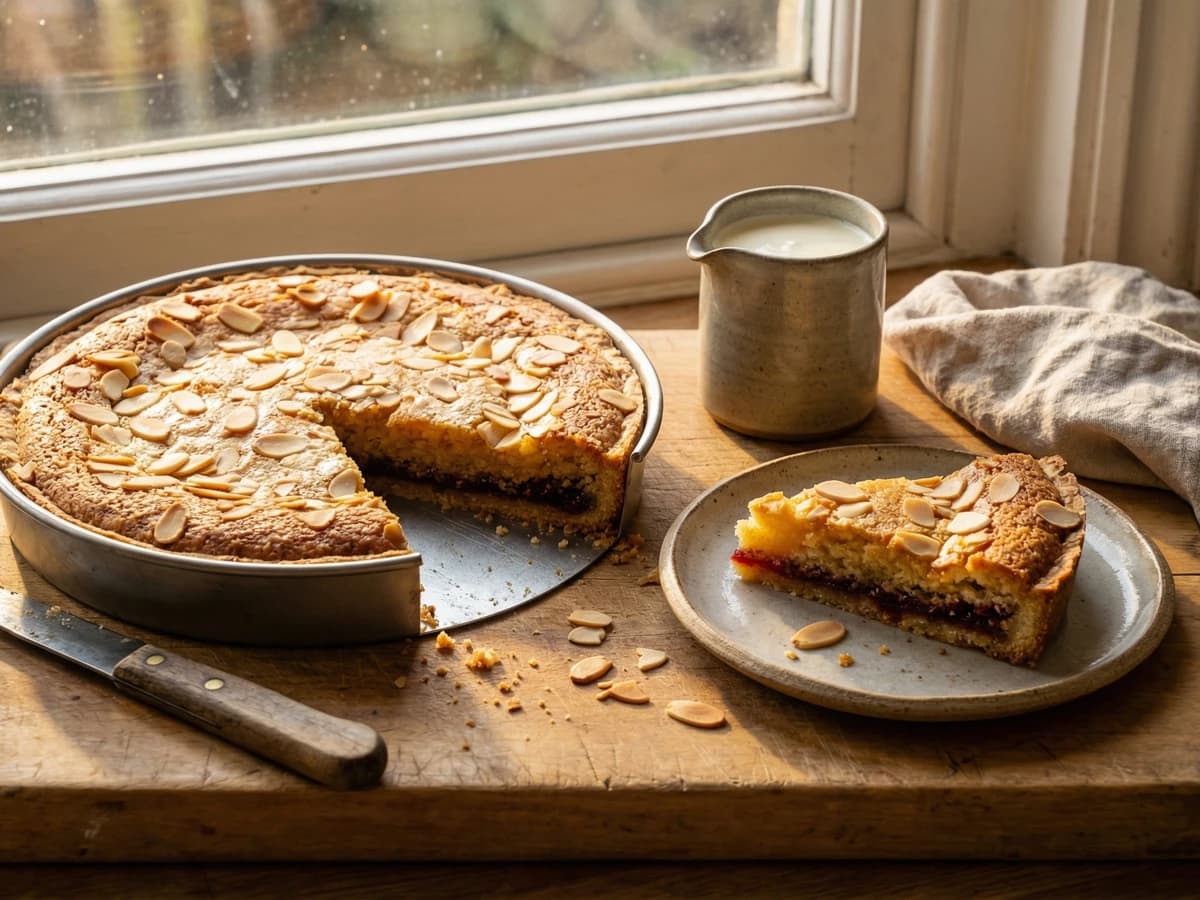
A proper Bakewell tart with buttery shortcrust, a thick layer of raspberry jam, and almond frangipane baked golden under a scattering of flaked almonds. No icing. No nonsense.
Chef Thomas
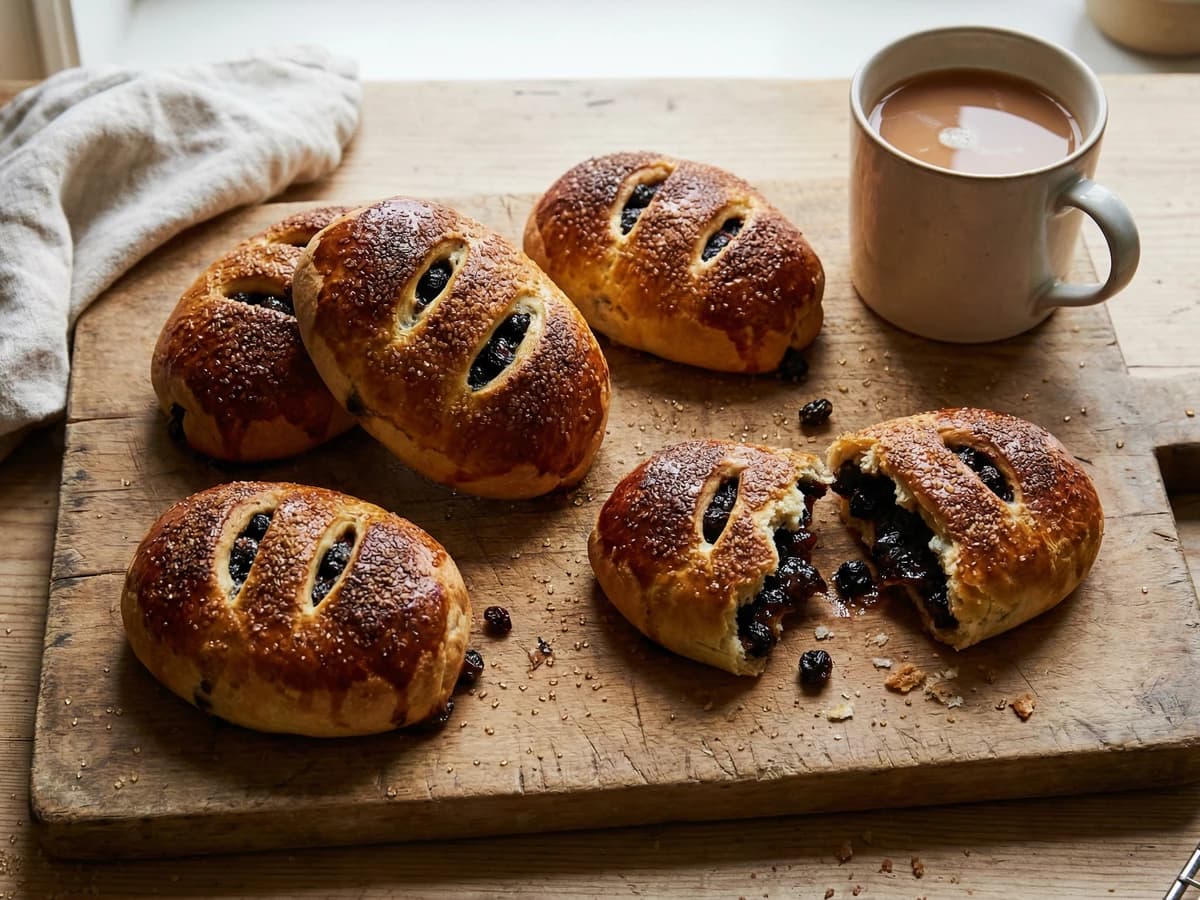
Oval pastries filled with rum-soaked currants and spice, baked until the tops crackle with sugar. The kind of thing to make on a wet Sunday afternoon when you want the kitchen to smell of something.
Chef Thomas
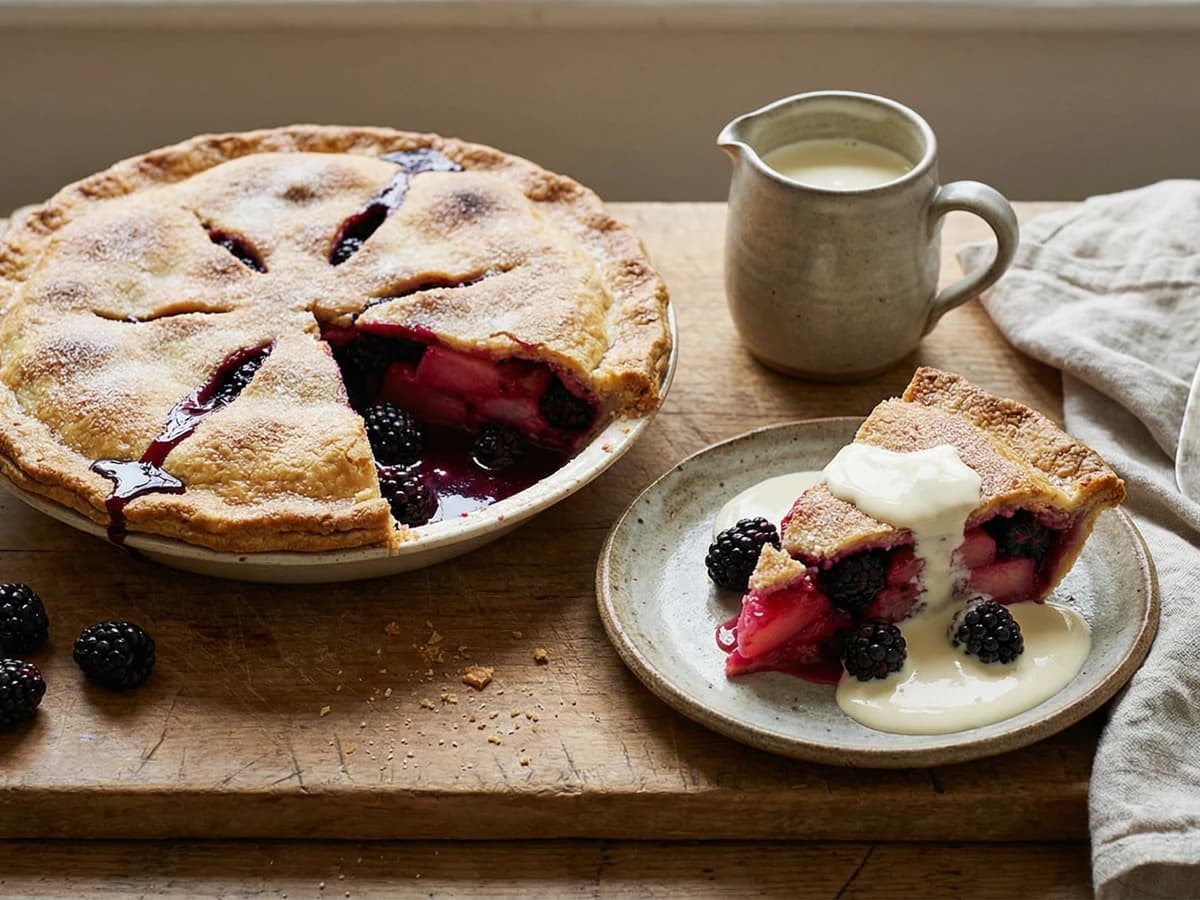
A proper hedgerow pie of Bramley apples and blackberries under a sugar-crusted pastry lid, the kind of pudding that turns a Sunday in September into something you'll remember.