
Chef Dean
Bacon Egg and Cheese on a Roll
The iconic New York bodega breakfast: shattering-crisp bacon, a golden-yolked fried egg, and molten American cheese tucked into a soft kaiser roll. This is the sandwich that built a city.
A cooking platform built around craft, culture, and the stories behind what we eat.
Created by
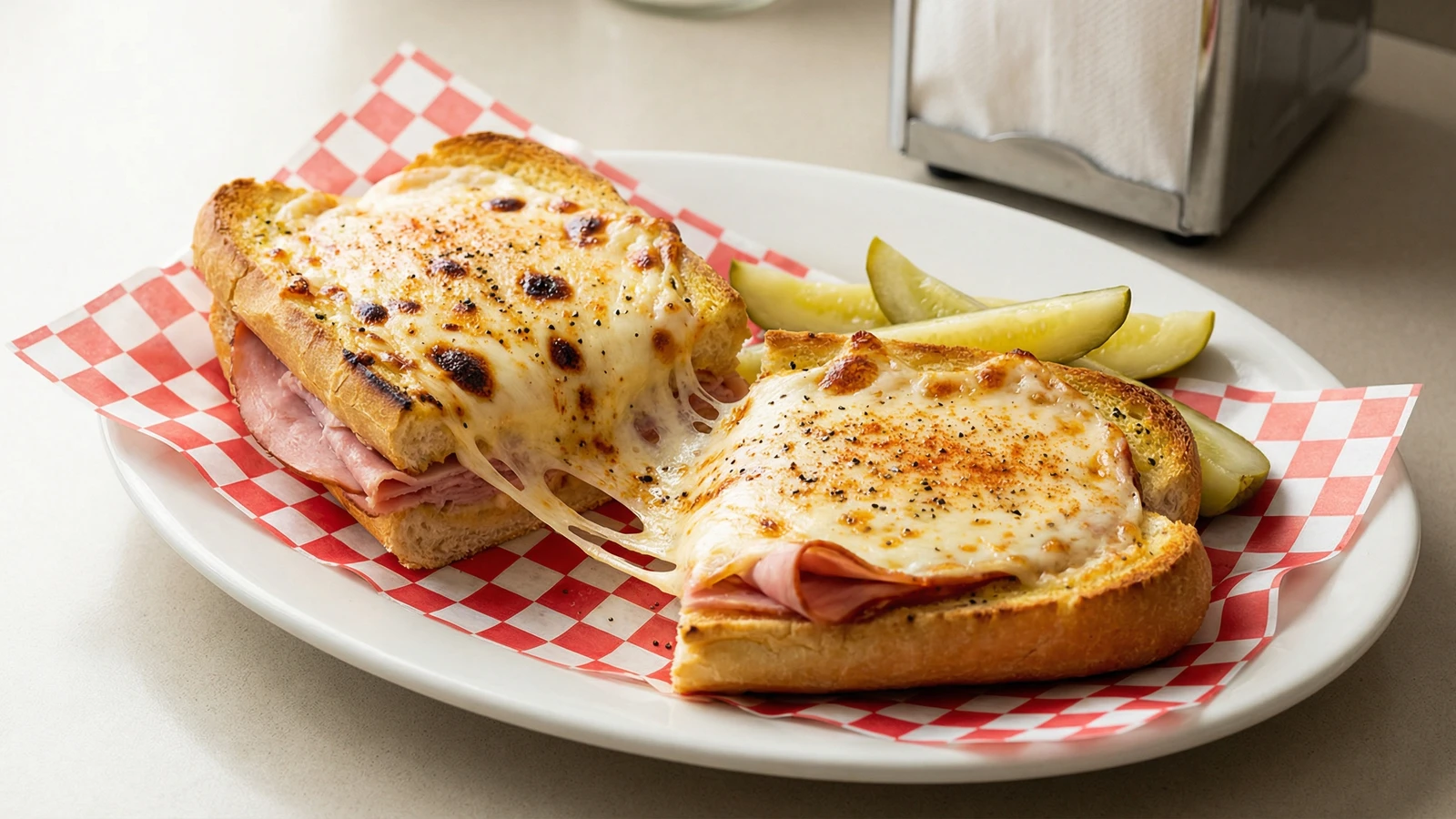
St. Louis' beloved open-faced creation: crusty French bread slathered with garlic butter, piled with smoky ham, and blanketed in Provel cheese that bubbles and browns under the broiler until irresistibly gooey.
Some regional foods earn national fame. Others remain fiercely local, beloved by those who grew up with them and bewildering to outsiders. The Gerber belongs to St. Louis the way the cheesesteak belongs to Philadelphia. It emerged from Ruma's Deli in the 1970s, created by a man named Dick Gerber who understood that the best sandwiches are often the simplest.
The foundation is crusty French bread, the kind with a shattering crust and tender interior that St. Louis bakeries have perfected for generations. You split it, slather both halves with garlic butter, layer on good ham, then blanket everything with Provel cheese. Under the broiler, the Provel transforms into something magical: stretchy, gooey, slightly tangy, with edges that crisp and brown.
Provel is the secret. This processed cheese blend of cheddar, Swiss, and provolone was invented in St. Louis in the 1950s and appears on everything from pizza to salads in that city. Its low melting point creates that distinctive pull and stretch. If you can't source Provel, a combination of provolone and white American comes close, though purists will argue otherwise. They're not entirely wrong.
Quantity
1 loaf (about 16 inches long)
Quantity
6 tablespoons
softened
Quantity
3 cloves
minced or pressed
Quantity
1/4 teaspoon
Quantity
12 ounces
sliced thin
Quantity
8 ounces
sliced or shredded
Quantity
to taste
freshly ground
Quantity
for garnish
| Ingredient | Quantity |
|---|---|
| crusty French bread | 1 loaf (about 16 inches long) |
| unsalted buttersoftened | 6 tablespoons |
| garlicminced or pressed | 3 cloves |
| kosher salt | 1/4 teaspoon |
| deli hamsliced thin | 12 ounces |
| Provel cheesesliced or shredded | 8 ounces |
| black pepperfreshly ground | to taste |
| paprika (optional) | for garnish |
Combine softened butter with minced garlic and salt in a small bowl. Mash with a fork until the garlic is evenly distributed throughout. The butter should be spreadable but not melted. If your kitchen runs warm, work quickly or the butter will turn greasy rather than creamy.
Position your oven rack about six inches from the broiler element and preheat the broiler to high. Slice the French bread in half lengthwise, then cut each half crosswise to create four pieces. Each piece should be roughly six inches long, substantial enough to hold its toppings without flopping.
Spread the garlic butter across the cut surface of each bread piece, reaching all the way to the edges. Don't be timid. The butter should form a visible layer, not a translucent smear. This butter serves two purposes: flavor and protection. It keeps the bread from turning soggy under the ham while delivering that essential garlic punch.
Divide the ham among the four bread pieces, folding or ruffling the slices rather than laying them flat. This creates texture and air pockets that help the ham crisp slightly at the edges during broiling. Cover the bread completely, letting the ham drape just over the edges.
Top each sandwich with Provel cheese, distributing it evenly. If using sliced Provel, overlap the pieces slightly. If using shredded, mound it generously. The cheese should cover the ham completely with enough mass to create that characteristic gooey layer. Grind black pepper over the top. A light dusting of paprika adds color if you're feeling traditional.
Place the sandwiches on a sheet pan and slide under the broiler. Watch constantly. The cheese will begin to melt within two minutes, then bubble actively, then develop golden-brown spots on the surface. Pull them when the cheese is uniformly melted with scattered brown patches, about three to five minutes total. The edges of the bread should be golden and the garlic butter fragrant.
Let the sandwiches rest on the pan for one minute. The cheese continues cooking from residual heat and needs a moment to set enough to eat without burning the roof of your mouth. Transfer to plates and serve immediately. A Gerber waits for no one. The cheese firms as it cools, losing that distinctive stretch.
1 serving (about 220g)
Culinary guides, cultural storytelling, and the editorial depth that makes cooking meaningful.
Discover Culinary ExplorerChef Dean
The iconic New York bodega breakfast: shattering-crisp bacon, a golden-yolked fried egg, and molten American cheese tucked into a soft kaiser roll. This is the sandwich that built a city.

Chef Dean
Buffalo's proudest sandwich: silky rare roast beef mounded on a crusty roll showered with caraway and coarse salt, the top dipped in warm jus, the whole thing demanding horseradish and a cold beer.

Chef Dean
Shatteringly crisp beer-battered halibut piled on a buttery bun with tangy homemade tartar sauce and crunchy coleslaw. This is the Pacific Northwest on a plate, the kind of sandwich worth driving to the coast for.
Chef Dean
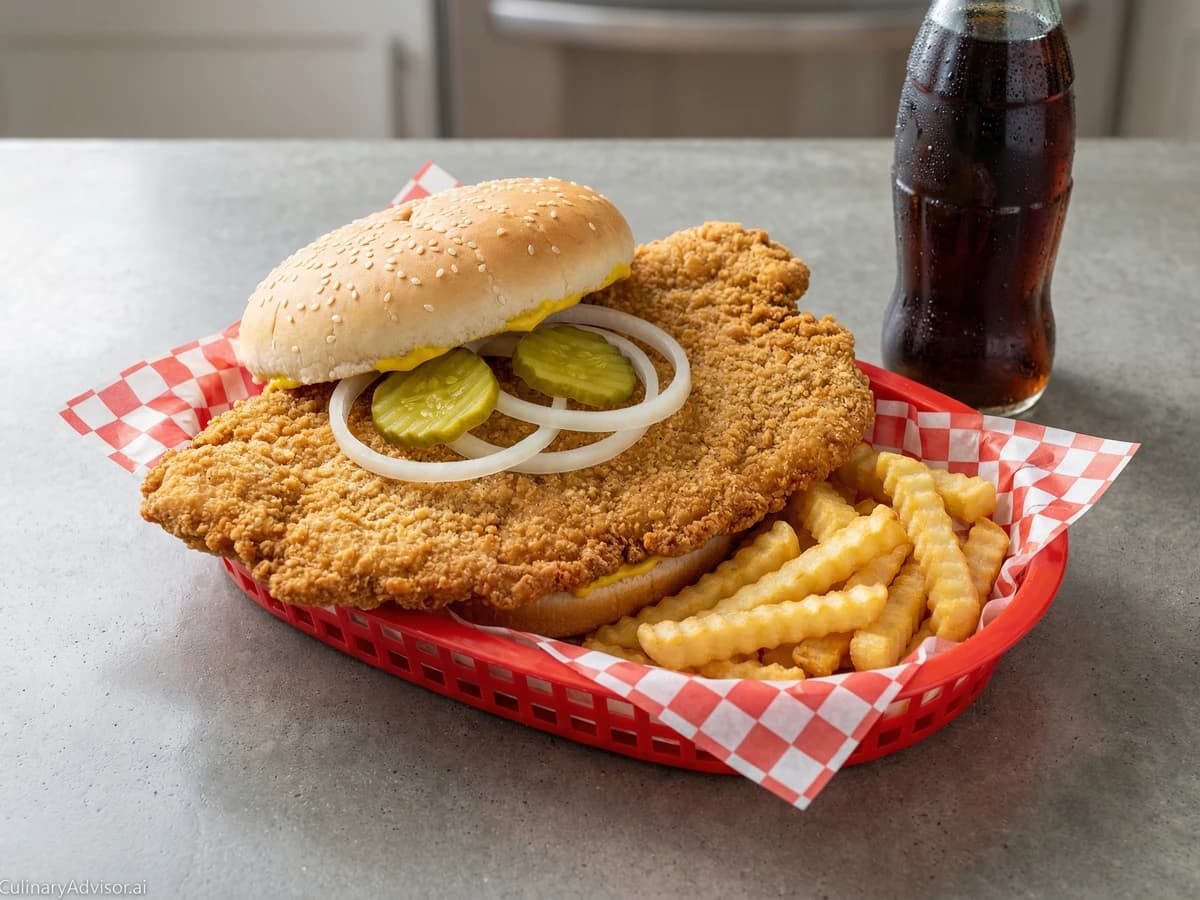
A pork cutlet pounded thin as a playing card, coated in seasoned cracker crumbs, and fried until it sprawls gloriously past the edges of its bun. This is Indiana on a plate.