Chef Isabel
Acedías Fritas de Cádiz
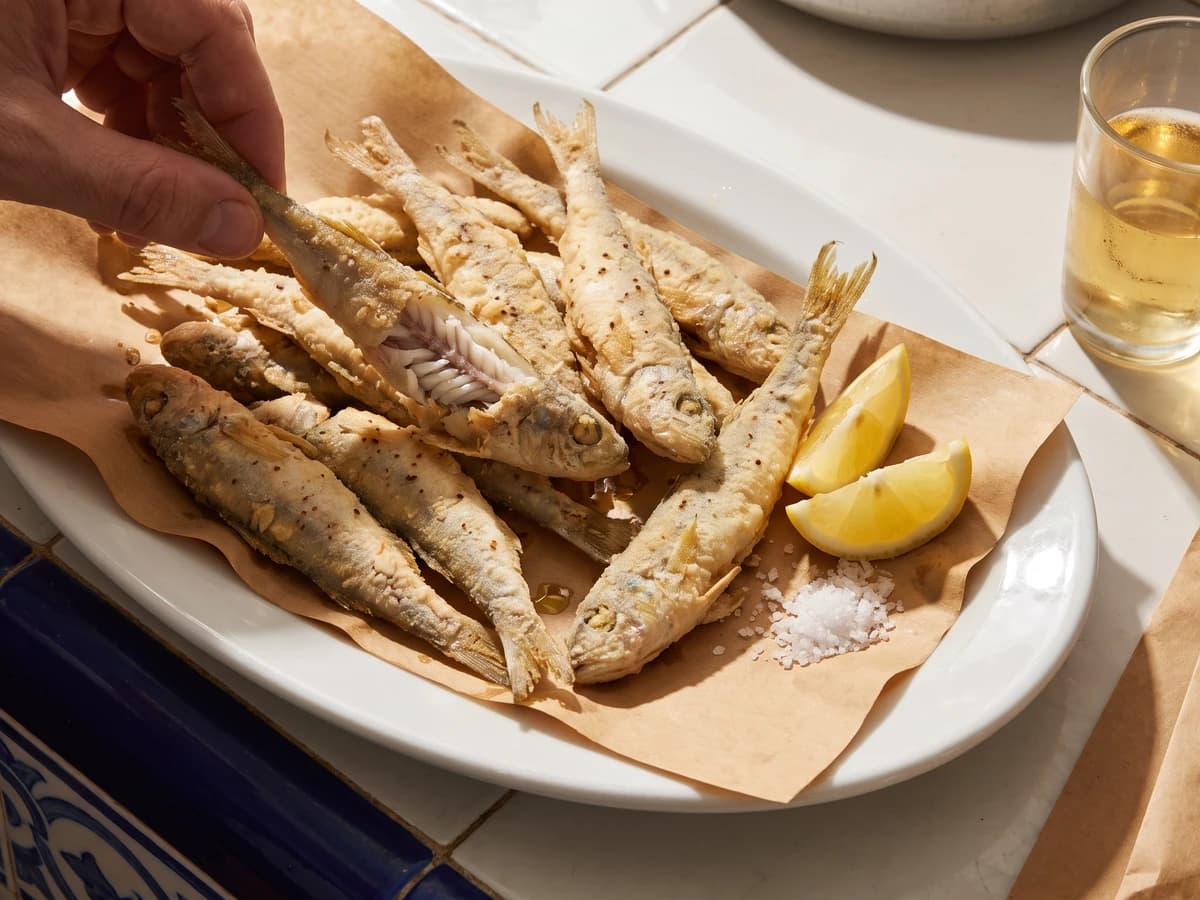
Acedías fritas belong to Cádiz: tiny wedge sole, salted, dusted in frying flour, and dropped into very hot olive oil so the rims crisp while the fish stays tender.
A cooking platform built around craft, culture, and the stories behind what we eat.

Created by
Gambas a la gabardina are Madrileñas from the old bar counter: prawns in a light beer batter, tinted with pimentón, fried until the coat puffs like a little raincoat.
Gambas a la gabardina are Madrileñas, from the old bar counter of Madrid: peeled prawns held by the tail, dipped in a light beer batter, and fried until the coat puffs around them like a raincoat. Gabardina means that coat. That's the joke, and also the method.
The one thing that decides them is cold batter meeting hot oil. Keep the beer, egg, and batter cold, and fry at 180C so the outside sets fast while the prawn stays sweet and just cooked. If the oil is tired or cool, you get a greasy blanket. If it is too hot, the coat browns before the prawn is ready. There is no mystery here, only temperature.
If you can't find Spanish gambas, use large raw prawns or shrimp, peeled with the tails left on. Frozen is fine if they were frozen raw and thawed slowly in the fridge; dry them well, because water is the enemy of this batter. Pimentón de la Vera gives the old tavern colour and a little smoke, but use only a spoonful. This is still prawn first.
My margin note for this one is short: fry fewer at a time than you think. A crowded pan punishes everyone. Make them, salt them while they shine, and put them on the table at once. Nadie nace sabiendo, but this one is kind if you respect the oil.
Gambas a la gabardina belong above all to Madrid's tabernas and aperitivo counters, where fried bites were served quickly with vermut, beer, or a small glass of wine. The name comes from the batter itself, a gabardina, or raincoat, wrapped around the prawn before it goes into the oil. From Madrid the dish spread through bar cooking across Spain, but its home is that capital-city counter, not a coastal fisherman's stew or a southern fritura.
Quantity
500g
peeled, tails left on
Quantity
120g
Quantity
20g
Quantity
1 teaspoon
Quantity
1 teaspoon
Quantity
1/2 teaspoon
Quantity
1
cold
Quantity
180ml
Quantity
1 tablespoon
Quantity
for frying
Quantity
to serve
| Ingredient | Quantity |
|---|---|
| large raw prawns or shrimppeeled, tails left on | 500g |
| plain flour | 120g |
| cornflour | 20g |
| sweet pimentón de la Vera | 1 teaspoon |
| baking powder | 1 teaspoon |
| fine salt | 1/2 teaspoon |
| large eggcold | 1 |
| very cold lager or pale beer | 180ml |
| olive oil | 1 tablespoon |
| sunflower or mild olive oil | for frying |
| lemon wedges (optional) | to serve |
Peel the prawns, leaving the tails on so you have a handle, and pat them very dry with kitchen paper. If they're wet, the batter slides off and sulks in the oil. Salt them lightly and keep them cold while you make the batter.
Whisk the flour, cornflour, pimentón, baking powder, and salt in a bowl. Pésalo, no lo adivines, weigh it, don't guess. The cornflour helps the coat fry light, and the pimentón gives that old tavern colour without turning the prawns into something they are not.
Beat the cold egg with the cold beer and olive oil, then whisk it into the dry mix just until smooth. Stop there. The batter should be thick enough to cling to a prawn but loose enough to drip slowly from the whisk. Rest it in the refrigerator for 20 minutes.
Pour 5cm oil into a heavy pan and heat it to 180C. If you don't have a thermometer, drop in a little batter; it should rise at once, bubble cleanly, and turn golden without darkening too fast. Oil too cool makes a greasy coat. Oil too fierce browns the gabardina before the prawn cooks.
Hold each prawn by the tail, dip it into the cold batter, let the excess fall back for one second, and lower it into the oil. Fry in small batches for 2 to 3 minutes, turning once, until puffed and golden. Don't crowd the pan or the oil temperature drops and the coat goes heavy.
Lift the prawns onto a rack or kitchen paper and salt them while the surface is still glossy. Serve at once with lemon wedges. This is not a dish that waits politely. The gabardina is at its best in the first minutes, crisp outside, sweet prawn inside. Siempre sale, si lo sigues.
1 serving (about 170g)
Culinary guides, cultural storytelling, and the editorial depth that makes cooking meaningful.
Discover Culinary ExplorerChef Isabel
Acedías fritas belong to Cádiz: tiny wedge sole, salted, dusted in frying flour, and dropped into very hot olive oil so the rims crisp while the fish stays tender.
Chef Isabel
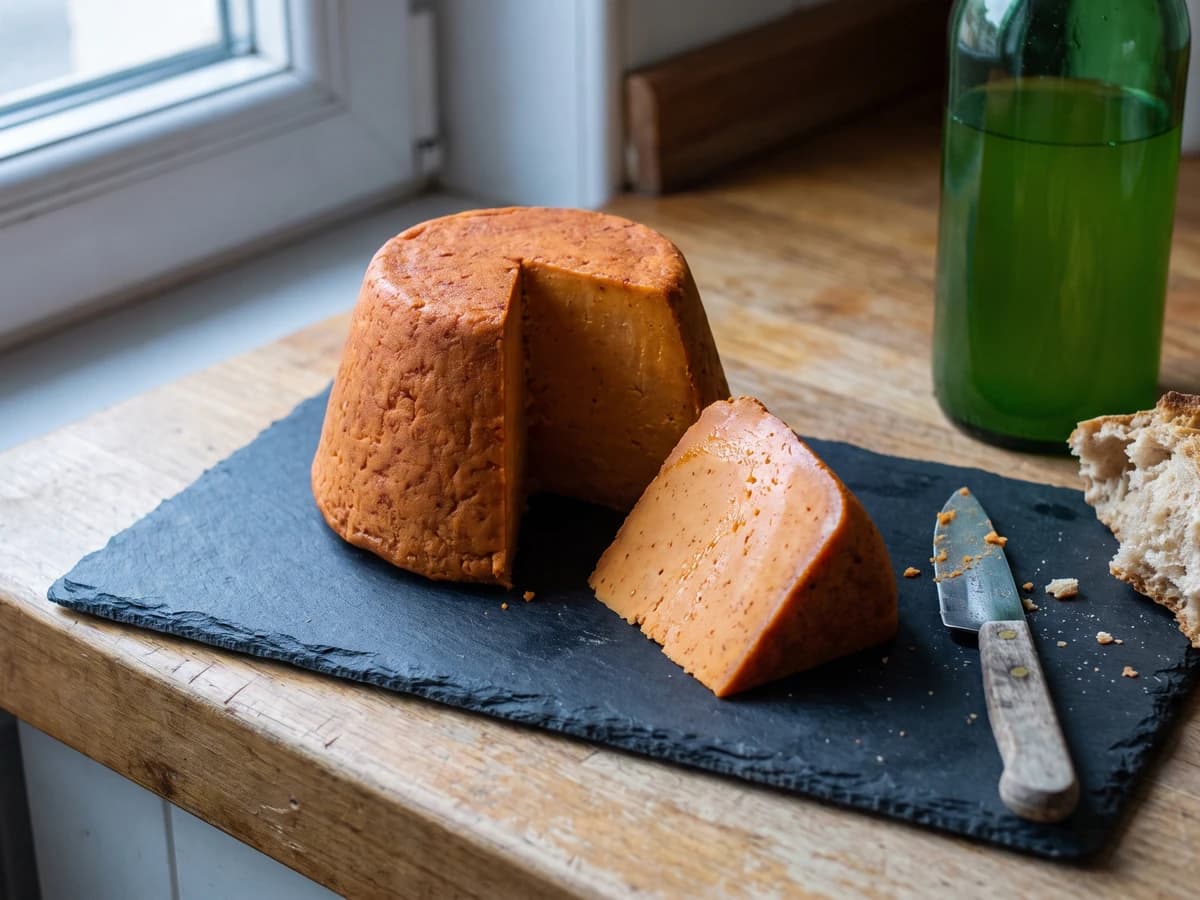
Afuega'l Pitu Roxu is Asturias in a small cheese: cow's milk set slowly to a dense curd, drained without squeezing, then kneaded with pimentón until it turns orange and grips the throat.
Chef Isabel
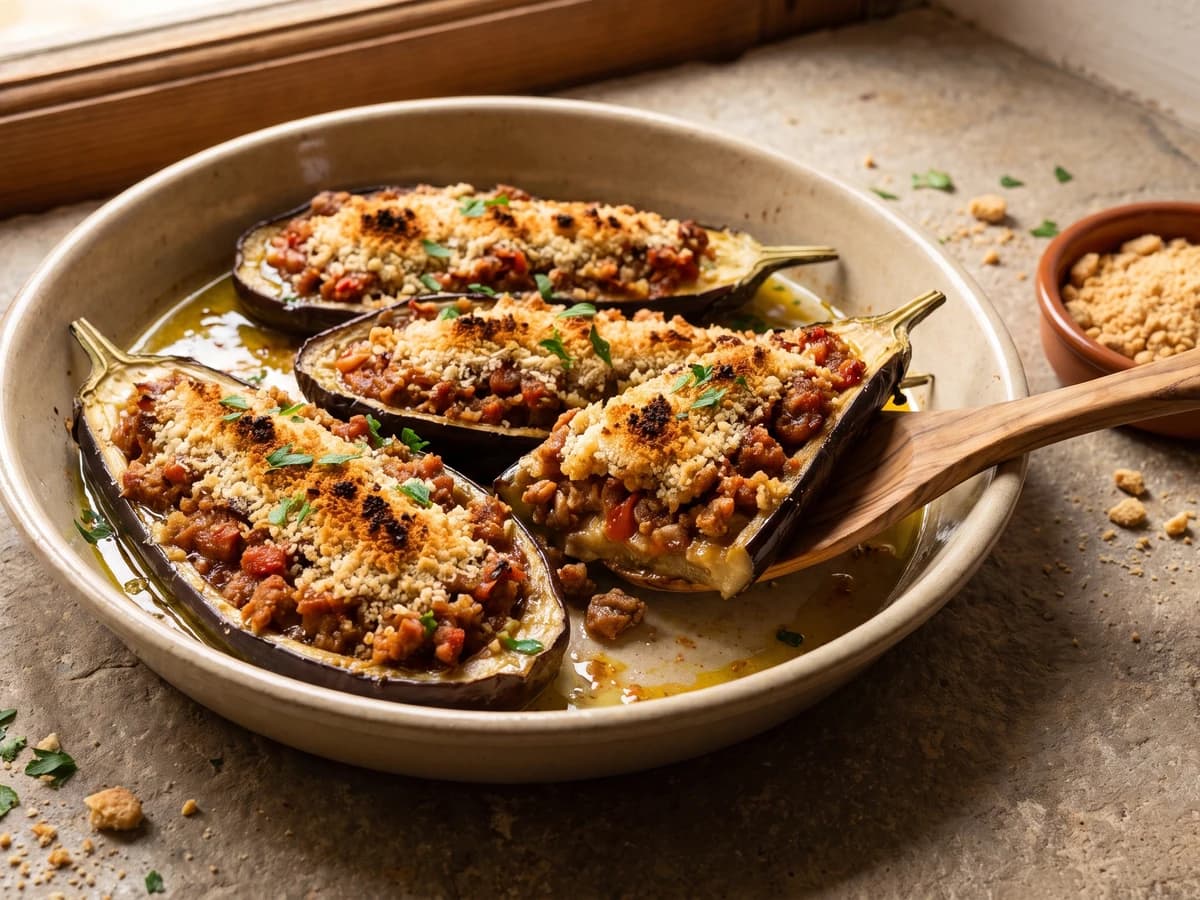
Albergínies farcides are Mallorca's summer stuffed aubergines: tender boiled shells, a slow pork sofrito with moraduix, and a plain breadcrumb cap baked until the top turns crisp and golden.

Chef Isabel
Carxofes farcides are Catalan stuffed artichokes: tender hearts filled with jamón, slow sweet onion, and breadcrumbs, then baked in a light creamy sauce until the tops turn golden.