Chef Isabel
Abanico Ibérico a la Plancha
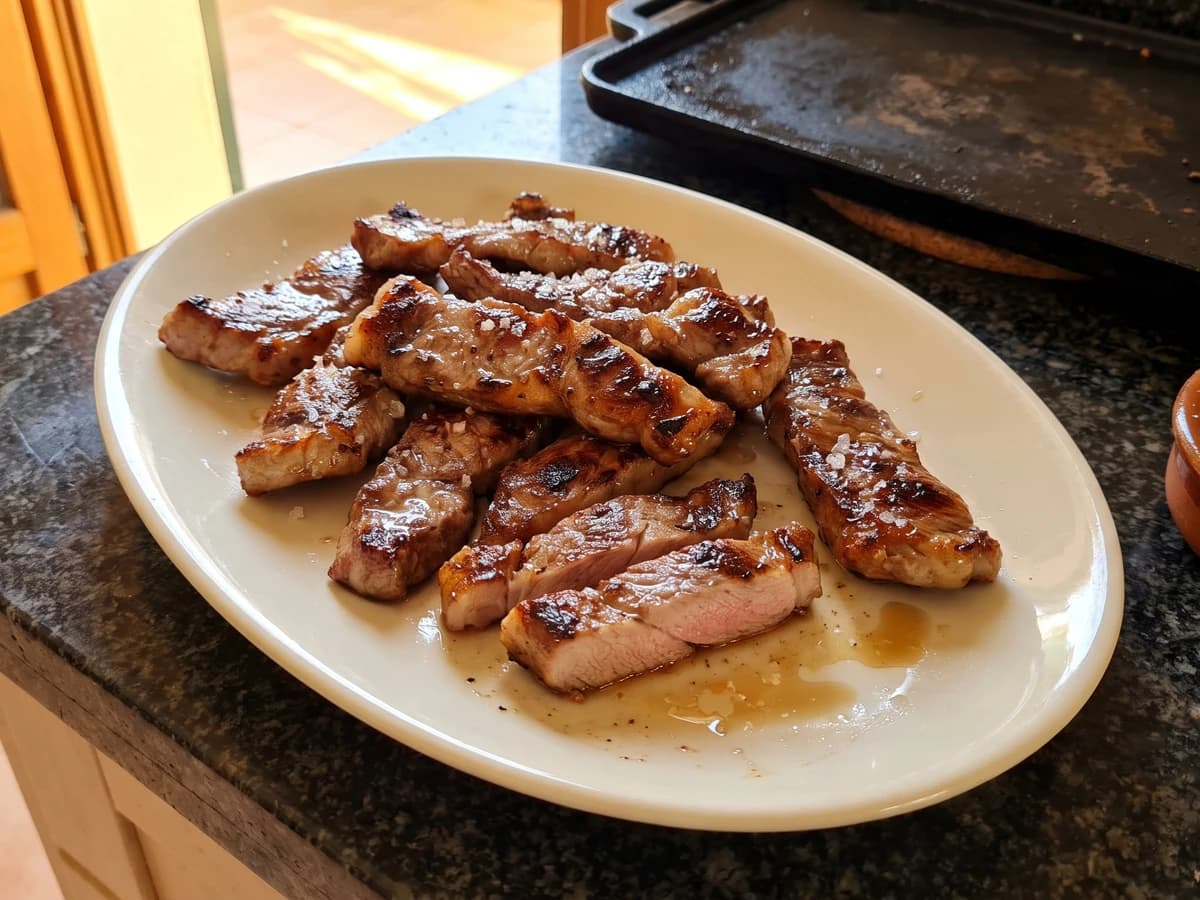
Extremadura's dehesa gives us this fan-shaped, marbled rib cut: salt it at the last moment, lay it on a fierce plancha, and count in seconds so the centre stays juicy.
A cooking platform built around craft, culture, and the stories behind what we eat.
Created by
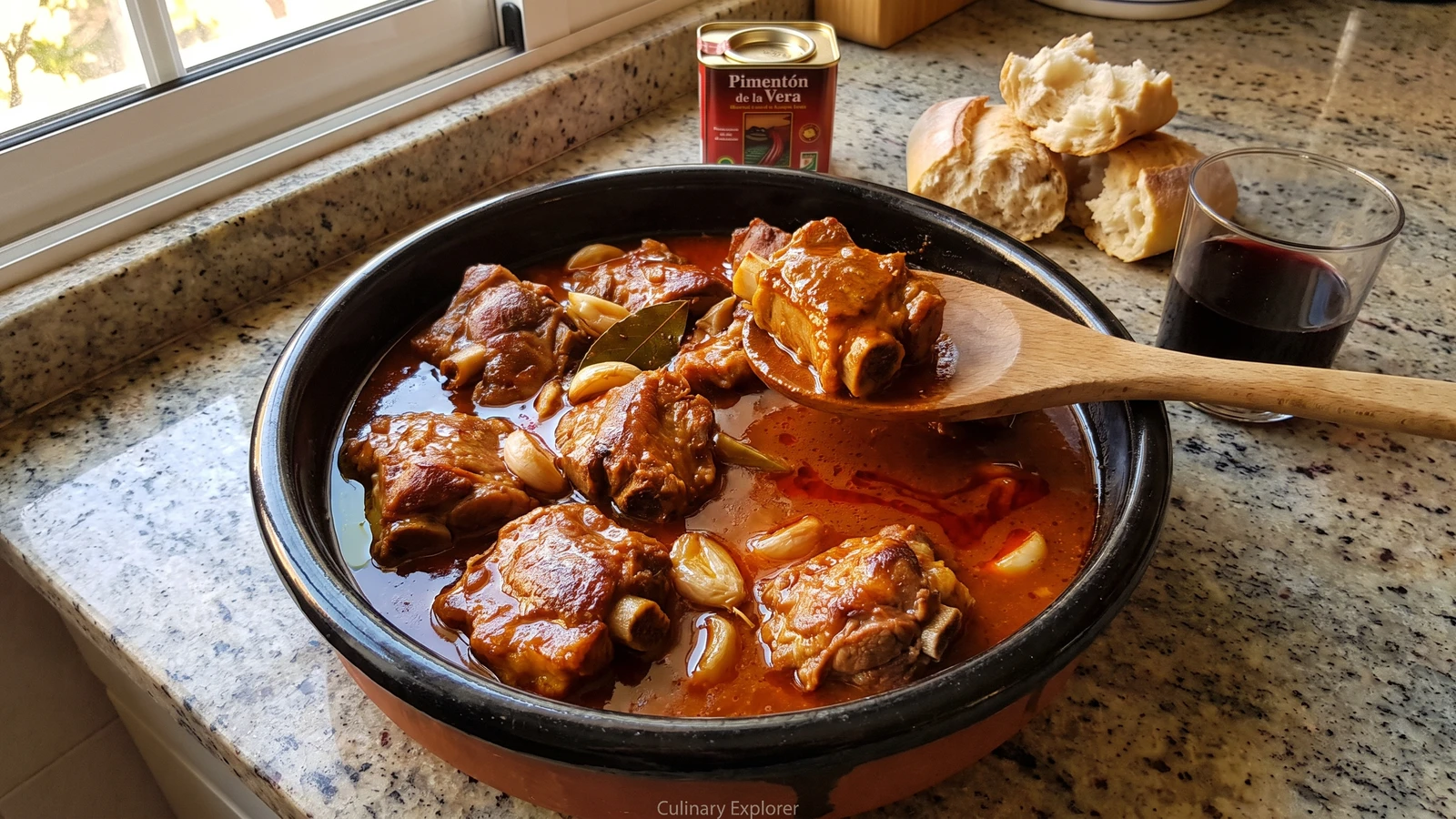
Frite Extremeño is Extremadura's lamb or kid, fried hard enough to brown, then brought down slowly with garlic, bay, wine and pimentón de la Vera until the sauce turns red and clings.
Frite Extremeño is Extremadura's lamb or kid, cut small, fried in olive oil, and then settled down with garlic, bay, wine, and pimentón de la Vera until the red oil clings to the meat. That is what makes it frite and not just another lamb stew: the frying comes first, and the sauce is short, dark, and forceful. No onion, no tomato, no pile of vegetables to make a blanket for it. The lamb has to speak.
The method that decides it is the pimentón. Brown the meat first, take the pan down, and let the paprika wake in the oil for only a few seconds before the wine goes in. Burn it and the whole pot turns bitter. Treat it gently and it gives that smoky red depth Extremadura is proud of, especially when the label says pimentón de la Vera.
If you're far from Extremadura, use bone-in lamb shoulder, neck, or rib chops cut through the bone; kid is lovely, but good lamb is the honest substitute. If the butcher can give you a small piece of liver, fry it and pound it into the majado, the mortar paste, for the old darker sauce. If not, use a slice of fried bread with the garlic and keep going. No hace falta haber pisado España. Pésalo, no lo adivines, and keep the simmer low. Siempre sale, si lo sigues.
Frite belongs to Extremadura, especially the sheep and goat country of Cáceres and Badajoz, where spring lamb or cabrito was cut small for a pan dish served around Holy Week and family feasts. It sits close to caldereta extremeña, but the character is drier and more direct: meat fried first, then finished with garlic, bay, wine and pimentón until fat and sauce meet. The pimentón de la Vera is the regional mark, made from peppers dried over oak smoke in the La Vera comarca and used because it keeps the taste of pepper long after the fresh season has passed.
Quantity
1.2kg
cut into 4cm pieces
Quantity
12g, plus more to taste
Quantity
100g
trimmed
Quantity
25g
torn, only if omitting the liver
Quantity
80ml
Quantity
1 head
cloves separated, lightly crushed, skins left on
Quantity
2
Quantity
8g
Quantity
1g
Quantity
150ml
Quantity
200ml, plus more as needed
Quantity
10g
chopped
| Ingredient | Quantity |
|---|---|
| bone-in young lamb or kid, shoulder, neck, or ribcut into 4cm pieces | 1.2kg |
| fine sea salt | 12g, plus more to taste |
| lamb or kid liver (optional)trimmed | 100g |
| rustic bread (optional)torn, only if omitting the liver | 25g |
| olive oil | 80ml |
| garliccloves separated, lightly crushed, skins left on | 1 head |
| bay leaves | 2 |
| sweet pimentón de la Vera | 8g |
| hot pimentón de la Vera (optional) | 1g |
| dry white wine or vino de pitarra | 150ml |
| water | 200ml, plus more as needed |
| flat-leaf parsley leaveschopped | 10g |
Pat the lamb dry and season it all over with the 12g salt. Let it stand while you prepare the garlic and the majado ingredients. Pésalo, no lo adivines: that measured salt seasons the meat properly without leaving you chasing the pot at the end.
Heat the olive oil in a wide heavy cazuela or casserole over medium heat. Add the crushed garlic cloves and fry them gently for 3 to 4 minutes, until golden in patches but not black. If using liver, add it and brown it for about 1 minute per side; if using bread instead, fry the bread until golden. Lift the garlic and the liver or bread to a plate and leave the flavored oil in the pan.
Raise the heat to medium-high and add the lamb in a single layer, working in batches if the pan is crowded. Let the pieces fry until browned on several sides, 10 to 15 minutes in all. Do not rush this into a wet stew. The meat needs contact with the oil and the pan first, or the frite loses the thing that gives it its name.
Return all the lamb to the pan and add the bay leaves. Take the pan off the heat, sprinkle in the sweet pimentón and the hot pimentón if using, and stir through the red oil for 15 seconds. The pimentón must perfume the fat, not burn; if it scorches, the sauce goes bitter. Pour in the wine at once, return the pan to medium heat, and scrape up the browned bits from the bottom.
Squeeze 6 of the fried garlic cloves from their skins and put them in a mortar with the liver or fried bread, the parsley, and a pinch of salt. Pound to a rough paste, the majado, then loosen it with a spoonful of liquid from the pan. Stir this back into the lamb. Add the 200ml water, just enough to come about one third of the way up the meat.
Partly cover the pan, lower the heat, and cook at a quiet bubble for 45 to 60 minutes, turning the pieces now and then. Add a small splash of water only if the bottom threatens to catch. The lamb is ready when it gives under a fork, the sauce is short and brick red, and a rim of pimentón-stained oil shows around the edge.
Take the pan off the heat and let the frite rest for 10 minutes. Taste for salt. Serve it from the cazuela with bread for the red oil, or with potatoes fried separately if you want a fuller table. The sauce should cling to the lamb, not flood the plate. Tal como se hace allí.
1 serving (about 245g)
Culinary guides, cultural storytelling, and the editorial depth that makes cooking meaningful.
Discover Culinary ExplorerChef Isabel
Extremadura's dehesa gives us this fan-shaped, marbled rib cut: salt it at the last moment, lay it on a fierce plancha, and count in seconds so the centre stays juicy.
Chef Isabel
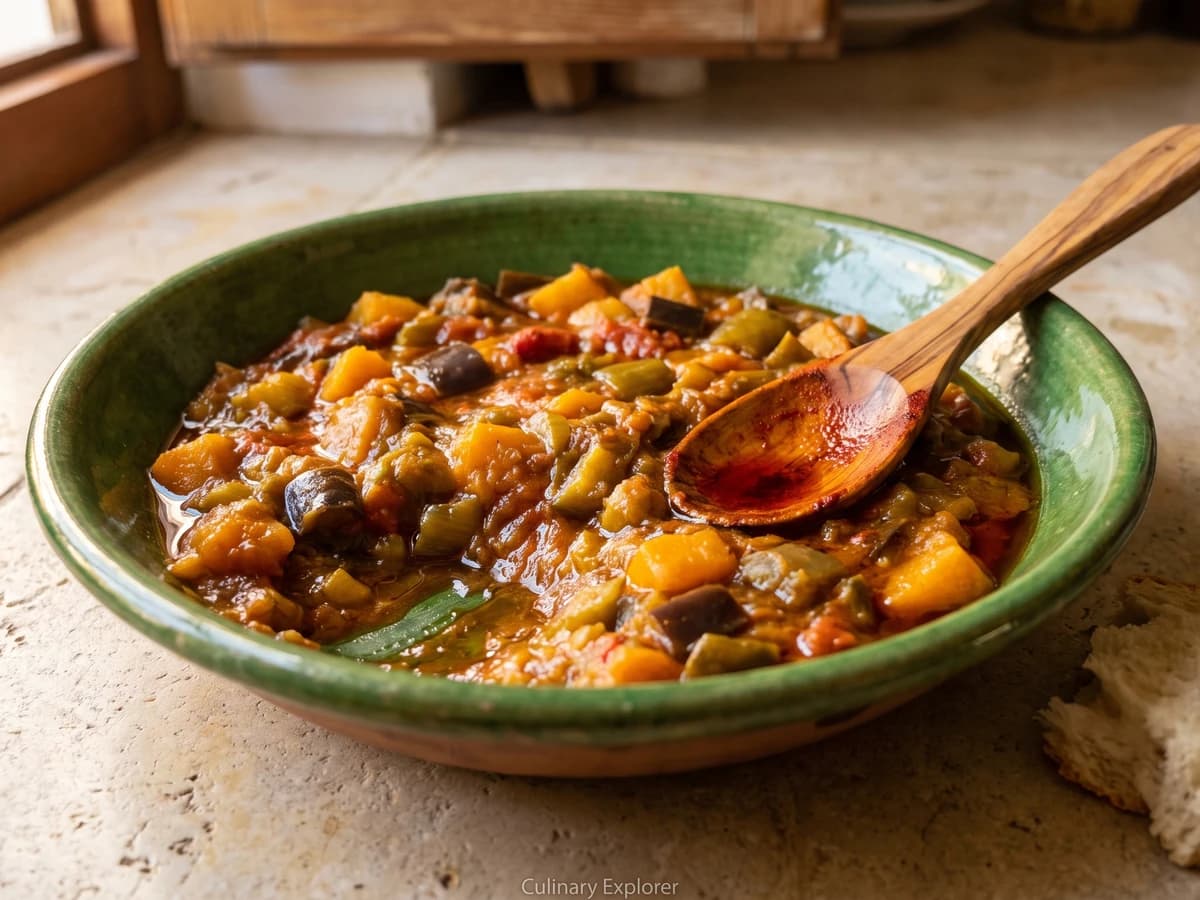
Alboronía is Andalucía's old pumpkin and aubergine stew, deepened with tomato, pimentón, and cumin, then cooked without hurry until the vegetables settle into a glossy, sweet, spoon-soft whole.

Chef Isabel
Aletría Murciana is Murcia's humble noodle guiso: fine fideos, pork ribs, potato, saffron, and a dark sweet sofrito. Get that base right and the pot knows where it's going.
Chef Isabel
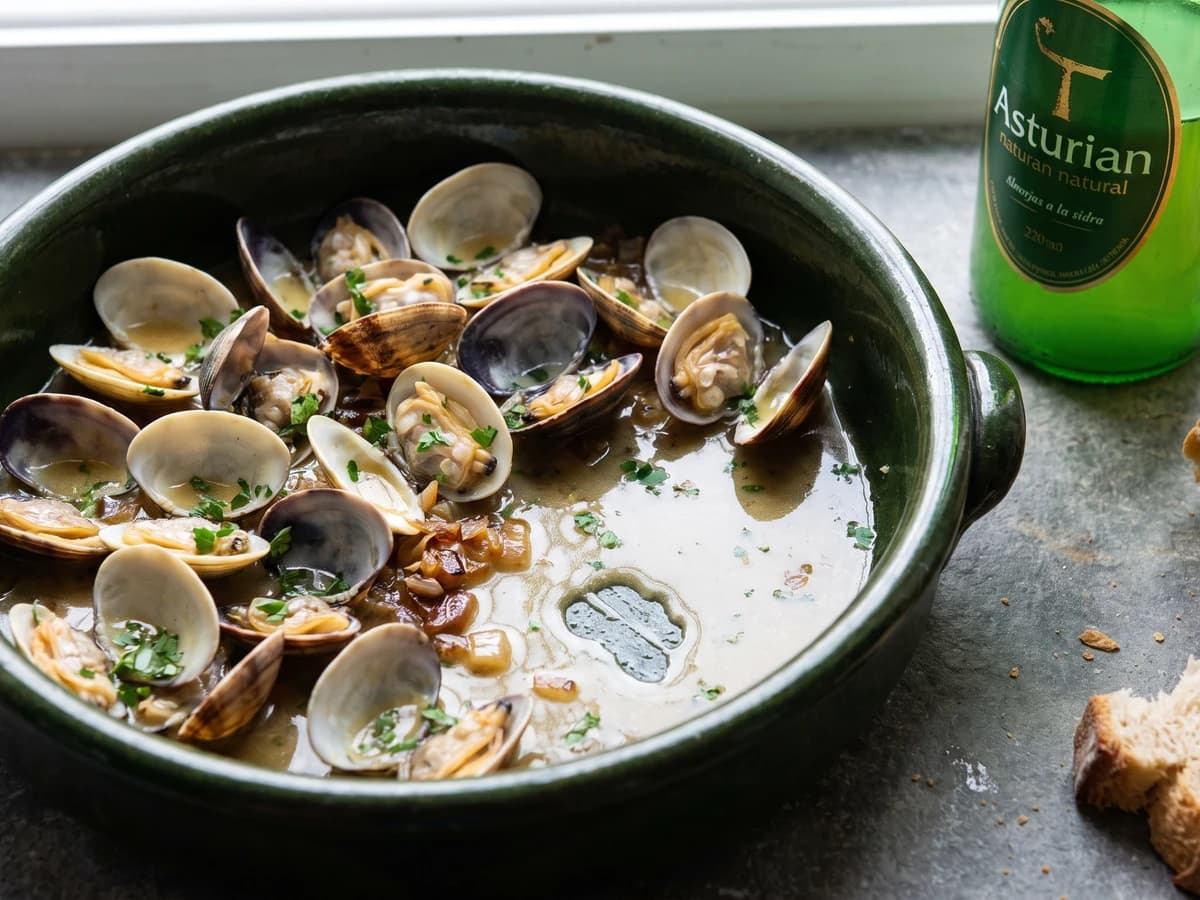
Asturias opens clams in tart natural cider over a slow onion and garlic sofrito, making a bright, briny sauce that asks for bread and rewards one rule: lift each clam as it opens.