
Chef Dean
Baked Chicken Parmesan
Golden-crusted chicken cutlets blanketed in robust marinara and stretchy mozzarella, baked until the cheese bubbles and browns at the edges. This is the dish that made Italian-American cooking famous.
A cooking platform built around craft, culture, and the stories behind what we eat.

Created by
Summer tomatoes at their peak, barely kissed by heat, tossed with garlic-warmed olive oil and torn basil over al dente pasta. A dish that proves the best cooking is knowing when to stop.
Start with the tomatoes. They should be heavy for their size, fragrant before you slice them, and warm from a sunny windowsill if not from the vine itself. Perfect ripeness is the whole point here. If your tomatoes are pale and hard, picked green and shipped across the country, wait. Make something else. This dish cannot be faked.
When the fruit is right, do almost nothing. A few minutes in a pan with good olive oil and garlic is enough. The tomatoes soften just enough to release their juices, which cling to the pasta and create something that tastes like summer distilled. You are not making a cooked sauce. You are warming perfect ingredients and getting out of the way.
I learned this kind of cooking in the south of France, where a woman at a market stall handed me tomatoes still dusty from her garden and said simply, "Do not ruin them." She was right. The best tomato pasta I have ever eaten was in a farmhouse kitchen where the cook did nothing but toss hot spaghetti with raw tomatoes, basil, and oil. The heat of the pasta was enough.
Every meal is a meaningful choice. When you buy tomatoes from a farmer who grew them in real soil, under real sun, you taste the difference. You also keep that farm alive for another season. The connection matters, and the pasta tastes better for it.
Quantity
2 pounds
preferably a mix of varieties
Quantity
1 pound
Quantity
1/3 cup, plus more for finishing
Quantity
4 cloves
thinly sliced
Quantity
1/2 teaspoon
Quantity
1 teaspoon, plus more for pasta water
Quantity
1 large handful (about 1 cup packed)
Quantity
to taste
freshly cracked
Quantity
for serving
| Ingredient | Quantity |
|---|---|
| ripe summer tomatoespreferably a mix of varieties | 2 pounds |
| dried spaghetti or linguine | 1 pound |
| extra-virgin olive oil | 1/3 cup, plus more for finishing |
| garlicthinly sliced | 4 cloves |
| red pepper flakes | 1/2 teaspoon |
| fine sea salt | 1 teaspoon, plus more for pasta water |
| fresh basil leaves | 1 large handful (about 1 cup packed) |
| black pepperfreshly cracked | to taste |
| Parmigiano-Reggiano (optional) | for serving |
Cut the tomatoes into rough chunks over a bowl to catch every drop of juice. This liquid is flavor you cannot buy. If your tomatoes are truly ripe, the flesh will yield easily under your knife, and the kitchen will smell like August. Leave them in their juices while you work.
Bring a large pot of water to a boil and salt it generously. It should taste like the sea. This is the only chance to season the pasta from within. Drop the spaghetti and cook until just shy of al dente, about one minute less than the package suggests. The pasta will finish cooking in the sauce.
While the pasta cooks, warm the olive oil in your widest skillet over medium-low heat. Add the sliced garlic and let it soften slowly, turning pale gold at the edges. This takes two to three minutes. Patience here. Rushed garlic turns bitter and harsh.
Raise the heat to medium-high. Add the tomatoes with all their juices, the red pepper flakes, and the salt. Cook for three to four minutes, just until the tomatoes soften and begin to release more liquid. They should still hold their shape. You are warming them through, not making sauce.
Reserve one cup of pasta water, then drain the spaghetti. Add it directly to the skillet with the tomatoes. Toss everything together over medium heat, adding splashes of pasta water as needed. The starchy water will cling to the strands and bind the tomatoes to the pasta. Keep tossing for one minute until everything glistens.
Remove the pan from the heat. Tear the basil leaves roughly with your hands and scatter them over the pasta. The warmth will release their fragrance without wilting them completely. Add a final drizzle of your best olive oil. Taste. Adjust salt if needed. The tomatoes should taste like themselves, bright and alive.
Divide among warm bowls. Offer black pepper and Parmigiano at the table for those who want it, though truthfully this pasta needs nothing more. Eat while the tomatoes are still warm and the basil still fragrant. This dish does not wait.
1 serving (about 400g)
Culinary guides, cultural storytelling, and the editorial depth that makes cooking meaningful.
Discover Culinary ExplorerChef Dean
Golden-crusted chicken cutlets blanketed in robust marinara and stretchy mozzarella, baked until the cheese bubbles and browns at the edges. This is the dish that made Italian-American cooking famous.

Chef Dean
Ridged ziti tubes cradling a slow-simmered meat sauce, layered with creamy ricotta and buried under a blanket of molten mozzarella that blisters golden in the oven. This is the dish that ends arguments and fills bellies.

Chef Ally
The iconic Tuscan steak: two inches of well-marbled beef, seared over a roaring fire, rested until the juices settle, then sliced and dressed with nothing but olive oil, rosemary, and sea salt.
Chef Ally
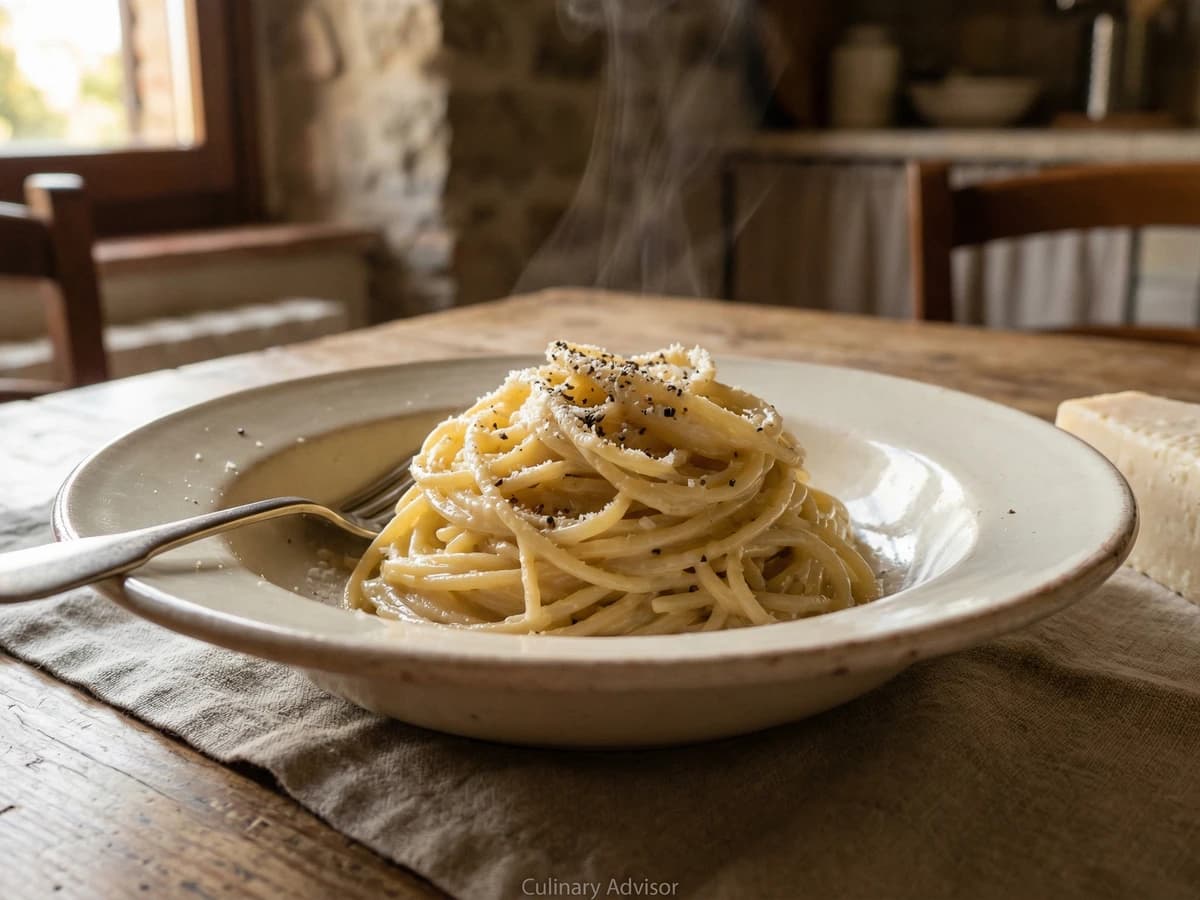
Three ingredients, infinite satisfaction. Real Pecorino Romano, freshly cracked black pepper, and good pasta transformed through nothing but technique and respect for what you have.