
Chef Ally
Braised Baby Artichokes with Lemon
Tender baby artichokes braised slowly in good olive oil until they yield to a fork, brightened with lemon and sea salt, nothing more. This is what spring tastes like when you let the ingredient lead.
A cooking platform built around craft, culture, and the stories behind what we eat.
Created by
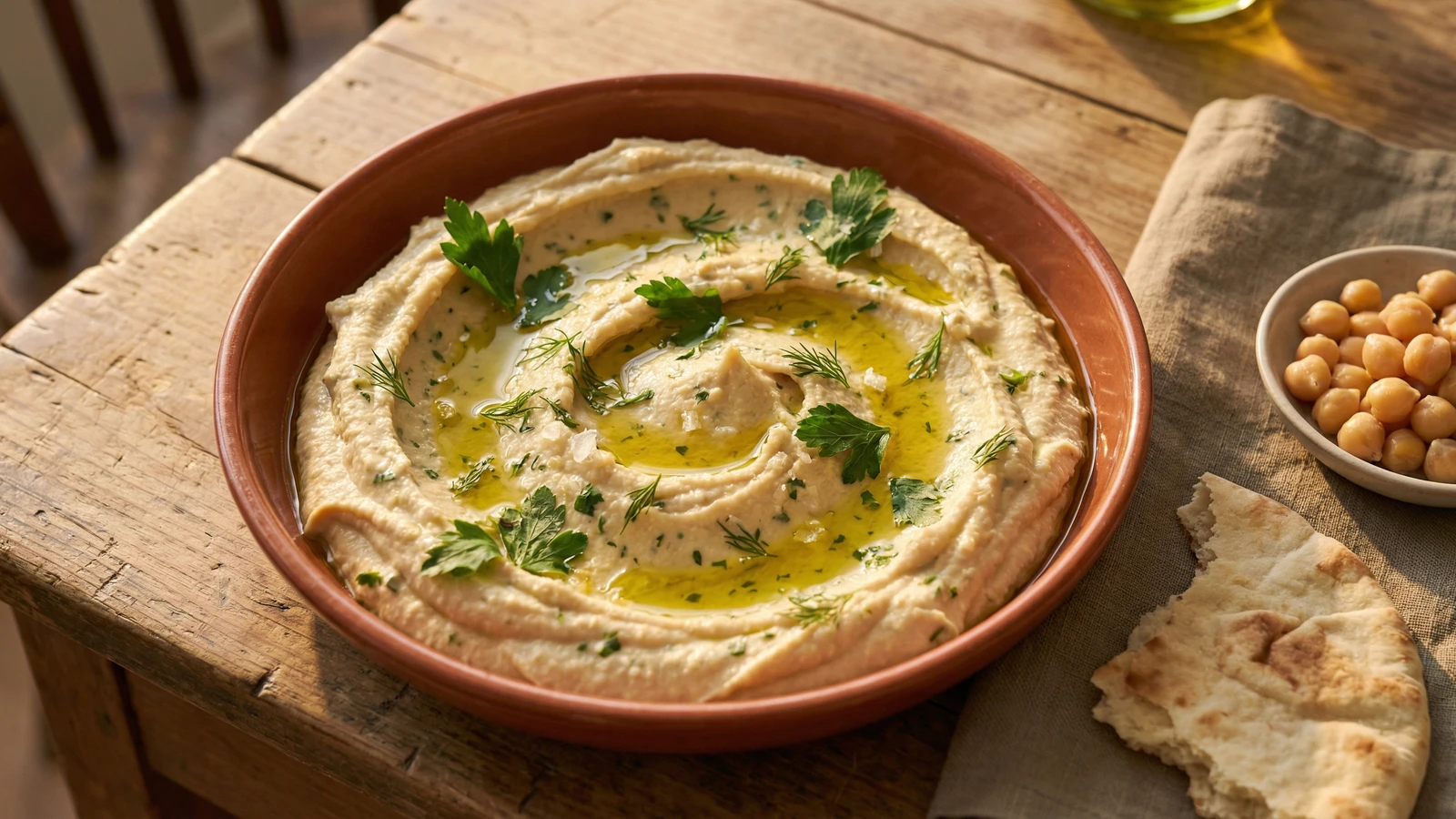
Velvety hummus made the honest way, from dried chickpeas soaked overnight and cooked until they yield to a whisper, blended with quality tahini, bright lemon, and whatever tender herbs the garden offers today.
Start with the chickpeas. Not the canned ones, although I understand the temptation. Dried chickpeas, soaked overnight in cool water, then simmered until they are so tender they nearly dissolve between your fingers. This is where good hummus begins.
The difference is unmistakable. Chickpeas cooked this way have a sweetness and depth that no can preserves. They taste alive. The texture they produce is silk, not paste. If you have never made hummus from dried chickpeas, you have not truly tasted hummus at all.
Good tahini matters just as much. Find one that lists sesame seeds and nothing else. It should pour like heavy cream, not cement. The same goes for your olive oil, which you will use generously here. A drizzle is not enough. This is a dish that rewards quality ingredients at every turn.
The herbs are yours to choose based on what grows near you. Parsley is traditional. Dill brings brightness. Cilantro adds its own particular magic. Use what the garden or market offers, and use it freely. Every meal is a meaningful choice, and this one connects you to the farmer, the season, and the simple pleasure of food made well.
Quantity
1 cup
Quantity
1/2 teaspoon
Quantity
1/3 cup
well-stirred
Quantity
3 tablespoons
about 1 large lemon
Quantity
1 small
Quantity
1/2 teaspoon, plus more to taste
Quantity
2-4 tablespoons
Quantity
1/4 cup, plus more for finishing
Quantity
1/2 cup
loosely packed (parsley, dill, or cilantro)
Quantity
1/2 teaspoon
Quantity
for finishing
| Ingredient | Quantity |
|---|---|
| dried chickpeas | 1 cup |
| baking soda | 1/2 teaspoon |
| quality tahiniwell-stirred | 1/3 cup |
| fresh lemon juiceabout 1 large lemon | 3 tablespoons |
| garlic clove | 1 small |
| fine sea salt | 1/2 teaspoon, plus more to taste |
| ice water | 2-4 tablespoons |
| good olive oil | 1/4 cup, plus more for finishing |
| mixed tender herbsloosely packed (parsley, dill, or cilantro) | 1/2 cup |
| ground cumin (optional) | 1/2 teaspoon |
| flaky sea salt | for finishing |
Place dried chickpeas in a large bowl and cover with several inches of cool water. The chickpeas will double in size, so be generous. Add the baking soda, which helps soften the skins and produces a creamier result. Let them soak at room temperature for eight to twelve hours, or overnight. Plan ahead. Good hummus asks for patience.
Drain and rinse the soaked chickpeas. Transfer to a pot and cover with fresh water by three inches. Bring to a boil, then reduce to a gentle simmer. Cook uncovered for one to one and a half hours, until the chickpeas are completely tender. You want them softer than you think. When you press one between your fingers, it should offer no resistance whatsoever. Skim any foam and loose skins that rise to the surface.
While the chickpeas cook, combine the tahini, lemon juice, garlic, and fine sea salt in your food processor. Process for about two minutes, scraping down the sides as needed, until the mixture turns pale and fluffy. It will seize at first, then loosen into something light and creamy. This step builds the foundation for silky hummus.
Drain the chickpeas, reserving about half a cup of cooking liquid. Add the warm chickpeas to the tahini base. Process for four to five minutes, stopping to scrape down the sides twice. The hummus should become very smooth, almost whipped in texture. Add ice water one tablespoon at a time if needed to achieve a consistency that holds soft peaks but spreads easily.
With the processor running, pour the olive oil through the feed tube in a slow, steady stream. Add the cumin now if using. Process another thirty seconds until fully incorporated. Taste and adjust the salt and lemon. Good hummus should taste bright and balanced, never heavy.
Tear the herbs roughly, discarding any tough stems. Reserve a small handful for garnish. Pulse the remaining herbs into the hummus just a few times, leaving visible flecks of green throughout. You want their presence felt, not obliterated. Let things taste of what they are.
Transfer the hummus to a wide, shallow bowl. Use the back of a spoon to create swoops and wells in the surface. Pool good olive oil generously in the valleys. Scatter the reserved herbs over the top. Finish with flaky sea salt. Serve with warm flatbread, raw vegetables, or simply a spoon and good company.
1 serving (about 60g)
Culinary guides, cultural storytelling, and the editorial depth that makes cooking meaningful.
Discover Culinary ExplorerChef Ally
Tender baby artichokes braised slowly in good olive oil until they yield to a fork, brightened with lemon and sea salt, nothing more. This is what spring tastes like when you let the ingredient lead.
Chef Dean
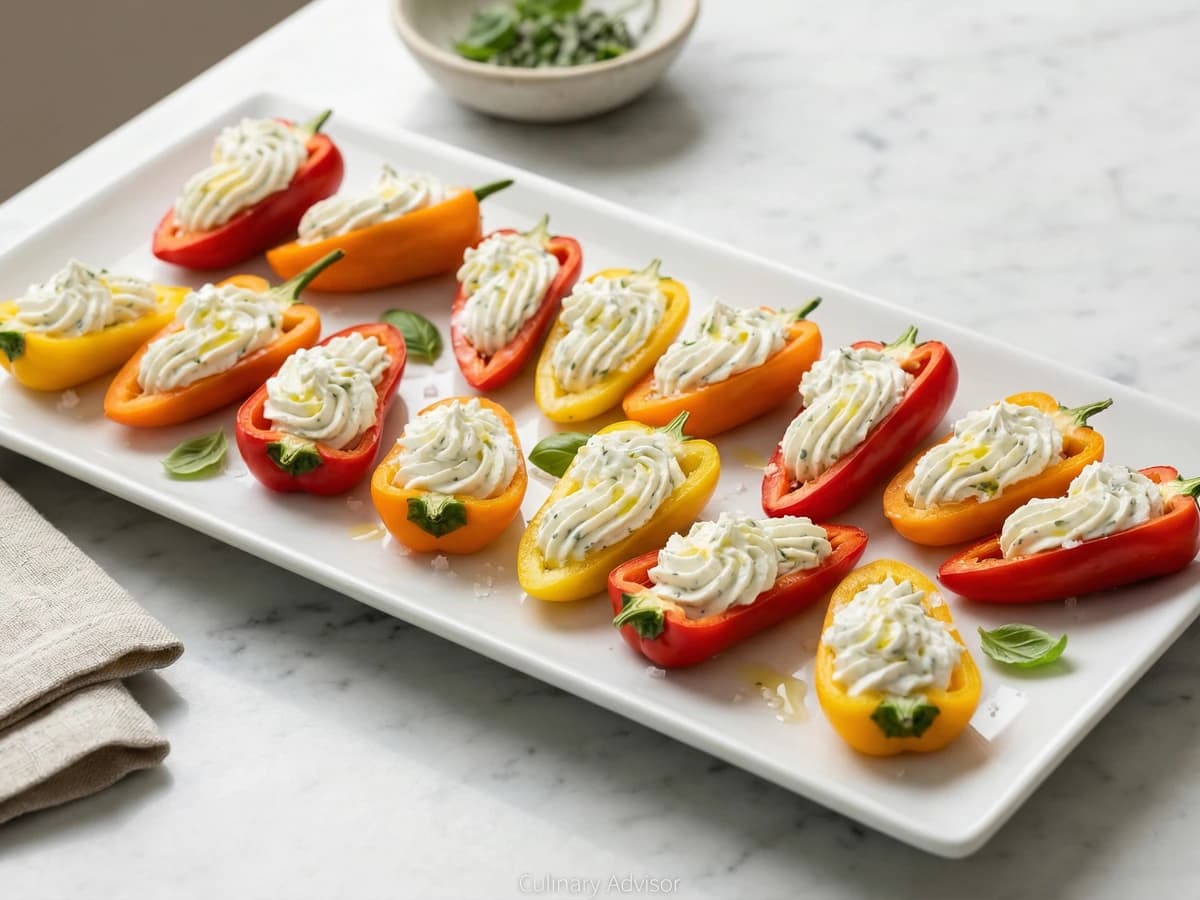
Vibrant mini peppers cradling clouds of herbed goat cheese, each bite delivering sweet crunch against tangy cream. The kind of appetizer that disappears first and gets requested again.

Chef Ally
Summer vegetables from the market, threaded on skewers and charred over flame, then brushed with a fragrant oil of fresh herbs and garlic. Simple food that tastes like the best of the season.
Chef Dean
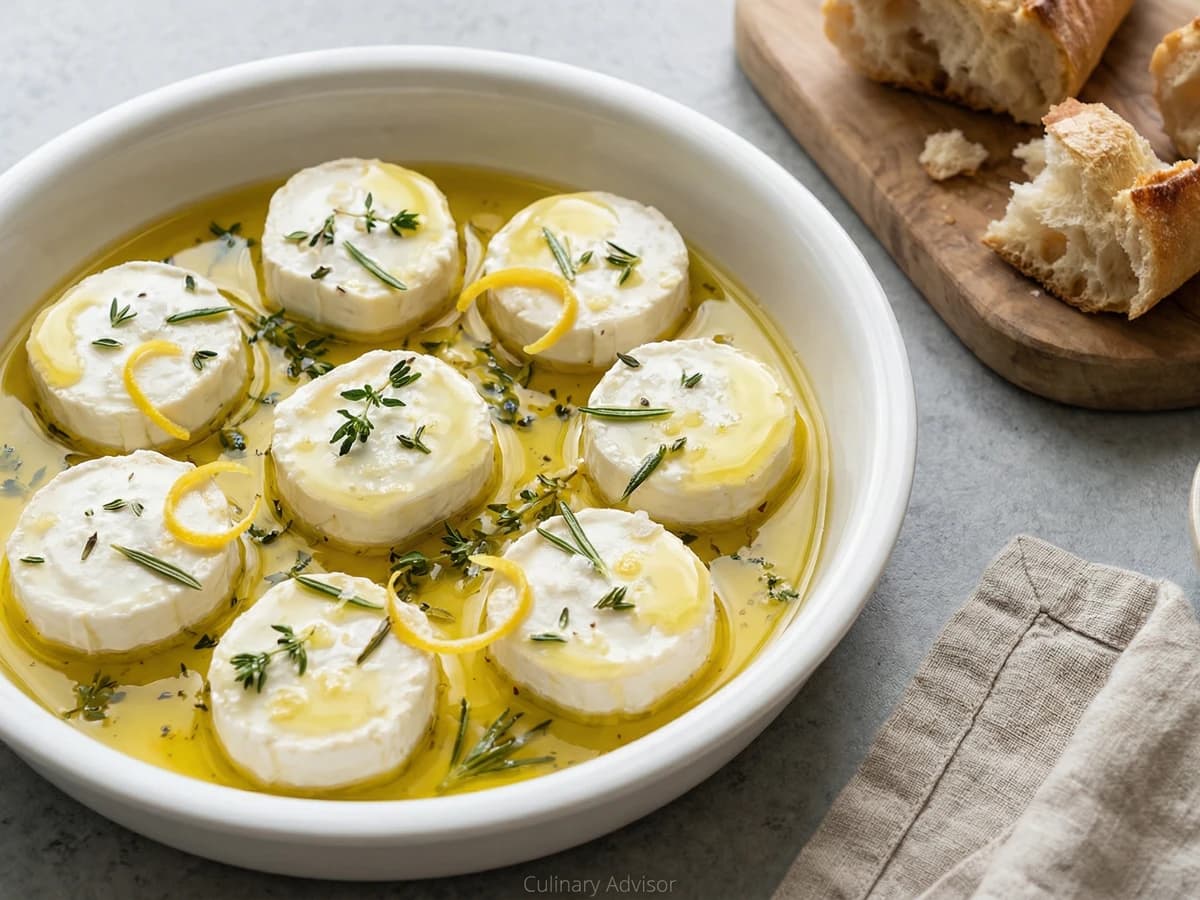
Tangy rounds of fresh goat cheese steeped in golden olive oil fragrant with thyme, rosemary, garlic, and bright citrus zest. The kind of make-ahead appetizer that improves while you sleep and makes you look impossibly accomplished.