
Chef Dean
Antipasto Tortellini Salad
Plump cheese tortellini tumbled with the greatest hits of the Italian deli counter, all glossed in a garlicky herb vinaigrette that improves as it sits. This is the potluck dish that comes home empty.
A cooking platform built around craft, culture, and the stories behind what we eat.
Created by
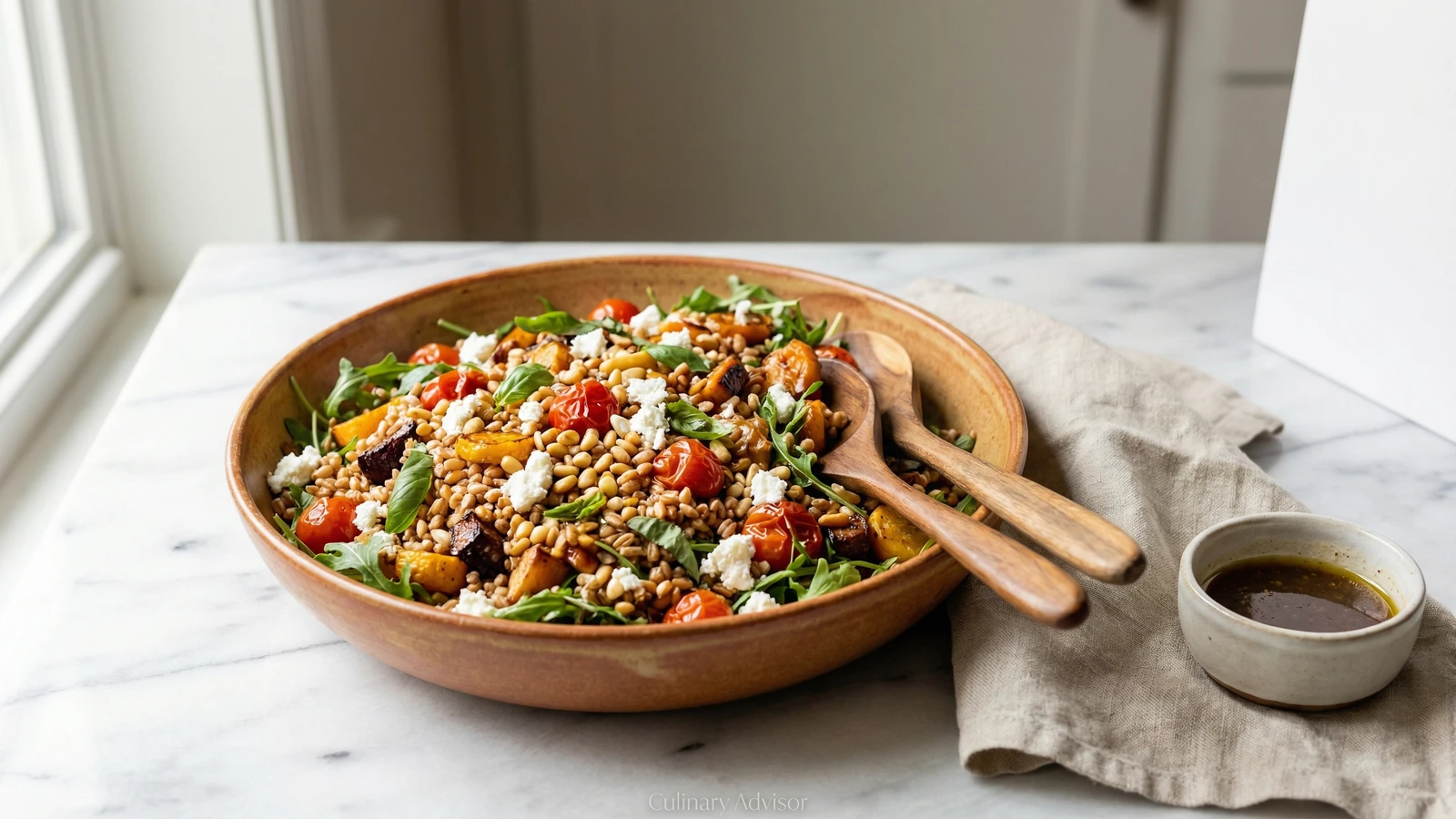
Nutty, chewy farro tossed with sweet caramelized vegetables, peppery arugula, and a properly emulsified balsamic vinaigrette. This is the potluck dish people ask you to bring again.
Farro fed Roman legions. This ancient grain sustained an empire, and yet most American cooks have never touched it. That's a shame worth correcting. Farro has a chew that rice cannot match, a nuttiness that quinoa only hints at, and a sturdiness that makes it the ideal foundation for a salad meant to travel.
The Italians have been making grain salads for centuries, long before they became fashionable at Brooklyn lunch counters. In Tuscany, you'll find farro dressed simply with good olive oil, fresh tomatoes, and torn basil. This version takes that honest foundation and builds upon it with deeply roasted vegetables, their edges gone dark and sweet from proper caramelization.
What makes this salad exceptional for potlucks is its patience. Unlike delicate lettuces that wilt at the first hint of dressing, farro drinks in the vinaigrette and improves. Make it in the morning, let it sit, and by evening the flavors have married into something greater than their parts. The vegetables soften slightly, the herbs release their oils, and the whole thing tastes like it was made by someone who knows what they're doing. Because you do.
Quantity
1 1/2 cups
Quantity
4 cups
Quantity
1 teaspoon, plus more to taste
Quantity
1
Quantity
2 medium
cut into 3/4-inch half-moons
Quantity
1 large
cut into 1-inch pieces
Quantity
1 large
cut into 1-inch wedges
Quantity
1 pint
Quantity
5 tablespoons, divided
Quantity
1/2 teaspoon
freshly cracked
Quantity
1 small
minced (about 2 tablespoons)
Quantity
1 clove
minced
Quantity
3 tablespoons
Quantity
1 teaspoon
Quantity
1 teaspoon
Quantity
4 cups
Quantity
1/2 cup
torn
Quantity
1/4 cup
roughly chopped
Quantity
1/3 cup
toasted
Quantity
4 ounces (about 1 cup)
crumbled
| Ingredient | Quantity |
|---|---|
| semi-pearled farro | 1 1/2 cups |
| water or vegetable stock | 4 cups |
| kosher salt | 1 teaspoon, plus more to taste |
| bay leaf | 1 |
| zucchinicut into 3/4-inch half-moons | 2 medium |
| red bell peppercut into 1-inch pieces | 1 large |
| red onioncut into 1-inch wedges | 1 large |
| cherry tomatoes | 1 pint |
| extra-virgin olive oil | 5 tablespoons, divided |
| black pepperfreshly cracked | 1/2 teaspoon |
| shallotminced (about 2 tablespoons) | 1 small |
| garlicminced | 1 clove |
| aged balsamic vinegar | 3 tablespoons |
| Dijon mustard | 1 teaspoon |
| honey | 1 teaspoon |
| baby arugula | 4 cups |
| fresh basil leavestorn | 1/2 cup |
| fresh flat-leaf parsleyroughly chopped | 1/4 cup |
| pine nutstoasted | 1/3 cup |
| ricotta salatacrumbled | 4 ounces (about 1 cup) |
Place the farro in a dry saucepan over medium heat. Stir constantly for two to three minutes until the grains smell toasty and nutty, like warm bread. This step isn't optional. Toasting builds depth of flavor that water alone cannot provide. Add the water or stock, salt, and bay leaf. Bring to a boil, then reduce to a gentle simmer. Cook uncovered for 25 to 30 minutes until the grains are tender but still pleasantly chewy. They should yield to your tooth but not turn mushy.
While the farro simmers, preheat your oven to 425°F. Spread the zucchini, bell pepper, and onion wedges on a large rimmed baking sheet. Toss with three tablespoons of olive oil and season generously with salt and pepper. Arrange in a single layer with space between pieces. Crowded vegetables steam; spaced vegetables caramelize. Roast for 20 minutes. Add the cherry tomatoes to the pan, toss everything gently, and roast another 15 to 20 minutes until edges are deeply golden and the tomatoes have burst and released their juices.
In a small bowl or jar, combine the minced shallot, garlic, balsamic vinegar, Dijon mustard, and honey. Let this sit for five minutes while you prepare other components. The acid mellows the raw shallot's bite. Now add the remaining two tablespoons of olive oil in a thin stream, whisking constantly until the dressing turns creamy and holds together. This is emulsification. The mustard acts as a liaison, binding oil and vinegar into a unified sauce that coats rather than slides off. Taste and adjust salt.
Drain the cooked farro well, discarding the bay leaf. Transfer to a large serving bowl while still warm. Pour about two-thirds of the vinaigrette over the warm grains and toss thoroughly. Warm farro absorbs dressing like a sponge, seasoning itself from within. This is the secret to grain salads that taste fully developed rather than hastily assembled. Let the dressed farro cool to room temperature, stirring occasionally.
Scrape the roasted vegetables and all their caramelized juices onto the dressed farro. Those pan juices are concentrated flavor. Fold gently to combine, keeping some vegetable pieces intact on top for visual appeal. At this point, the salad can rest at room temperature for up to two hours or be refrigerated for up to 24 hours. The flavors only improve with time.
Just before serving, add the arugula, torn basil, and parsley. The arugula provides peppery contrast to the sweet vegetables; the herbs bring brightness that would dull if added too early. Drizzle the remaining vinaigrette over top and toss gently. Scatter the toasted pine nuts and crumbled ricotta salata across the surface. Taste once more for salt. Serve at room temperature for the fullest flavor.
1 serving (about 280g)
Culinary guides, cultural storytelling, and the editorial depth that makes cooking meaningful.
Discover Culinary ExplorerChef Dean
Plump cheese tortellini tumbled with the greatest hits of the Italian deli counter, all glossed in a garlicky herb vinaigrette that improves as it sits. This is the potluck dish that comes home empty.

Chef Ally
Peppery arugula leaves tossed in nothing but fresh lemon and good olive oil, showered with curls of aged pecorino. A salad that proves the best cooking is knowing when to get out of the way.

Chef Dean
Sun-ripened tomatoes and milky fresh mozzarella layered with fragrant basil, finished with your finest olive oil and a whisper of sea salt. This is Italian cooking at its most honest: three ingredients, zero places to hide.
Chef Dean
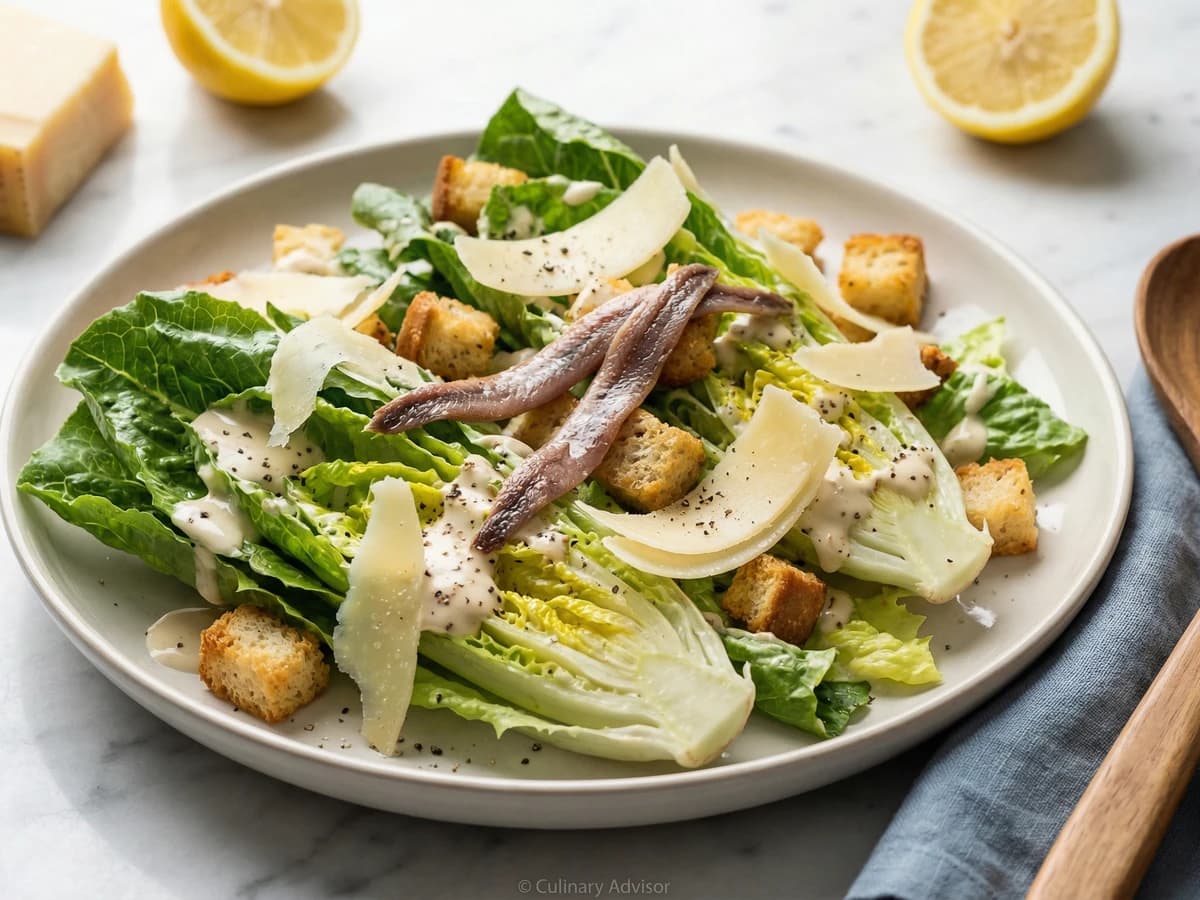
The salad Caesar Cardini invented in Tijuana in 1924, with crisp romaine spears dressed tableside in a garlicky, anchovy-laced emulsion, scattered with crunchy croutons and snow-drifts of Parmigiano-Reggiano.