
Chef Ally
Arugula with Shaved Pecorino and Lemon
Peppery arugula leaves tossed in nothing but fresh lemon and good olive oil, showered with curls of aged pecorino. A salad that proves the best cooking is knowing when to get out of the way.
A cooking platform built around craft, culture, and the stories behind what we eat.
Created by
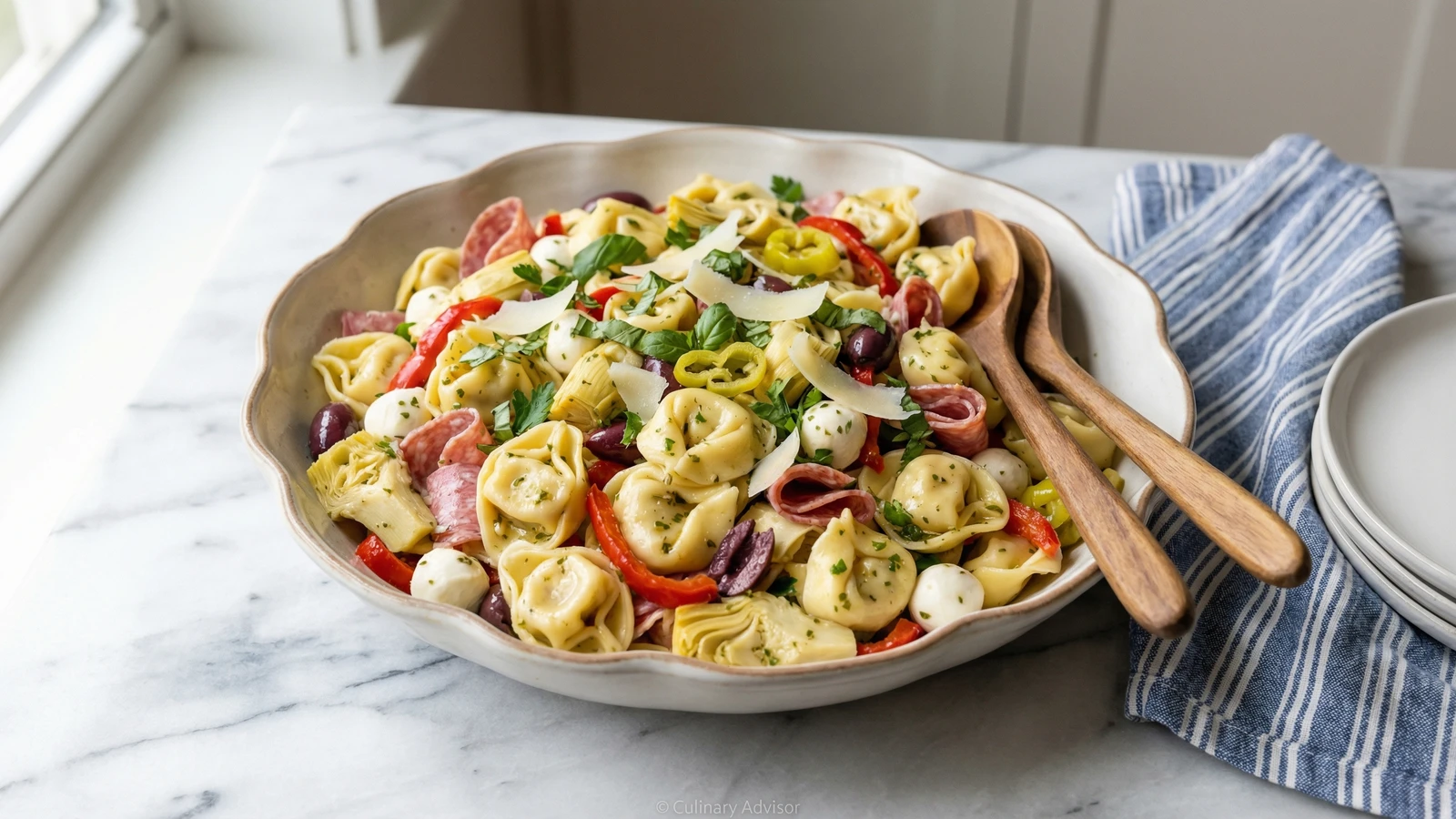
Plump cheese tortellini tumbled with the greatest hits of the Italian deli counter, all glossed in a garlicky herb vinaigrette that improves as it sits. This is the potluck dish that comes home empty.
Every Italian-American family has a version of this salad, and they all trace back to the same impulse: take the best things from the antipasto platter and make them portable. What started as an improvisation at church suppers and union picnics has become a legitimate classic. I've seen this dish unite strangers at potlucks and prompt recipe requests before the first serving spoon hits the table.
The genius lives in the architecture. Tortellini provides the starchy foundation, their little cheese-filled pockets acting as flavor sponges. The cured meats bring salt and fat. The vegetables contribute brightness and texture. And the vinaigrette ties everything together while preventing the pasta from turning into a gummy mass.
Don't skimp on the marinating time. This is one of those rare dishes that actually improves after sitting in the refrigerator. The vinaigrette softens the salami's edges, the artichokes release their briny liquor, and the tortellini absorb just enough dressing to become deeply seasoned without losing their pleasant chew. Make it the night before your gathering. You'll thank yourself when you can simply pull it from the refrigerator while everyone else is still chopping.
Quantity
2 pounds
fresh or frozen
Quantity
1/2 cup
Quantity
3 tablespoons
Quantity
1 tablespoon
Quantity
3 cloves
minced
Quantity
1 teaspoon
Quantity
1/2 teaspoon
Quantity
1/2 teaspoon, plus more to taste
Quantity
1/4 teaspoon
freshly ground
Quantity
1/4 teaspoon
Quantity
6 ounces
cut into strips
Quantity
6 ounces
quartered
Quantity
8 ounces
drained
Quantity
1 (14-ounce) can
drained and quartered
Quantity
1 cup
drained and sliced
Quantity
1/2 cup
pitted and halved
Quantity
1/2 cup
sliced into rings
Quantity
1/2 small
thinly sliced
Quantity
1/2 cup
roughly chopped
Quantity
1/4 cup
torn
Quantity
1/2 cup
shaved
| Ingredient | Quantity |
|---|---|
| cheese tortellinifresh or frozen | 2 pounds |
| extra-virgin olive oil | 1/2 cup |
| red wine vinegar | 3 tablespoons |
| Dijon mustard | 1 tablespoon |
| garlicminced | 3 cloves |
| dried oregano | 1 teaspoon |
| dried basil | 1/2 teaspoon |
| kosher salt | 1/2 teaspoon, plus more to taste |
| black pepperfreshly ground | 1/4 teaspoon |
| crushed red pepper flakes | 1/4 teaspoon |
| Genoa salamicut into strips | 6 ounces |
| sopressata or pepperoniquartered | 6 ounces |
| fresh mozzarella pearlsdrained | 8 ounces |
| artichoke heartsdrained and quartered | 1 (14-ounce) can |
| roasted red peppersdrained and sliced | 1 cup |
| Kalamata olivespitted and halved | 1/2 cup |
| pepperoncinisliced into rings | 1/2 cup |
| red onionthinly sliced | 1/2 small |
| fresh Italian parsleyroughly chopped | 1/2 cup |
| fresh basil leavestorn | 1/4 cup |
| Parmesan cheeseshaved | 1/2 cup |
Bring a large pot of water to a rolling boil and salt it generously. It should taste like the sea. Cook the tortellini one minute shy of the package directions. They'll continue absorbing liquid from the dressing, so slightly undercooking prevents mushiness. The pasta should be tender but with noticeable resistance at the center.
While the pasta cooks, make your dressing. Combine the minced garlic, Dijon mustard, red wine vinegar, salt, pepper, oregano, dried basil, and red pepper flakes in a large mixing bowl. The mustard is crucial here. It contains natural emulsifiers that will bind the oil and vinegar into a stable dressing rather than a separated mess. Whisk vigorously while slowly drizzling in the olive oil in a thin, steady stream. The dressing should turn creamy and slightly thickened.
Drain the tortellini well and shake the colander to remove excess water. Transfer immediately to the bowl with the vinaigrette and toss gently but thoroughly. The warm pasta will absorb the dressing more readily than cold pasta ever could. This is the moment that builds flavor into every bite. Let it cool to room temperature, tossing occasionally to prevent sticking.
While the pasta cools, prepare your add-ins. Cut the salami into matchstick strips about two inches long. Quarter the sopressata slices. Drain the mozzarella pearls and pat them dry. Quarter the artichoke hearts. Slice the roasted peppers into strips. Halve the olives and slice the pepperoncini into rings. Slice the red onion paper-thin.
Add the salami, sopressata, mozzarella pearls, artichoke hearts, roasted peppers, olives, pepperoncini, and red onion to the dressed tortellini. Fold everything together using a large spatula, working from the bottom of the bowl to distribute ingredients evenly. You want every serving to contain the full spectrum of flavors and textures.
Fold in the chopped parsley, reserving a small handful for garnish. Cover the bowl tightly and refrigerate for at least two hours, preferably overnight. The resting time allows the flavors to marry and the dressing to penetrate every component. This is not optional. A rushed antipasto salad tastes like disparate ingredients. A rested one tastes like a unified dish.
Remove from the refrigerator thirty minutes before serving to take the chill off. Taste and adjust seasoning with additional salt and pepper. The salami and olives contribute significant salt, so be judicious. Add the torn basil leaves and toss gently. Transfer to a serving bowl and top with shaved Parmesan and the reserved parsley. Serve at cool room temperature for the best texture and flavor.
1 serving (about 280g)
Culinary guides, cultural storytelling, and the editorial depth that makes cooking meaningful.
Discover Culinary ExplorerChef Ally
Peppery arugula leaves tossed in nothing but fresh lemon and good olive oil, showered with curls of aged pecorino. A salad that proves the best cooking is knowing when to get out of the way.

Chef Dean
Sun-ripened tomatoes and milky fresh mozzarella layered with fragrant basil, finished with your finest olive oil and a whisper of sea salt. This is Italian cooking at its most honest: three ingredients, zero places to hide.
Chef Dean
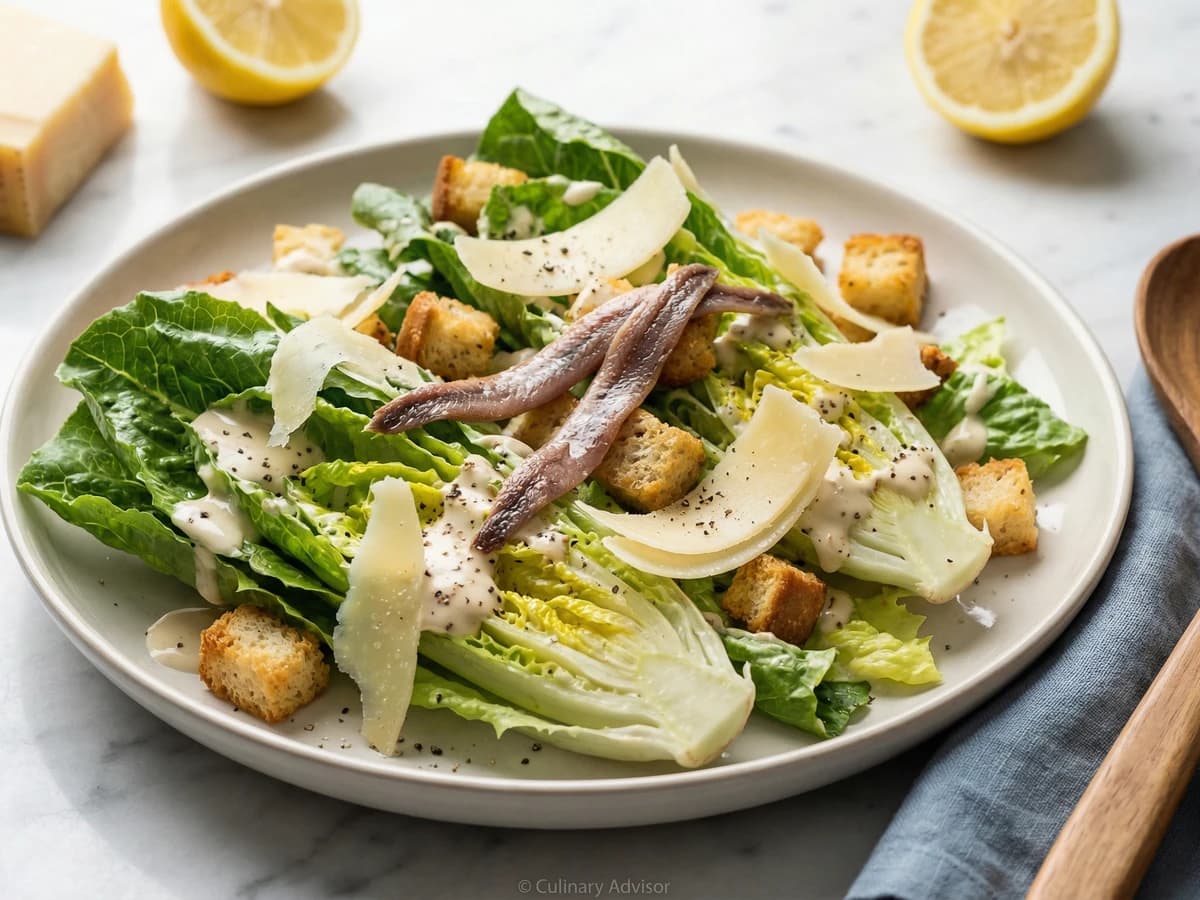
The salad Caesar Cardini invented in Tijuana in 1924, with crisp romaine spears dressed tableside in a garlicky, anchovy-laced emulsion, scattered with crunchy croutons and snow-drifts of Parmigiano-Reggiano.
Chef Dean
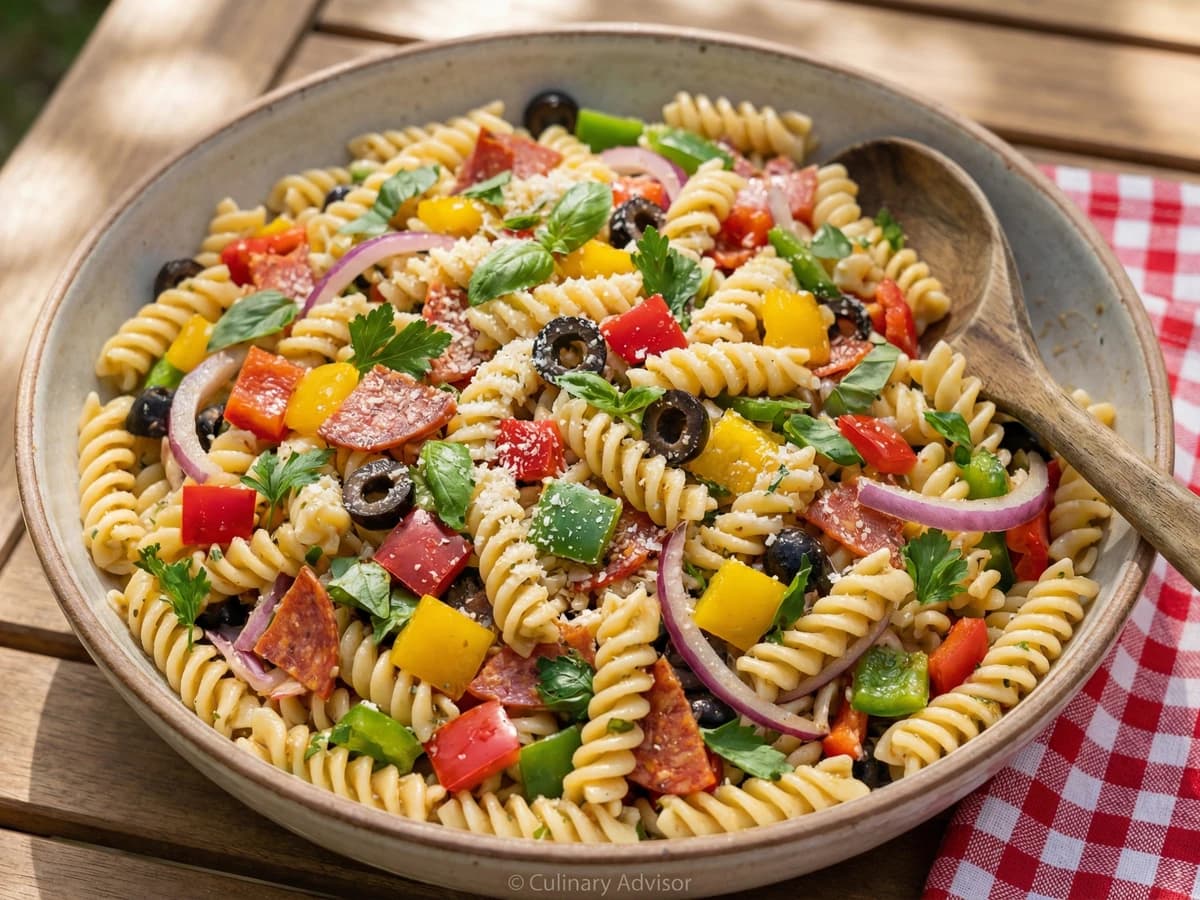
Spiral pasta tumbled with crisp peppers, briny olives, and spicy pepperoni, all bound in a tangy homemade Italian dressing that improves as it sits. This is the dish that disappears first at every summer gathering.