Chef Thomas
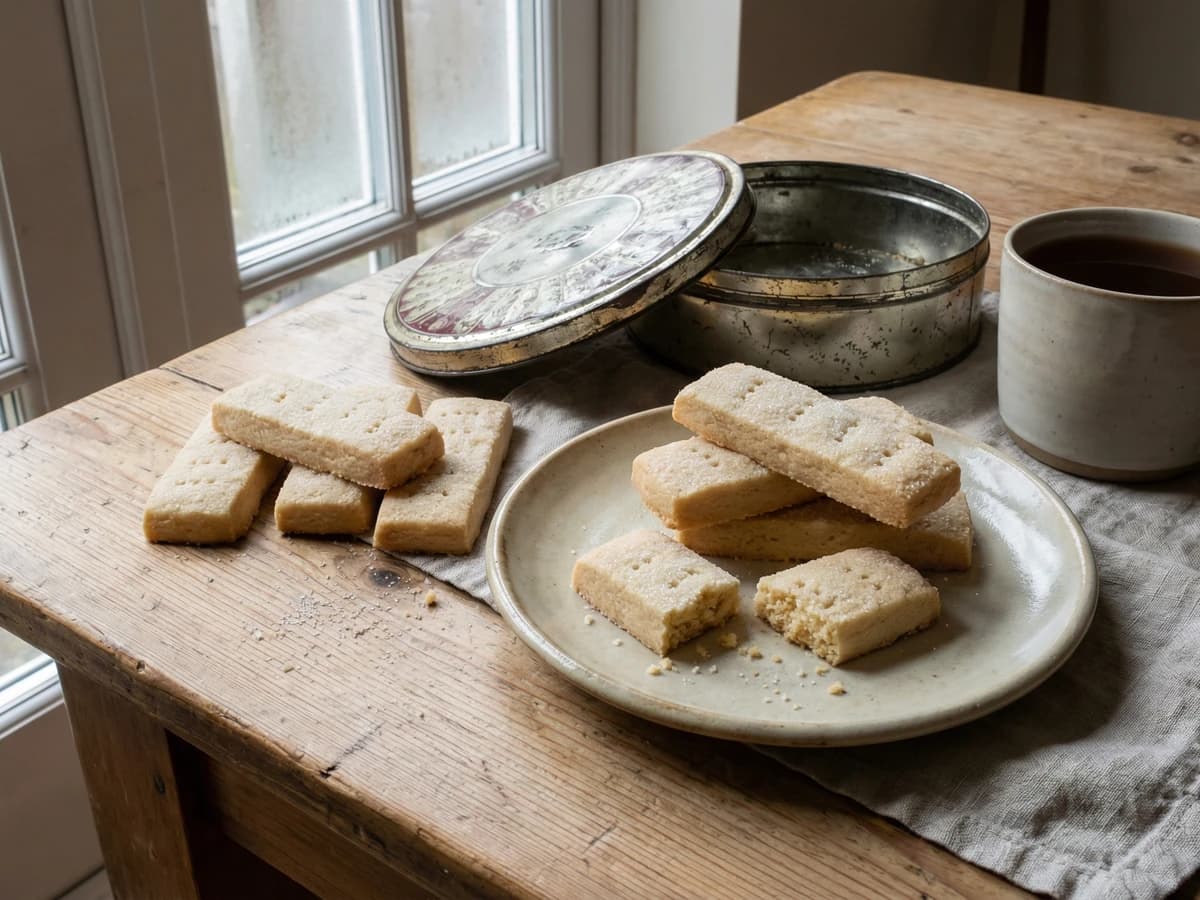
All-Butter Shortbread Fingers
The plainest biscuit in the tin and the hardest one to stop eating, three ingredients and a slow oven turning good butter into something quietly perfect with a cup of tea.
A cooking platform built around craft, culture, and the stories behind what we eat.

Created by Chef Thomas
A pair of pale shortbread rounds held together with raspberry jam, dressed in white icing and a glace cherry. The biscuit your grandmother bought from the bakery on a Saturday morning.
Awet afternoon in February. The kind where the light gives up by three and the only sensible thing to do is put the kettle on. This is when empire biscuits make sense to me, not in summer when the garden is generous, but in the quiet, cold months when a tin of something sweet on the counter feels like a small kindness to your future self.
They have a strange, particular history, these biscuits. They were called something else once, before the first war made the old name uncomfortable, and the bakeries of Scotland renamed them and carried on. I find that quietly moving. A biscuit that changed its name and kept being a biscuit. There's a lesson in that somewhere, but I'm not going to chase it.
What matters is the eating. A proper empire biscuit is two rounds of buttery shortbread, pale as parchment, sandwiching a generous layer of raspberry jam, topped with a thin shell of white icing and a single glace cherry pressed into the middle. The cherry is non-negotiable. I know glace cherries are unfashionable, that they belong to a different era of baking, that some people consider them embarrassing. I don't. They're the whole point. Without the cherry, you've just made a biscuit. With it, you've made an empire biscuit, and the difference is everything.
Make them on a slow afternoon when you have nothing else to do. Let the dough rest properly. Bake them pale. Use a jam with whole fruit in it, the kind where you can still see the seeds. I wrote it down in the notebook the last time I made a batch: shortbread, jam, icing, cherry, rain outside, the radio on. Some afternoons are worth the writing down.
Quantity
250g
softened to room temperature
Quantity
125g
Quantity
300g
Quantity
50g
Quantity
pinch
Quantity
150g
the kind with whole fruit in it
Quantity
200g
sifted
Quantity
2-3 teaspoons
Quantity
12
left whole or halved
| Ingredient | Quantity |
|---|---|
| unsalted buttersoftened to room temperature | 250g |
| golden caster sugar | 125g |
| plain flour | 300g |
| cornflour | 50g |
| fine sea salt | pinch |
| good raspberry jamthe kind with whole fruit in it | 150g |
| icing sugarsifted | 200g |
| cold water or lemon juice | 2-3 teaspoons |
| glace cherriesleft whole or halved | 12 |
Beat the softened butter and sugar together until pale and a little fluffy. Not whipped to within an inch of its life, just lightened. A few minutes with a wooden spoon or a couple with an electric beater. The butter must be properly soft for this. Cold butter will fight you the whole way.
Sift the flour, cornflour and salt over the butter mixture. Stir gently with a wooden spoon until it starts to come together, then bring it into a ball with your hands. Don't knead it. Shortbread doesn't want gluten development; it wants short, tender crumbs. The moment it holds together, stop.
Flatten the dough into a thick disc, wrap it, and put it in the fridge for at least thirty minutes. This is not optional. Cold dough rolls better, holds its shape better in the oven, and bakes into a more tender biscuit. Make a cup of tea while you wait.
Set the oven to 170C/150C fan. Line two baking trays with parchment. Roll the dough out on a lightly floured surface to about 5mm thick. Cut into rounds with a 6cm cutter. You want twenty-four in total because each biscuit is a sandwich. Re-roll the scraps once, no more, or the second batch will be tougher than the first.
Lift the rounds onto the trays with a palette knife. Bake for twelve to fifteen minutes. You're looking for the palest gold imaginable, with edges just barely turning. Shortbread should never brown properly. If the tops are colouring, you've gone too far. Trust your nose. When the kitchen smells of warm butter and the biscuits look set but still pale, they're done.
Once the biscuits are completely cool, turn half of them upside down. Spoon a generous teaspoon of raspberry jam into the centre of each. Don't spread it thin. The jam is half the point. Press another biscuit gently on top. The jam should just kiss the edges without oozing out. If it oozes, you've used too much. Eat that one. Try again.
Sift the icing sugar into a bowl and add the water or lemon juice a teaspoon at a time, stirring with a small spoon, until you have a thick, smooth icing that holds a soft peak when you lift the spoon. It should be the consistency of double cream that has been whipped just to the point of holding its shape. Too runny and it slides off the biscuit. Too stiff and it won't settle into a smooth top. Lemon juice gives a sharper finish that cuts through the richness, which I prefer, but water is traditional.
Spoon a heaped teaspoon of icing onto the top of each sandwich. Use the back of the spoon to nudge it gently toward the edges, letting it find its own level. It should cover most of the top but not drip down the sides. Place a glace cherry in the centre while the icing is still wet so it sets in place. Leave the biscuits somewhere cool for an hour or so until the icing has firmed to a matte, slightly crisp shell.
1 serving (about 90g)
Culinary guides, cultural storytelling, and the editorial depth that makes cooking meaningful.
Discover Culinary ExplorerChef Thomas
The plainest biscuit in the tin and the hardest one to stop eating, three ingredients and a slow oven turning good butter into something quietly perfect with a cup of tea.
Chef Thomas
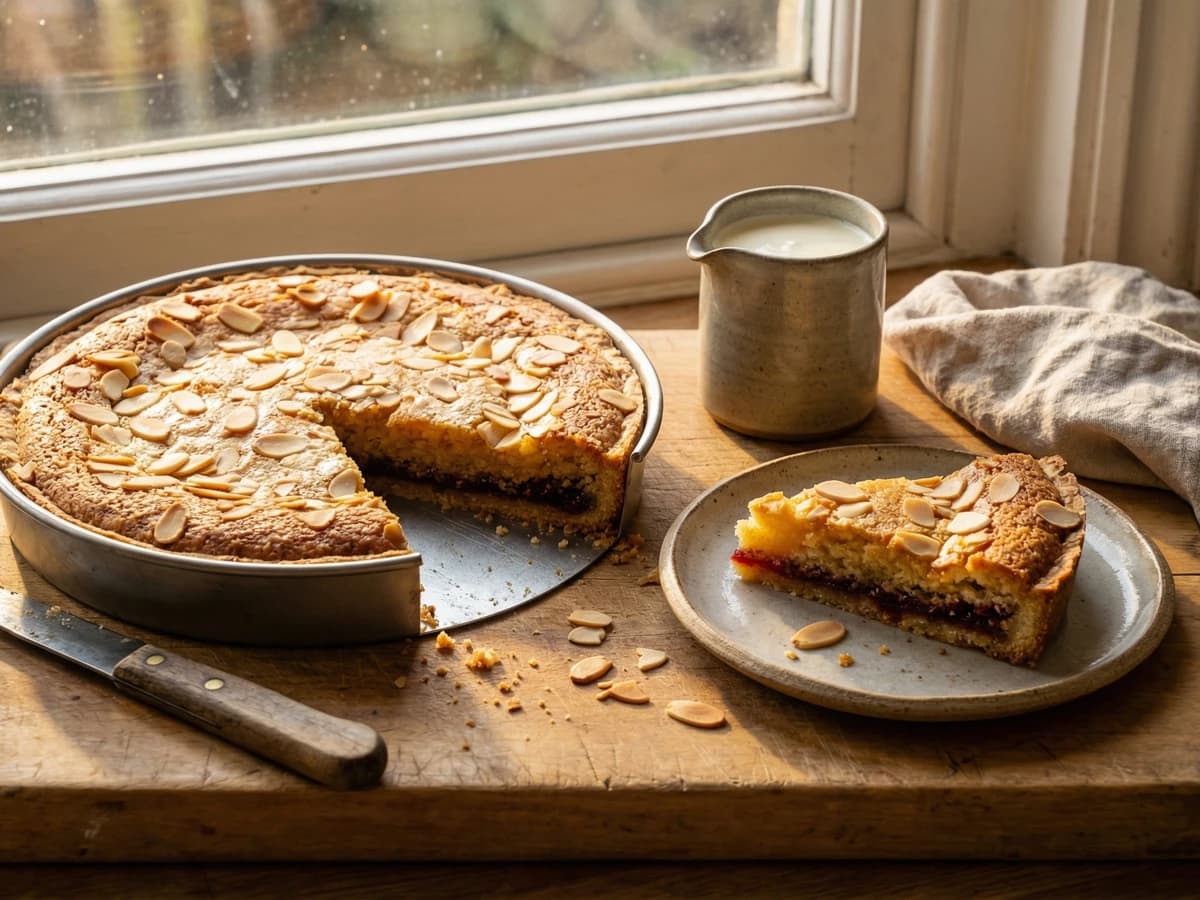
A proper Bakewell tart with buttery shortcrust, a thick layer of raspberry jam, and almond frangipane baked golden under a scattering of flaked almonds. No icing. No nonsense.
Chef Thomas
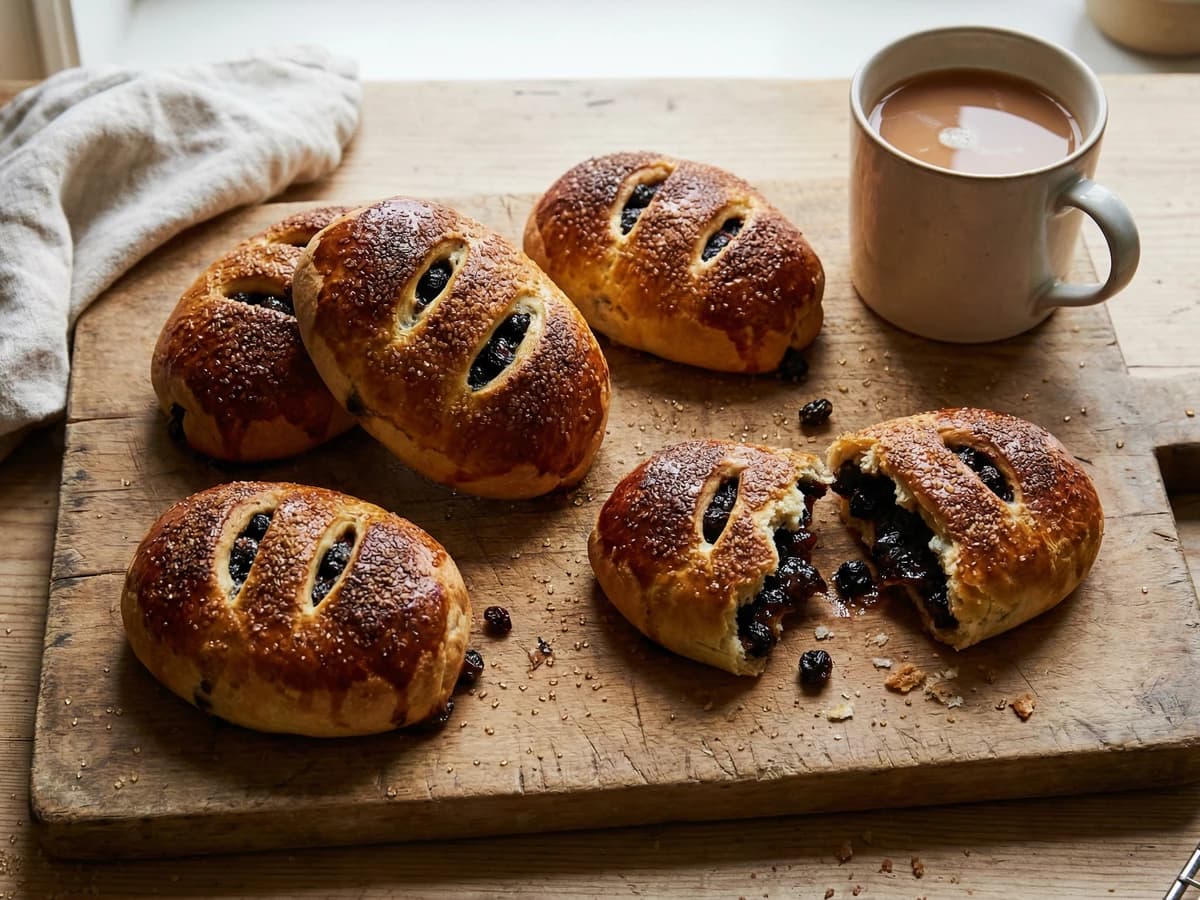
Oval pastries filled with rum-soaked currants and spice, baked until the tops crackle with sugar. The kind of thing to make on a wet Sunday afternoon when you want the kitchen to smell of something.
Chef Thomas
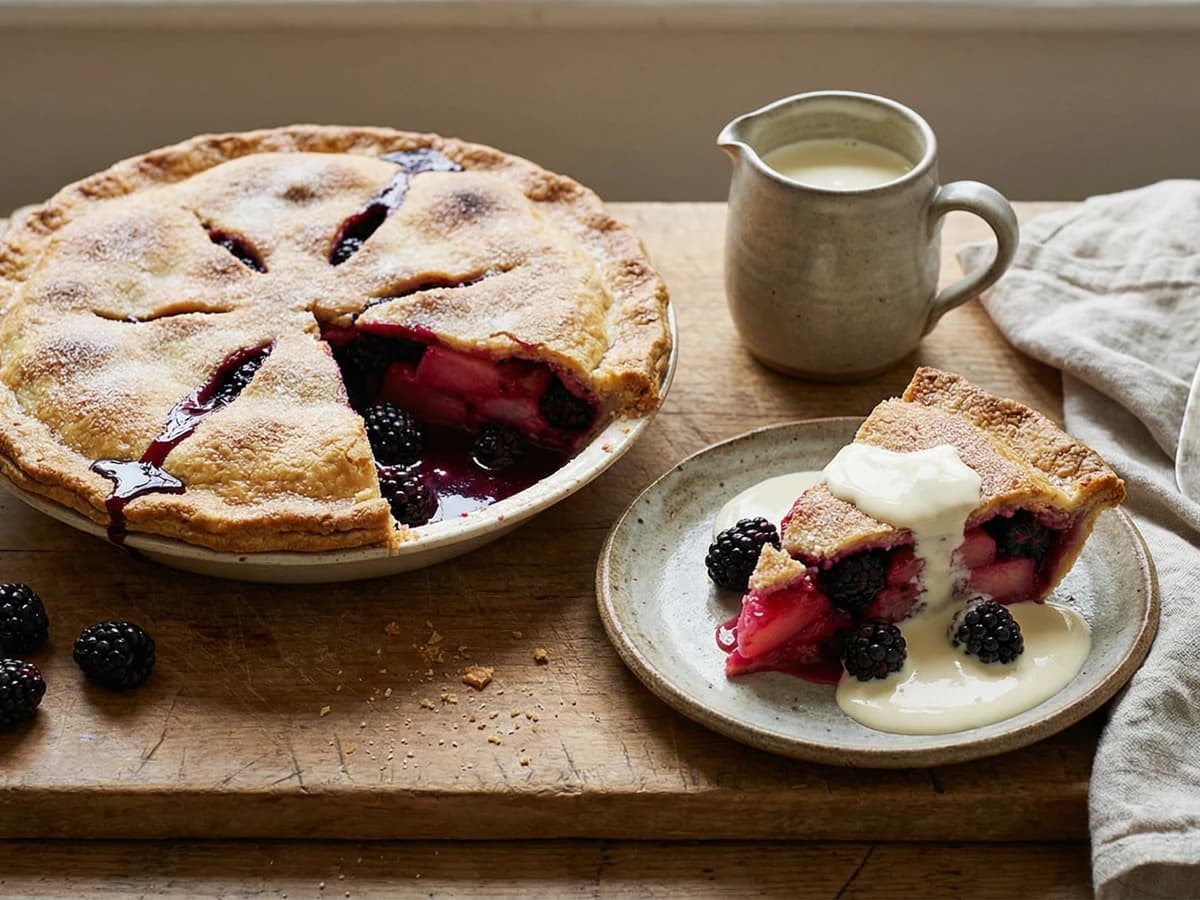
A proper hedgerow pie of Bramley apples and blackberries under a sugar-crusted pastry lid, the kind of pudding that turns a Sunday in September into something you'll remember.