
Chef Takumi
Abura Soba (油そば, brothless ramen)
Abura soba is ramen without the hiding place of soup: hot noodles, strong shōyu tare, fragrant oil, and the discipline to mix while every strand is still hot.
A cooking platform built around craft, culture, and the stories behind what we eat.

Created by
Edo ozōni is New Year restraint in a bowl: clear dashi, grilled square mochi, a little chicken, winter greens, and one strip of yuzu to wake it.
Ozōni looks ceremonial because it belongs to New Year morning. Don't let that make it stiff. In Edo style, the work is plain: make a clear dashi, grill square mochi, warm a few good things in the broth, and serve while the surface still shines.
The one detail that decides it is clarity. This is sumashi, a clear soup, so the broth has to be clean enough to see through. Pull the konbu before the water boils, because boiled kelp gives bitterness and a slick mouthfeel. Let the katsuobushi sink off the heat, then strain without squeezing, because pressure brings out the rough, oily taste you were trying to leave behind. The rule isn't ritual. It's protection.
Square mochi is the Edo signal. Grill it until the outside blisters and the center softens, then set it into the bowl just before the broth goes in. Simmer the mochi in the soup and the broth clouds, which is a small tragedy on a morning already full of polite expectations. The chicken gives body, the komatsuna gives green winter bite, and the yuzu peel tells your nose what day it is.
Ozōni is not the whole New Year meal. It sits beside osechi as the warm, moving part of the table, different from house to house but always carrying the same wish: begin cleanly. Leave the bowl room. A crowded New Year bowl is just January making noise.
Ozōni became strongly associated with New Year observance by the Muromachi period, when mochi dishes moved from warrior banquets into broader seasonal custom. Regional forms later settled into clear soy-seasoned soups in eastern Japan and white miso soups with round mochi in much of Kansai. Edo, the city that became Tokyo, favored square cut mochi, a practical shape for cutting large sheets in a crowded urban market.
Quantity
1 piece (about 10g)
Quantity
5 cups
Quantity
25g
Quantity
200g
trimmed and cut into small bite-size pieces
Quantity
1 teaspoon
Quantity
1/4 teaspoon
for seasoning the chicken
Quantity
4 pieces
Quantity
1 small bunch (about 200g)
washed
Quantity
4 thin slices
cut into rounds or flower shapes
Quantity
4 slices
Quantity
2 tablespoons
Quantity
1 teaspoon
Quantity
1/2 teaspoon, plus more to taste
Quantity
4 narrow strips
white pith trimmed away
| Ingredient | Quantity |
|---|---|
| konbu (dried kelp) | 1 piece (about 10g) |
| cold water | 5 cups |
| katsuobushi (bonito flakes) | 25g |
| boneless chicken thightrimmed and cut into small bite-size pieces | 200g |
| sake | 1 teaspoon |
| sea saltfor seasoning the chicken | 1/4 teaspoon |
| kirimochi (square cut mochi) | 4 pieces |
| komatsunawashed | 1 small bunch (about 200g) |
| carrotcut into rounds or flower shapes | 4 thin slices |
| kamaboko (optional) | 4 slices |
| soy sauce | 2 tablespoons |
| mirin | 1 teaspoon |
| sea salt | 1/2 teaspoon, plus more to taste |
| yuzu peelwhite pith trimmed away | 4 narrow strips |
Wipe the konbu lightly with a damp cloth, but don't scrub it clean. The pale bloom on the surface is flavor, not dirt. Put the konbu and cold water in a pot and warm it slowly over low heat, about ten minutes, until small bubbles begin to climb the sides. Lift the konbu out before the water boils. Boiling it pulls out bitterness and muddies the clean taste this soup depends on.
Bring the konbu stock just to a gentle boil, add the katsuobushi all at once, and immediately take the pot off the heat. Let the flakes sink for two or three minutes without stirring. Strain through a cloth-lined sieve and let the dashi drip by itself. Don't squeeze. Squeezing forces strong, cloudy flavors into a broth that should stay bright.
Bring a small pot of water to a boil and blanch the komatsuna for about one minute, just until the stems turn vivid green and the leaves soften. Rinse briefly in cold water, squeeze gently, and cut into 2-inch lengths. Blanching keeps the greens clean-tasting and prevents their raw edge from taking over the clear broth.
Toss the chicken pieces with the sake and 1/4 teaspoon salt, then let them sit for ten minutes. This small rest seasons the meat before it enters the soup and helps it stay neat in the broth. If any surface moisture gathers, pat the pieces lightly dry.
Return the clear dashi to a clean pot. Add the soy sauce, mirin, and 1/2 teaspoon salt, then taste. It should be savory and clear, not heavy. Add the chicken and carrot slices and simmer gently until the chicken is cooked through and the carrot is tender, about five minutes. Skim any foam that rises, because foam clouds both the look and the flavor.
While the soup simmers, grill or toast the kirimochi until the outside blisters in spots and the center swells and softens, five to eight minutes depending on your heat. Use a toaster oven, broiler, or yakimono grill. Grilling keeps the edges fragrant and leaves the broth clear; simmering the mochi in the soup would turn the dashi cloudy.
Set one piece of grilled mochi into each warm soup bowl. Add a small bundle of komatsuna, one carrot slice, and a slice of kamaboko if using. Ladle the hot clear broth and chicken around them, not over them carelessly. Finish each bowl with one strip of yuzu peel. The yuzu goes in last because its fragrance is quick and bright, and it fades if boiled.
1 serving (about 425g)
Culinary guides, cultural storytelling, and the editorial depth that makes cooking meaningful.
Discover Culinary ExplorerChef Takumi
Abura soba is ramen without the hiding place of soup: hot noodles, strong shōyu tare, fragrant oil, and the discipline to mix while every strand is still hot.
Chef Takumi
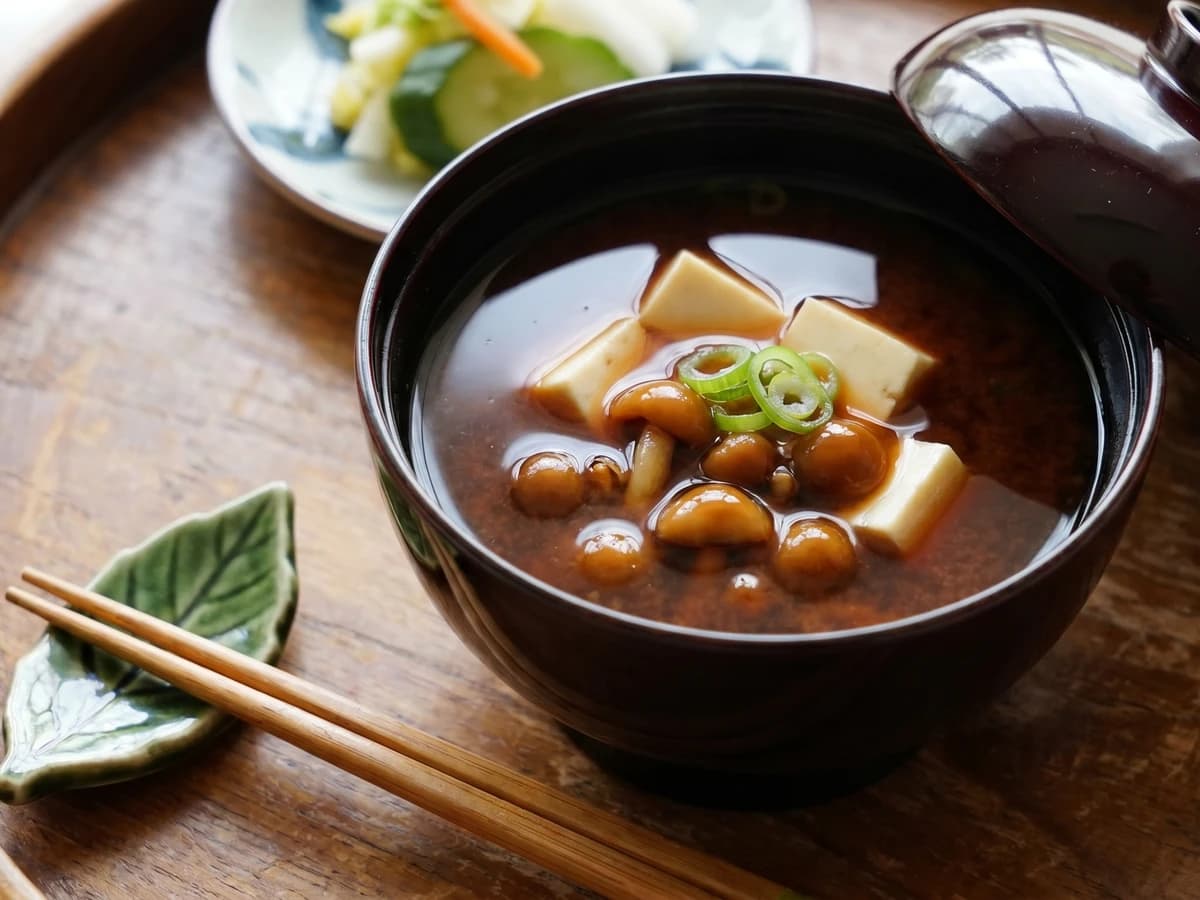
Akadashi asks you to trust the dark miso. Build a clear dashi, loosen the Hatchō mame-miso gently, and the soup turns coffee-dark, savory, and clean.

Chef Takumi
Toast the rice until its skin is firm, then let it meet chicken broth, burdock, maitake, and seri. The pot looks grand, but the work is rice, broth, and patience.
Chef Takumi
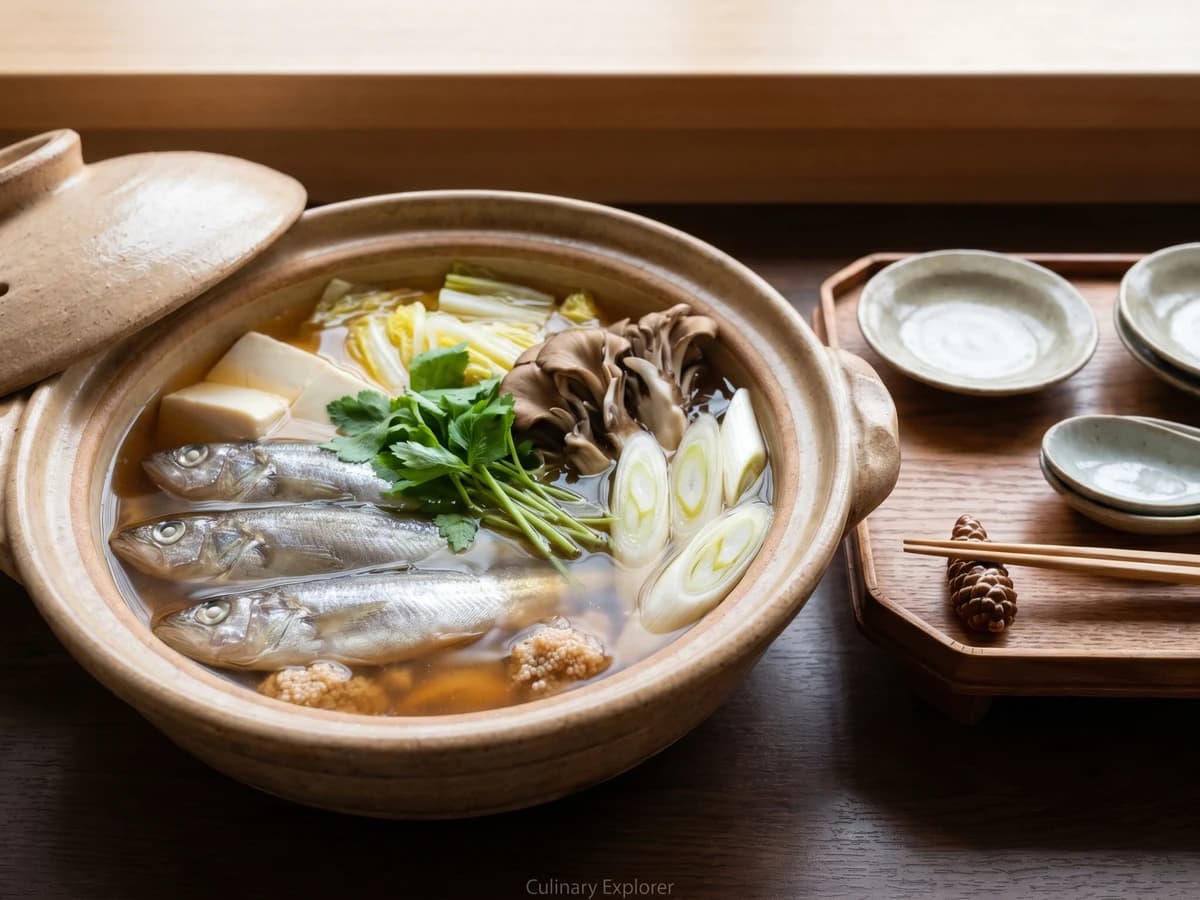
Shottsuru nabe is Akita winter in one pot: clean dashi, hatahata at shun, tofu and napa cabbage carrying a salt-deep broth without anything heavy enough to hide the fish.