Chef Thomas
All-Butter Shortbread Fingers
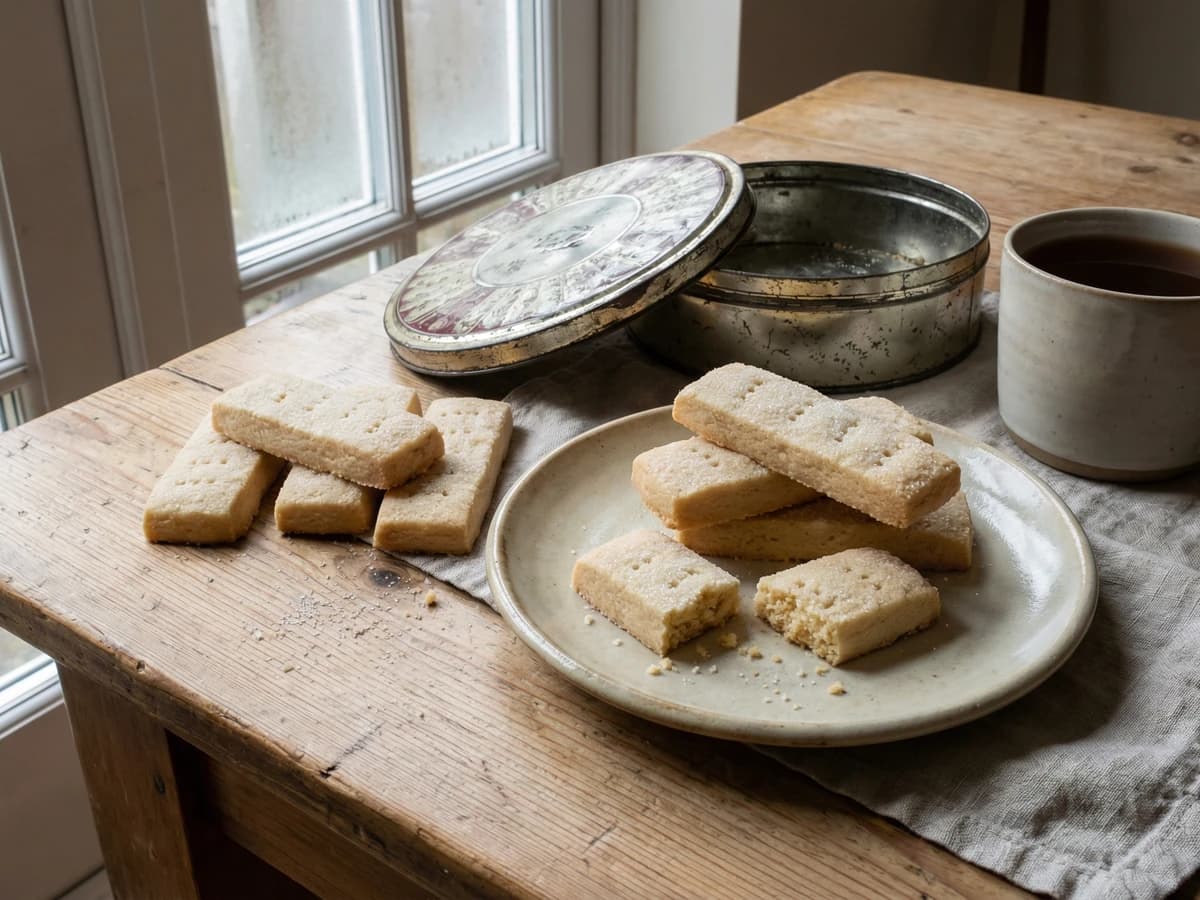
The plainest biscuit in the tin and the hardest one to stop eating, three ingredients and a slow oven turning good butter into something quietly perfect with a cup of tea.
A cooking platform built around craft, culture, and the stories behind what we eat.

Created by Chef Thomas
Proper ginger nuts, dark and fiery and built to crack between your teeth, made for the kind of grey afternoon when the kettle goes on twice and the biscuit tin earns its keep.
These belong to October onwards. Not because you can't make them in July, but because a ginger nut wants weather to lean against. Cold rain on the window. The first jumper of the season. The kettle going on for the second time before lunch. That's when a tin of these makes proper sense.
A good ginger nut is rock-hard. Not chewy, not soft, not a half-cooked compromise pretending to be a biscuit. Hard enough to snap cleanly when you bend it, hard enough to survive a long dunk in strong tea without collapsing into the bottom of the mug. The hardness is the whole point. So is the heat. Two tablespoons of ground ginger sounds like a lot. It isn't. Anything less and you're making a vaguely spiced biscuit, not a ginger nut.
Golden syrup is the other thing that matters. It gives the dough that dark, almost treacly depth and helps the biscuits crack into those proper fissured tops as they bake. You can taste the difference. Don't be tempted to swap it for honey or maple syrup. A recipe is a conversation, not a contract, but some words you don't change.
I wrote it down in the notebook the first time I got these right: "Ginger nuts. Dark. Cracked. October. Two cups of tea." There are few better feelings than passing the tin to someone who didn't know they wanted a biscuit until they heard the lid come off.
Quantity
100g
Quantity
75g
Quantity
150g
Quantity
225g
Quantity
1 teaspoon
Quantity
2 tablespoons
Quantity
1 teaspoon
Quantity
pinch
Quantity
1
| Ingredient | Quantity |
|---|---|
| unsalted butter | 100g |
| golden syrup | 75g |
| golden caster sugar | 150g |
| plain flour | 225g |
| bicarbonate of soda | 1 teaspoon |
| ground ginger | 2 tablespoons |
| ground cinnamon | 1 teaspoon |
| fine sea salt | pinch |
| large egg yolk | 1 |
Set the oven to 180C/160C fan. Line two baking trays with parchment. Put the butter and golden syrup into a small saucepan over a low heat. Let them melt together slowly, swirling the pan now and then. You're not cooking anything, just bringing them together. When the butter has gone and the mixture looks glossy and amber, take it off the heat and let it cool for a few minutes. Hot butter scrambles the egg yolk, and we don't want that.
While the butter cools, tip the flour, bicarbonate of soda, ground ginger, cinnamon and salt into a large bowl. Whisk it through with a fork so the bicarb and spices are evenly distributed. The kitchen should already be starting to smell of ginger. That's the whole point of using a generous hand with it. Shy ginger nuts aren't worth the bother.
Stir the sugar into the cooled butter and syrup, then beat in the egg yolk. Pour this into the dry ingredients and mix with a wooden spoon until it comes together as a soft, slightly sticky dough. It will firm up as it sits. If it feels too loose to roll, give it five minutes on the side and try again.
Pinch off pieces about the size of a walnut and roll them into balls between your palms. Place them on the lined trays with plenty of room between each one. They spread. Really spread. Six to a tray is plenty. Press each ball down very gently with the flat of your hand, just enough to settle it.
Bake for twelve to fifteen minutes. They're ready when the tops have cracked into deep fissures, the colour has gone from pale beige to a proper deep gold, and the edges look set. They will still feel soft in the middle when you take them out. Trust this. They crisp as they cool, and a ginger nut that's hard from the oven is a ginger nut that's been baked too long.
Leave the biscuits on the trays for five minutes to firm up, then lift them carefully onto a wire rack to cool completely. This is when the magic happens. The soft, chewy biscuits you took from the oven turn rock-hard and crisp as they cool, ready to snap cleanly between your fingers and survive a dunk in strong tea without falling to pieces. Store in a tin the moment they're cold.
1 serving (about 28g)
Culinary guides, cultural storytelling, and the editorial depth that makes cooking meaningful.
Discover Culinary ExplorerChef Thomas
The plainest biscuit in the tin and the hardest one to stop eating, three ingredients and a slow oven turning good butter into something quietly perfect with a cup of tea.
Chef Thomas
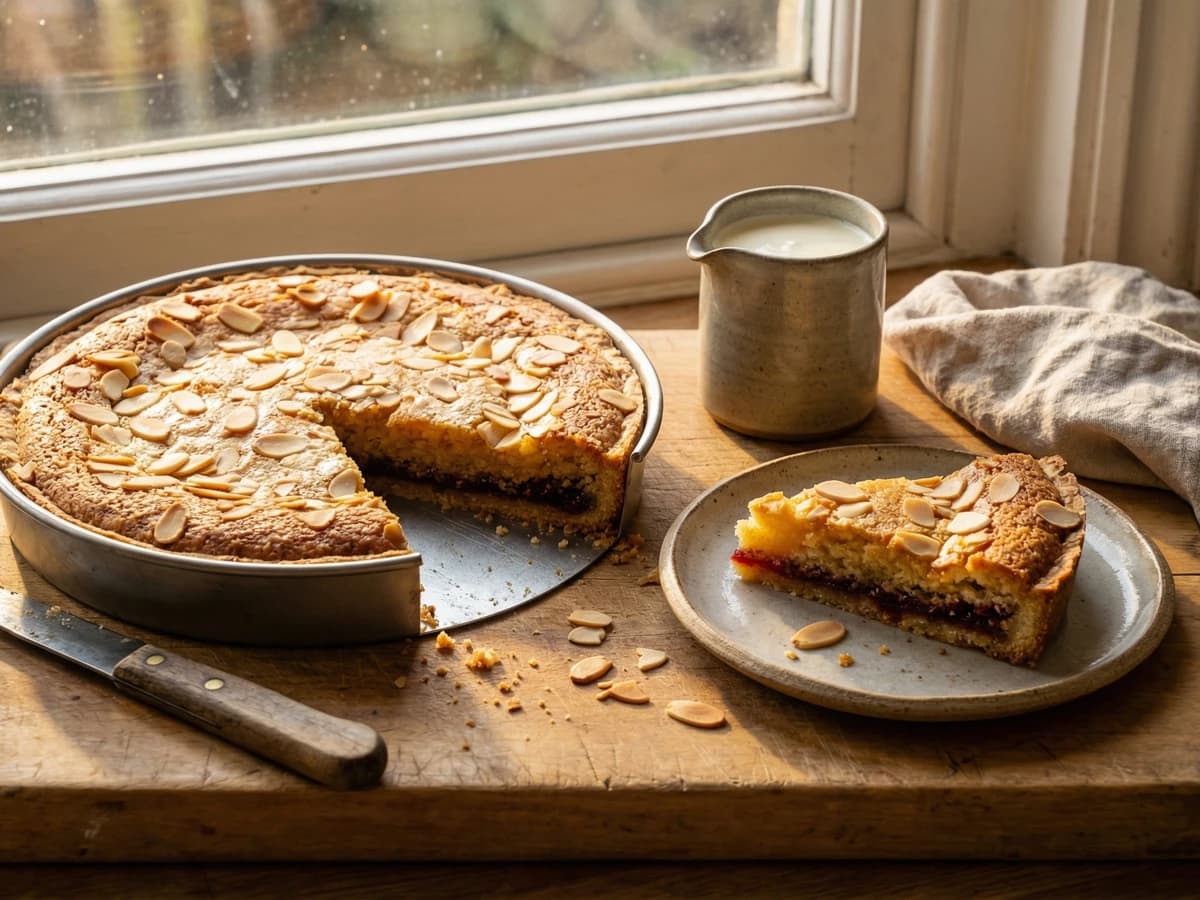
A proper Bakewell tart with buttery shortcrust, a thick layer of raspberry jam, and almond frangipane baked golden under a scattering of flaked almonds. No icing. No nonsense.
Chef Thomas
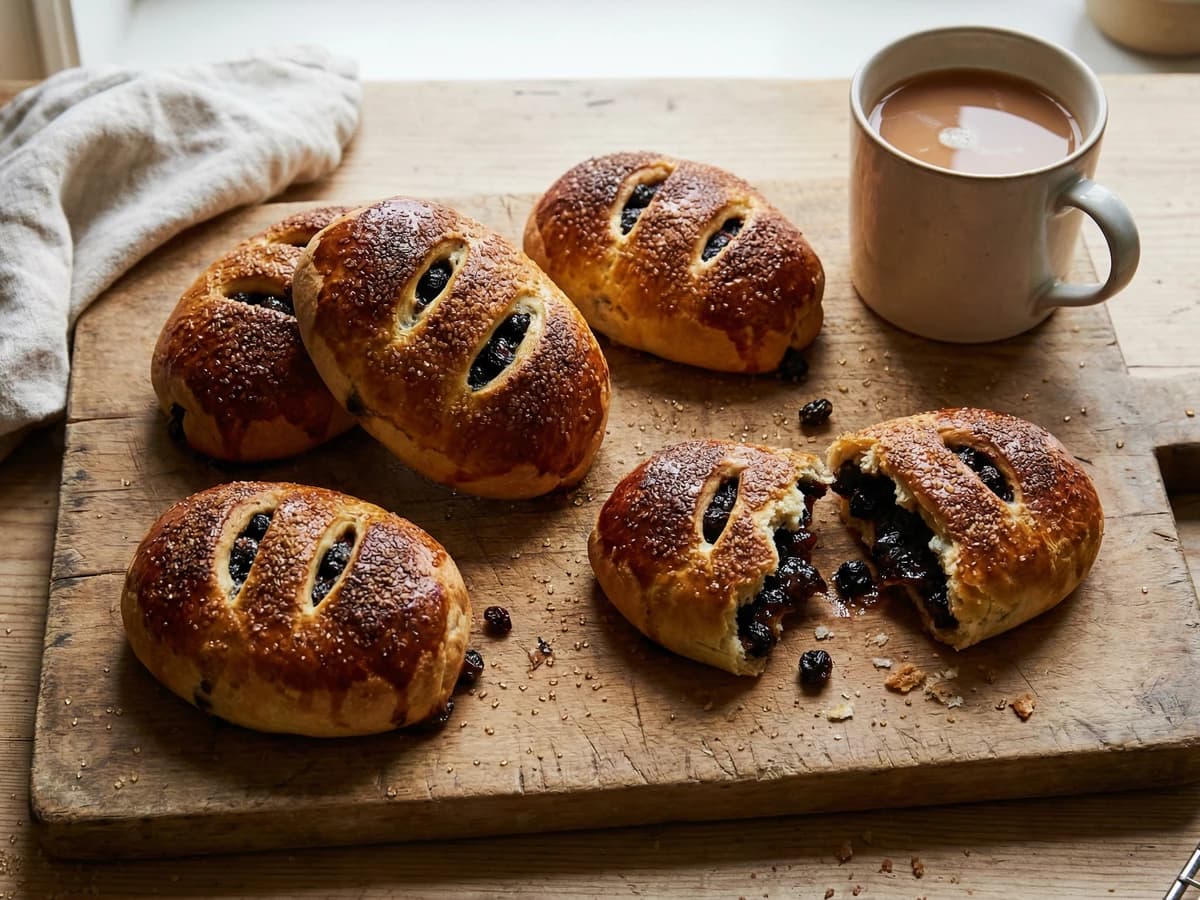
Oval pastries filled with rum-soaked currants and spice, baked until the tops crackle with sugar. The kind of thing to make on a wet Sunday afternoon when you want the kitchen to smell of something.
Chef Thomas
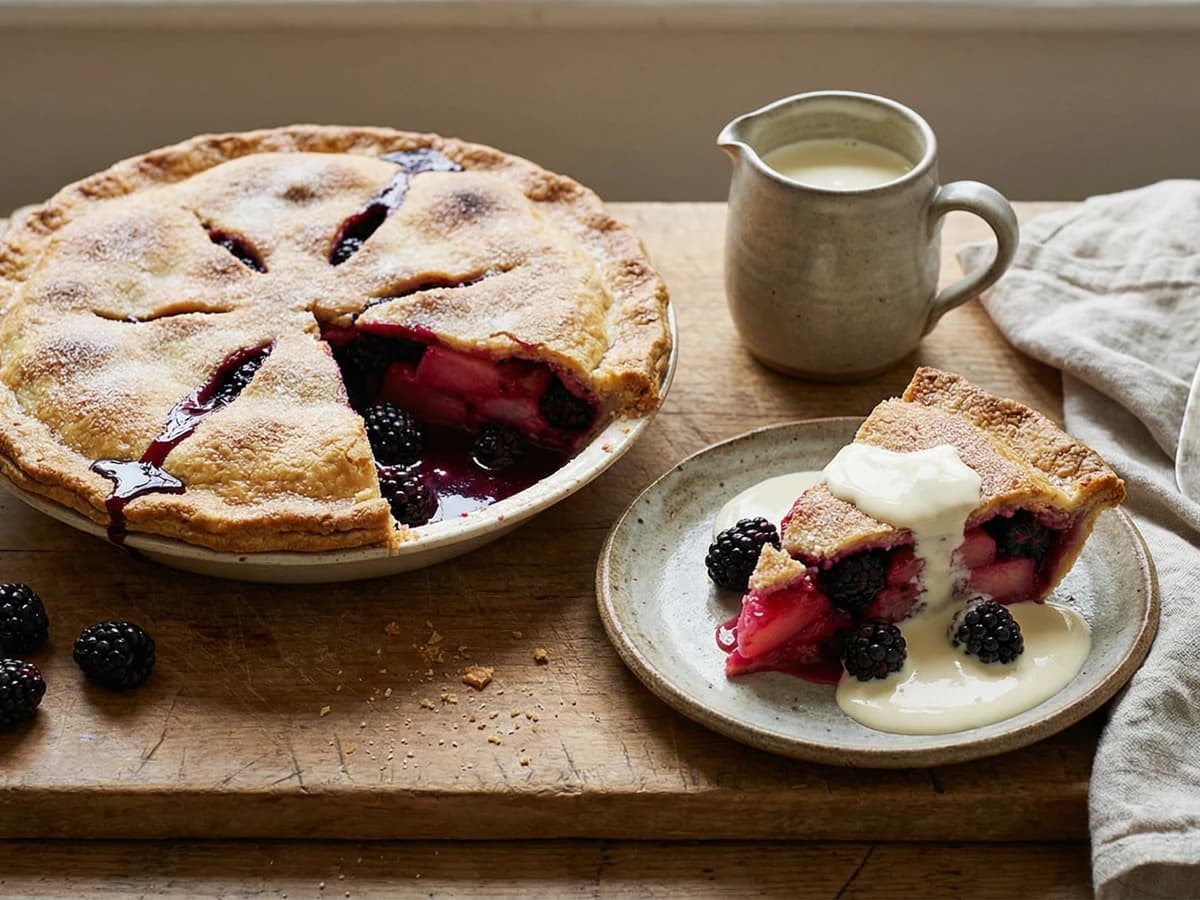
A proper hedgerow pie of Bramley apples and blackberries under a sugar-crusted pastry lid, the kind of pudding that turns a Sunday in September into something you'll remember.