
Chef Dean
Baked Chicken Parmesan
Golden-crusted chicken cutlets blanketed in robust marinara and stretchy mozzarella, baked until the cheese bubbles and browns at the edges. This is the dish that made Italian-American cooking famous.
A cooking platform built around craft, culture, and the stories behind what we eat.
Created by
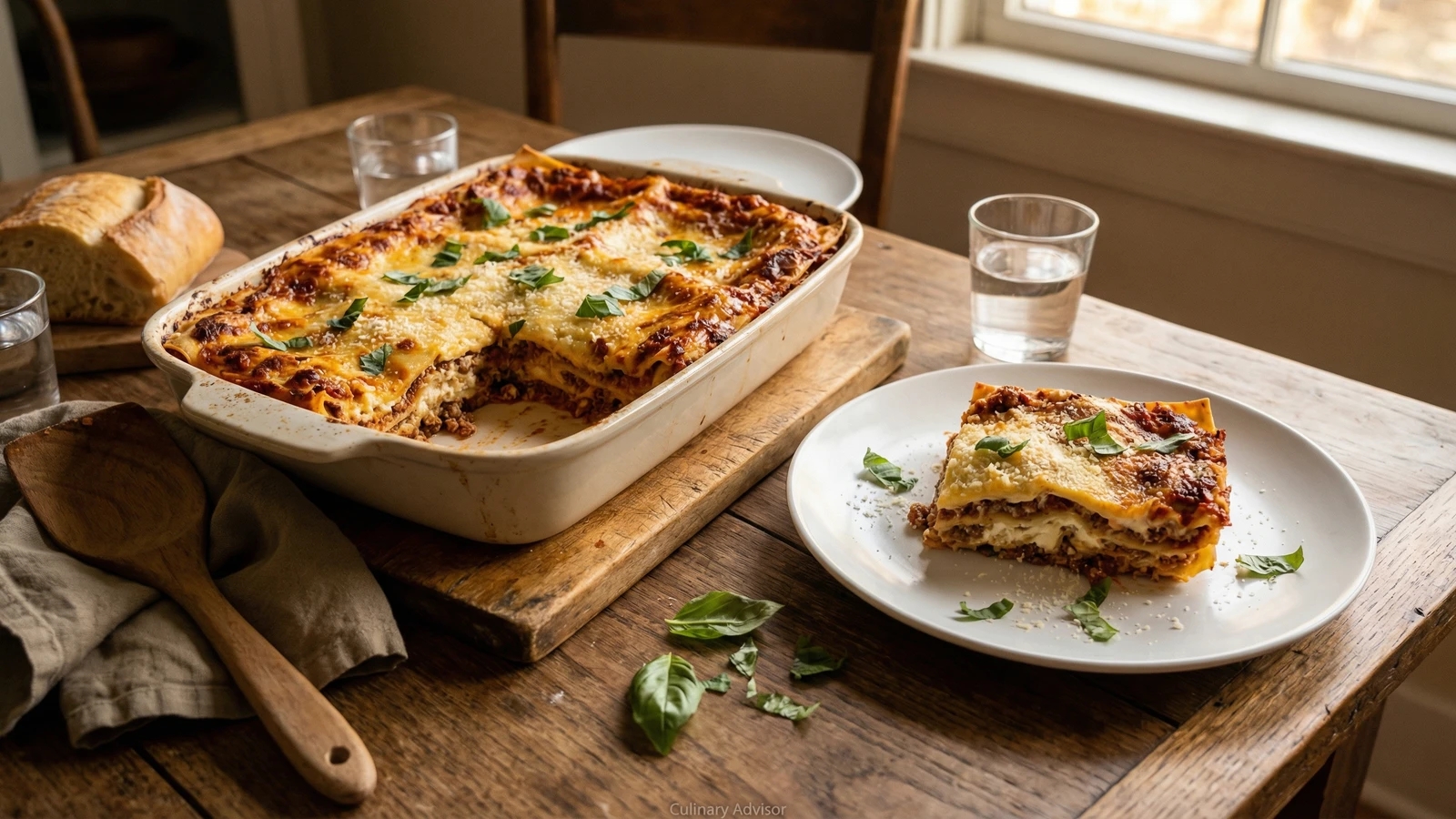
A Sunday supper worth the slow simmer: layers of tender pasta, rich meat sauce made with good tomatoes and honest wine, three kinds of cheese, all baked until the top blisters and the edges bubble.
Good lasagna begins with the sauce. Not the technique, not the layering, but what goes into that pot. The tomatoes matter most. San Marzanos from the volcanic soil near Naples have a sweetness and low acidity that no domestic tomato can match. If you cannot find them, use the best canned whole tomatoes available, preferably from a single farm or region you trust.
The meat should come from animals raised well. Grass-fed beef and pastured pork have flavor that factory-farmed meat simply does not. Your butcher can grind them fresh, and you will taste the difference in every bite. This is not about being precious. It is about starting with ingredients that need very little done to them.
I learned to make lasagna in Italy, but the version I love is the Italian-American one: richer, cheesier, more generous in every way. It is the kind of dish that feeds a crowd and gets better the next day. The sauce simmers while you do other things. The assembly is meditative. And when it comes out of the oven, bubbling and bronzed, everyone gathers.
This is not fast food. But the time you spend is not labor. It is care, rendered in layers.
Quantity
2 tablespoons
Quantity
1 pound
preferably grass-fed, 80/20
Quantity
1 pound
Quantity
1 medium
finely diced
Quantity
6 cloves
minced
Quantity
1 teaspoon, plus more to taste
Quantity
1/2 teaspoon
freshly ground
Quantity
1/4 teaspoon
Quantity
2 tablespoons
Quantity
1 cup
Quantity
two 28-ounce cans
crushed by hand
Quantity
1
Quantity
1/4 cup, plus more for finishing
torn
Quantity
2 pounds
Quantity
2
lightly beaten
Quantity
1/2 cup
freshly grated
Quantity
1/4 teaspoon
freshly grated
Quantity
1 pound
shredded
Quantity
8 ounces
torn into pieces
Quantity
1 pound
dried or fresh pasta sheets
| Ingredient | Quantity |
|---|---|
| extra-virgin olive oil | 2 tablespoons |
| ground beefpreferably grass-fed, 80/20 | 1 pound |
| ground pork | 1 pound |
| yellow onionfinely diced | 1 medium |
| garlicminced | 6 cloves |
| fine sea salt | 1 teaspoon, plus more to taste |
| black pepperfreshly ground | 1/2 teaspoon |
| red pepper flakes | 1/4 teaspoon |
| tomato paste | 2 tablespoons |
| dry red wine | 1 cup |
| whole San Marzano tomatoescrushed by hand | two 28-ounce cans |
| parmesan rind (optional) | 1 |
| fresh basil leavestorn | 1/4 cup, plus more for finishing |
| whole-milk ricotta cheese | 2 pounds |
| large eggslightly beaten | 2 |
| Parmigiano-Reggianofreshly grated | 1/2 cup |
| nutmegfreshly grated | 1/4 teaspoon |
| low-moisture mozzarellashredded | 1 pound |
| fresh mozzarellatorn into pieces | 8 ounces |
| lasagna noodlesdried or fresh pasta sheets | 1 pound |
Set a large Dutch oven or heavy-bottomed pot over medium-high heat. Add the olive oil. When it shimmers, add the beef and pork, breaking them into rough chunks. Let them sit undisturbed for two minutes to develop a proper brown crust. Then stir, breaking into smaller pieces, and continue cooking until deeply browned all over, about ten minutes total. The color matters. Pale meat makes pale sauce.
Push the meat to one side of the pot. Add the diced onion to the cleared space and cook, stirring occasionally, until soft and golden at the edges, about five minutes. Add the garlic, salt, black pepper, and red pepper flakes. Stir everything together and cook until the garlic smells sweet, about one minute. Clear a small space and add the tomato paste, letting it toast against the hot pot for thirty seconds before stirring it into the meat.
Pour in the red wine. It will sizzle and steam. Scrape up all those beautiful browned bits from the bottom of the pot. Let the wine bubble until it reduces by half, about three minutes. Add the hand-crushed tomatoes with all their juices. Drop in the parmesan rind if you have one. Stir well, bring to a gentle simmer, then reduce heat to low.
Let the sauce simmer uncovered for at least one hour, stirring occasionally. The surface should barely bubble. You are not cooking so much as coaxing: the tomatoes will break down, the fat will emulsify, and everything will deepen and concentrate. Taste at the forty-five minute mark. Adjust salt. Stir in the torn basil during the last ten minutes. Remove the parmesan rind before assembling.
While the sauce simmers, combine the ricotta, beaten eggs, grated Parmigiano-Reggiano, nutmeg, a half teaspoon of salt, and a few grinds of black pepper in a large bowl. Stir until smooth and creamy. The nutmeg should be subtle: you should not taste it directly, but you will miss it if it is not there. Set aside.
Bring a large pot of generously salted water to a boil. Cook the lasagna noodles one minute less than the package directs. They will finish cooking in the oven. Drain and lay them flat on oiled sheet pans in a single layer to prevent sticking. If using fresh pasta sheets, blanch for thirty seconds and proceed the same way.
Heat your oven to 375 degrees. Spread one cup of meat sauce on the bottom of a 9-by-13-inch baking dish. Lay down a layer of noodles, overlapping slightly. Spread one third of the ricotta mixture evenly over the noodles. Spoon one and a half cups of meat sauce over the ricotta. Scatter one third of the shredded mozzarella. Repeat this layering twice more: noodles, ricotta, sauce, shredded mozzarella. Top with a final layer of noodles, the remaining sauce, and all of the torn fresh mozzarella.
Cover the dish tightly with aluminum foil. Bake for thirty minutes. Remove the foil and continue baking until the top is golden and blistered in spots, the edges are bubbling vigorously, and the fresh mozzarella has melted into soft, bronzed pools, another twenty-five to thirty minutes. The kitchen will smell like Sunday at your grandmother's house.
Remove the lasagna from the oven and let it rest for at least fifteen minutes before cutting. This is not optional. The layers need time to set, the cheese needs time to firm slightly, and the sauce needs to stop bubbling. A lasagna cut too soon collapses into a beautiful mess. Scatter fresh basil over the top just before serving.
1 serving (about 335g)
Culinary guides, cultural storytelling, and the editorial depth that makes cooking meaningful.
Discover Culinary ExplorerChef Dean
Golden-crusted chicken cutlets blanketed in robust marinara and stretchy mozzarella, baked until the cheese bubbles and browns at the edges. This is the dish that made Italian-American cooking famous.

Chef Dean
Ridged ziti tubes cradling a slow-simmered meat sauce, layered with creamy ricotta and buried under a blanket of molten mozzarella that blisters golden in the oven. This is the dish that ends arguments and fills bellies.

Chef Ally
The iconic Tuscan steak: two inches of well-marbled beef, seared over a roaring fire, rested until the juices settle, then sliced and dressed with nothing but olive oil, rosemary, and sea salt.
Chef Ally
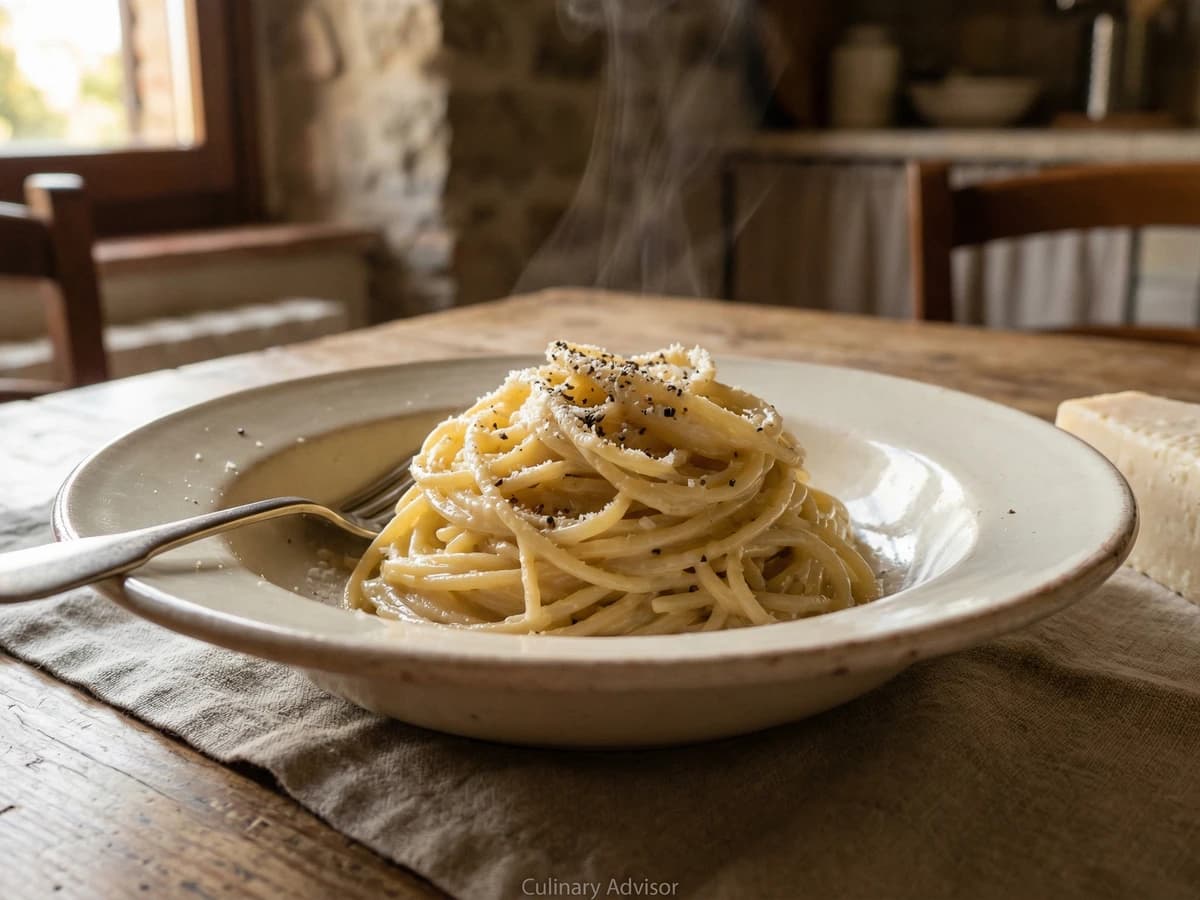
Three ingredients, infinite satisfaction. Real Pecorino Romano, freshly cracked black pepper, and good pasta transformed through nothing but technique and respect for what you have.