Chef Thomas
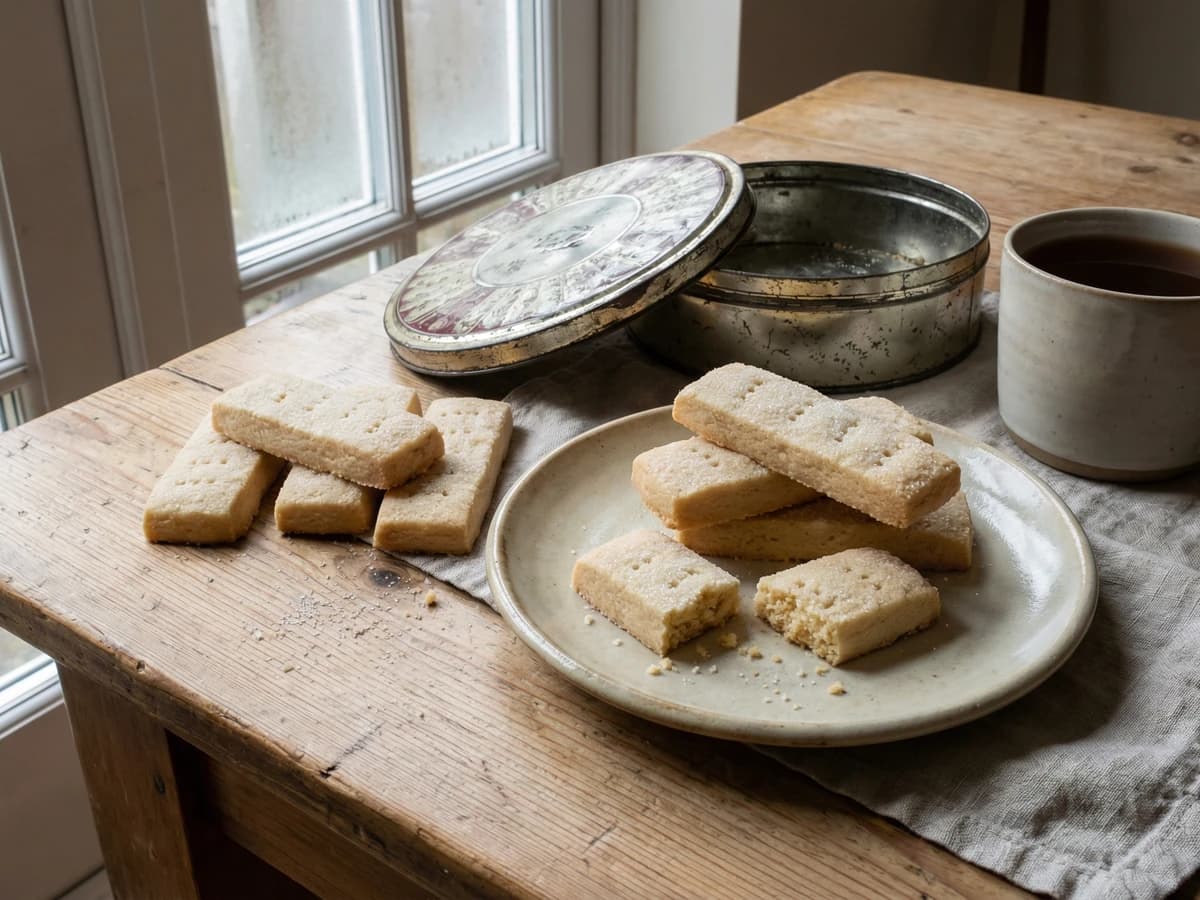
All-Butter Shortbread Fingers
The plainest biscuit in the tin and the hardest one to stop eating, three ingredients and a slow oven turning good butter into something quietly perfect with a cup of tea.
A cooking platform built around craft, culture, and the stories behind what we eat.
Created by Chef Thomas
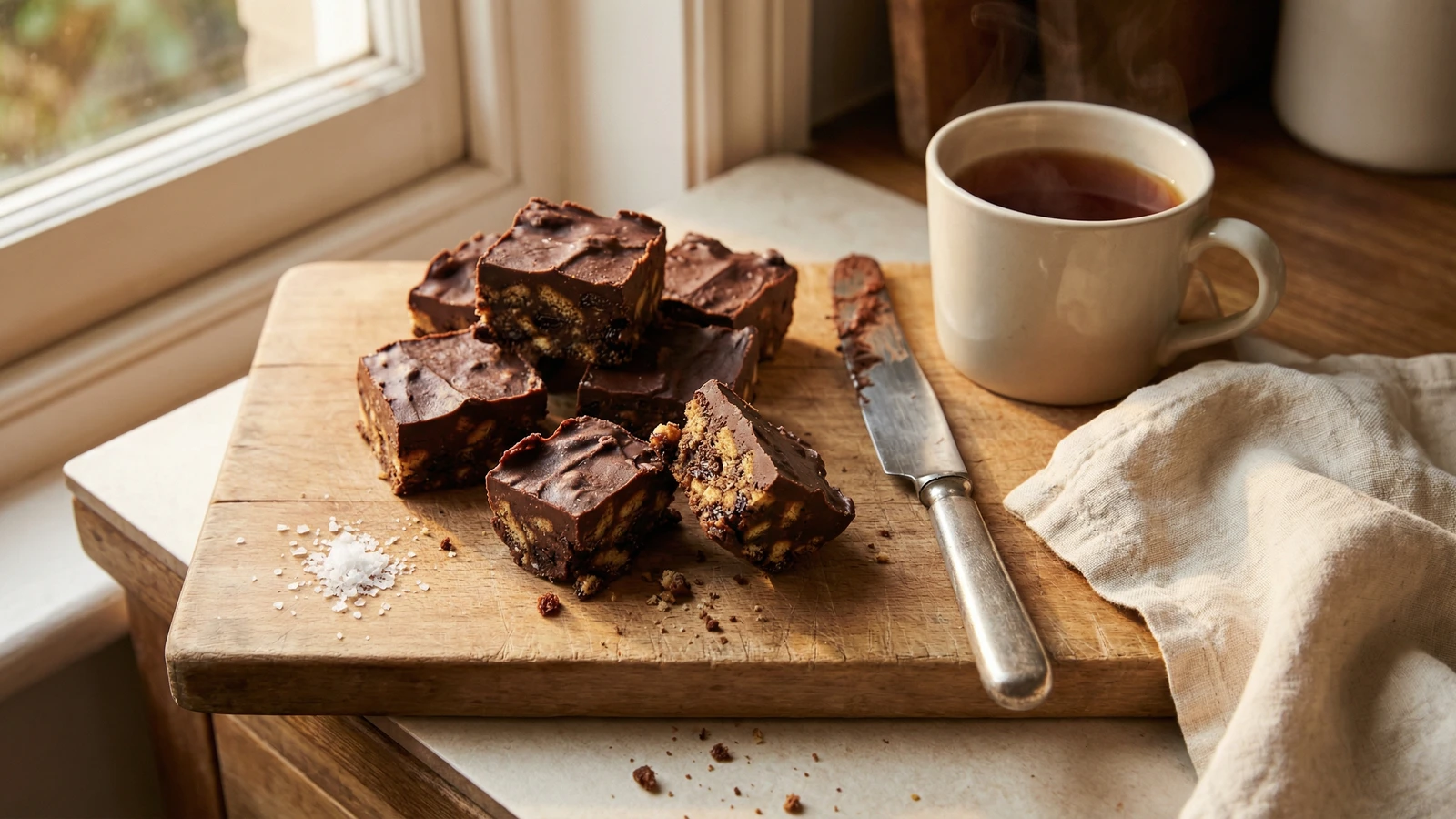
A Scottish fridge cake of crushed biscuits, butter, syrup, and cocoa under a slab of set chocolate. No oven, no cleverness, just patience and a few hours in the fridge.
Tiffin belongs to rainy afternoons and the kind of day when you want something sweet but cannot face turning the oven on. It also belongs to summer, when the kitchen is already too warm and a fridge cake feels like the only sensible option. In truth, it belongs to whenever you want it. There is no season for tiffin. There is only the moment youdecide you want one.
It's a Scottish thing originally, though it has spread across the British Isles and become the kind of bake-sale staple every village hall knows. Famously it was the cake William chose for his wedding. A grown man asking for a chocolate biscuit cake at his royal wedding feels exactly right to me. Tiffin is what childhood tasted like for a lot of us, and there's no improving on a thing like that.
The method is barely a method. You melt butter with cocoa and golden syrup, you stir in crushed biscuits and raisins, you press it all into a tin and pour melted chocolate over the top. Two hours in the fridge and you have something. The hardest part is the waiting, and the second hardest is cutting it cleanly without snapping the chocolate into shards. Both problems can be solved with a hot knife and a bit of resolve.
I wrote it down in the notebook the first time I made it for my niece, who declared it the best thing I had ever made. I have made fancier things since. None of them have earned that review.
Quantity
250g
Quantity
150g
cubed
Quantity
3 tablespoons
Quantity
3 tablespoons
Quantity
75g
Quantity
100g
Quantity
50g
halved
Quantity
200g (60-70% cocoa solids)
broken into pieces
Quantity
50g
broken into pieces
Quantity
pinch
| Ingredient | Quantity |
|---|---|
| digestive biscuits | 250g |
| unsalted buttercubed | 150g |
| golden syrup | 3 tablespoons |
| cocoa powder | 3 tablespoons |
| golden caster sugar | 75g |
| raisins | 100g |
| glace cherries (optional)halved | 50g |
| dark chocolatebroken into pieces | 200g (60-70% cocoa solids) |
| milk chocolatebroken into pieces | 50g |
| flaky sea salt | pinch |
Line a 20cm square tin with baking parchment, leaving a generous overhang on two sides so you can lift the tiffin out later. Put the digestives in a sturdy freezer bag and bash them with a rolling pin. You're not after dust. You want a mixture of rubble and gravel, some pieces the size of a fingernail, some smaller. The variety in texture is what makes a proper tiffin worth eating.
In a heavy-bottomed saucepan over a low heat, melt the butter, golden syrup, cocoa powder, and sugar together. Stir gently with a wooden spoon. You're not boiling anything. You're coaxing it into a smooth, glossy chocolate sauce that smells faintly like a chocolate digestive in the oven. Take it off the heat the moment the sugar has dissolved and the mixture looks uniform.
Tip the crushed biscuits and the raisins (and the cherries, if you're using them) into the warm chocolate butter and stir until every crumb is coated. The mixture should look dark and slightly damp, holding together when you press a spoonful against the side of the pan. Scrape it all into the lined tin and press down firmly with the back of the spoon. Really press. The flatter and more compact you can make it, the cleaner it will cut later.
Melt the dark and milk chocolate together in a heatproof bowl set over a pan of barely simmering water. Stir occasionally. When it's smooth and glossy, take it off the heat. Pour it over the pressed biscuit base and tilt the tin gently so it spreads into every corner. A spatula will help it along. The surface should be a deep, even chocolate brown, like the lid of a polished box.
Scatter a small pinch of flaky sea salt over the chocolate while it's still soft. Refrigerate for at least two hours, or until the chocolate is completely firm. Lift the tiffin out of the tin using the parchment overhang. Use a hot, dry knife to cut it into squares. Run the knife under hot water, dry it, cut, then repeat. The chocolate top will crack a little as you cut, in a way that looks right. Serve with a strong cup of tea.
1 serving (about 58g)
Culinary guides, cultural storytelling, and the editorial depth that makes cooking meaningful.
Discover Culinary ExplorerChef Thomas
The plainest biscuit in the tin and the hardest one to stop eating, three ingredients and a slow oven turning good butter into something quietly perfect with a cup of tea.
Chef Thomas
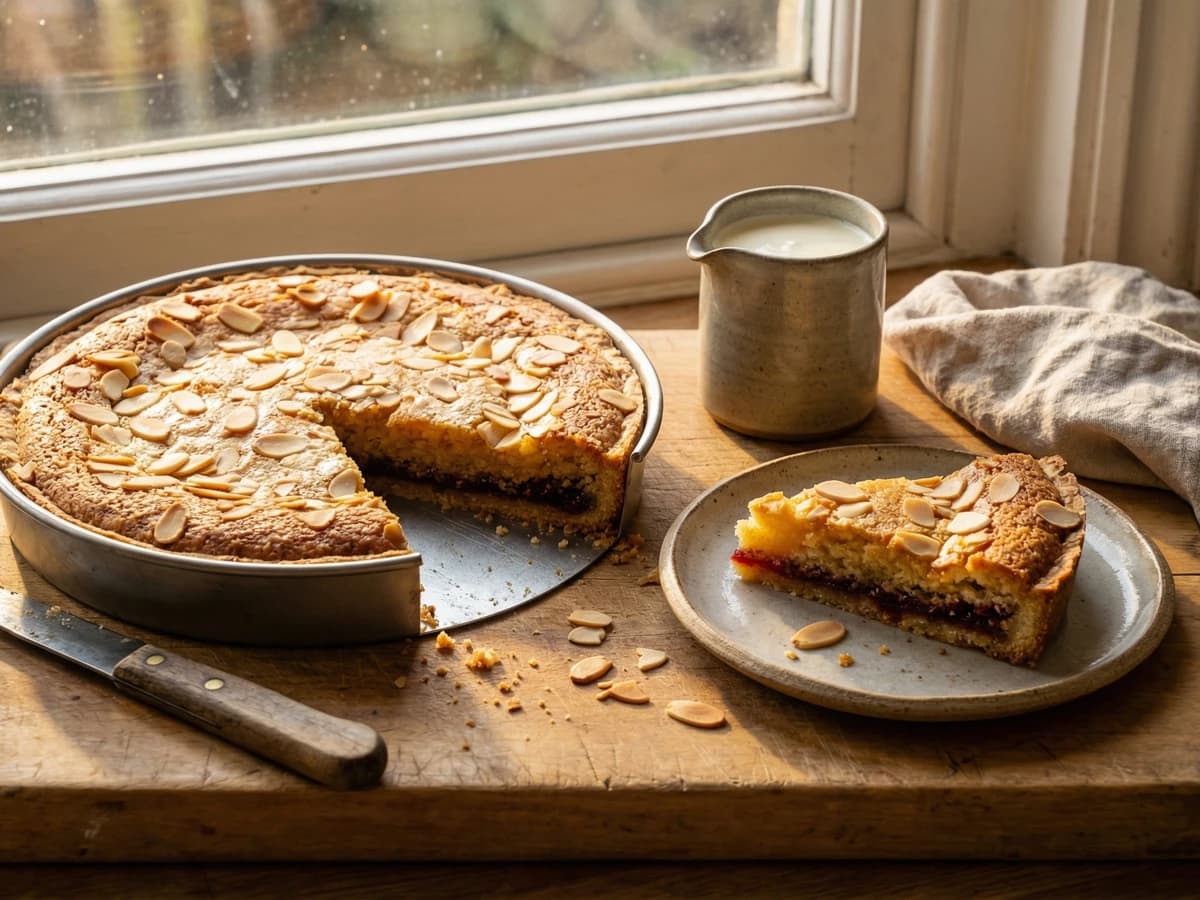
A proper Bakewell tart with buttery shortcrust, a thick layer of raspberry jam, and almond frangipane baked golden under a scattering of flaked almonds. No icing. No nonsense.
Chef Thomas
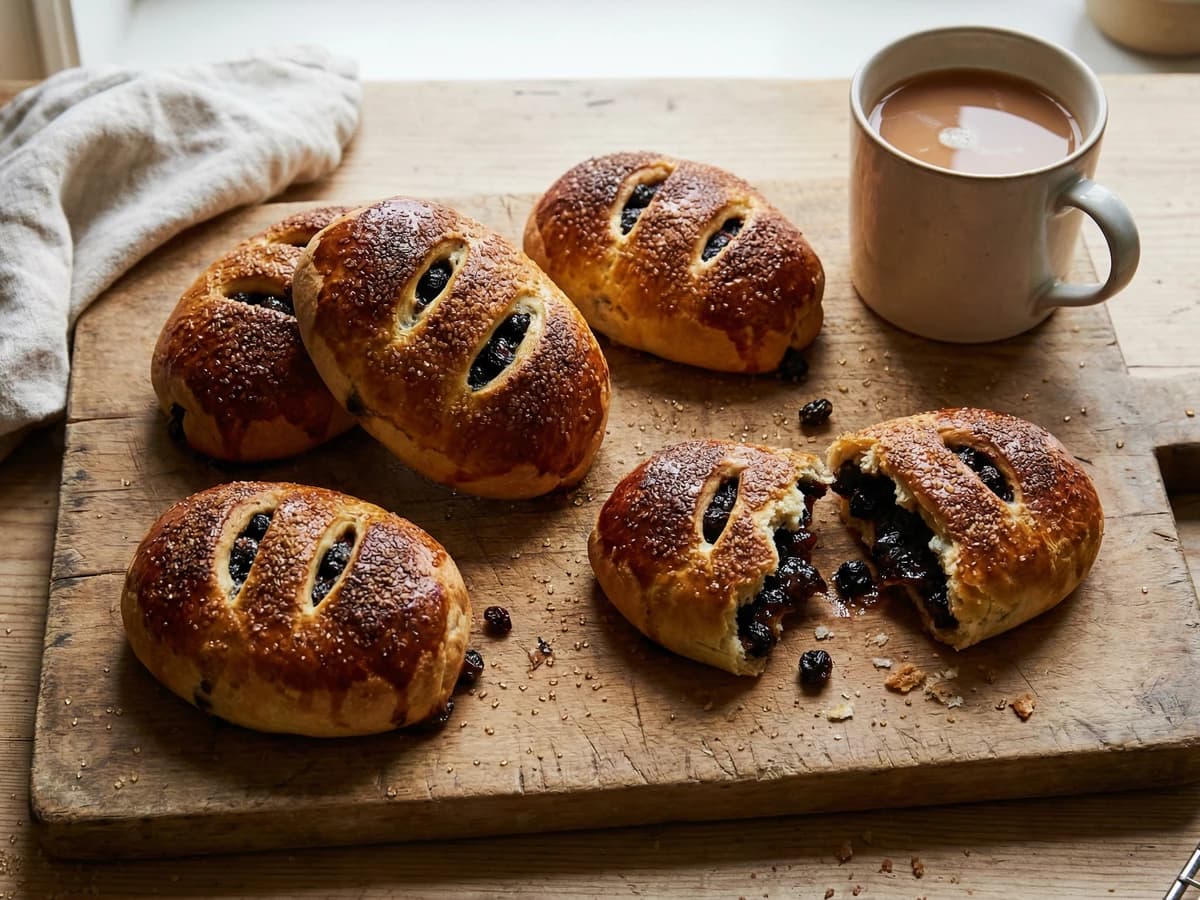
Oval pastries filled with rum-soaked currants and spice, baked until the tops crackle with sugar. The kind of thing to make on a wet Sunday afternoon when you want the kitchen to smell of something.
Chef Thomas
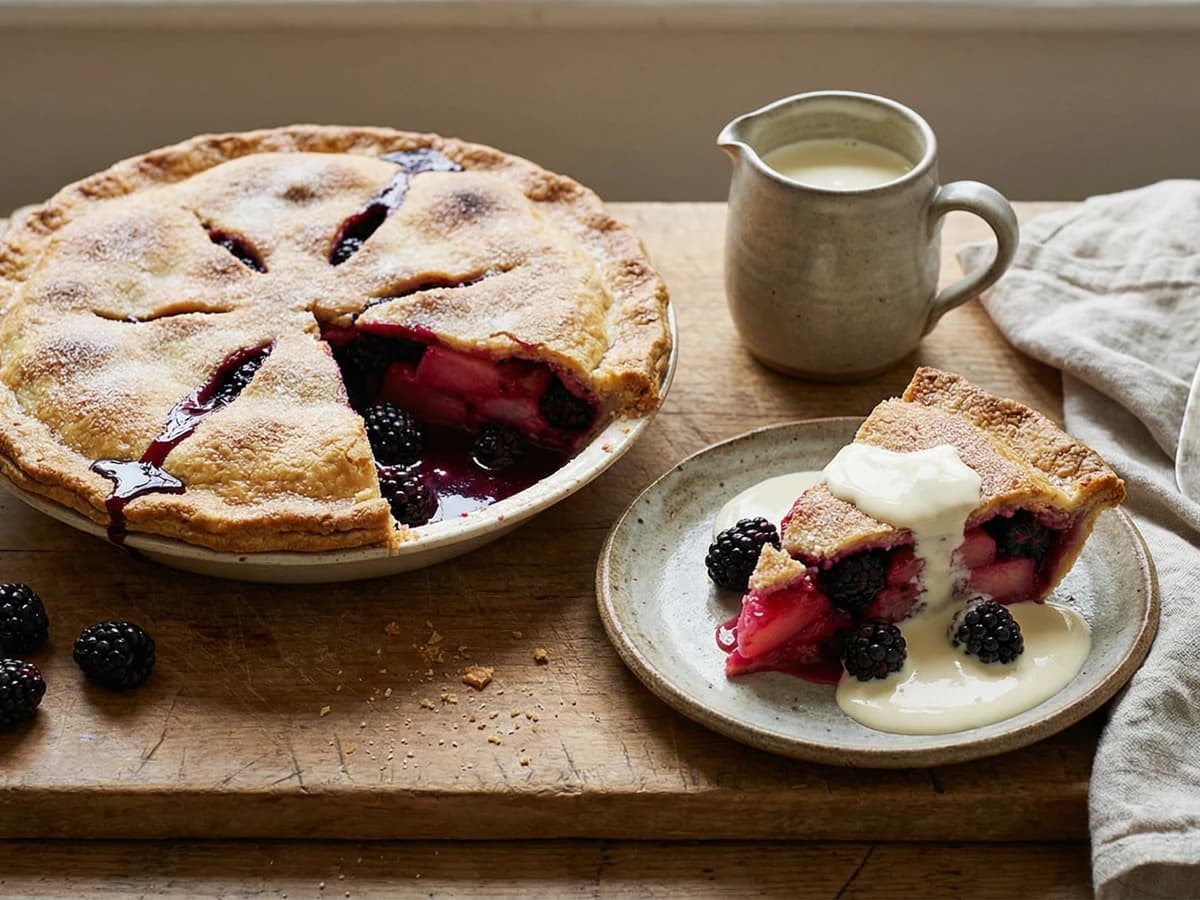
A proper hedgerow pie of Bramley apples and blackberries under a sugar-crusted pastry lid, the kind of pudding that turns a Sunday in September into something you'll remember.