Chef Juliana
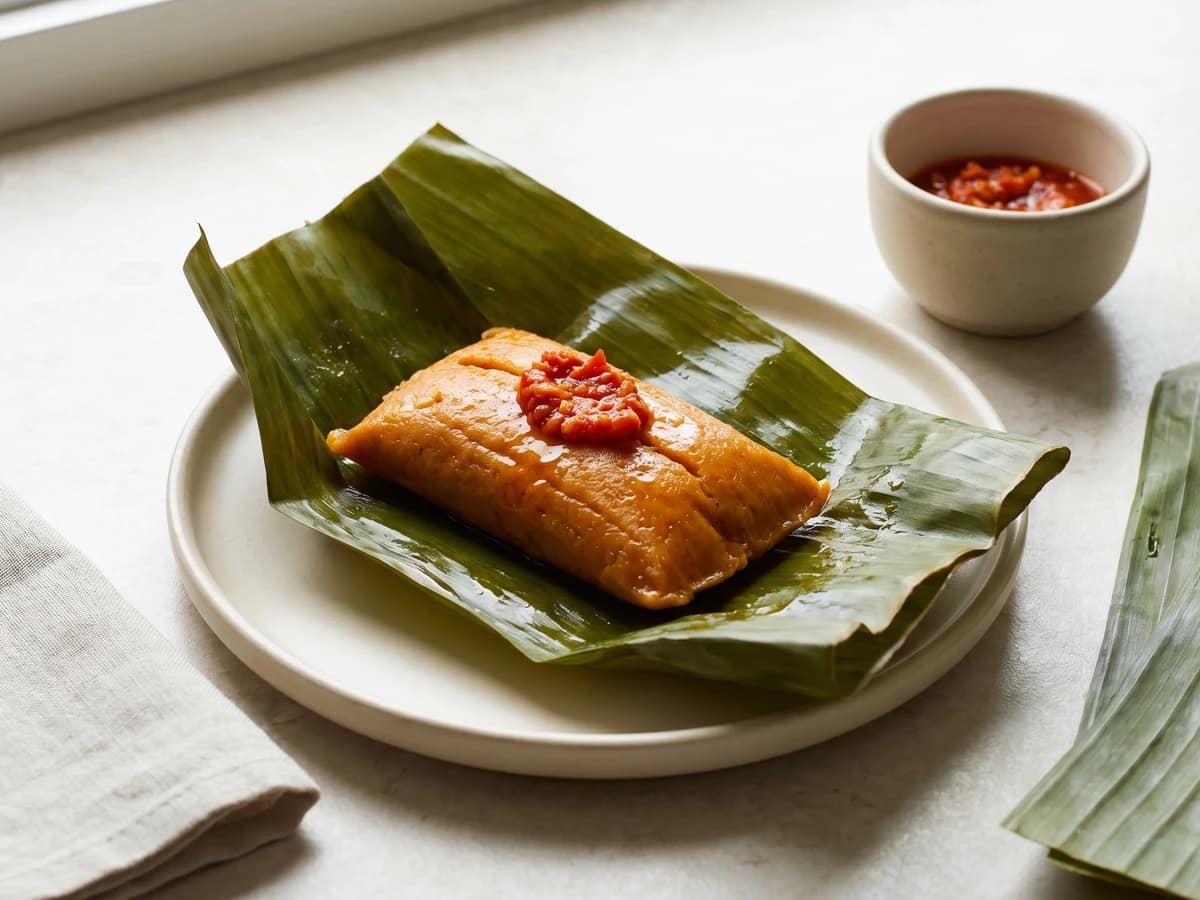
Abará
You think banana leaves and hand-whipped bean massa mean “isso não é pra mim.” Wrong. Soak, peel, beat, wrap, steam. Abará is learned by touch, not inherited by magic.
A cooking platform built around craft, culture, and the stories behind what we eat.

Created by
You think crab in the shell is restaurant food. It's not. It's refogado, picked siri, coconut milk, dendê, and a hot oven. Anota aí: fancy-looking is not the same as difficult.
You look at a little shell full of crab and think, isso não é pra mim. Claro que pensa. Somebody dressed it up, charged too much for it, and let you believe seafood belongs to people with linen napkins and mysterious kitchen confidence. Nonsense. This is onion, pimentão, tomato, alho, coentro, siri, and a spoon. Cozinhar não é dom, é um aprendizado.
Casquinha de siri sits at the party end of comida de verdade, but it comes from the same floor as the everyday Nordeste plate: cassava, corn, coconut, dendê, seafood, herbs, and a refogado that knows what it's doing. Put it before dinner with rice, beans, a green salad, farofa, or cuscuz on the table, and the whole meal makes sense. A gente doesn't need to turn it into theater. We need to make it work.
The method is plain. You cook the vegetables until they lose their raw edge, because watery onion and tomato make watery filling. You add the crab gently, because picked siri is delicate and already tastes like the coast. You finish with leite de coco and a little dendê, enough to perfume and gloss the filling, not enough to drown it. Then farinha de mandioca tightens the mixture so it holds in the shell instead of slumping like a sad little tide pool.
Use clean, picked crab meat if you can get it. Frozen works, and that's the honest shortcut for a Tuesday or a dinner party where you still have a life. It costs you a little sweetness and perfume, so we build the refogado properly and don't reach for a packet pretending to be the sea.
Casquinha de siri is common along Brazil's coast, with strong versions in Bahia, Pernambuco, Ceará, and other Nordeste kitchens where crab, coconut, coentro, cassava flour, and dendê meet in everyday cooking. The filling is usually served in cleaned crab shells or small ramekins, then browned with farinha or breadcrumbs, a home-kitchen version of the beach-bar petisco. The exact balance of dendê, leite de coco, pimentão, and pimenta changes by place and family, so this recipe teaches a reproducible home method while leaving the regional authority with the cooks who carry those tables.
Quantity
1 pound
checked carefully for shell fragments
Quantity
2 tablespoons
Quantity
1 tablespoon, plus 1 teaspoon
extra teaspoon optional for finishing
Quantity
1 medium
finely chopped
Quantity
1/2
finely chopped
Quantity
2
seeded and finely chopped
Quantity
3 cloves
minced
Quantity
1 small chile or 1 teaspoon
minced
Quantity
1/2 teaspoon, plus more to taste
Quantity
1/4 teaspoon
Quantity
1/2 cup
Quantity
2 tablespoons, plus 2 tablespoons
for tightening the filling and topping
Quantity
1/4 cup
chopped
Quantity
2 tablespoons
chopped
Quantity
1 tablespoon
Quantity
1/3 cup
for topping
Quantity
1 tablespoon
for the topping
Quantity
8
Quantity
as needed
for serving
| Ingredient | Quantity |
|---|---|
| picked crab meatchecked carefully for shell fragments | 1 pound |
| neutral oil or olive oil | 2 tablespoons |
| dendê oilextra teaspoon optional for finishing | 1 tablespoon, plus 1 teaspoon |
| onionfinely chopped | 1 medium |
| red or green bell pepperfinely chopped | 1/2 |
| ripe tomatoesseeded and finely chopped | 2 |
| garlicminced | 3 cloves |
| fresh chile or malagueta in vinegar (optional)minced | 1 small chile or 1 teaspoon |
| salt | 1/2 teaspoon, plus more to taste |
| black pepper | 1/4 teaspoon |
| full-fat coconut milk | 1/2 cup |
| farinha de mandiocafor tightening the filling and topping | 2 tablespoons, plus 2 tablespoons |
| fresh coentrochopped | 1/4 cup |
| green onionchopped | 2 tablespoons |
| lime juice | 1 tablespoon |
| fresh breadcrumbs or coarse farinha de mandiocafor topping | 1/3 cup |
| butter or olive oilfor the topping | 1 tablespoon |
| cleaned crab shells or small oven-safe ramekins | 8 |
| lime wedgesfor serving | as needed |
Spread the crab meat on a plate and run your fingers through it slowly, feeling for bits of shell. Keep the pieces as whole as you can. Siri is delicate, and if you mash it before it reaches the pan, the filling turns pasty instead of juicy.
Warm the neutral oil in a wide skillet over medium heat. Add the onion and bell pepper with a pinch of the salt and refogar until the onion is soft and see-through and the pepper has relaxed, about 5 minutes. This is where the sweetness starts, so let the vegetables murchar instead of just getting hot.
Add the tomato, garlic, chile if using, black pepper, and the rest of the salt. Cook, stirring often, until the tomato collapses and the pan looks glossy, not watery, about 6 to 8 minutes. If you rush this, the tomato dumps its water into the crab later and the casquinha won't hold.
Stir in 1 tablespoon dendê and cook for 30 seconds, just until the color blooms orange-red and the smell opens up. Dendê is strong and beautiful, but it is not a swimming pool. A little carries the whole pan.
Add the crab meat and fold gently with a spoon, turning it through the refogado until it is warm and coated, about 2 minutes. Don't beat it around. You're mixing, not punishing. The crab should still look like crab.
Lower the heat and stir in the coconut milk. Let it bubble softly for 2 to 3 minutes, then sprinkle in 2 tablespoons farinha de mandioca while stirring. Stop when the filling looks creamy and spoonable, holding its shape for a second before settling. The farinha absorbs the loose liquid, so the shell fills neatly instead of leaking.
Turn off the heat. Stir in the coentro, green onion, and lime juice, then taste for salt. Add the extra teaspoon of dendê only if you want a stronger color and perfume. Fresh herbs go in off the heat because their job is to stay bright, not get cooked into silence.
Heat the oven to 425°F, 220°C. Spoon the filling into cleaned crab shells or ramekins, mounding it gently without packing it down. A loose mound heats evenly and keeps the texture tender; a packed one eats like a brick, and nobody came for crab masonry.
Mix the breadcrumbs or coarse farinha with the butter or olive oil and the remaining 2 tablespoons farinha de mandioca. Scatter a thin layer over each shell. Bake on a tray until the tops are golden in spots and the edges look glossy, about 8 to 10 minutes. You're gratinando for color and texture, not cooking the crab to death.
Serve with lime wedges while the tops are crisp and the filling is creamy. Squeeze a little lime over one bite, not the whole shell at once, so you can taste the crab, the dendê, and the refogado before deciding it needs anything else.
1 serving (about 105g)
Culinary guides, cultural storytelling, and the editorial depth that makes cooking meaningful.
Discover Culinary ExplorerChef Juliana
You think banana leaves and hand-whipped bean massa mean “isso não é pra mim.” Wrong. Soak, peel, beat, wrap, steam. Abará is learned by touch, not inherited by magic.
Chef Juliana
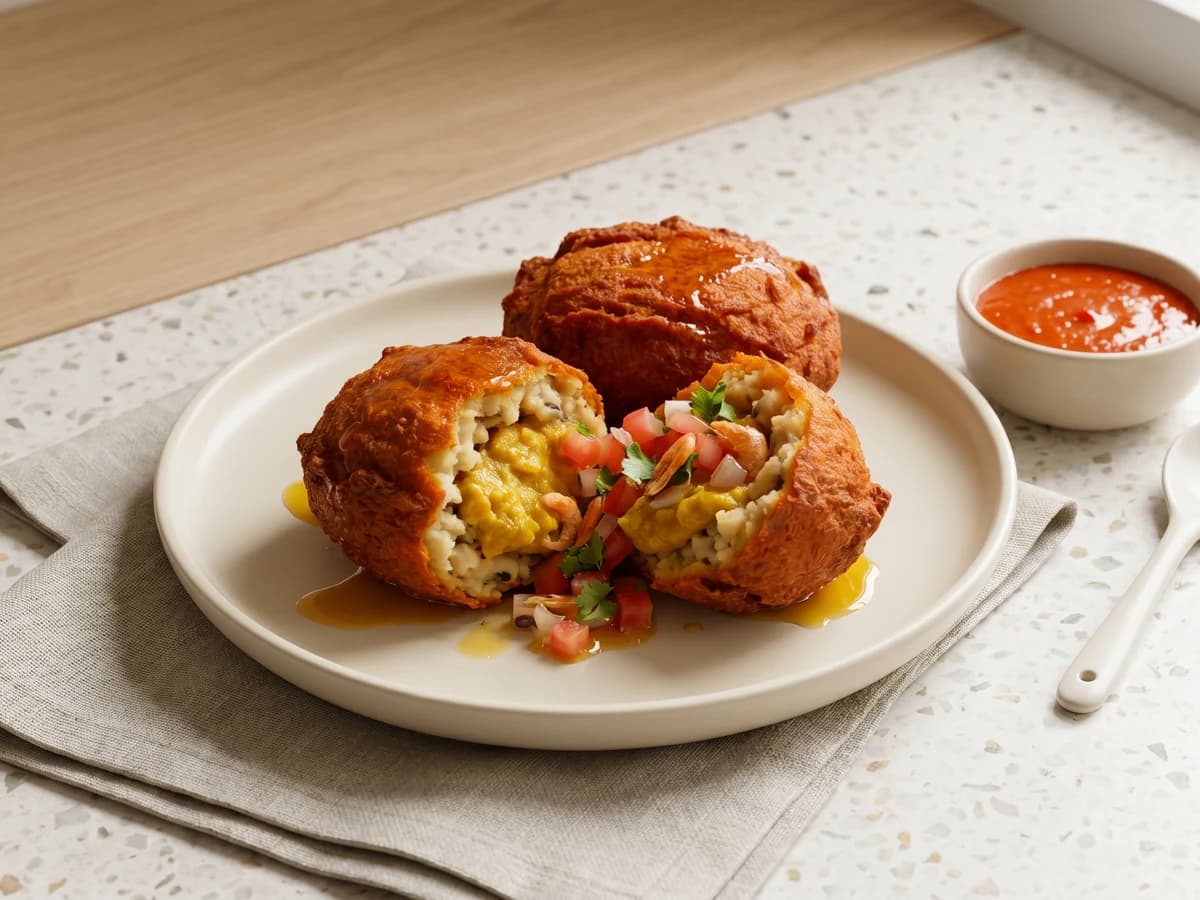
You think food of Iansã from the baianas' tabuleiro is not for your stove. Anota aí: soaked feijão-fradinho, real dendê, and hand-whipping make a home version learnable.

Chef Juliana
You think fried salgados belong to the birthday table you buy, not the one you make. Wrong. Learn the dough, seal the cheese, and the freezer starts working for you.

Chef Juliana
You think stuffed fried bolinhos are for the boteco cook, not your kitchen. Wrong. Mash the aipim warm, keep the filling dry, fry in small batches, and the tray disappears.