Chef Lesia
Baklazhanna Ikra (баклажанна ікра, eggplant caviar)
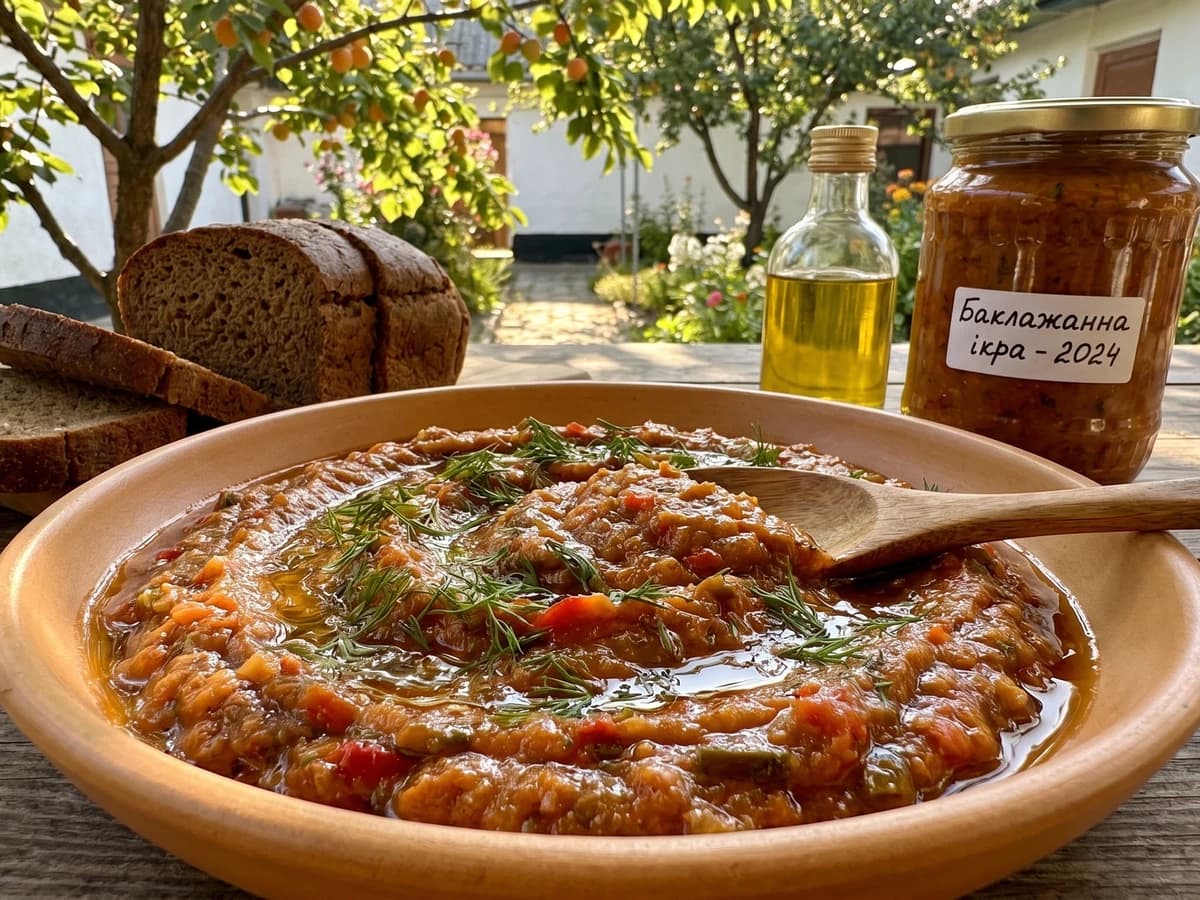
Eggplants collapse into silk, tomatoes give up their summer, and the pan turns sweet and smoky enough that a spoon dragged through leaves a clean path.
A cooking platform built around craft, culture, and the stories behind what we eat.

Created by
Roasted beets turn almost black at the edges, then grind with garlic and walnuts into a crimson spread so dense the spoon leaves a path through it.
The color is the first argument. Roasted beets come out of the oven dark-skinned and sweet, almost sticky where their juices have caught, and once you grind them with garlic, walnuts, and green sunflower oil, the whole bowl goes crimson enough to stain your fingers for the rest of the day.
This is food for the cold months and the holiday table, when a few cheap roots have to behave like a feast. The walnuts give body, the garlic wakes the sweetness, and the oil carries everything across bread instead of letting it sit there like a wet salad. That is the one thing that decides the dish: grind it until it turns dense and spoonable, not smooth. You want tiny walnut grit, beet flesh, and oil holding hands.
Aunt Nadia wrote this one as "beets, nuts, garlic, until it sounds right," which is very helpful if you already know the sound. Listen for the change in the bowl: first it scrapes and separates, then it softens into a thick hush under the spoon. That's when it is ready.
Make a generous bowl. It keeps, it improves, and someone will come back with another slice of bread pretending they only need a little more.
Buryakova ikra belongs to the Ukrainian zakuska table, the spread-and-pickle course that made inexpensive vegetables feel abundant, especially through winter and on meatless holiday meals. The word ikra, literally roe, widened across Soviet-era home cooking to mean finely chopped vegetable spreads, but western Ukrainian versions often kept their own sharper character with walnuts, garlic, beet sweetness, and good sunflower oil rather than a bland canteen puree.
Quantity
700g
scrubbed, tails left on
Quantity
120g
Quantity
3 tablespoons, plus more to finish
Quantity
1 small
finely diced
Quantity
3 cloves
grated or pounded
Quantity
1 tablespoon
Quantity
1 teaspoon, plus more to taste
Quantity
1/2 teaspoon
Quantity
1 teaspoon
Quantity
small handful
finely chopped, to finish
Quantity
to serve
| Ingredient | Quantity |
|---|---|
| beetsscrubbed, tails left on | 700g |
| walnuts | 120g |
| unrefined sunflower oil | 3 tablespoons, plus more to finish |
| onionfinely diced | 1 small |
| garlicgrated or pounded | 3 cloves |
| apple cider vinegar or beet zakwas brine | 1 tablespoon |
| sea salt | 1 teaspoon, plus more to taste |
| black pepper | 1/2 teaspoon |
| honey or sugar (optional) | 1 teaspoon |
| dill (optional)finely chopped, to finish | small handful |
| rye bread, pale wheat bread, or crackers | to serve |
Heat the oven to 200C. Put the scrubbed beets in a small roasting dish, cover tightly with foil or a lid, and roast until a knife slides through without a fight. Keep the tails on. They hold the juice inside, and the sweetness stays in the beet instead of bleeding into the pan.
Spread the walnuts on a tray and toast them until they smell warm and nutty, then rub off any loose bitter skins in a towel. Don't wait for them to go dark. The moment the smell changes, they are done.
Warm 2 tablespoons of the sunflower oil in a small pan and cook the onion gently until soft, glossy, and sweet. You're not browning it. You want the sharpness gone so it disappears into the beets and leaves only roundness behind.
When the beets are cool enough to handle, slip off the skins with your fingers or a small knife. Grate them on the coarse side of a box grater, or pulse them briefly in a food processor. Keep some texture. This is ikra, not baby food.
Crush the walnuts so some become powder and some stay in tiny pieces. Stir them into the grated beets with the soft onion, garlic, vinegar or zakwas brine, salt, pepper, and the remaining sunflower oil. Work it with a spoon until it thickens and sounds right, first scratchy, then softer and heavier in the bowl.
Let the ikra rest at least 30 minutes before serving, longer if you can. Taste again once the garlic has settled. Spoon it into a shallow bowl, gloss the top with a little more green sunflower oil, scatter with dill if you like, and serve with bread.
1 serving (about 85g)
Culinary guides, cultural storytelling, and the editorial depth that makes cooking meaningful.
Discover Culinary ExplorerChef Lesia
Eggplants collapse into silk, tomatoes give up their summer, and the pan turns sweet and smoky enough that a spoon dragged through leaves a clean path.

Chef Lesia
The salt hits first, then the pasture: sheep's milk turned into a white, crumbly cheese that tastes of grass, weather, and the mountain air that made it.

Chef Lesia
The first cheese from the mountain vat is barely cheese yet: sweet milk caught into a warm springy round, unsalted, alive with whey, waiting to become brynza if you let it.
Chef Lesia
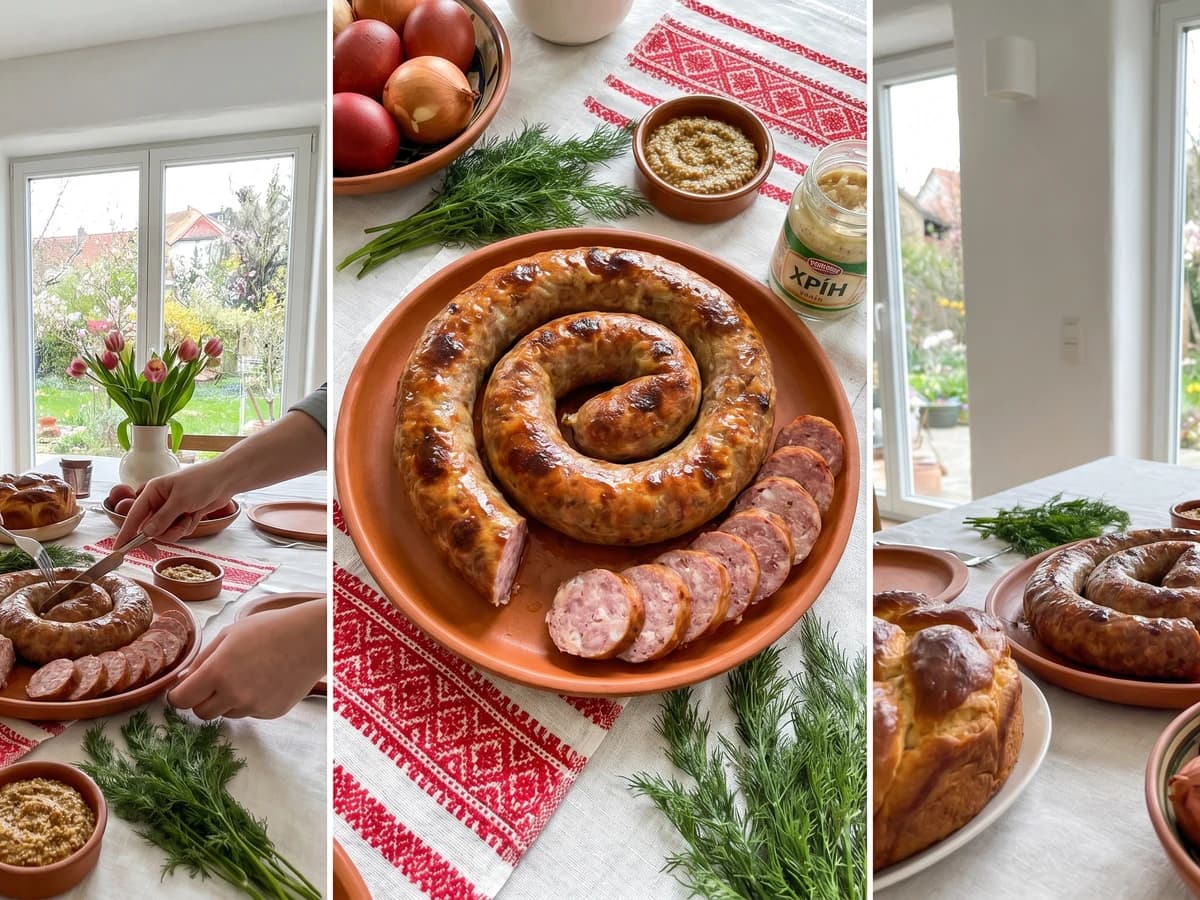
This is the sausage that perfumes the Easter basket before anyone opens it: garlic, pepper, pork fat, and a casing baked tight enough to snap under the knife.