Chef Lesia
Baklazhanna Ikra (баклажанна ікра, eggplant caviar)
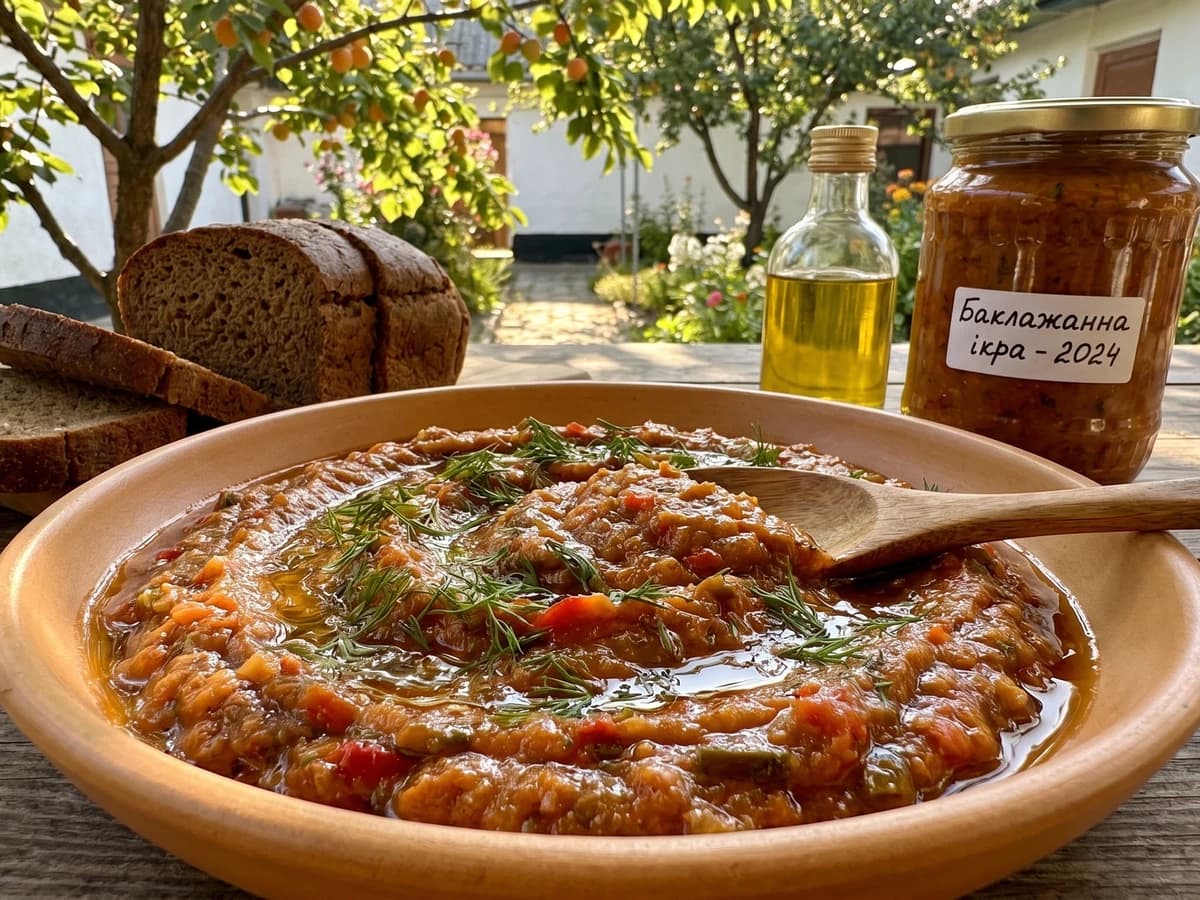
Eggplants collapse into silk, tomatoes give up their summer, and the pan turns sweet and smoky enough that a spoon dragged through leaves a clean path.
A cooking platform built around craft, culture, and the stories behind what we eat.
Created by
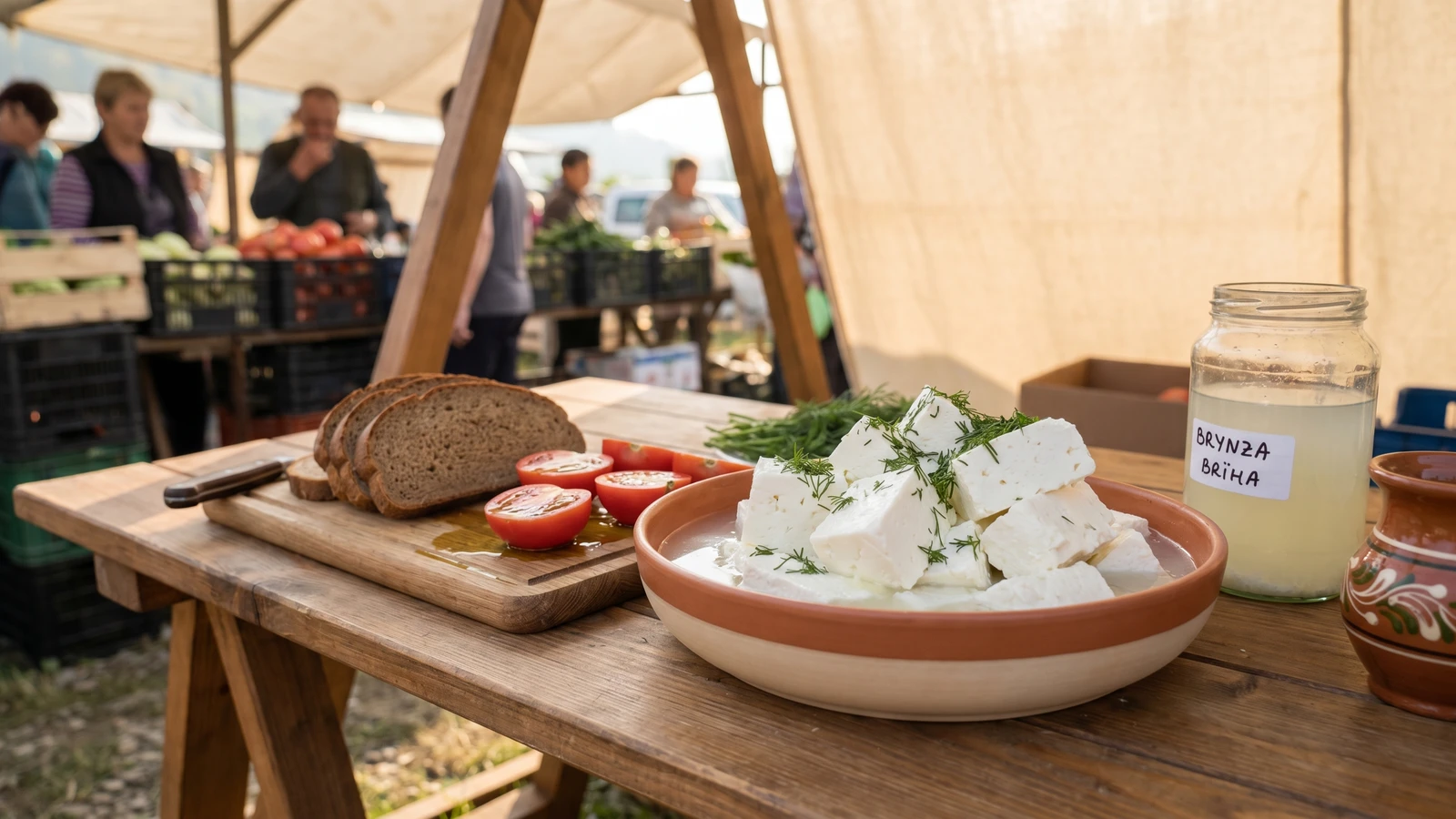
The salt hits first, then the pasture: sheep's milk turned into a white, crumbly cheese that tastes of grass, weather, and the mountain air that made it.
The salt hits first, then the pasture comes through. Good brynza is not polite cheese. It is white and crumbly, sharp at the edges, creamy when it warms on your tongue, and it tastes like the Carpathian slopes where sheep spend the short green season eating everything that smells of sun and rain.
This is not my southern steppe table by birth, so I come to it with respect and a clean apron. In the Hutsul mountains, brynza belongs to the polonyna, the high summer pasture, and to the shepherds who turn fresh sheep's milk first into budz, then into salted cheese that keeps. At home we make a safer, smaller version with pasteurized sheep's milk, culture, rennet, and a proper brine. The why is simple: the curd must drain before it meets strong salt, or the outside tightens too fast and traps whey inside, making the cheese weep and sour unevenly.
Aunt Nadia wrote once, about cheese from the market, "buy the one that smells clean, not sleepy." I still think that's the best instruction. Brynza should smell milky, grassy, lightly sour, never musty. Crumble it over black bread with radishes and dill, stir it into hot banosh, or set it out with tomatoes and green sunflower oil. Make enough for the week, then watch it vanish by Wednesday.
Hutsulska ovecha bryndzia, Hutsul sheep bryndzia, became Ukraine's first registered geographical indication in 2019, protecting a Carpathian cheese made from sheep's milk in the mountain pasture tradition. In Hutsul practice, fresh curd is formed into budz, then aged, crumbled, salted, and packed so it keeps beyond the short grazing season. The protected cheese belongs especially to Zakarpattia, Ivano-Frankivsk, and Chernivtsi mountain communities, where shepherding and cheese-making are still tied to the summer movement up to the polonyna.
Quantity
4 litres
not ultra-heat-treated
Quantity
1/8 teaspoon
Quantity
1/4 teaspoon
diluted in 2 tablespoons cool non-chlorinated water
Quantity
1/2 teaspoon
diluted in 2 tablespoons cool non-chlorinated water
Quantity
2 percent of drained cheese weight
Quantity
1 litre
for brine
Quantity
100g
for a 10 percent brine
Quantity
1 teaspoon
for brine acidity
| Ingredient | Quantity |
|---|---|
| pasteurized sheep's milknot ultra-heat-treated | 4 litres |
| mesophilic cheese culture | 1/8 teaspoon |
| liquid calcium chloridediluted in 2 tablespoons cool non-chlorinated water | 1/4 teaspoon |
| liquid animal or microbial rennetdiluted in 2 tablespoons cool non-chlorinated water | 1/2 teaspoon |
| fine sea salt | 2 percent of drained cheese weight |
| non-chlorinated waterfor brine | 1 litre |
| fine sea saltfor a 10 percent brine | 100g |
| white vinegar or wheyfor brine acidity | 1 teaspoon |
Pour the sheep's milk into a clean heavy pot and warm it gently to blood heat, about 32C. Stir slowly from the bottom so it warms evenly and doesn't catch. It should feel just warm against your knuckle, alive but not hot.
Sprinkle the culture over the surface, wait a minute for it to hydrate, then stir it in with slow up-and-down movements. Add the diluted calcium chloride and stir again. Cover the pot and let the milk ripen until it smells a little sweeter and rounder, like warm cream with a faint tang.
Stir in the diluted rennet for one quiet minute, then stop the milk moving. Cover and leave it undisturbed until the curd sets firmly enough that a knife makes a clean break and pale whey slips into the cut. Don't jiggle the pot every five minutes like a nervous aunt. Let it become cheese.
Cut the curd into small cubes, about the size of hazelnuts, then let them sit so the edges firm up. Stir gently, lifting from the bottom, until the curds shrink slightly and feel springy between your fingers. The whey will turn clearer and yellow-green. That's sheep's milk giving up its richness.
Line a colander with clean butter muslin and ladle in the curds. Gather the cloth and let the whey run off, then hang the bundle or set it under a light weight until the cheese holds together but still feels moist. This draining is the step that decides the texture: too wet and it sours badly, too dry and it loses its soft crumble.
Weigh the drained cheese, crumble it into a clean bowl, and mix in fine sea salt at 2 percent of the cheese weight. Use your hands. Rub lightly until the salt is even and the curds look like damp white pebbles, not paste.
Stir 100g salt into 1 litre non-chlorinated water until dissolved, then add the vinegar or whey. Pack the salted cheese into a clean jar and pour over enough brine to cover it completely. The surface must stay under the brine; anything above the line is not being kept safe.
Close the jar and refrigerate. After two days it will taste sharper and more settled; after a week it becomes properly salty, crumbly, and ready for banosh, potatoes, bread, tomatoes, or anything that needs a mountain waking it up.
1 serving (about 100g)
Culinary guides, cultural storytelling, and the editorial depth that makes cooking meaningful.
Discover Culinary ExplorerChef Lesia
Eggplants collapse into silk, tomatoes give up their summer, and the pan turns sweet and smoky enough that a spoon dragged through leaves a clean path.

Chef Lesia
The first cheese from the mountain vat is barely cheese yet: sweet milk caught into a warm springy round, unsalted, alive with whey, waiting to become brynza if you let it.

Chef Lesia
Roasted beets turn almost black at the edges, then grind with garlic and walnuts into a crimson spread so dense the spoon leaves a path through it.

Chef Lesia
This is the sausage that perfumes the Easter basket before anyone opens it: garlic, pepper, pork fat, and a casing baked tight enough to snap under the knife.