
Chef Ally
All-Butter Croissants
Shatteringly crisp, impossibly tender, and layered with the finest butter you can find. Two days of patience rewarded with the most honest croissant you will ever bake.
A cooking platform built around craft, culture, and the stories behind what we eat.
Created by
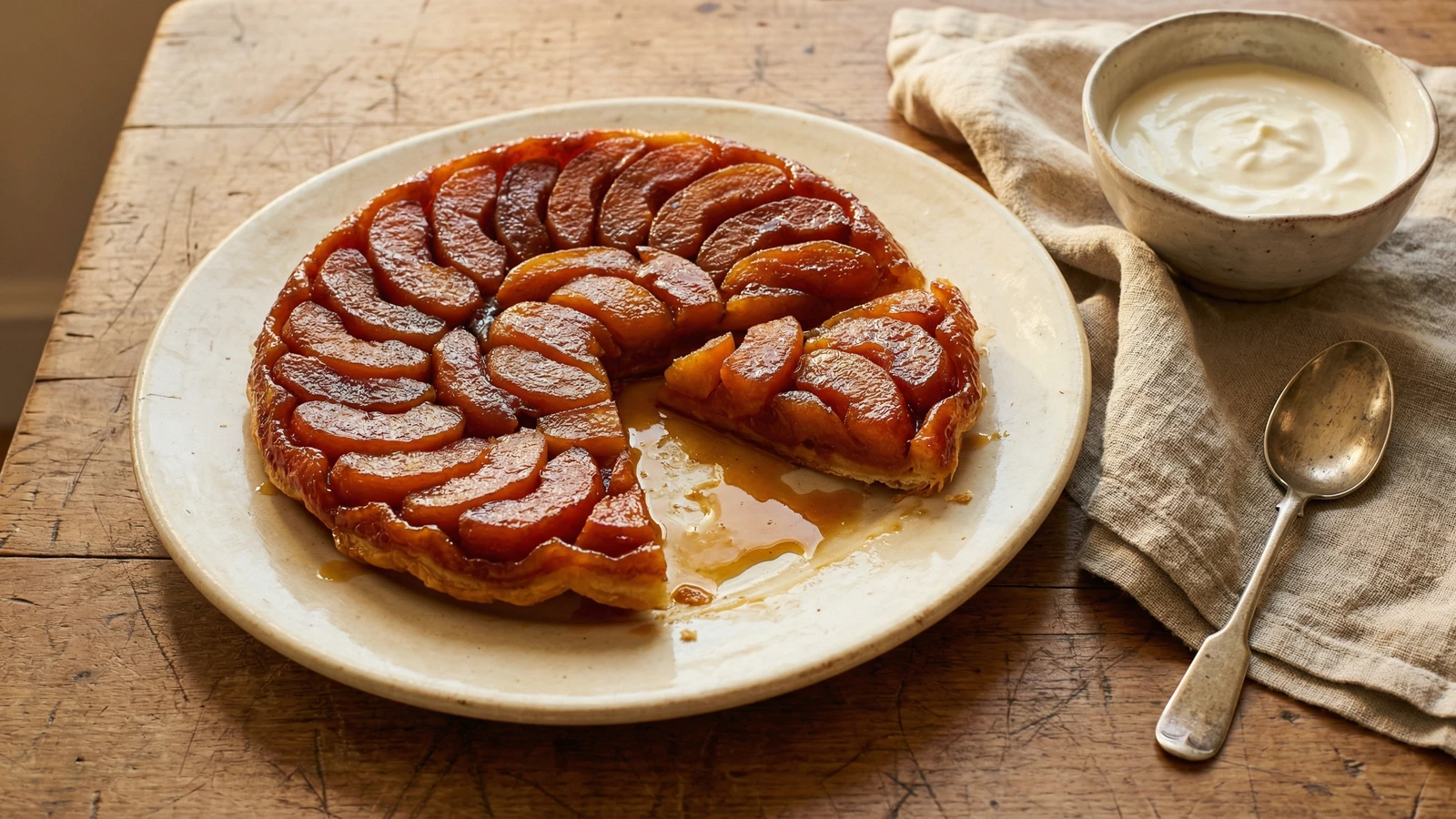
Farmers' market apples sink into butter and caramel, then emerge beneath shatteringly crisp pastry, a French provincial classic that proves the best desserts are the simplest ones.
The Tarte Tatin was born from a mistake in the Loire Valley, but its genius lies in what it reveals: that perfect fruit, good butter, and attentive hands need almost nothing else. This is a dessert that cannot be rushed and should not be complicated.
Start with the apples. In autumn, the farmers' market overflows with varieties bred for flavor rather than shipping durability. Sierra Beauty holds its shape and tastes like October itself. Gravenstein, if you can find it, brings a tartness that balances the caramel beautifully. Ask the farmer what they would bake with. They will tell you.
The technique is simple, but it requires presence. You build a caramel, arrange the fruit, let it all cook low and slow until the apples turn amber and tender. Then the pastry goes on top, and everything disappears into the oven. The flip at the end is a small act of faith. Trust it.
Every meal is a meaningful choice. When you make this tart with apples from a farm you know, butter from a dairy that cares, you are not just baking dessert. You are participating in a food system worth preserving.
Quantity
6 medium (about 2 1/2 pounds)
such as Sierra Beauty, Gravenstein, or Honeycrisp
Quantity
6 tablespoons (85g)
Quantity
3/4 cup (150g)
Quantity
1/4 teaspoon
Quantity
1 sheet (about 9 ounces)
thawed if frozen
Quantity
for serving
| Ingredient | Quantity |
|---|---|
| firm, tart applessuch as Sierra Beauty, Gravenstein, or Honeycrisp | 6 medium (about 2 1/2 pounds) |
| unsalted European-style butter | 6 tablespoons (85g) |
| granulated sugar | 3/4 cup (150g) |
| fine sea salt | 1/4 teaspoon |
| puff pastrythawed if frozen | 1 sheet (about 9 ounces) |
| crème fraîche (optional) | for serving |
Start at the market. You want apples that are firm, tart, and fragrant. Hold one in your hand; it should feel dense and heavy. Smell the stem end. A truly ripe apple perfumes the air before you bite it. Sierra Beauty, Gravenstein, and Honeycrisp hold their shape through caramelization. Softer apples will collapse into sauce.
Peel, halve, and core the apples. Work with intention. The halves should be as uniform as possible so they cook evenly. Set them aside, cut side up. They will brown slightly while you make the caramel. This is fine. The browning will disappear beneath amber sugar.
Place an oven-safe 10-inch skillet over medium heat. Add the butter and let it melt, swirling occasionally. Sprinkle the sugar evenly over the melted butter, then add the salt. Do not stir. Let the mixture bubble and foam, swirling the pan gently to encourage even coloring. Watch closely. The caramel will shift from pale gold to amber in moments. When it reaches the color of wildflower honey (about 5 to 7 minutes), remove the pan from heat.
Working quickly while the caramel is still warm, arrange the apple halves cut-side up in the skillet. Start from the outer edge and spiral inward, fitting them snugly. They will shrink as they cook, so pack them close. Nestle any remaining pieces into gaps. The apples should stand nearly upright, domed sides facing down into the caramel.
Return the skillet to medium heat. Let the apples cook undisturbed for 20 to 25 minutes. The caramel will bubble up around the fruit, and the apples will soften and take on color. You will smell butter and sugar becoming something richer. Resist the urge to move things. The bottom layer is developing that deep, lacquered finish that makes a proper Tatin.
While the apples cook, preheat your oven to 400F. Roll the puff pastry into a circle about 11 inches in diameter, slightly larger than your skillet. Keep it cold. If it warms too much, slide it onto a baking sheet and refrigerate for 10 minutes.
Remove the skillet from heat. Lay the pastry circle over the apples, tucking the edges down around the fruit. Pierce the center three or four times with a knife to let steam escape. Transfer to the oven and bake until the pastry is deeply golden and puffed, about 25 to 30 minutes. The caramel should bubble visibly around the edges.
Let the tart rest in the skillet for 5 minutes. No longer, or the caramel will seize and glue everything to the pan. Place a serving plate over the skillet, hold them firmly together, and flip with confidence. Lift the pan away. The apples should release in a glistening, amber mosaic. If any stick, simply place them back where they belong. No one will know.
Serve the tarte warm, not hot. This is when the flavors settle and the caramel clings to each slice. A spoonful of crème fraîche alongside cuts the sweetness with quiet acidity. Let things taste of what they are: good butter, local apples, careful attention.
1 serving (about 175g)
Culinary guides, cultural storytelling, and the editorial depth that makes cooking meaningful.
Discover Culinary ExplorerChef Ally
Shatteringly crisp, impossibly tender, and layered with the finest butter you can find. Two days of patience rewarded with the most honest croissant you will ever bake.

Chef Ally
Tender, buttery shells filled with jewel-toned curd made from blood oranges at their peak, the kind of winter dessert that reminds you the sun will return.

Chef Ally
A French butter cookie made extraordinary by one patient act: browning the butter until it smells of hazelnuts and caramel, then finishing each round with crystals of fleur de sel that spark against the sweetness.
Chef Ally
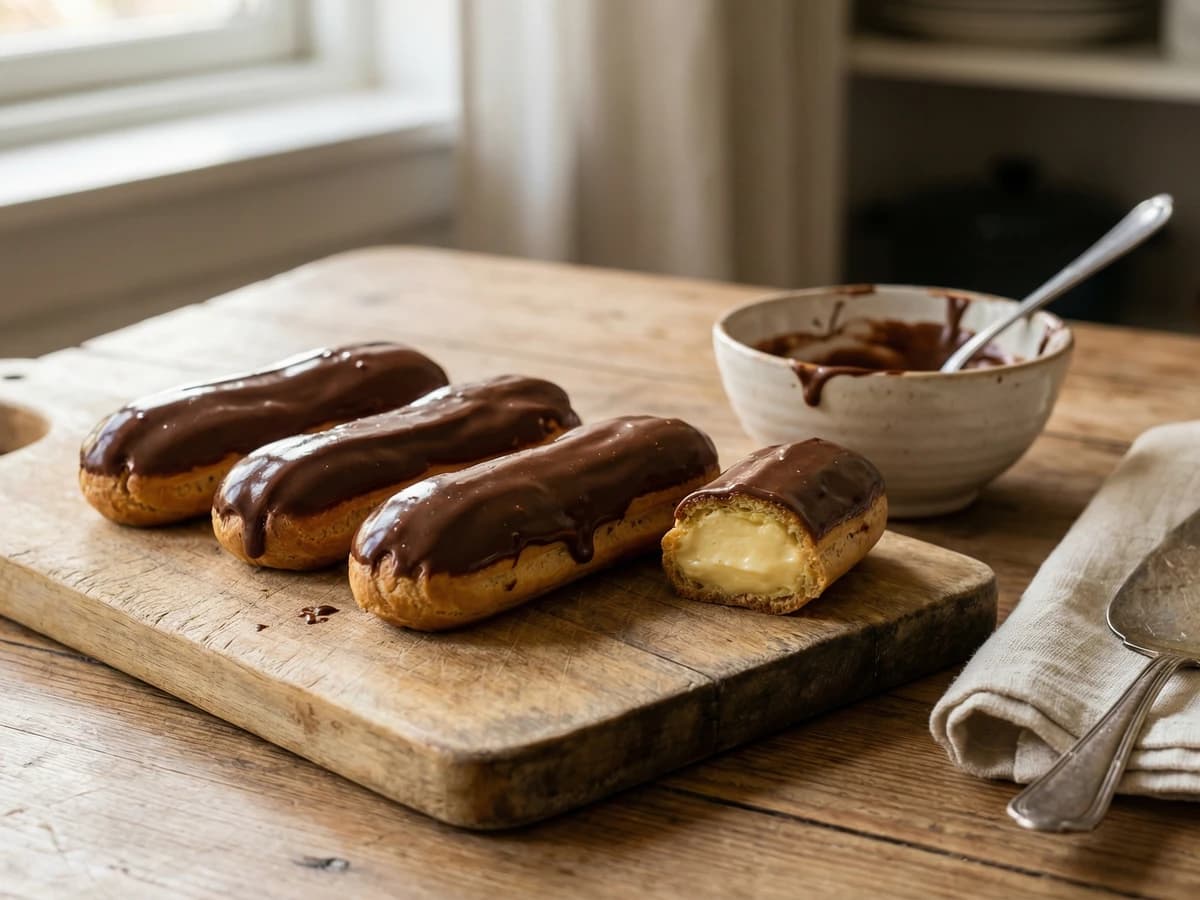
Crisp, hollow choux pastry shells filled with cool vanilla cream and capped with glossy dark chocolate, made the way they have been made in France for two hundred years, because some things do not need improvement.