Chef Isabel
Abanico Ibérico a la Plancha
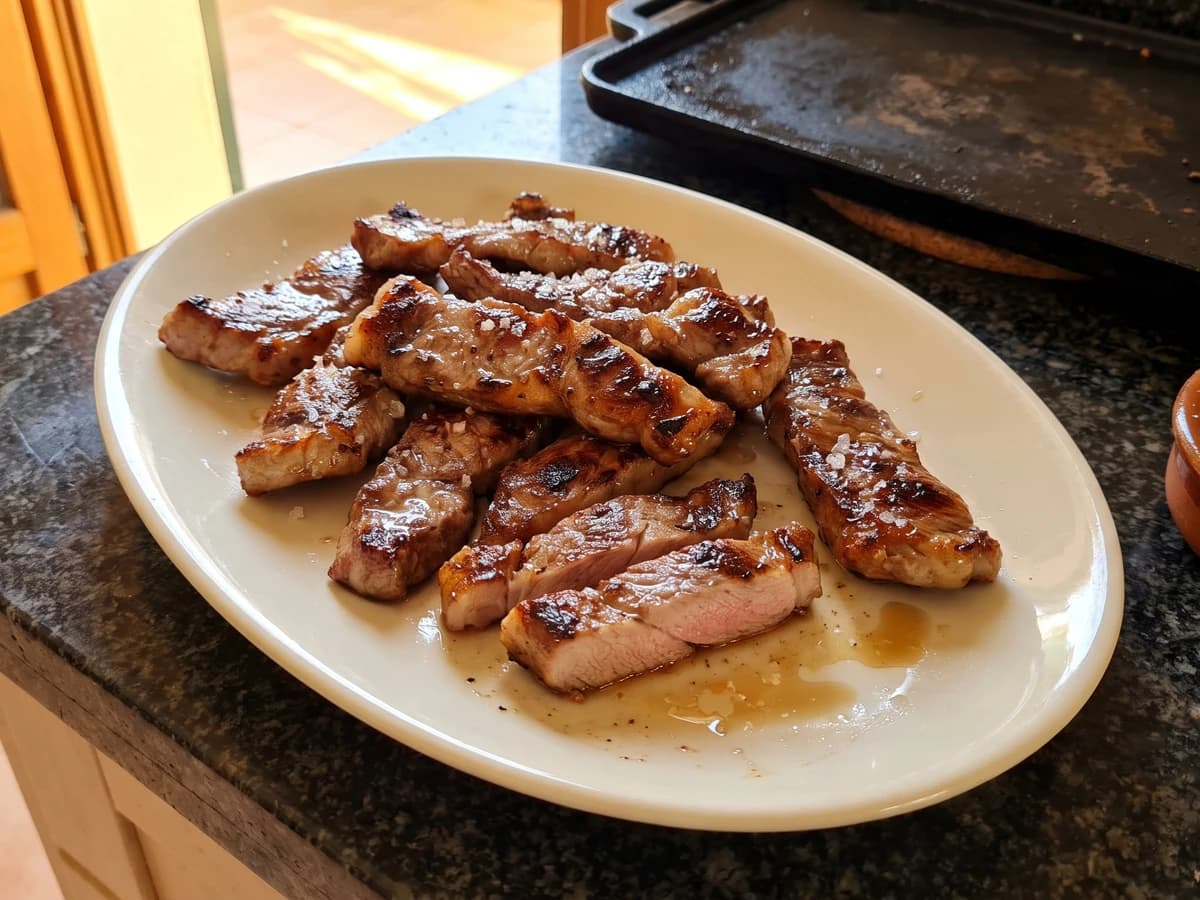
Extremadura's dehesa gives us this fan-shaped, marbled rib cut: salt it at the last moment, lay it on a fierce plancha, and count in seconds so the centre stays juicy.
A cooking platform built around craft, culture, and the stories behind what we eat.

Created by
Arroz Santanderino is Cantabria in a wide pot: short-grain rice, clams, squid, and prawns cooked loose and brothy, with a dark sweet sofrito doing the quiet work.
Arroz Santanderino is Cantabrian, from the coast around Santander, and it is an arroz caldoso, a brothy rice, not a paella. The rice should arrive loose and spoonable, tasting of shellfish, fish stock, pimentón, and the slow onion base underneath. Esto es de Cantabria, no de "España" a secas.
The method that decides it is the sofrito, the slow onion, pepper, tomato, and garlic base. Cook it low until the vegetables go dark gold, sweet, and almost jammy before the rice goes in. Rush that and the pot tastes watery no matter how good the seafood is. Give it time, then toast the rice briefly so each grain carries the oil and pimentón.
If you are far from Santander, no hace falta haber pisado España. Use good littleneck clams for almejas, cleaned squid, and raw prawns or shrimp with shells on if you can get them. The shells give the stock more backbone. If your fishmonger has hake bones or monkfish bones, take them; if not, a clean unsalted seafood stock will do, but taste before salting.
Add the clams and prawns at the end, not at the beginning. Shellfish tells you when it is done by opening. My Margin beside this one says only, "caldoso, no seco," brothy, not dry. Siempre sale, si lo sigues.
Arroz Santanderino belongs to Cantabria's coast, where Santander's port and fishing towns fed inland kitchens with clams, squid, hake, and prawns from the Bay of Biscay. It sits with the northern arroces caldosos, brothy rice dishes meant for a spoon rather than the dry, separate grain of a Valencian paella. The dish shows Cantabria's old habit of joining sea and mountain larders: a deep vegetable sofrito, pimentón from the preserved pantry, and fresh shellfish added only long enough to open.
Quantity
300g
Quantity
1.2 litres, plus 100ml more if needed
Quantity
500g
scrubbed and purged
Quantity
300g
cleaned and cut into rings or bite-size pieces
Quantity
250g
shell-on if possible
Quantity
1 medium
finely chopped
Quantity
1
finely chopped
Quantity
2
grated, skins discarded
Quantity
3
finely chopped
Quantity
80ml
Quantity
60ml
Quantity
1 teaspoon
Quantity
1 pinch
Quantity
1
Quantity
2 tablespoons
Quantity
to taste
Quantity
to taste
| Ingredient | Quantity |
|---|---|
| short-grain Spanish rice, such as bomba, Calasparra, or bahía | 300g |
| hot fish or seafood stock | 1.2 litres, plus 100ml more if needed |
| clamsscrubbed and purged | 500g |
| squidcleaned and cut into rings or bite-size pieces | 300g |
| raw prawns or shrimpshell-on if possible | 250g |
| onionfinely chopped | 1 medium |
| green pepperfinely chopped | 1 |
| ripe tomatoesgrated, skins discarded | 2 |
| garlic clovesfinely chopped | 3 |
| dry white wine | 80ml |
| extra virgin olive oil | 60ml |
| sweet pimentón de la Vera | 1 teaspoon |
| saffron threads | 1 pinch |
| bay leaf | 1 |
| chopped parsley | 2 tablespoons |
| fine sea salt | to taste |
| freshly ground black pepper | to taste |
Put the clams in a bowl of cold salted water for 30 minutes, then lift them out and rinse well. Do not pour them out with the water, or the grit follows them back. Discard any cracked clams, and any open ones that do not close when tapped.
Warm the olive oil in a wide heavy cazuela or deep saute pan over medium-low heat. Add the onion, green pepper, and a pinch of salt, and cook 15 minutes, stirring often, until soft and dark gold. Add the garlic and cook 1 minute, then add the grated tomato and bay leaf. Cook 10 to 12 minutes more, until the tomato has lost its water and the sofrito is thick, sweet, and jammy.
Stir in the squid and cook 3 minutes, just until it tightens and gives off a little liquid. Pull the pan briefly off the heat, stir in the pimentón and saffron, then return it to the heat. Pimentón burns fast and turns bitter, so give it oil and warmth, not a hard scorch.
Add the rice and stir for 1 minute, coating every grain in the sofrito and red oil. Pour in the white wine and let it bubble until almost gone. This short toast helps the rice stay loose in the broth instead of turning pasty.
Add 1.2 litres hot stock, stir once, and bring to a lively simmer. Cook uncovered for 13 to 15 minutes, adjusting the heat so the whole surface bubbles steadily. Stir only now and then to keep the rice from catching. This is arroz caldoso, so it should look generous with broth; add a splash more hot stock if the pan tightens too quickly.
When the rice is nearly tender but still has a small firm point, nestle in the clams and prawns. Cover the pan and cook 4 to 6 minutes, until the clams open and the prawns turn pink. Taste the broth, season with salt and pepper, and pull the pan off the heat while the rice is still soupy.
Rest the rice 3 minutes, no longer, because it keeps drinking. Scatter with parsley and serve at once in warm shallow bowls, with broth around the grains and shellfish on top. Not every arroz is a paella. This one wants a spoon.
1 serving (about 560g)
Culinary guides, cultural storytelling, and the editorial depth that makes cooking meaningful.
Discover Culinary ExplorerChef Isabel
Extremadura's dehesa gives us this fan-shaped, marbled rib cut: salt it at the last moment, lay it on a fierce plancha, and count in seconds so the centre stays juicy.
Chef Isabel
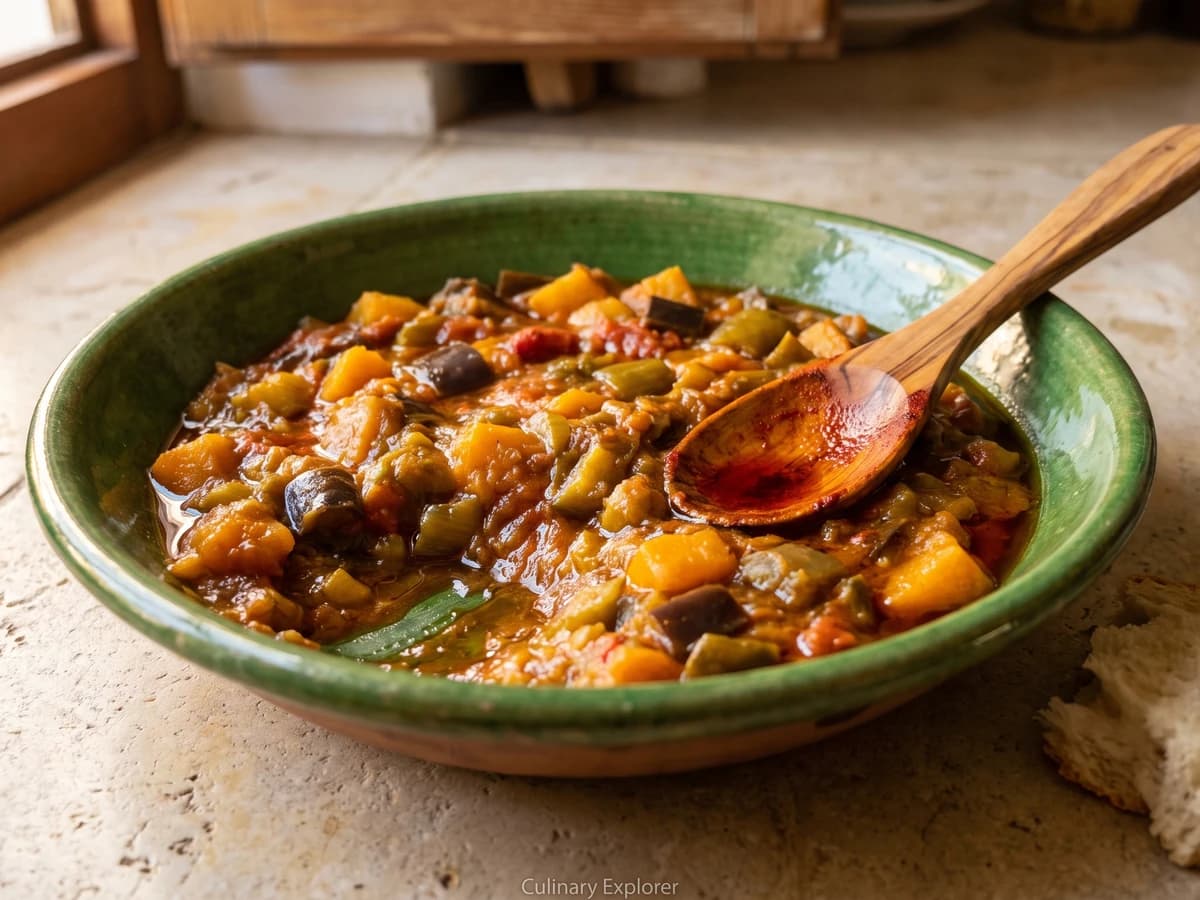
Alboronía is Andalucía's old pumpkin and aubergine stew, deepened with tomato, pimentón, and cumin, then cooked without hurry until the vegetables settle into a glossy, sweet, spoon-soft whole.

Chef Isabel
Aletría Murciana is Murcia's humble noodle guiso: fine fideos, pork ribs, potato, saffron, and a dark sweet sofrito. Get that base right and the pot knows where it's going.
Chef Isabel
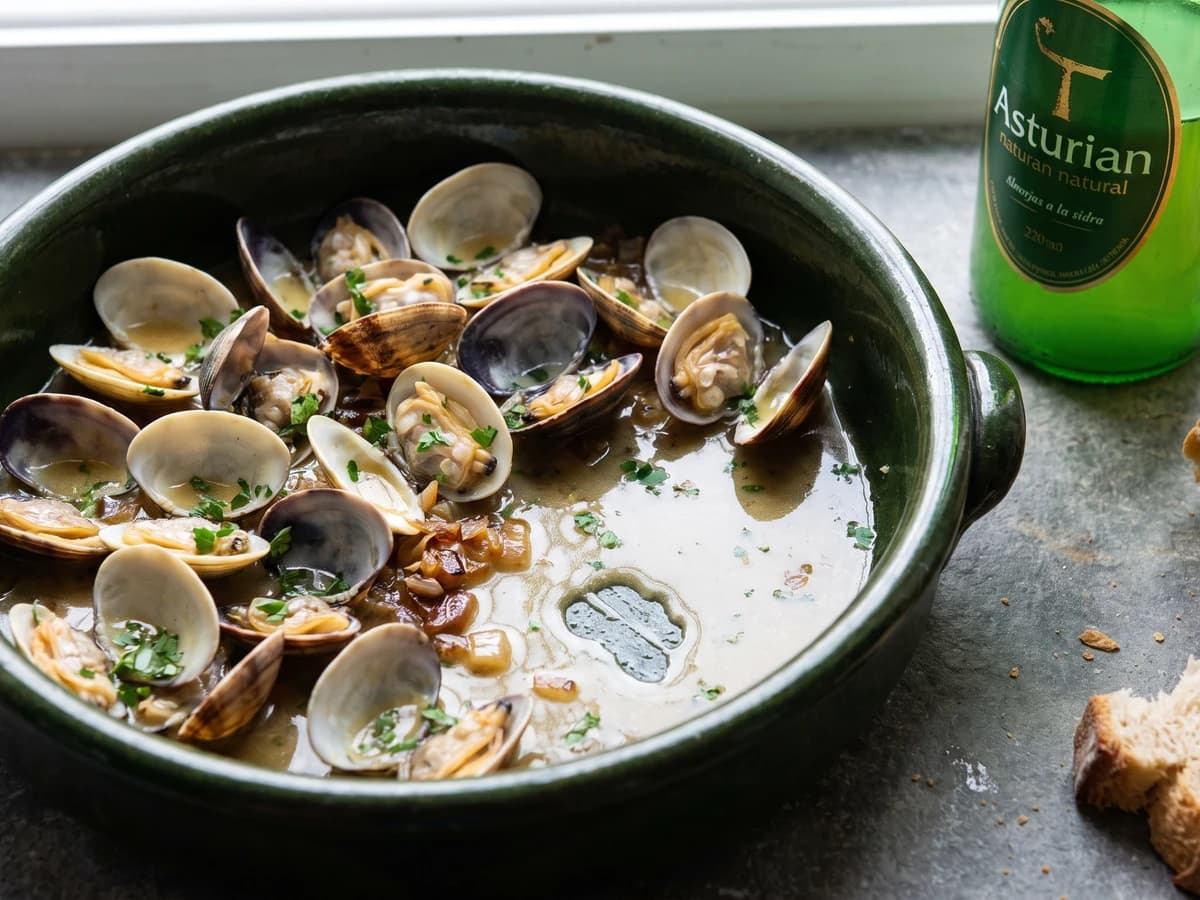
Asturias opens clams in tart natural cider over a slow onion and garlic sofrito, making a bright, briny sauce that asks for bread and rewards one rule: lift each clam as it opens.