Chef Joost
Aardbeienvlaai (Limburg Strawberry Vlaai)
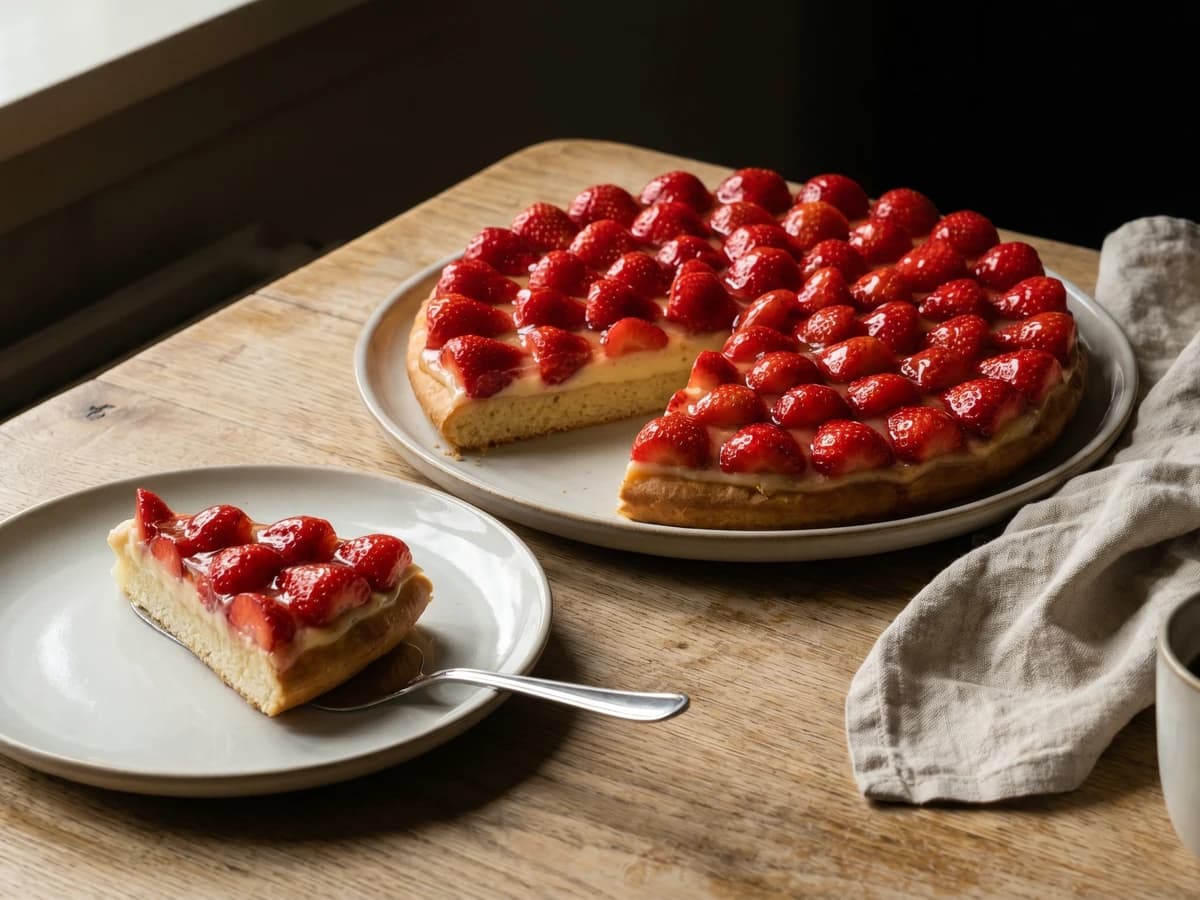
The summer vlaai that politely breaks Limburg's baked-fruit rule: soft gistdeeg, cool pastry cream, and strawberries left fresh because June knows better than the oven.
A cooking platform built around craft, culture, and the stories behind what we eat.
Created by
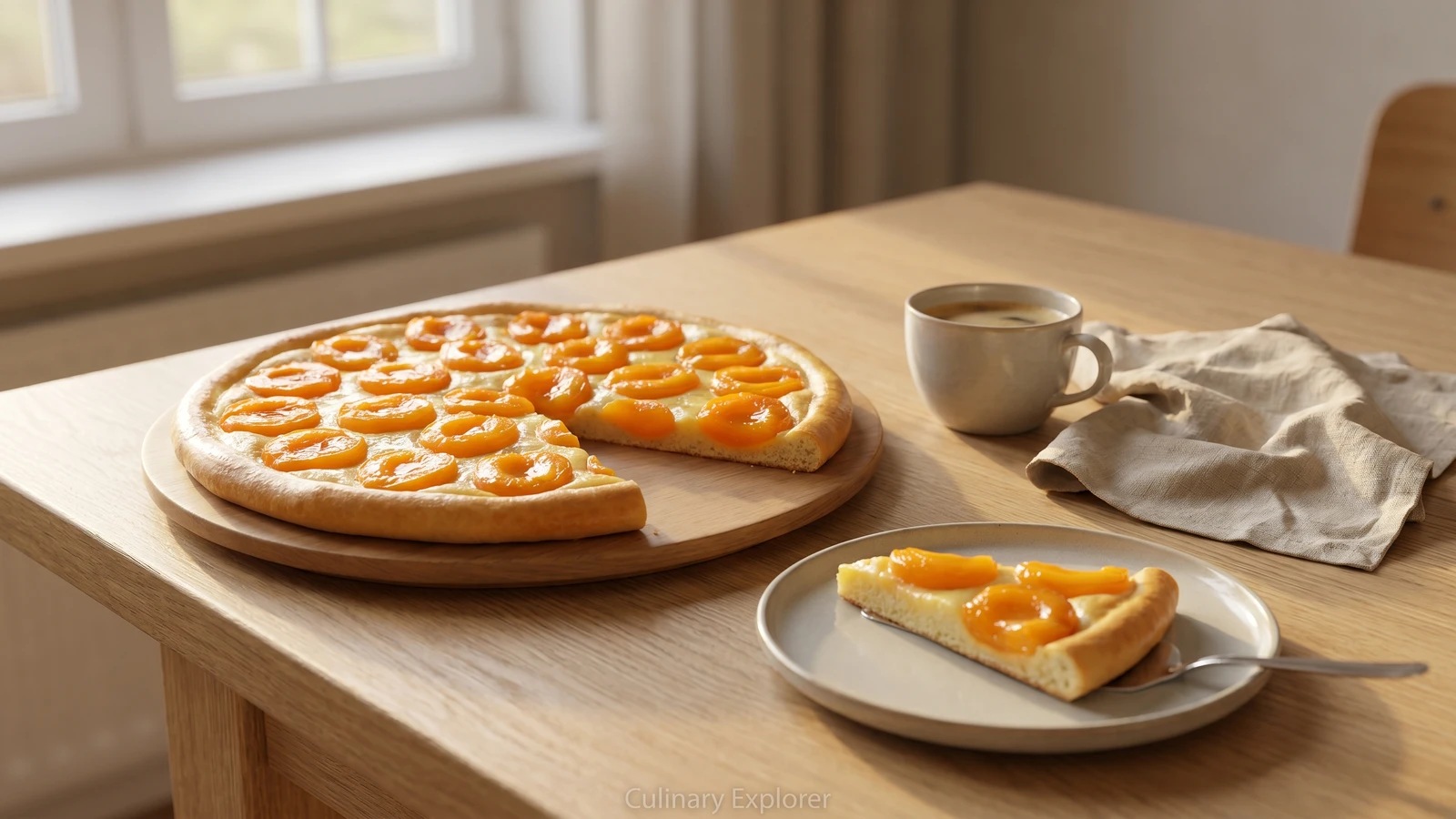
A Limburg vlaai is not a pie trying to be grand. It is a thin yeast-dough round, fruit-bright and generous, made for birthdays, coffee, and second slices.
The first rule of vlaai is that Limburg keeps it. The rest of the Netherlands may buy it, admire it, and carry it home in a cardboard box on the train, but the dish belongs to the south, where birthdays are measured in wedges and coffee is not properly coffee unless something sweet is waiting beside it.
The name already tells you a little, but only if you listen carefully. Vlaai belongs to an old family of words for a flat cake, kin to fladen, broad and low. That is the secret people miss when they make it too thick: this is not a high pie with ambitions. It is bread dough rolled thin, barely a centimetre, so the fruit leads and the crust behaves itself.
Abricots bring sunshine into the matter, especially in late summer when they are fragrant enough to perfume the bowl before you cut them. But let me tell you a secret: Limburg cooks have long understood preserved fruit too. A well-drained jar of apricot halves is not failure, it is winter memory doing its job. Hou het altijd simpel, always keep it simple. A soft yeast dough, a shallow tin, fruit cooked just enough to hold, and a coffee table with room for one more chair.
Vlaai is strongly associated with Dutch Limburg and the neighbouring Meuse-Rhine region, where open, yeast-dough fruit tarts became fixtures of kermis days, birthdays, and parish celebrations. The word vlaai is related to older Low Countries and Germanic words for a flat cake, which explains the defining feature of the dish: a thin bread-like base rather than a rich shortcrust shell. In 2024, Limburgse vlaai received European protected geographical indication status, tying the name to the region and to traditional methods of production.
Quantity
250g
plus extra for dusting
Quantity
7g
Quantity
35g
Quantity
1/2 teaspoon
Quantity
125ml
Quantity
1
Quantity
40g
softened
Quantity
700g
fresh or well-drained from a jar
Quantity
75g
or to taste
Quantity
1 tablespoon
Quantity
1 tablespoon
Quantity
2 tablespoons
Quantity
1 tablespoon
for brushing
| Ingredient | Quantity |
|---|---|
| plain flourplus extra for dusting | 250g |
| instant yeast | 7g |
| caster sugar | 35g |
| fine salt | 1/2 teaspoon |
| lukewarm milk | 125ml |
| egg yolk | 1 |
| unsalted buttersoftened | 40g |
| apricot halvesfresh or well-drained from a jar | 700g |
| granulated sugaror to taste | 75g |
| lemon juice | 1 tablespoon |
| cornstarch | 1 tablespoon |
| fine breadcrumbs | 2 tablespoons |
| milkfor brushing | 1 tablespoon |
Mix the flour, yeast, caster sugar, and salt in a bowl. Add the lukewarm milk, egg yolk, and softened butter, then knead for 8 to 10 minutes until the dough is smooth, soft, and no longer sticking stubbornly to your hands. Cover and let it rise until doubled, about 1 hour.
Put the apricot halves in a pan with the sugar and lemon juice. Cook gently for 8 to 10 minutes, just until the fruit softens and gives up a little juice. Stir the cornstarch with 2 tablespoons of cold water, add it to the pan, and cook for another minute until the juices turn glossy and spoonable. Let the filling cool.
Butter a 28cm vlaai tin or shallow tart tin. Roll the risen dough into a circle large enough to line the tin, keeping it thin, about 3mm. Press it into the tin and trim the edge. If it feels too bouncy, leave it alone for 5 minutes; dough, like scholars, becomes more reasonable after a short rest.
Scatter the breadcrumbs over the base. They are not there for flavour but for discipline, catching the fruit juice before it makes the bottom heavy. Spoon in the cooled apricot filling and spread it evenly, keeping the fruit in a shallow layer.
Let the filled vlaai rest for 20 minutes while the oven heats to 200C. Brush the exposed rim with milk, then bake for 25 to 30 minutes, until the dough is golden at the edge and the apricot filling sits glossy and settled. Cool before slicing; hot fruit lies about its thickness.
1 serving (about 115g)
Culinary guides, cultural storytelling, and the editorial depth that makes cooking meaningful.
Discover Culinary ExplorerChef Joost
The summer vlaai that politely breaks Limburg's baked-fruit rule: soft gistdeeg, cool pastry cream, and strawberries left fresh because June knows better than the oven.

Chef Joost
The December bakery counter made small: cold leafed pastry wrapped around lemon-scented amandelspijs, brushed gold, and scattered with almonds so one person gets the whole holiday in both hands.
Chef Joost
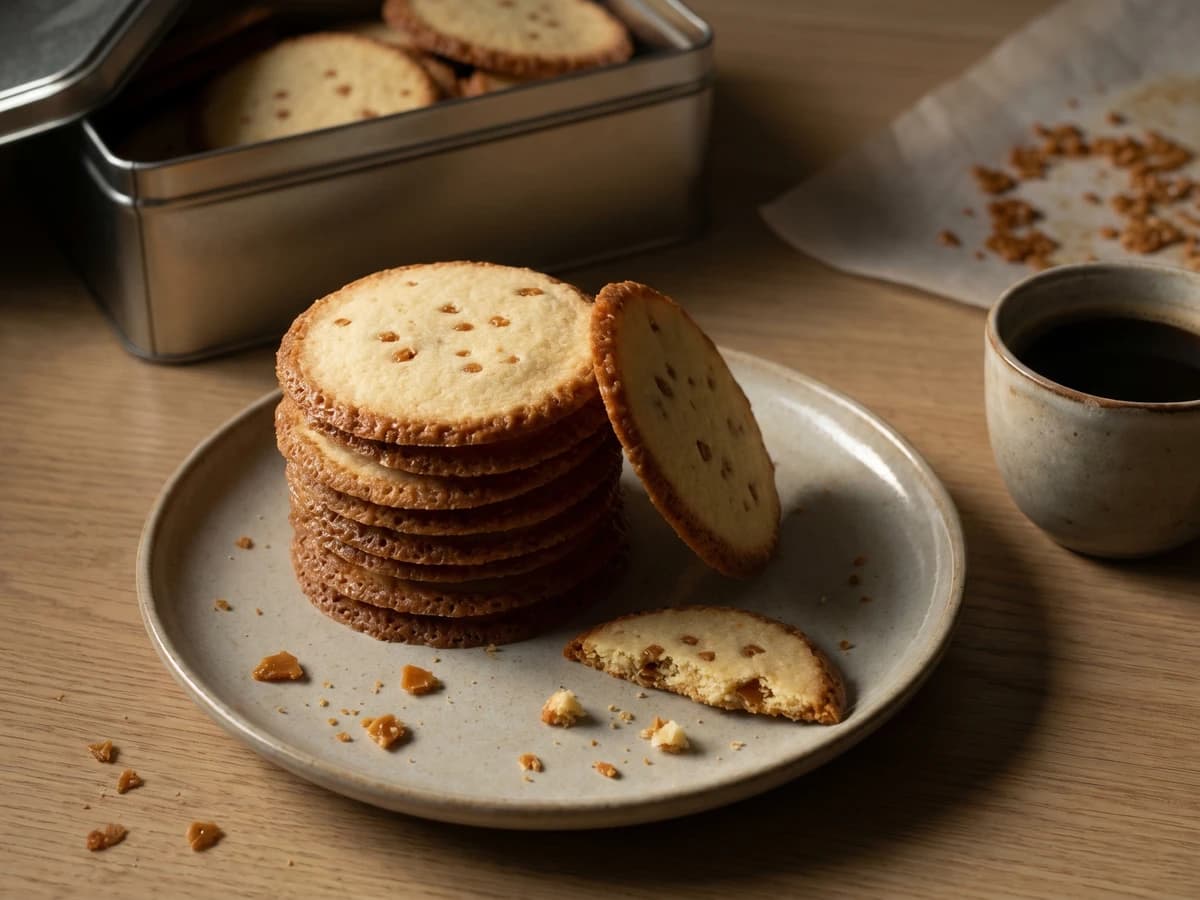
A thin Amsterdam cookie carrying a cog ship in its name: caramelized butter dough, almond nougatine, and a 1934 contest that turned municipal pride into something for coffee.

Chef Joost
A winter apple ring in light batter, fried for oudejaarsavond, New Year's Eve, when the oliebol makes the noise and the quieter beignet keeps the cinnamon-sugared secret.