
Chef Dimitra
Chios Nerantzi Glyko Koutaliou (Νεράντζι Γλυκό Κουταλιού)
Chios bitter orange peel rolled into tight coils, blanched through clean waters, then preserved in a clear fragrant syrup for the spoon-sweet tray.
A cooking platform built around craft, culture, and the stories behind what we eat.
Created by
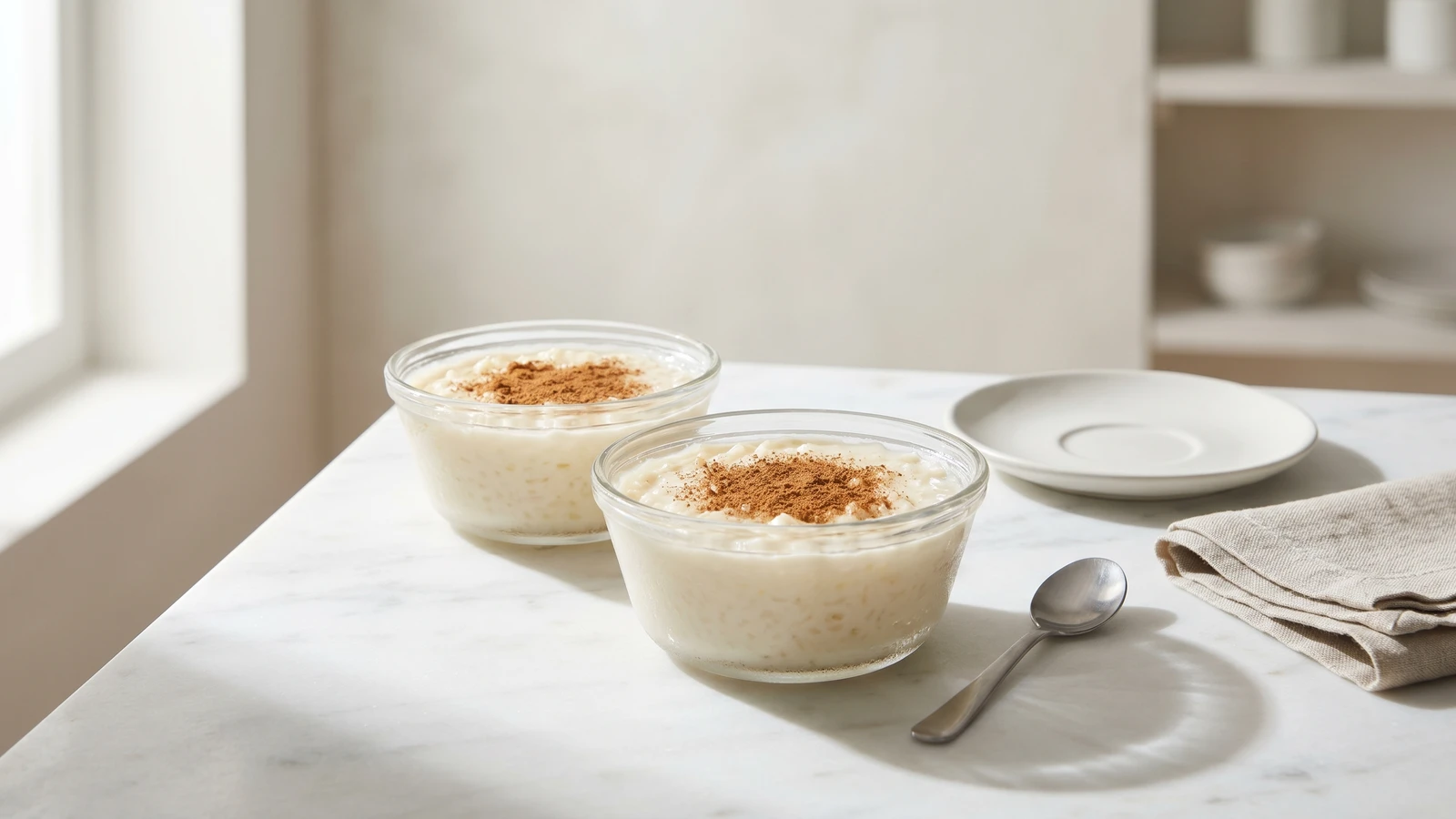
Thessaloniki rizogalo is milk, rice, and cinnamon made patient: soft grains held in a cool, creamy pudding, the kind every zacharoplasteio window knew.
Thessaloniki rizogalo is rice pudding in its plain Greek form: milk, short-grain rice, a little sugar, lemon peel, and cinnamon over the top. It belongs to the home kitchen and the zacharoplasteio, the pastry shop, where it sits in little glass bowls under a brown veil of spice.
The whole dish depends on the last minutes in the pot. Once the milk and starch begin to thicken, you stir steadily and scrape the bottom, because scorched milk announces itself before the spoon does. Keep it low, keep it moving, and the rice stays tender in a cream that sets softly when cold.
I don't dress rizogalo up. It doesn't need help. It is budget food, nursery food, fasting-season comfort when made with the right milk substitute, and the sweet a Thessaloniki mother can put into the refrigerator before lunch and serve after supper. A recipe written down is a recipe saved, even when the recipe is as humble as this.
Rizogalo takes its name from the Greek words ryzi, rice, and gala, milk, and belongs to the long eastern Mediterranean family of rice-and-milk puddings known across Byzantine and Ottoman foodways. In Greece it became especially familiar through urban pastry shops and dairy shops in the nineteenth and twentieth centuries, served chilled in individual bowls with cinnamon rather than baked with eggs. The Greek version is usually spoon-soft and stovetop-thickened, closer to the counter of a Thessaloniki zacharoplasteio than to a custard pie.
Quantity
100g
rinsed
Quantity
240ml
Quantity
1 litre
Quantity
90g
Quantity
25g
Quantity
1 teaspoon
Quantity
1 strip
Quantity
1 pinch
Quantity
as needed
| Ingredient | Quantity |
|---|---|
| short-grain ricerinsed | 100g |
| water | 240ml |
| whole milk | 1 litre |
| sugar | 90g |
| cornflour | 25g |
| vanilla extract | 1 teaspoon |
| lemon peel | 1 strip |
| fine sea salt | 1 pinch |
| ground cinnamon | as needed |
Put the rinsed rice, water, lemon peel, and salt into a heavy saucepan. Bring to a low boil, then simmer for 12 to 15 minutes, stirring now and then, until the rice has absorbed most of the water and the grains are tender at the edges.
Pour in 900ml of the milk and keep the heat low. Simmer for 15 minutes, stirring often, until the rice is fully tender and the milk looks creamy around it. Do not rush this part. Rice that is still hard in the center will stay hard, no matter how much cinnamon you dust over it.
Whisk the cornflour into the remaining 100ml cold milk until smooth, then stir it into the pot with the sugar and vanilla. Stir constantly for 5 to 7 minutes, scraping the bottom and corners of the pan, until the rizogalo thickens enough to coat the spoon. This is the method that decides it: milk sugars catch fast on the bottom once the starch thickens, so your spoon must keep the pudding moving.
Remove the lemon peel and ladle the rizogalo into six small bowls or glasses. Let it cool for 20 minutes, then refrigerate for at least 2 hours. Dust with cinnamon just before serving, generously, because rizogalo without cinnamon looks unfinished in a Greek kitchen.
1 serving (about 230g)
Culinary guides, cultural storytelling, and the editorial depth that makes cooking meaningful.
Discover Culinary ExplorerChef Dimitra
Chios bitter orange peel rolled into tight coils, blanched through clean waters, then preserved in a clear fragrant syrup for the spoon-sweet tray.

Chef Dimitra
Chios gives vanilla submarine its mastic breath: a pearly spoon sweet stirred stiff, served cold in water, and offered as the simplest kerasma.
Chef Dimitra
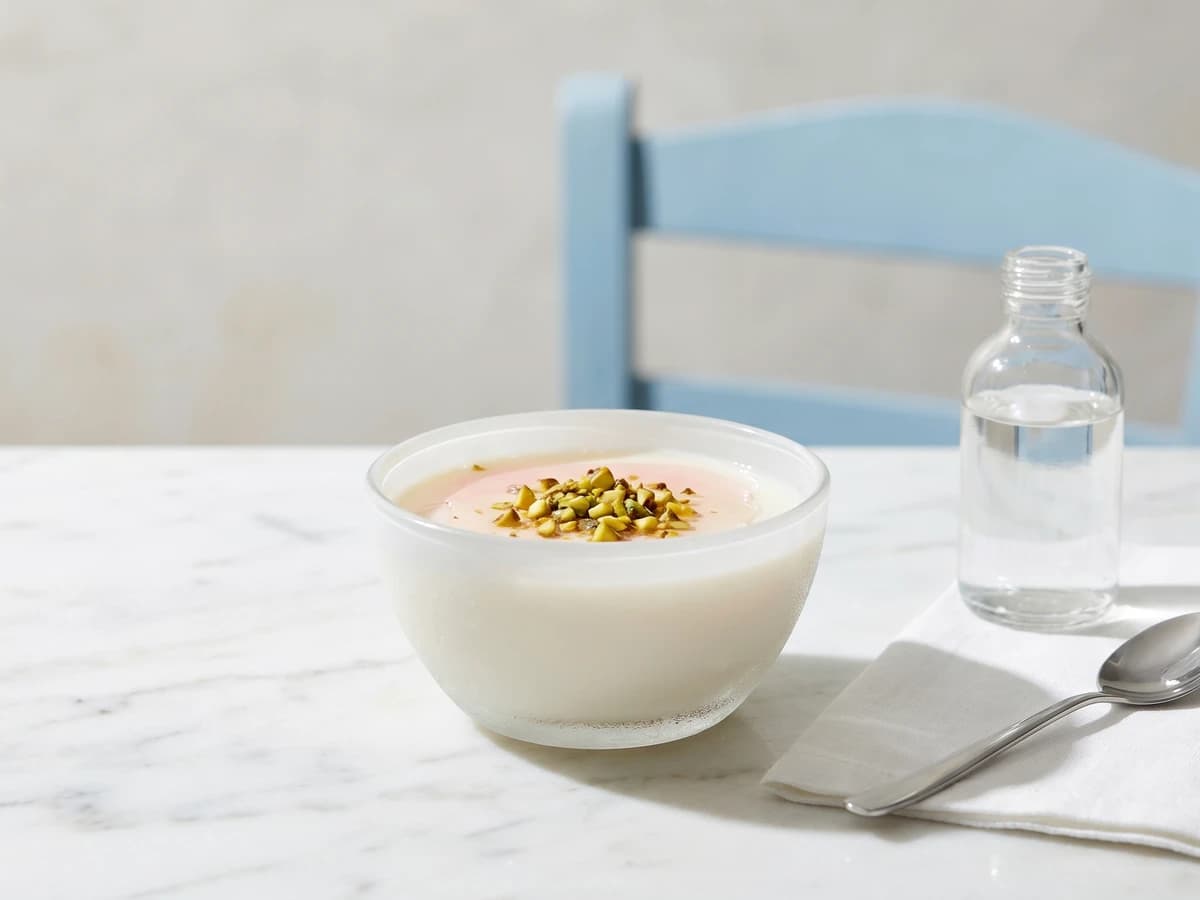
Mahalepi is the cooling milk pudding of Cyprus and the Politiki table: pale, trembling, and loosened at the spoon with cold rosewater syrup.
Chef Dimitra
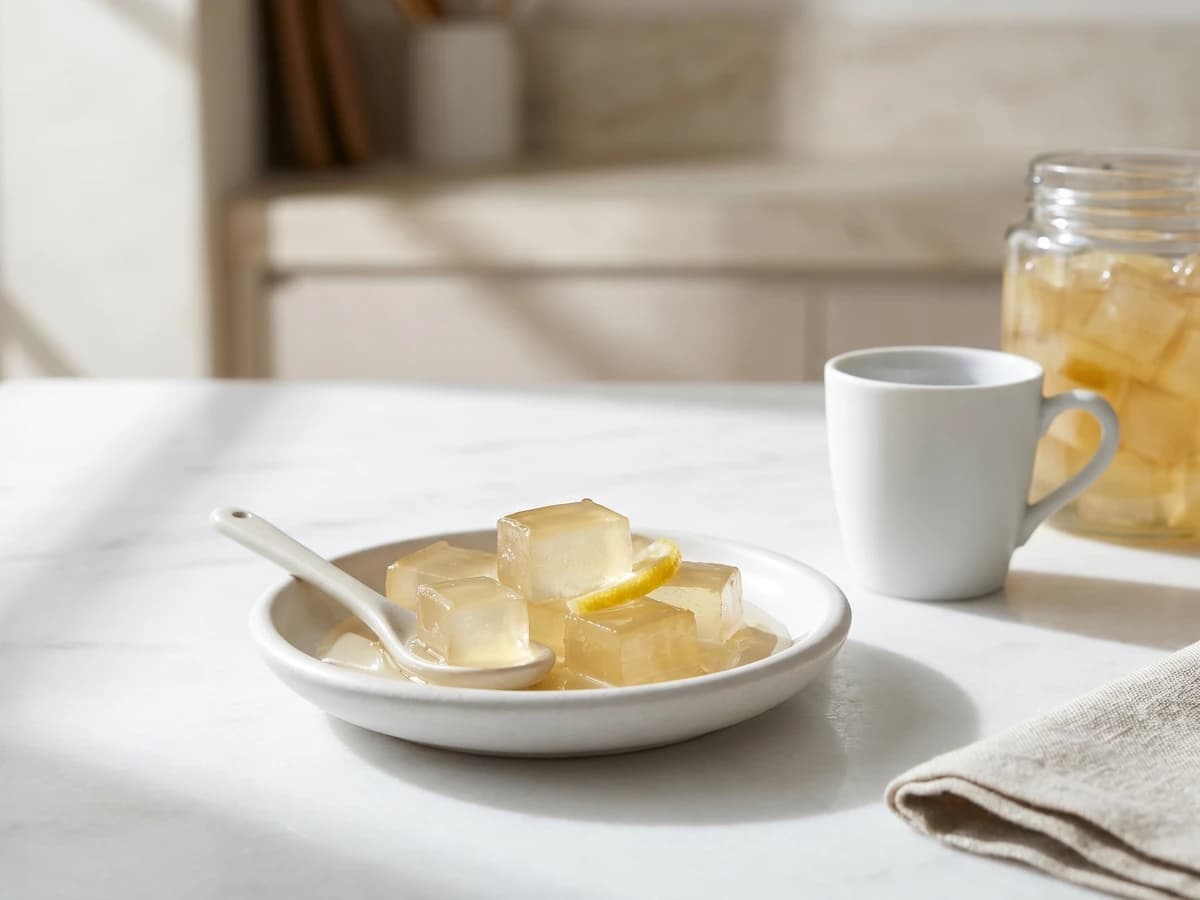
Cyprus keeps the watermelon after the red flesh is gone: firm white rind, lime-soaked for snap, simmered slowly in lemon syrup until each piece shines on the spoon.