
Chef Dimitra
Chios Nerantzi Glyko Koutaliou (Νεράντζι Γλυκό Κουταλιού)
Chios bitter orange peel rolled into tight coils, blanched through clean waters, then preserved in a clear fragrant syrup for the spoon-sweet tray.
A cooking platform built around craft, culture, and the stories behind what we eat.
Created by
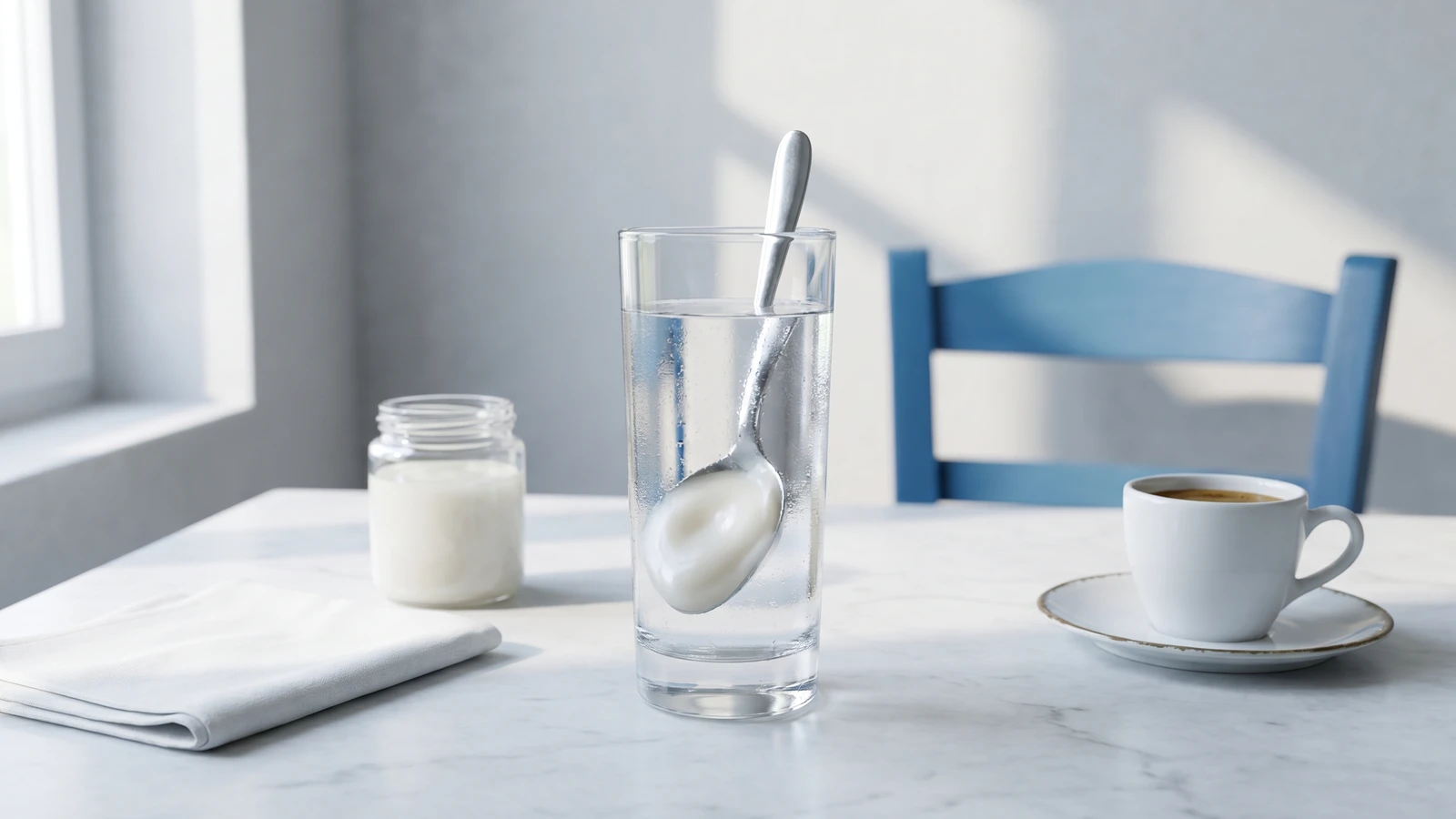
Chios gives vanilla submarine its mastic breath: a pearly spoon sweet stirred stiff, served cold in water, and offered as the simplest kerasma.
Ypovrychio Vanilia belongs to the old kafeneio glass and to Chios when the mastic is real. It is a spoonful of stiff white vanilla fondant lowered into cold water, eaten slowly from the spoon, sweet bite by sweet bite. Nothing is plated. Nothing is decorated. The pleasure is the cold glass, the pearly pull, and that clean mastic scent at the end.
The whole dish turns on the moment after the syrup boils. You let it cool a little, then beat it until the clear syrup turns white and heavy. Beat too soon and it stays loose. Beat too late and it seizes in dull crumbs. Your eye will tell you: glossy, thick, and folding over itself like satin.
This is one of the smallest Greek acts of hospitality, a kerasma, something offered before anyone asks. I remember it in Thessaloniki homes where coffee arrived first and the glass followed, with the spoon standing inside like a little flag. A recipe written down is a recipe saved, even when the recipe is only sugar, water, mastic, and patience.
Ypovrychio belongs to the Greek spoon-sweet tradition, the small kerasma offered in homes and kafeneia with a glass of cold water. Its best-known vanilla-mastic form is tied to Chios, where masticha comes from the southern mastic villages and has been protected in the EU as a PDO product since 1997. The name means submarine, a plain joke from the way the spoonful is dipped and held under water.
Quantity
700g
Quantity
240ml
Quantity
1 tablespoon
Quantity
1 tablespoon
Quantity
1/4 teaspoon
Quantity
1 teaspoon
for grinding the mastic
Quantity
1 teaspoon extract or 1/2 teaspoon powder
| Ingredient | Quantity |
|---|---|
| granulated sugar | 700g |
| water | 240ml |
| glucose syrup or light corn syrup | 1 tablespoon |
| fresh lemon juice | 1 tablespoon |
| Chios mastic tears (masticha Chiou) | 1/4 teaspoon |
| granulated sugarfor grinding the mastic | 1 teaspoon |
| vanilla extract or vanilla powder | 1 teaspoon extract or 1/2 teaspoon powder |
Put the Chios mastic tears in the freezer for 10 minutes so they turn brittle. Pound them with 1 teaspoon sugar until fine and powdery. If mastic goes into the syrup in little sticky pebbles, it stays there, and the sweet turns grainy under the spoon. Grind it fine now and it perfumes the whole jar properly.
Combine the 700g sugar, water, glucose syrup, and lemon juice in a heavy saucepan. Set over medium heat and stir only until the sugar dissolves. Once it boils, stop stirring and let it cook until the syrup reaches 116C, soft-ball stage, or until a drop in cold water can be gathered between your fingers into a soft ball.
Take the pan off the heat and let the syrup stand undisturbed for 8 to 10 minutes, until the furious bubbling settles and the surface looks glassy. Do not scrape the sides of the pan. Any dry sugar crystals there can seed the whole pot, and then your vanilia becomes sandy instead of smooth.
Pour the syrup into the bowl of a stand mixer fitted with the paddle. Add the vanilla and the ground mastic. Beat on medium speed for 10 to 15 minutes, until the clear syrup turns thick, opaque, pearly white, and pulls in heavy ribbons from the paddle. It should look like stiff fondant, not pour like icing.
Spoon the vanilia into a clean dry jar while it is still workable. Press it down to remove air pockets, cover, and leave it at room temperature for at least 12 hours before serving. It firms as it rests, which is exactly what you want for the glass.
Fill a narrow glass with very cold water. Twist a small spoon into the vanilia, lift out one rounded spoonful, and lower it into the water. The sweet clings to the spoon like white silk. Eat it slowly, dipping it back into the cold water between tastes. That is why it is called ypovrychio, the submarine.
1 serving (about 36g)
Culinary guides, cultural storytelling, and the editorial depth that makes cooking meaningful.
Discover Culinary ExplorerChef Dimitra
Chios bitter orange peel rolled into tight coils, blanched through clean waters, then preserved in a clear fragrant syrup for the spoon-sweet tray.
Chef Dimitra
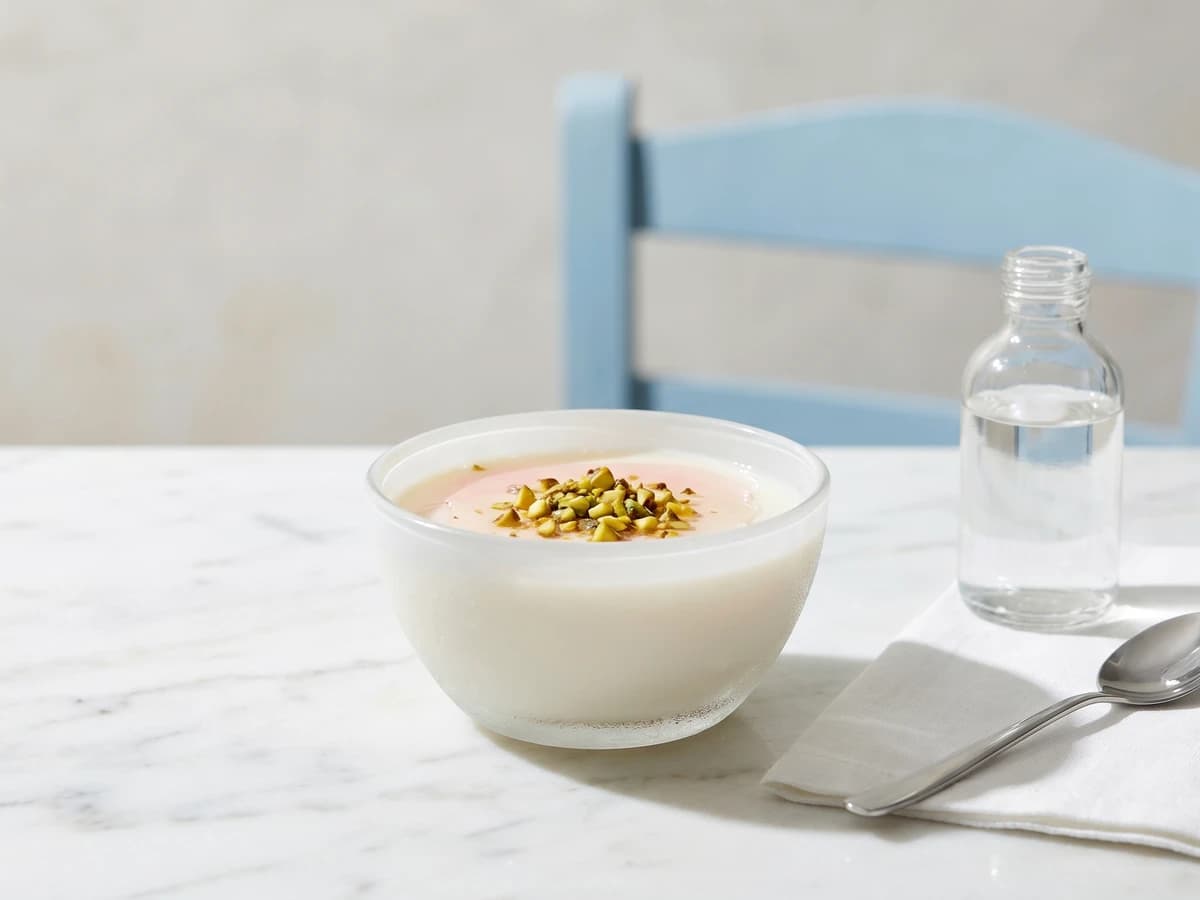
Mahalepi is the cooling milk pudding of Cyprus and the Politiki table: pale, trembling, and loosened at the spoon with cold rosewater syrup.
Chef Dimitra
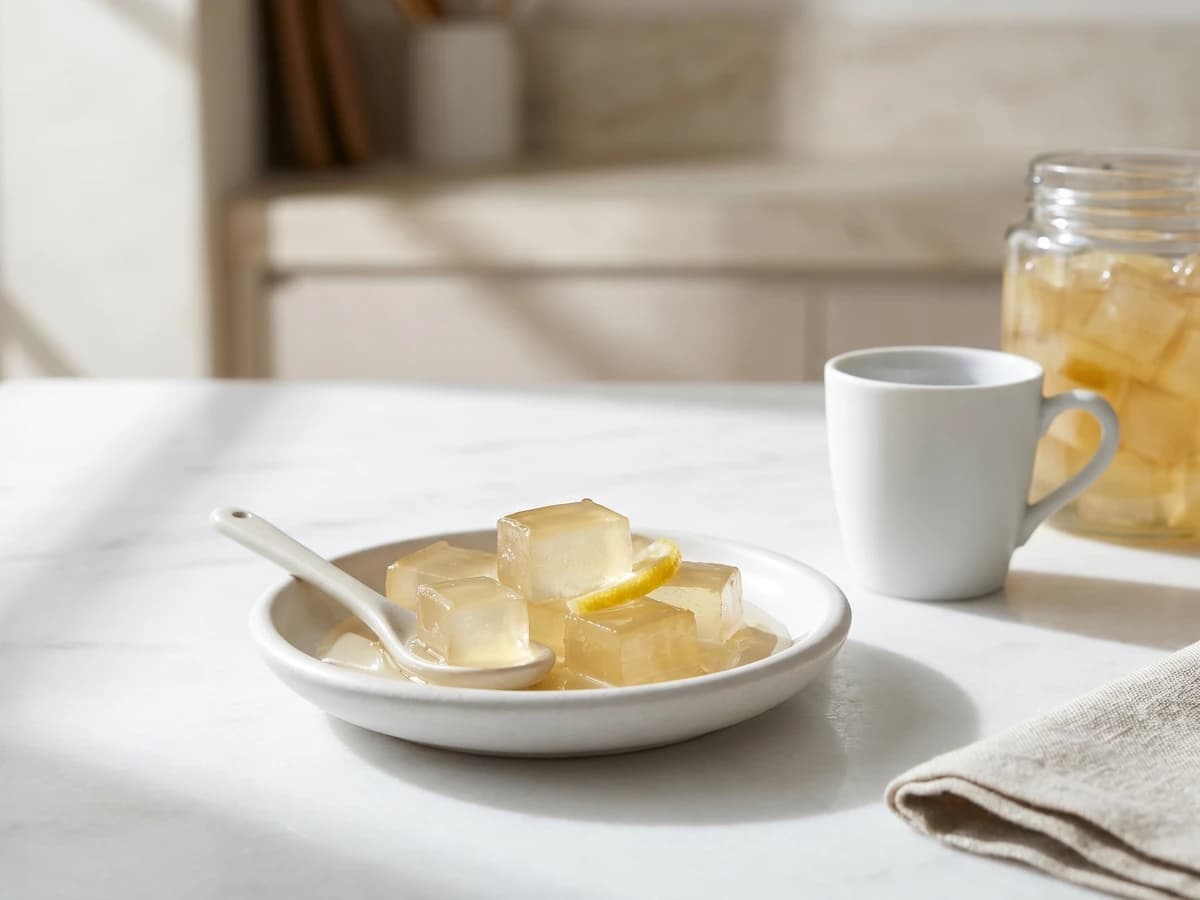
Cyprus keeps the watermelon after the red flesh is gone: firm white rind, lime-soaked for snap, simmered slowly in lemon syrup until each piece shines on the spoon.

Chef Dimitra
Myrmigkato from Greek Macedonia is the home cook's ant cake: a lemon-syrup sponge scattered with dark chocolate, plain on purpose and generous enough for coffee or a crowded table.