Culinary Explorer

A cooking platform built around craft, culture, and the stories behind what we eat.
Discover Culinary Explorer
Chios Nerantzi Glyko Koutaliou (Νεράντζι Γλυκό Κουταλιού)

Chios Nerantzi Glyko Koutaliou (Νεράντζι Γλυκό Κουταλιού)

Created by

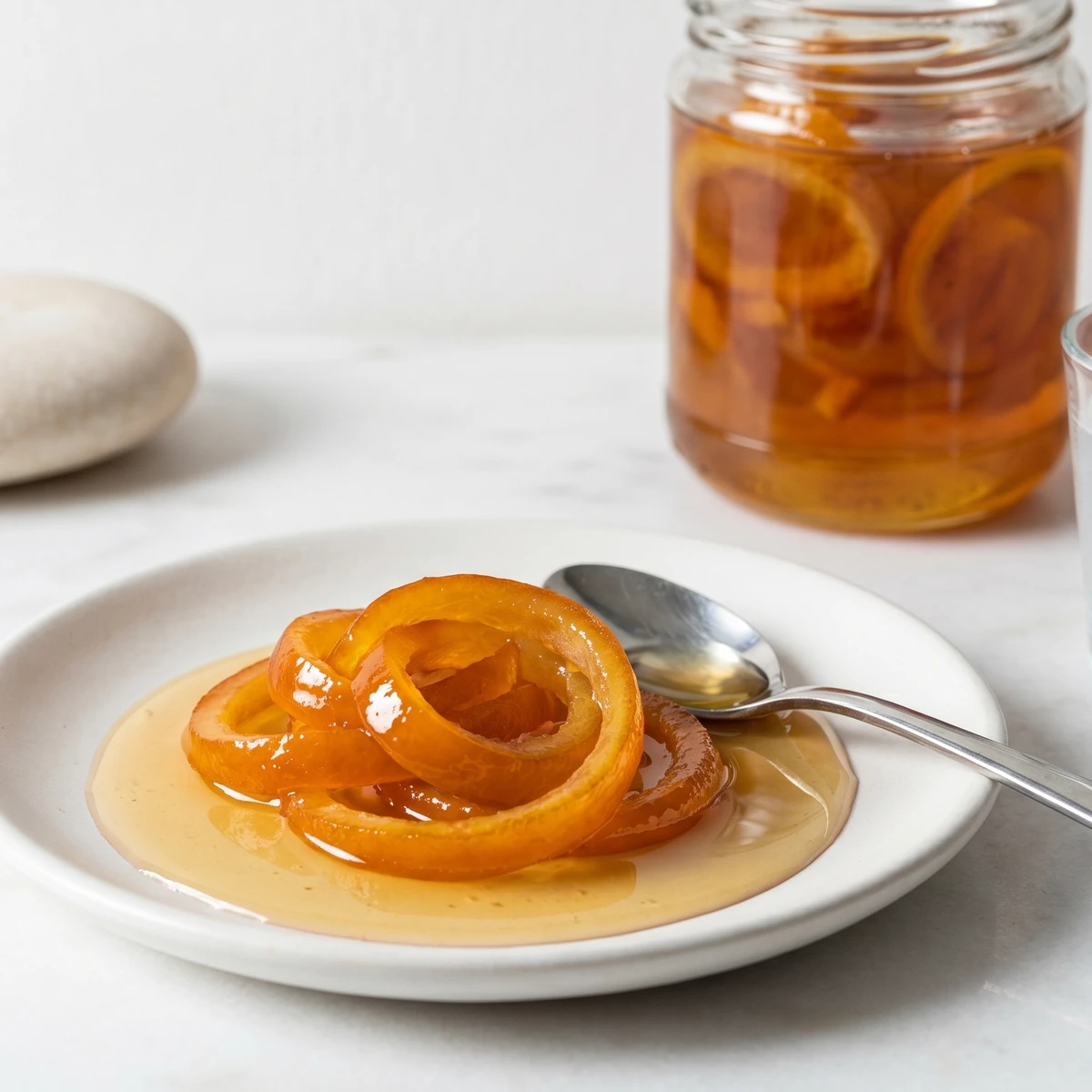
Chios bitter orange peel rolled into tight coils, blanched through clean waters, then preserved in a clear fragrant syrup for the spoon-sweet tray.

Desserts
Greek
Make Ahead
Comfort Food
Budget Friendly
1 hr
Active Time
1 hr 20 min cook2 hr 20 min total
Yield2 jars, about 60 spoon-sweet pieces

Chios nerantzi glyko koutaliou is bitter orange peel rolled into small, tight coils and kept in syrup until the peel turns glossy and tender. It belongs to the citrus gardens of Kampos, where the fruit is not decoration. The peel is the sweet, the perfume, and the little bite at the end.

The whole dish depends on the blanching. Bitter orange is not a sweet orange having a difficult day; its peel carries a sharpness that must be drawn out through several waters. Boil it once and the syrup stays harsh. Boil it too long and you lose the flower of the fruit. Three short blanchings give you the clean bitterness Greek spoon sweets are meant to have.

I keep the coils plain, as the Chios women who wrote them into my notebook did: peel, sugar, water, lemon, and sometimes a leaf of arbaroriza, scented geranium. Nothing more is needed. Λίγα και καλά, a few things, and good ones. A recipe written down is a recipe saved, and this one rewards a steady hand more than a clever one.

The Kampos district of Chios became famous for walled citrus orchards from the Genoese period onward, and its bitter oranges, mandarins, and lemons fed a strong island tradition of spoon sweets. Glyka tou koutaliou were served to guests with cold water in Greek homes before commercial sweets became common. Nerantzi remained prized because the peel, not the juice, carried both fragrance and the controlled bitterness that marked a careful cook.

The technique, the tradition, and the story behind every dish.

Discover Culinary Explorer

Ingredients

large bitter oranges (nerantzia)

Quantity

8, about 1.2kg

unwaxed, well washed

granulated sugar

Quantity

1kg

water

Quantity

750ml

plus more for blanching

fresh lemon juice

Quantity

60ml

divided

fresh lemon verbena or geranium leaf (optional)

Quantity

1 small sprig or leaf

whole cloves (optional)

Quantity

1 teaspoon

optional, for pinning the coils

Equipment Needed

  • wide heavy pot, 28cm
  • large needle and kitchen string, for threading coils
  • 2 sterilized glass jars, 500ml each
  • cold saucer, for testing syrup

Instructions

  1. 1

    Score the peel

    Wash the bitter oranges well. Cut off the top and bottom of each fruit, then score the peel from top to bottom into 6 long strips, cutting through the peel and white pith but not deep into the flesh. Lift the strips away carefully. Keep the flesh for marmalade or juice if you like; this sweet belongs to the peel.

  2. 2

    Roll the coils

    Trim away only the thickest excess pith if the oranges are very heavy-skinned, leaving enough white to give the sweet its chew. Roll each strip tightly, glossy orange side outward, and secure it with a whole clove or thread several coils together with kitchen string and a needle. Tight coils matter. Loose ones open in the pot and you lose the old shape.

  3. 3

    Blanch the bitterness

    Put the coils in a wide pot, cover with cold water, bring to a boil, and simmer for 10 minutes. Drain. Repeat this blanching twice more, always starting with fresh cold water. This is the step that decides nerantzi. Bitter orange peel is proud stuff; three waters tame it without washing away its perfume.

    Taste a tiny edge after the third blanch. It should still have a clean bitter note, but it must not scrape the back of the throat.
  4. 4

    Rest the peel

    Cover the blanched coils with cold water and 30ml of the lemon juice. Leave them for 2 hours, or overnight if the oranges were especially sharp. Drain well, then pat the coils dry with a clean towel so the syrup stays clear.

  5. 5

    Start the syrup

    In a wide, heavy pot, combine the sugar and 750ml water. Bring to a steady boil, stirring only until the sugar dissolves. Boil for 8 minutes, until the syrup looks clear and lightly glossy. Add the drained coils and the lemon verbena or geranium leaf, if using.

  6. 6

    Cook the sweet

    Simmer gently for 35 to 45 minutes, shaking the pot now and then instead of stirring hard. The peel should turn translucent at the edges and the syrup should fall from a spoon in a slow, heavy drop. Skim any foam. Add the remaining 30ml lemon juice in the last 5 minutes to keep the syrup from sugaring later.

  7. 7

    Test the syrup

    Drop a little syrup onto a cold saucer. When it cools, it should sit in a soft bead and move slowly when you tilt the plate. If it runs like water, simmer 5 minutes more. If it stiffens like candy, add 2 tablespoons water and warm it gently. We want syrup, not punishment.

  8. 8

    Jar and mature

    Remove the herb leaf, if used. Pack the hot coils into sterilized jars and cover completely with hot syrup. Seal, cool, and leave the jars for at least 3 days before serving. The peel relaxes in the syrup and the bitterness rounds itself. Serve one coil on a small plate with a glass of cold water, the old polite way.

Chef Tips

  • Use unwaxed bitter oranges if you can find them, especially in winter when the peel is thick and fragrant. If the fruit is waxed, scrub it hard under warm water. The syrup will remember what was on the skin.
  • Do not chase all the bitterness away. Nerantzi should not taste like orange candy. It should be sweet first, floral second, and just bitter enough at the finish to make you reach for water.
  • Store the jars in a cool dark cupboard. Once opened, refrigerate and keep every coil under syrup. Serve with Greek coffee, thick yogurt, or a plain slice of cake, not a pile of decorations.

Advance Preparation

  • The sweet is better made at least 3 days ahead so the peel softens and the syrup settles.
  • The blanched coils can sit overnight in cold lemon water before the syrup stage.
  • Sterilize the jars before you begin the final syrup boil so the hot sweet can be packed without waiting.

Frequently Asked Questions

Nutrition Information

1 serving (about 30g)

Calories
70 calories
Total Fat
0 g
Saturated Fat
0 g
Trans Fat
0 g
Unsaturated Fat
0 g
Cholesterol
0 mg
Sodium
0 mg
Total Carbohydrates
18 g
Dietary Fiber
1 g
Sugars
17 g
Protein
0 g

Note: Chef personas and recipes are created with AI assistance. Cook with care: follow safe food-handling practices, check doneness with a thermometer when needed, and adapt for allergies and your kitchen.

Where cooking meets culture.

Culinary guides, cultural storytelling, and the editorial depth that makes cooking meaningful.

Discover Culinary Explorer

More from Greek Spoon Sweets & Confections

Browse the full collection