
Chef Dimitra
Chios Nerantzi Glyko Koutaliou (Νεράντζι Γλυκό Κουταλιού)
Chios bitter orange peel rolled into tight coils, blanched through clean waters, then preserved in a clear fragrant syrup for the spoon-sweet tray.
A cooking platform built around craft, culture, and the stories behind what we eat.
Created by
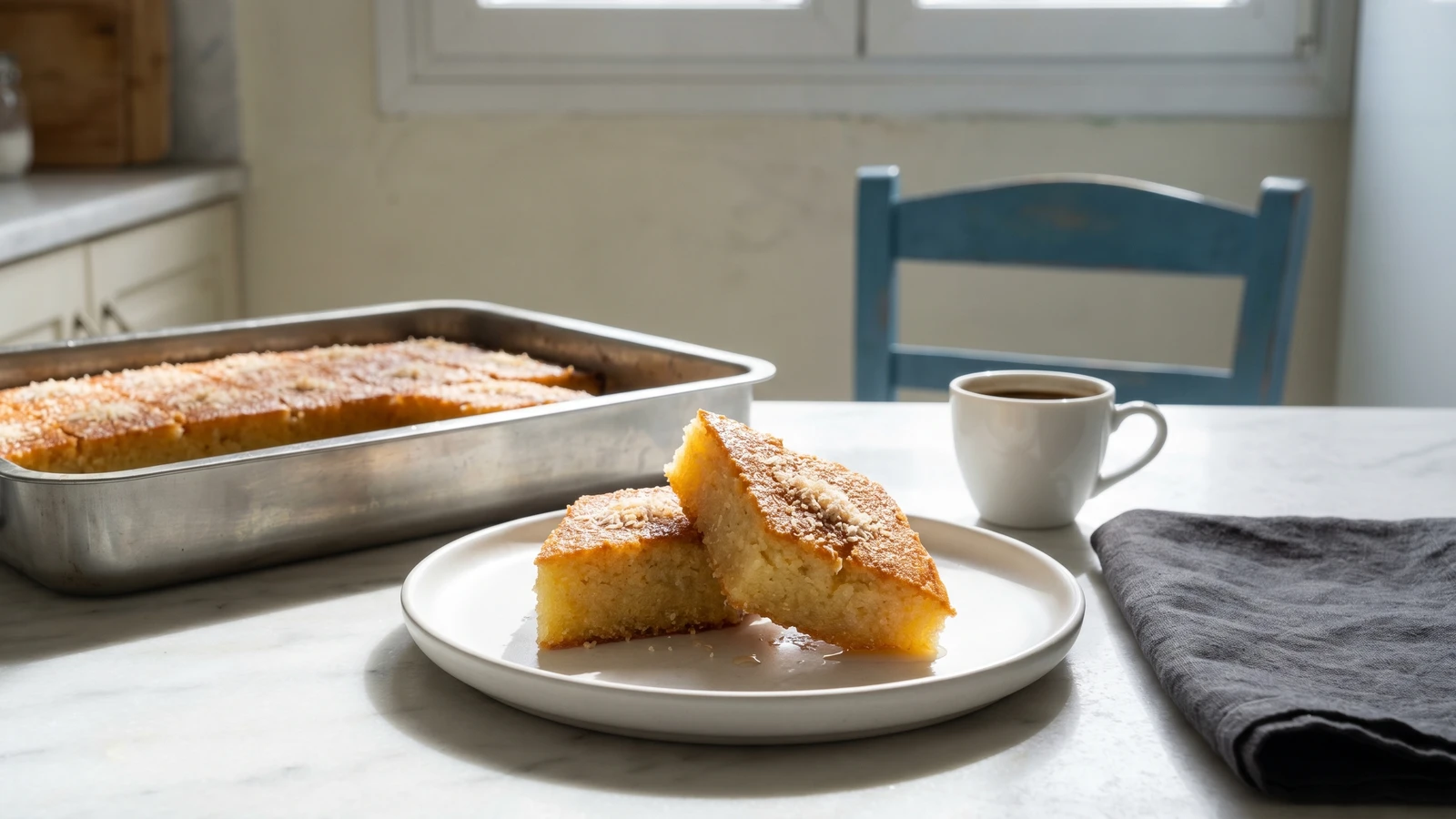
Thessaloniki's indokaridopita is a coconut and semolina tray cake, syruped like the city's old pan sweets, with pale-toasted coconut giving the crumb its clean, fragrant depth.
Thessaloniki indokaridopita is a coconut syrup cake from the city's home and pastry-shop table, a soft semolina crumb soaked until every square is fragrant but still clean enough to lift with your fingers. It isn't walnut karidopita with coconut pushed into it. It has its own name because the coconut is the point, indokarydo, the Indian nut as Greek groceries still call it.
The move that decides it is the coconut. Toast it only until pale blond before it meets the batter, because raw coconut goes dull under syrup and dark coconut turns bitter. Pale is enough. Then the semolina and yogurt do their quiet work, giving you a crumb that drinks the syrup instead of collapsing.
In my Thessaloniki notebook this sits among the name-day cakes, the kind that leaves the house in a covered tapsi and comes back empty. Bake it in the morning, syrup it while the cake is hot and the syrup cool, and leave it alone until afternoon. A recipe written down is a recipe saved, but this one is still very much alive.
Indokaridopita belongs to the twentieth-century urban tray sweets of northern Greece, when dried coconut became easy to buy in grocers and zacharoplasteia. The Greek word indokarydo means Indian nut, the older grocery name for coconut, and the cake shows how Thessaloniki folded an imported ingredient into a very Greek method: semolina batter baked in a pan and soaked with syrup.
Quantity
420g
Quantity
420ml
Quantity
1
wide strip of peel removed, zest finely grated, and 15ml juice squeezed
Quantity
120g
Quantity
15g
softened, for the pan
Quantity
150g
Quantity
110g
Quantity
12g
Quantity
1/4 tsp
Quantity
5
at room temperature
Quantity
180g
Quantity
120ml
Quantity
200g
Quantity
120ml
Quantity
2 tsp
| Ingredient | Quantity |
|---|---|
| granulated sugar, for the syrup | 420g |
| water | 420ml |
| unwaxed lemonwide strip of peel removed, zest finely grated, and 15ml juice squeezed | 1 |
| unsweetened desiccated coconut (indokarydo) | 120g |
| unsalted buttersoftened, for the pan | 15g |
| fine semolina (simigdali psilo) | 150g |
| all-purpose flour | 110g |
| baking powder | 12g |
| fine sea salt | 1/4 tsp |
| large eggsat room temperature | 5 |
| granulated sugar, for the batter | 180g |
| mild Greek olive oil or sunflower oil | 120ml |
| full-fat plain Greek yogurt | 200g |
| whole milk | 120ml |
| vanilla extract | 2 tsp |
Put the syrup sugar, water, lemon peel, and lemon juice in a small saucepan. Bring to a boil, stirring only until the sugar dissolves, then lower the heat and simmer 7 minutes. Take off the heat, discard the peel, and leave the syrup until cool.
Put the coconut in a dry skillet over medium-low heat. Stir constantly for 3 to 5 minutes, until it turns pale blond in patches and smells clean and nutty. Tip it onto a plate at once and reserve 15g for the top. This is the small step that makes the cake itself: raw coconut goes flat under syrup, but a pale toast gives it flavor without bitterness.
Heat the oven to 175C, or 165C fan. Butter a 23x33cm metal baking pan, or a 30cm round tapsi, right into the corners. This is a syrup cake, so the sides need a little help releasing cleanly.
Whisk the semolina, flour, baking powder, salt, and the larger portion of toasted coconut in a bowl. Break up any little clumps of coconut with your fingers.
Beat the eggs and batter sugar for 4 to 5 minutes, until pale, thick, and falling from the whisk in a ribbon. Beat in the oil, yogurt, milk, vanilla, and lemon zest. The mixture should look loose and glossy.
Fold the dry mixture into the egg mixture with a spatula until no dry flour remains. Leave the batter to stand for 10 minutes, just enough for the semolina to drink a little. It should still pour easily.
Scrape the batter into the buttered pan and level it gently. Bake for 35 to 40 minutes, until the top is deep gold, the edges pull slightly from the pan, and a skewer comes out with moist crumbs but no wet batter.
As soon as the cake comes out of the oven, cut it into 12 large squares or diamonds. Ladle the cool syrup slowly over the hot cake, moving across the corners, edges, and center. It will look like too much at first. Wait between ladles and let the cake take it in.
Scatter the reserved toasted coconut over the top. Leave the cake at room temperature for at least 2 hours, 4 if you have it. Serve in its pan or lift the pieces onto a plain plate with Greek coffee. Good olive oil, and patience, but for sweets we add coffee.
1 serving (about 160g)
Culinary guides, cultural storytelling, and the editorial depth that makes cooking meaningful.
Discover Culinary ExplorerChef Dimitra
Chios bitter orange peel rolled into tight coils, blanched through clean waters, then preserved in a clear fragrant syrup for the spoon-sweet tray.

Chef Dimitra
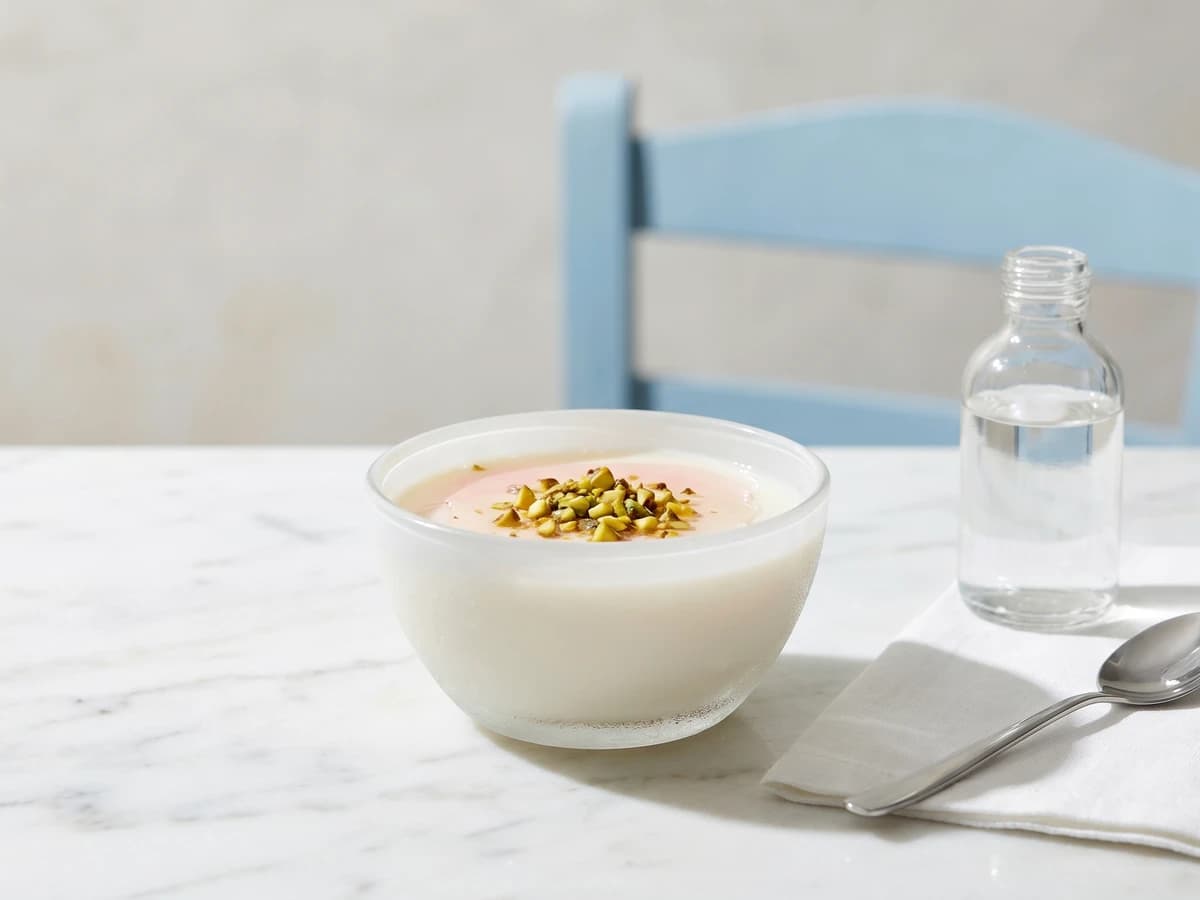
Chios gives vanilla submarine its mastic breath: a pearly spoon sweet stirred stiff, served cold in water, and offered as the simplest kerasma.
Chef Dimitra
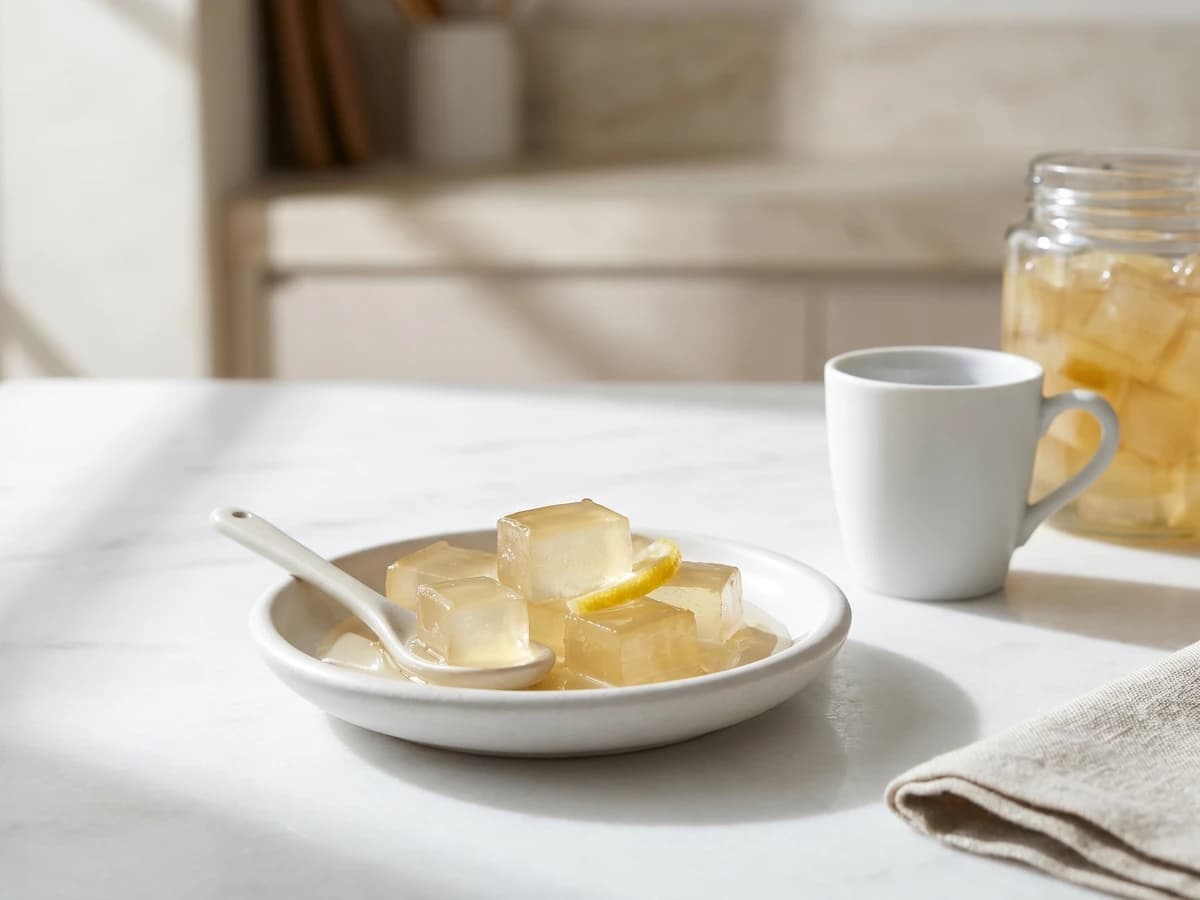
Mahalepi is the cooling milk pudding of Cyprus and the Politiki table: pale, trembling, and loosened at the spoon with cold rosewater syrup.
Chef Dimitra
Cyprus keeps the watermelon after the red flesh is gone: firm white rind, lime-soaked for snap, simmered slowly in lemon syrup until each piece shines on the spoon.