
Chef Dimitra
Chios Nerantzi Glyko Koutaliou (Νεράντζι Γλυκό Κουταλιού)
Chios bitter orange peel rolled into tight coils, blanched through clean waters, then preserved in a clear fragrant syrup for the spoon-sweet tray.
A cooking platform built around craft, culture, and the stories behind what we eat.

Created by
Santorini's Easter melitinia are open flower-shaped cheese sweets, filled with fresh mizithra, honey and mastic, with tiny pinched rims that hold the custard high.
Melitinia Santorinis are Santorini's Easter cheese sweets: small open tartlets filled with fresh mizithra, honey and mastic, their rims pinched into little flower points. They are not closed cheese pies, and they are not a cheesecake pretending to be one. The region is the dish's surname.
The whole thing depends on the filling standing high. Drain the cheese well, bind it with a little fine semolina, and pinch the dough up around it so the pastry becomes a cup, not a lid. If the cheese is wet, it leaks. If the rim is lazy, it opens. Do these two plain things and the melitinia come out proud and fragrant.
They belong to the Easter table after the long fast, when fresh spring milk returns with eggs and honey. I like them small enough for two bites, with the mastic present but not shouting. Good cheese, a steady hand, and patience. That is how a sweet survives.
Melitinia are a Cycladic Easter sweet most closely identified with Santorini, where they were traditionally made during Holy Week and served after the Resurrection service. Their filling reflects the season: fresh unsalted sheep or goat cheese from spring milk, eggs after Lent, and mastic carried through Aegean trade from Chios. The name is commonly linked to meli, honey, though many Santorini households now use sugar with a little honey for aroma.
Quantity
500g
plus extra for rolling
Quantity
90g
Quantity
1/2 teaspoon
Quantity
120ml
Quantity
120ml
room temperature
Quantity
30ml
Quantity
1
lightly beaten
Quantity
600g
drained well
Quantity
120g
Quantity
60g
Quantity
2
Quantity
30g
Quantity
1 teaspoon
plus extra for dusting
Quantity
1/4 teaspoon
crushed with 1 teaspoon sugar
Quantity
1 teaspoon
finely grated
Quantity
1
mixed with 1 teaspoon water, for brushing
| Ingredient | Quantity |
|---|---|
| plain flourplus extra for rolling | 500g |
| caster sugar | 90g |
| fine sea salt | 1/2 teaspoon |
| extra virgin olive oil | 120ml |
| waterroom temperature | 120ml |
| brandy or tsikoudia | 30ml |
| large egglightly beaten | 1 |
| fresh unsalted mizithra or anthotyrodrained well | 600g |
| caster sugar | 120g |
| Greek thyme honey | 60g |
| large eggs | 2 |
| fine semolina | 30g |
| ground cinnamonplus extra for dusting | 1 teaspoon |
| Chios mastic tearscrushed with 1 teaspoon sugar | 1/4 teaspoon |
| lemon zestfinely grated | 1 teaspoon |
| egg yolkmixed with 1 teaspoon water, for brushing | 1 |
Set the fresh mizithra in a fine sieve for at least 1 hour, or overnight in the refrigerator if it looks wet. Melitinia need a filling that mounds, not one that slumps into the pastry. Press it gently, don't punish it.
Mix the flour, 90g sugar and salt in a wide bowl. Add the olive oil and rub it through with your fingers until the flour feels sandy. Stir in the water, brandy and beaten egg, then knead for 4 to 5 minutes until smooth and firm. Cover and rest for 30 minutes.
Beat the drained cheese with 120g sugar, honey, eggs, semolina, cinnamon, crushed mastic and lemon zest until thick and spoonable. The semolina is quiet but useful: it catches the cheese moisture as the tartlets bake, so the filling sets proud instead of weeping into the crust.
Heat the oven to 180C. Roll the dough on a lightly floured surface to about 2mm thick, thin enough to fold cleanly but not so thin it tears. Cut 9cm rounds and keep the scraps covered while you work.
Place 1 rounded tablespoon of filling in the center of each round. Lift the dough rim up around the filling and pinch it into small pleats all the way around, making an open flower with the cheese visible in the middle. Use pastry tweezers if you have them, or your fingertips. The rim should hug the filling, not bury it.
Set the melitinia on lined baking sheets. Brush only the pastry rim with the egg yolk mixture and dust the filling lightly with cinnamon. Bake for 22 to 25 minutes, until the rims are pale gold and the cheese filling is set with a faint blush at the edges.
Let them cool on the tray for 10 minutes, then move them to a rack. Eat them warm or at room temperature. The texture is best the day they are baked, though they keep well for two days in a covered tin.
1 serving (about 60g)
Culinary guides, cultural storytelling, and the editorial depth that makes cooking meaningful.
Discover Culinary ExplorerChef Dimitra
Chios bitter orange peel rolled into tight coils, blanched through clean waters, then preserved in a clear fragrant syrup for the spoon-sweet tray.

Chef Dimitra
Chios gives vanilla submarine its mastic breath: a pearly spoon sweet stirred stiff, served cold in water, and offered as the simplest kerasma.
Chef Dimitra
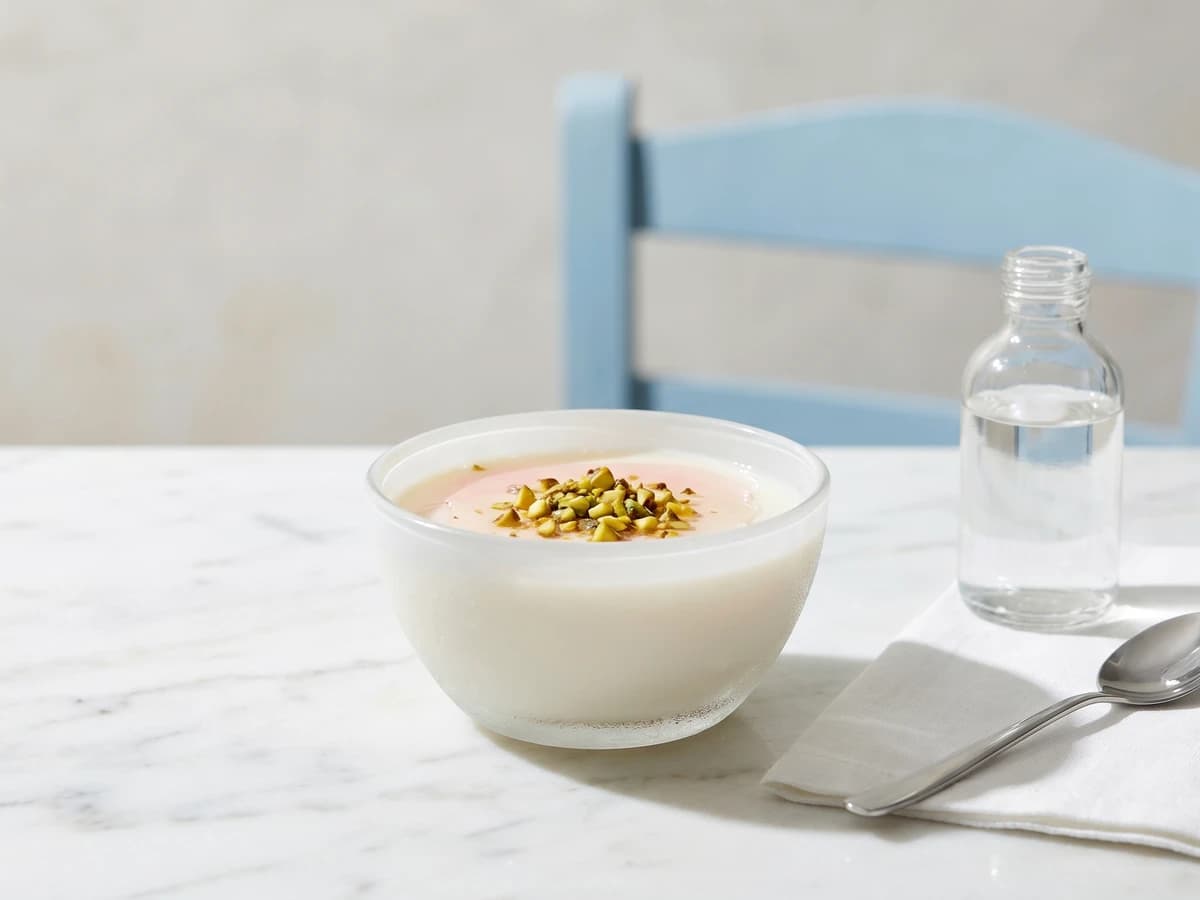
Mahalepi is the cooling milk pudding of Cyprus and the Politiki table: pale, trembling, and loosened at the spoon with cold rosewater syrup.
Chef Dimitra
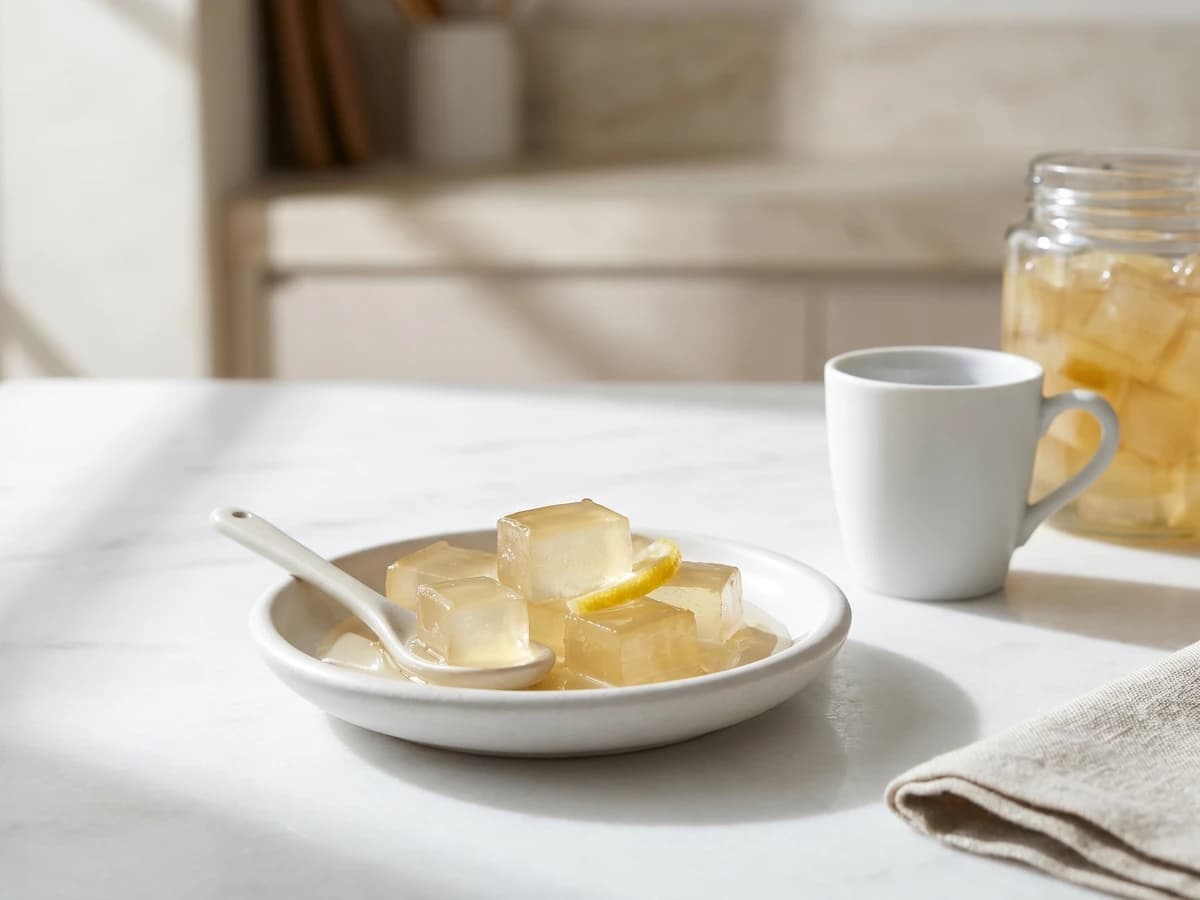
Cyprus keeps the watermelon after the red flesh is gone: firm white rind, lime-soaked for snap, simmered slowly in lemon syrup until each piece shines on the spoon.