
Chef Takumi
Awamori Mizuwari (泡盛水割り, awamori with water)
Awamori mizuwari is not a trick of the bar. It is three parts awamori, seven parts cold water, and enough patience to let the black-kōji aroma open.
A cooking platform built around craft, culture, and the stories behind what we eat.
Created by
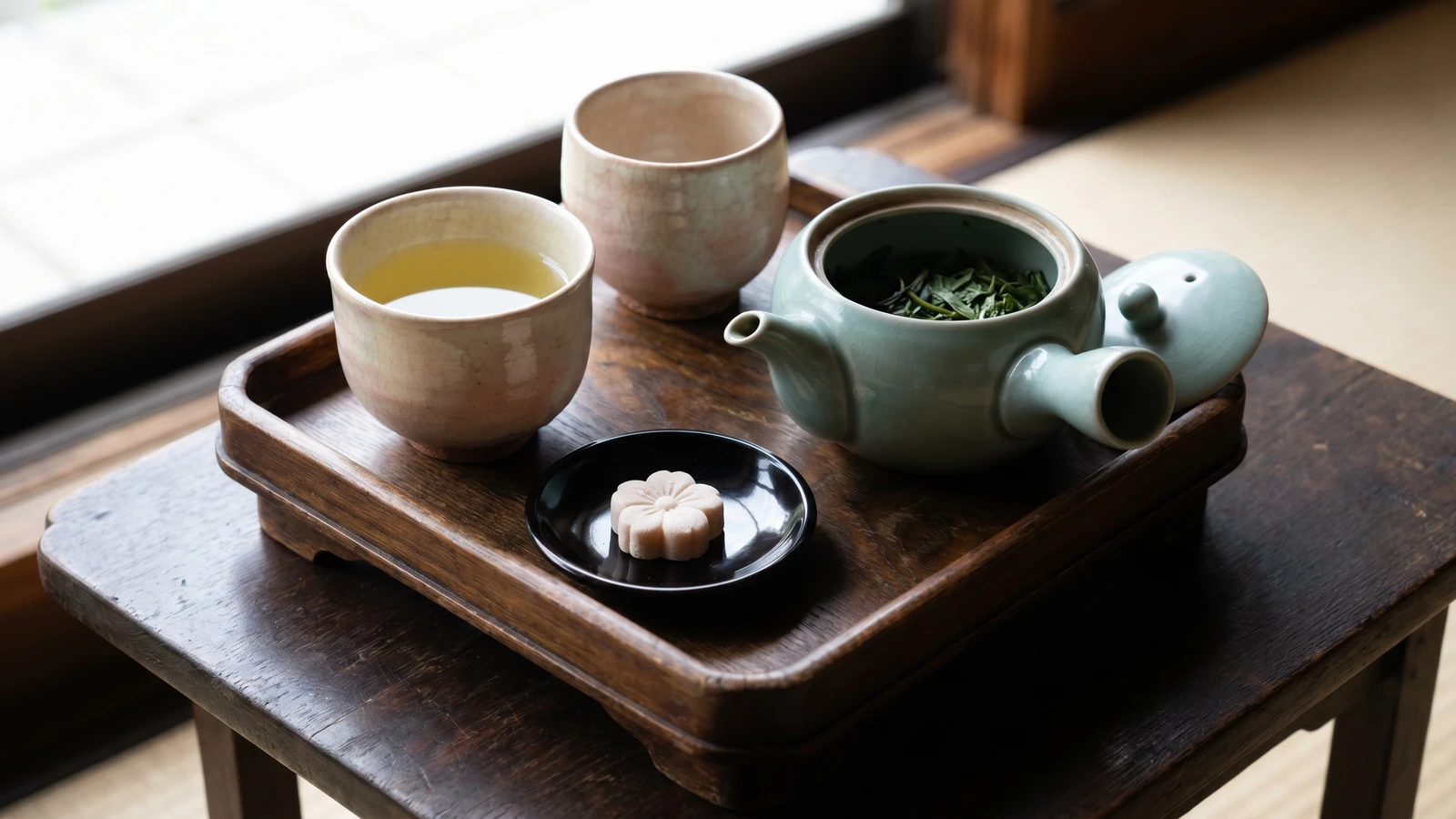
Kyushu's curly green asks for one quiet kindness: water cooled below the boil. Do that, then measure the leaves and time them honestly, and the cup turns sweet, grassy, and calm.
Tamaryokucha looks a little untidy beside straight sencha, which is part of its charm. The leaves curl because they are dried without the final needle-shaping roll, so they keep a round, comma-like form. Nothing is wrong with them. They simply took another road.
The first secret is water temperature. Boiling water bullies green tea, pulling out bitterness before the sweetness has had time to speak. Cool the water to about 80 C, then steep the leaves for one minute. That is not ceremony for ceremony's sake. It protects the mild, green sweetness this tea is known for.
The second secret is dose and time. Use enough leaf, then pour every drop from the kyusu, the side-handled teapot, so the leaves don't keep steeping in a puddle. The last drops are the richest, so we don't waste them, and we don't punish the second cup by leaving bitterness behind.
This is a weeknight tea, not a performance. It belongs beside rice crackers, a small sweet, or simply the quiet after supper. Less famous than sencha, no less honmono. Give it the right water and it gives you the real thing without fuss.
Tamaryokucha, also called guricha for its curled shape, is strongly associated with Kyushu, especially Saga, Nagasaki, Kumamoto, and parts of Miyazaki. The steamed style developed in the early twentieth century as Japan adapted green tea for export markets that preferred a rounder leaf, while the pan-fired kama-iri style preserves an older Kyushu method linked to Chinese tea-making techniques that entered through western Japan. Unlike sencha, tamaryokucha skips the final straightening roll, which gives the dried leaves their distinctive curled form.
Quantity
6g
Quantity
200ml
heated and cooled to about 80 C
Quantity
1 small piece
| Ingredient | Quantity |
|---|---|
| tamaryokucha loose-leaf green tea | 6g |
| soft waterheated and cooled to about 80 C | 200ml |
| higashi or another small dry sweet (optional) | 1 small piece |
Pour a little hot water into a kyusu, swirl it, then discard the water. Warming the pot keeps the brewing temperature steady, so the leaves open evenly instead of cooling too quickly at the start.
Heat fresh soft water, then let it cool to about 80 C. If you don't have a thermometer, pour the boiled water into a cup, wait about one minute, then use it. Green tea is tender. Water straight from the boil pulls out harsh bitterness before the round sweetness can settle in.
Add 6g of tamaryokucha to the warmed kyusu. The curled leaves are bulky, so weighing is better than guessing with a spoon. Too little leaf gives a thin cup, and adding more time to fix it only brings bitterness.
Pour in 200ml of the 80 C water, cover, and steep for 60 seconds. Don't shake the pot. The leaves only need quiet contact with the water, and rough handling muddies the clean green taste.
Pour a little into each cup, moving back and forth so both cups taste the same, then tip the kyusu until the last drops fall. Those final drops carry the deepest flavor. Leaving them behind makes the leaves sit in strong tea, and the next infusion turns bitter before it begins.
For a second infusion, use water at about 85 C and steep for 20 to 30 seconds. The leaves are already open, so they give themselves quickly. A third infusion can be a little hotter and just as brief, lighter but still honest.
1 serving (about 100g)
Culinary guides, cultural storytelling, and the editorial depth that makes cooking meaningful.
Discover Culinary ExplorerChef Takumi
Awamori mizuwari is not a trick of the bar. It is three parts awamori, seven parts cold water, and enough patience to let the black-kōji aroma open.

Chef Takumi
Hot awamori asks for one small discipline: pour the hot water first, then the spirit. Do that, and the glass turns round, fragrant, and calmer than its strength suggests.

Chef Takumi
Bancha is the honest daily cup: late-season leaves, hot water, a short steep, and a clean amber-green liquor that asks for no ceremony to be good.

Chef Takumi
Whole black soybeans, roasted until their skins split, make a clear amber tea with a roasted sweetness and no caffeine. Drink it plain, then eat the softened beans while they still hold their warmth.