Chef Graziella
Arista alla Fiorentina
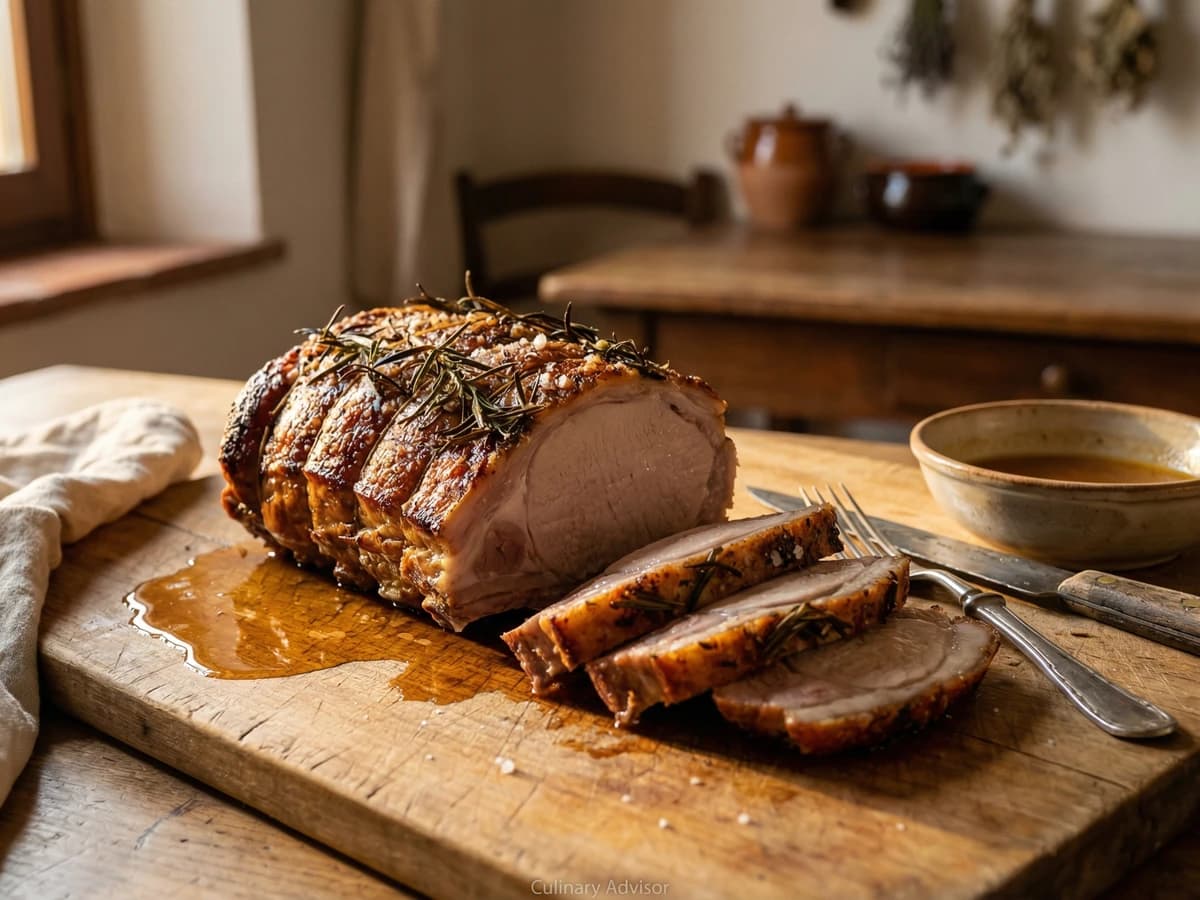
The roast pork of Florence: bone-in loin studded with rosemary and garlic, nothing more. This is the dish that earned its name from a Byzantine bishop who declared it aristos, the best.
A cooking platform built around craft, culture, and the stories behind what we eat.
Created by
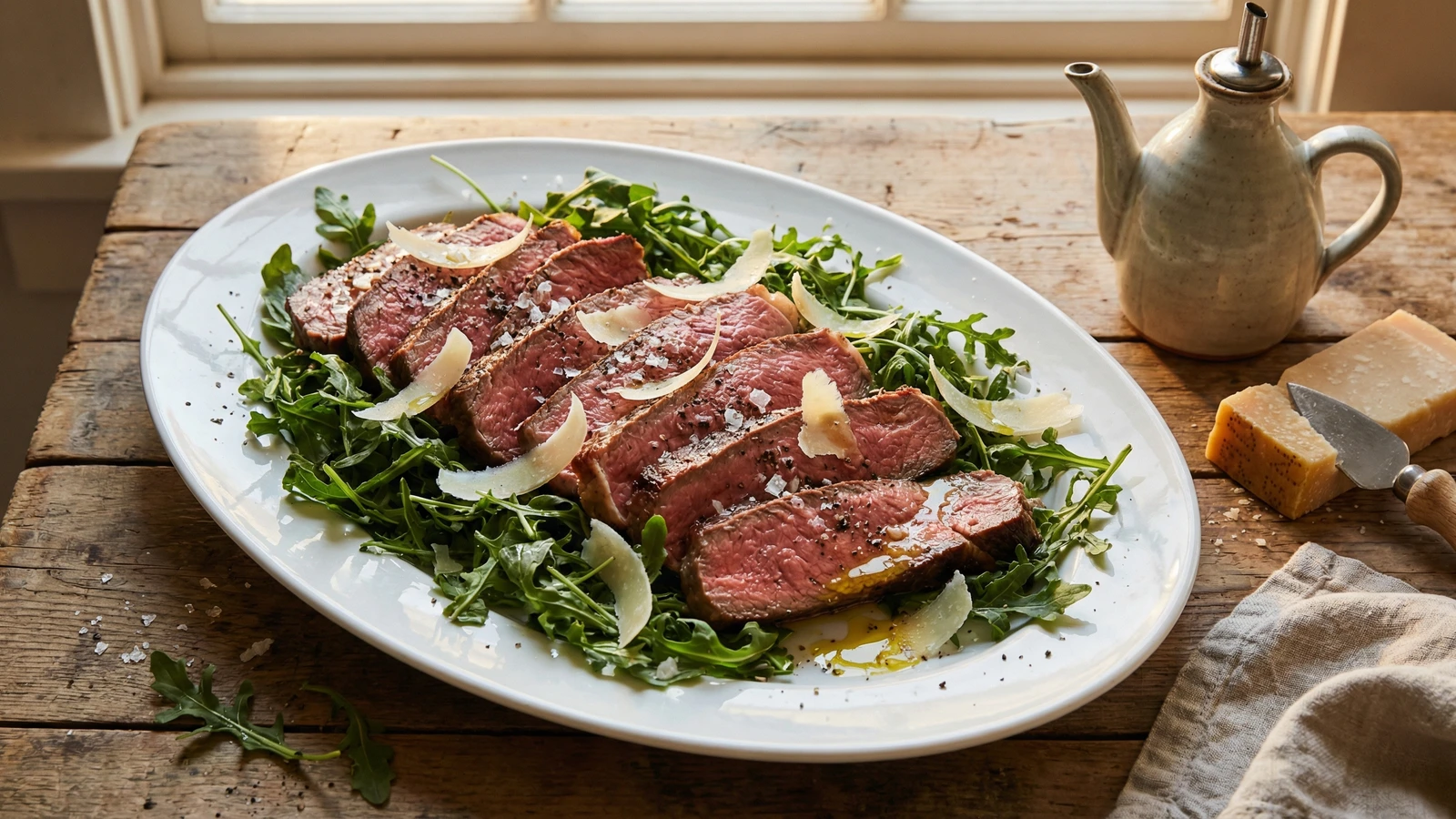
A thick steak, seared hard, rested properly, and sliced over bitter greens. Tuscany proves again that restraint is the highest form of cooking.
Tagliata means 'cut,' and the name tells you everything. This is not a complicated dish. It is a steak, cooked correctly, sliced, and served over peppery greens. The technique is the recipe.
Tuscans understand that good meat needs almost nothing. A proper sear to create crust. Adequate rest so the juices stay inside where they belong. Sharp knife, clean cuts against the grain. What you keep out is as significant as what you put in. No marinades. No compound butters. No pan sauces swimming with cream and mushrooms. Just heat, salt, and the quality of your ingredients laid bare.
The arugula is not a garnish. It is fundamental. The warm meat wilts the leaves slightly, and the peppery bite cuts through the richness of the beef. The Parmigiano adds salt and savory depth. The olive oil ties everything together. Ten minutes from start to finish, and you have produced something that belongs on any table in Florence.
Tagliata emerged from the trattorias of Tuscany in the 1970s and 1980s as a lighter interpretation of the region's famous bistecca alla fiorentina. While the massive T-bone requires a wood-fired grill and serves two or three, tagliata offered the same reverence for quality beef in a quicker, more adaptable form. The dish spread rapidly through Italian restaurants and became synonymous with the modern Tuscan approach: simplicity elevated by excellence of ingredients.
Quantity
1 (about 1 pound)
1 1/4 inches thick, at room temperature
Quantity
2 tablespoons, plus more for finishing
Quantity
to taste
Quantity
to taste
freshly cracked
Quantity
4 ounces
Quantity
2-ounce wedge
for shaving
Quantity
1/2
Quantity
for finishing
| Ingredient | Quantity |
|---|---|
| ribeye or strip steak1 1/4 inches thick, at room temperature | 1 (about 1 pound) |
| extra virgin olive oil | 2 tablespoons, plus more for finishing |
| kosher salt | to taste |
| black pepperfreshly cracked | to taste |
| wild arugula | 4 ounces |
| Parmigiano-Reggianofor shaving | 2-ounce wedge |
| lemon (optional) | 1/2 |
| flaky sea salt | for finishing |
Remove the steak from the refrigerator at least 45 minutes before cooking. Cold meat does not sear properly. The interior stays raw while the exterior burns. Season generously with kosher salt and cracked black pepper on both sides. The salt should be visible.
Place a heavy cast iron skillet or grill pan over high heat for a full five minutes. The pan must be screaming hot. Add the olive oil. It should shimmer and smoke slightly within seconds. If it does not, your pan is not ready.
Lay the steak away from you into the hot pan. Do not move it. Let it sear undisturbed for 3 to 4 minutes until a dark crust forms. Flip once. Cook another 3 minutes for medium-rare, the only acceptable temperature for tagliata. The meat should feel like the flesh at the base of your thumb when you touch your index finger to your thumb.
Transfer the steak to a cutting board and let it rest for exactly 5 minutes. This is not optional. The juices must redistribute. If you cut immediately, they will run out onto the board instead of staying in the meat. Do not cover it. Do not touch it. Walk away.
While the meat rests, spread the arugula across a large serving platter or divide between two plates. The arugula should not be dressed. The warm meat and oil will be its only dressing.
Slice the steak against the grain into strips about half an inch thick. The interior should be rosy pink. Arrange the slices over the arugula, overlapping slightly. Pour any juices from the cutting board over the meat. Drizzle generously with your best olive oil. Use a vegetable peeler to shave curls of Parmigiano over the top.
Scatter flaky sea salt over the meat. A squeeze of lemon, if you like, though many Tuscans would consider this unnecessary. Serve at once, while the meat is still warm and the arugula beneath has just begun to wilt from the heat. This dish does not wait.
1 serving (about 275g)
Culinary guides, cultural storytelling, and the editorial depth that makes cooking meaningful.
Discover Culinary ExplorerChef Graziella
The roast pork of Florence: bone-in loin studded with rosemary and garlic, nothing more. This is the dish that earned its name from a Byzantine bishop who declared it aristos, the best.

Chef Graziella
The T-bone of Florence, thick as three fingers and charred over blazing coals, rested until the juices settle, finished with nothing but salt and the best olive oil Tuscany can offer.
Chef Graziella
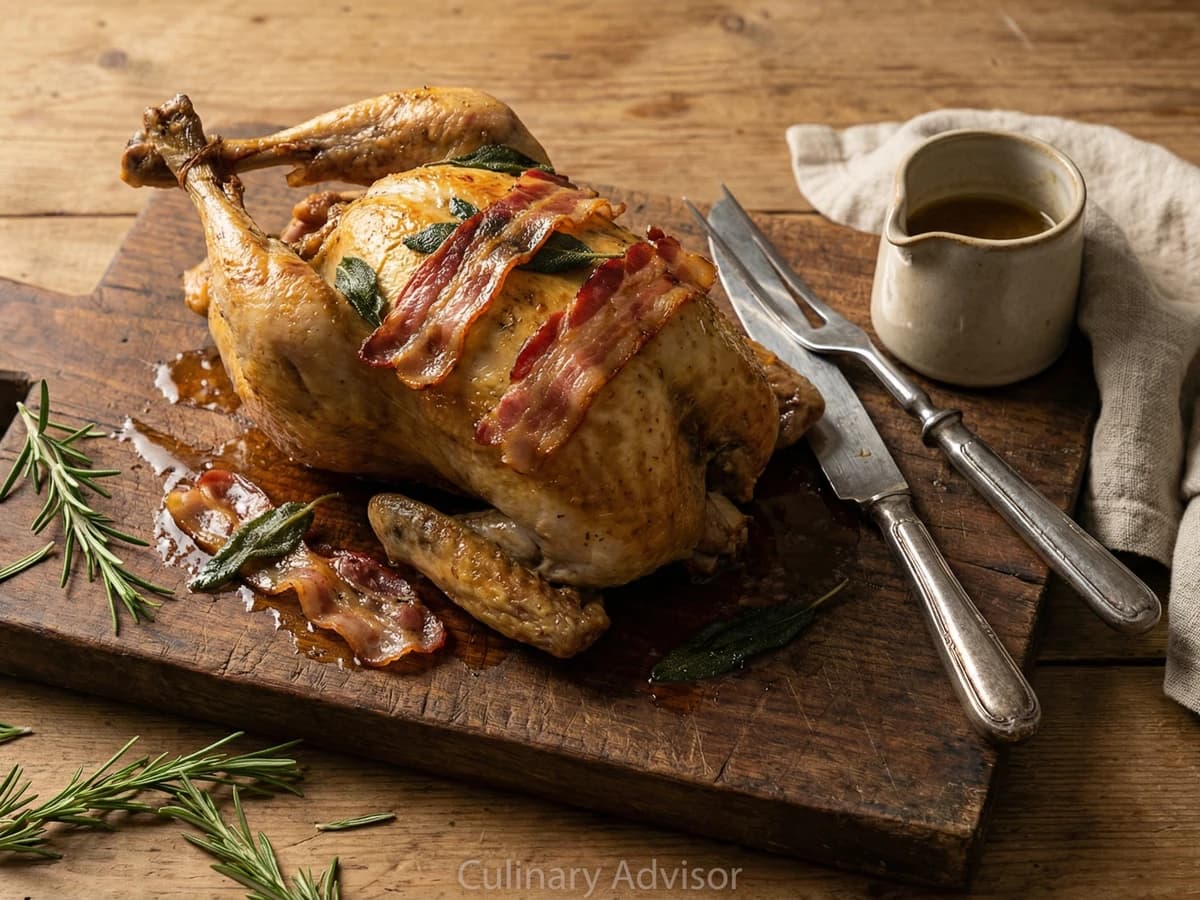
The noble guinea fowl of Tuscan farmhouses, wrapped in pancetta, perfumed with sage, roasted until the skin shatters and the meat stays moist. This is what Italians bring to the table when ordinary poultry will not serve.

Chef Graziella
The ancient grain of the Garfagnana, simmered with whatever the garden offers and finished with the green-gold olive oil that Tuscany produces better than anywhere else. Peasant food that sustained Roman legions and Tuscan farmers alike.