
Chef Graziella
Anguilla Arrosto alla Comacchiese
The legendary roasted eel of Comacchio, where the brackish lagoons of the Po Delta have produced Italy's finest anguilla for two thousand years. Bay leaves, salt, fire. Nothing more.
A cooking platform built around craft, culture, and the stories behind what we eat.

Created by
The Sunday pot roast of my childhood in Romagna, where beef surrenders to wine and time until the meat melts and the sauce reduces to something approaching velvet.
Stracotto means 'overcooked,' which tells you everything about this dish. The meat cooks past tender, past falling-apart, until it practically dissolves into the wine-dark sauce. This is not a mistake. This is the point.
In Romagna, Sunday meant stracotto. The pot went into the oven after morning Mass and filled the house with its fragrance while the family gathered. By the time we sat down, the beef had given up all resistance. The sauce, reduced to glossy intensity, held the memory of an entire bottle of Sangiovese.
Americans often undercook their pot roasts, leaving the meat merely tender. This is not stracotto. Push past tender. Cook it until your fork meets nothing that could be called resistance. The meat should threaten to collapse when you try to lift it. Only then have you made stracotto.
What you keep out matters here as much as anywhere. Two cloves, one bay leaf, one sprig of rosemary. No more. The beef and the wine must remain the conversation. Everything else whispers from the background.
Stracotto belongs to the tradition of slow-cooked Sunday meats found throughout northern Italy, but the Romagnol version distinguishes itself through its reliance on local Sangiovese wine and the extreme reduction of its braising liquid. Farm families in the hills between Cesena and Forlì developed this technique to transform tough cuts from aging dairy cattle into something worth celebrating.
Quantity
3 pounds
in one piece
Quantity
3 tablespoons
Quantity
2 tablespoons
Quantity
1 medium
diced fine
Quantity
1 medium
peeled and diced fine
Quantity
1
diced fine
Quantity
2
peeled and lightly crushed
Quantity
1 bottle (750ml)
Quantity
2 tablespoons
Quantity
2
Quantity
1
Quantity
1 sprig
Quantity
to taste
Quantity
to taste
freshly ground
| Ingredient | Quantity |
|---|---|
| beef chuck roastin one piece | 3 pounds |
| extra virgin olive oil | 3 tablespoons |
| unsalted butter | 2 tablespoons |
| yellow oniondiced fine | 1 medium |
| carrotpeeled and diced fine | 1 medium |
| celery stalkdiced fine | 1 |
| garlic clovespeeled and lightly crushed | 2 |
| Sangiovese wine | 1 bottle (750ml) |
| tomato paste | 2 tablespoons |
| whole cloves | 2 |
| bay leaf | 1 |
| fresh rosemary | 1 sprig |
| kosher salt | to taste |
| black pepperfreshly ground | to taste |
Remove the beef from the refrigerator one hour before cooking. Pat it completely dry with paper towels. Season generously with salt and pepper on all sides. The meat must be dry or it will steam instead of brown. Wet meat does not sear.
In a heavy Dutch oven or braising pot, heat the olive oil and butter over medium-high heat until the butter foam subsides and begins to color. Add the beef and do not touch it. Let it brown deeply on one side, about 5 minutes, before turning. Brown all sides thoroughly. This takes 15 to 20 minutes total. Remove the meat and set aside.
Pour off all but two tablespoons of fat from the pot. Reduce heat to medium. Add the onion, carrot, and celery. Cook slowly, scraping up the browned bits from the bottom of the pot, until the vegetables are soft and golden, about 15 minutes. Add the crushed garlic and cook one minute more. The garlic should perfume the vegetables, not dominate them.
Push the vegetables to the sides of the pot. Add the tomato paste to the center and let it cook in the residual fat, stirring constantly, until it darkens to brick red and smells sweet, about 2 minutes. This concentrates the tomato flavor and removes any tinny taste.
Pour in the entire bottle of wine. Yes, the entire bottle. Bring to a vigorous simmer, scraping the bottom of the pot to release all the browned bits. These are flavor. Let the wine reduce by one third, about 10 minutes. The raw alcohol smell should disappear.
Return the beef to the pot along with any juices that have accumulated. Add the cloves, bay leaf, and rosemary sprig. The liquid should come halfway up the sides of the meat. If needed, add water. Bring to a bare simmer, then cover and transfer to a 300°F oven.
Braise for 3 to 4 hours, turning the meat every hour. The stracotto is ready when a fork slides into the meat with no resistance and the meat threatens to fall apart when lifted. The timing depends on your cut and your oven. Trust your fork, not your clock.
Transfer the meat to a cutting board and tent loosely with foil. Strain the braising liquid through a fine-mesh sieve, pressing on the vegetables to extract their flavor. Discard the solids. Return the liquid to the pot and simmer over medium heat until reduced to about 2 cups. The sauce should coat a spoon and taste deeply concentrated. Season with salt and pepper.
Slice the meat against the grain into thick pieces, or pull it apart into large chunks if it has become that tender. Arrange on a warm platter and spoon the reduced sauce over generously. Serve immediately. In Romagna, we serve this with soft polenta or mashed potatoes to catch every drop of sauce. Do the same.
1 serving (about 250g)
Culinary guides, cultural storytelling, and the editorial depth that makes cooking meaningful.
Discover Culinary ExplorerChef Graziella
The legendary roasted eel of Comacchio, where the brackish lagoons of the Po Delta have produced Italy's finest anguilla for two thousand years. Bay leaves, salt, fire. Nothing more.
Chef Graziella
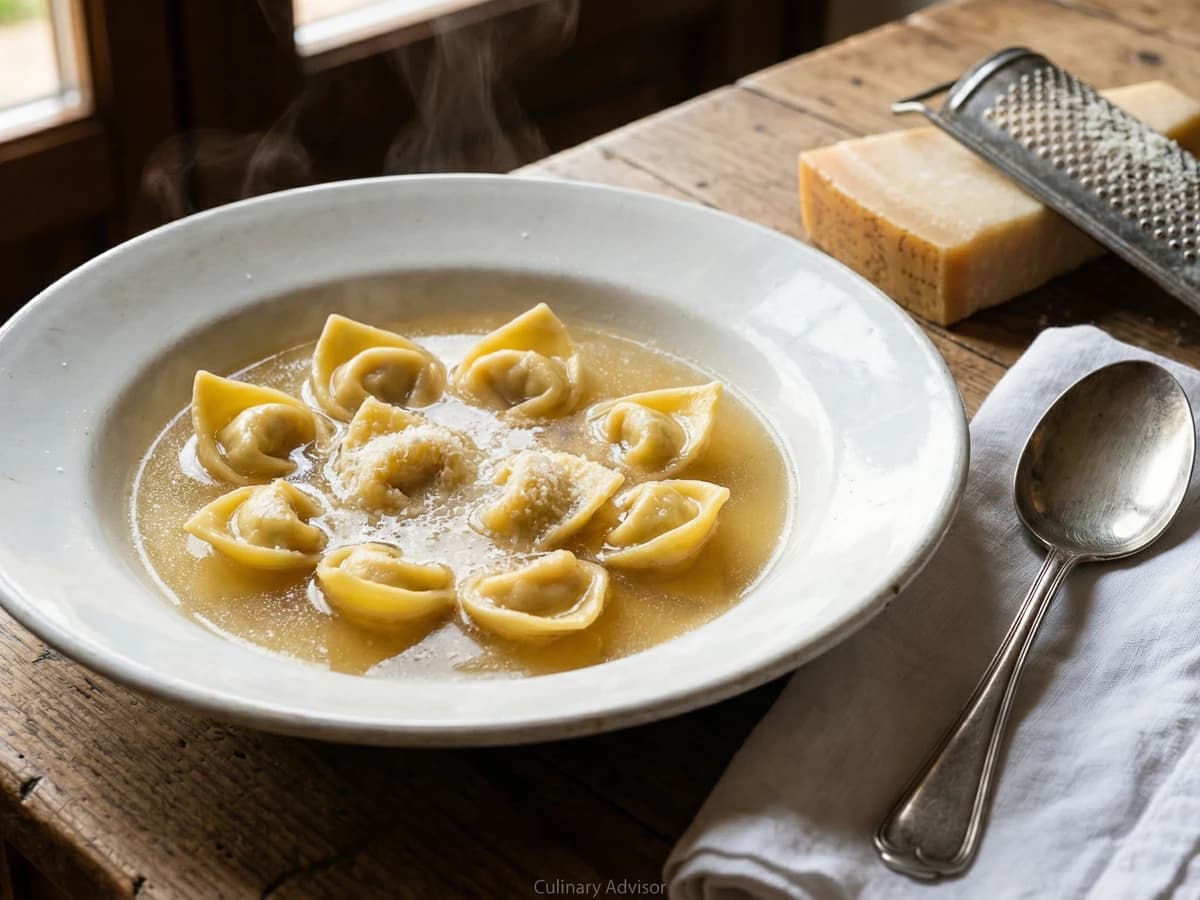
The cheese-filled pasta of Romagna, folded into little hats and floated in golden capon broth. This is Christmas dinner along the Adriatic, where the distinction between tortellini and cappelletti is a matter of regional pride.

Chef Graziella
The mixed seafood fry of the Adriatic, where shrimp, squid, and small fish wear only a whisper of flour before meeting hot oil. Served immediately with lemon wedges. Nothing more.
Chef Graziella
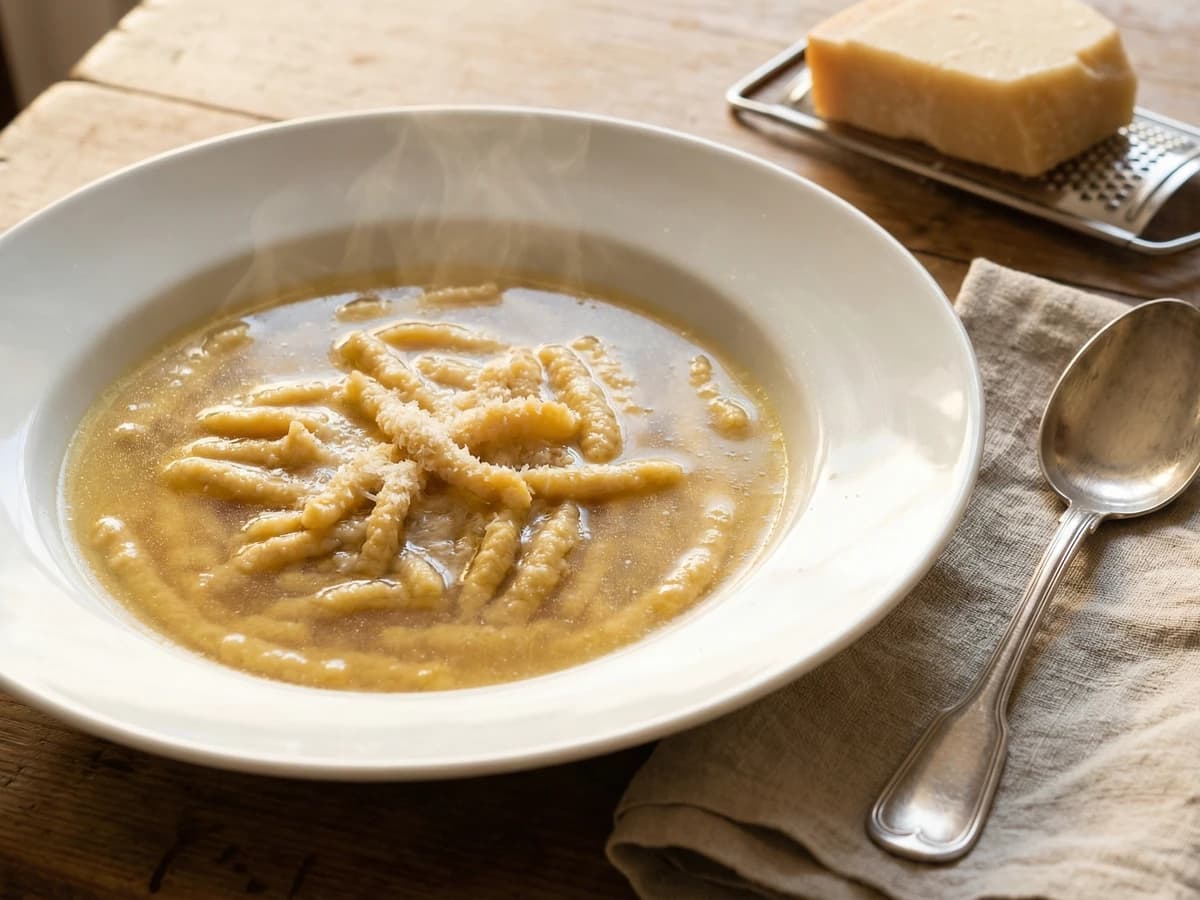
Breadcrumbs, aged Parmigiano, and eggs pressed directly into simmering broth. The first food of my childhood in Romagna, and the last food I would give up.