Culinary Explorer

A cooking platform built around craft, culture, and the stories behind what we eat.
Discover Culinary Explorer
Spicy Peanut Dipping Sauce

Spicy Peanut Dipping Sauce

Created by

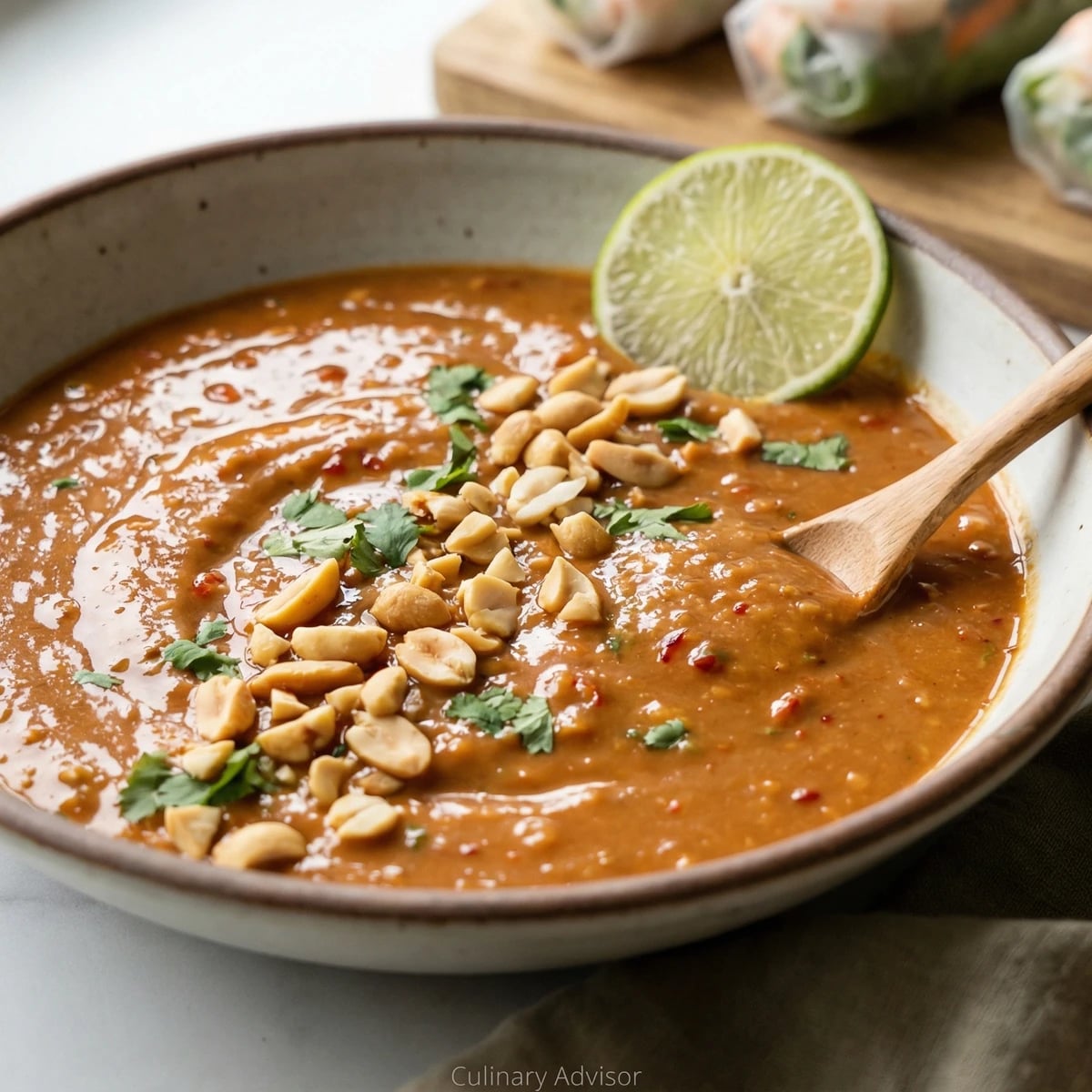
A silky, fiery condiment that transforms anything it touches, from crisp summer rolls to charred satay skewers to a humble bowl of cold noodles dressed for company.

Sauces & Condiments
Thai
Dinner Party
Potluck
10 min
Active Time
0 min cook10 min total
YieldAbout 1 1/2 cups

The peanut sauces of Southeast Asia represent one of cooking's great balancing acts. Sweet, salty, sour, and heat all jockeying for position in a single spoonful, none dominating, each essential. This version draws from Thai street vendors who have been perfecting these proportions for generations while their American admirers were still discovering fish sauce.

What makes this sauce indispensable is its shameless versatility. Thin it with coconut milk and you have a satay dipping sauce worthy of any dinner party. Leave it thick and it clings to cold rice noodles like it was born there. Drizzle it over steamed broccoli and watch your children ask for seconds of vegetables. I have seen this sauce rescue more weeknight dinners than I can count.

The technique requires nothing more than a bowl and a whisk. No cooking, no tempering, no specialized equipment. You are simply coaxing ingredients into harmony. The lime juice brightens, the soy anchors, the sriracha provides the heat that makes your lips tingle pleasantly, and the peanut butter holds everything together in creamy suspension. Ten minutes from pantry to table.

The technique, the tradition, and the story behind every dish.

Discover Culinary Explorer

Ingredients

creamy natural peanut butter

Quantity

1/2 cup

soy sauce

Quantity

3 tablespoons

fresh lime juice

Quantity

2 tablespoons

about 1 lime

rice vinegar

Quantity

2 tablespoons

toasted sesame oil

Quantity

1 tablespoon

honey or maple syrup

Quantity

1 tablespoon

sriracha

Quantity

1 tablespoon, plus more to taste

garlic

Quantity

2 cloves

finely minced or grated

fresh ginger

Quantity

1 teaspoon

finely grated

warm water

Quantity

3 to 5 tablespoons

roasted peanuts (optional)

Quantity

2 tablespoons

roughly chopped

fresh cilantro (optional)

Quantity

1 tablespoon

chopped

lime wedges (optional)

Quantity

for serving

Equipment Needed

  • Medium mixing bowl
  • Sturdy whisk or fork
  • Microplane or fine grater (for ginger and garlic)
  • Airtight container for storage

Instructions

  1. 1

    Combine the base

    Add the peanut butter, soy sauce, lime juice, rice vinegar, sesame oil, honey, and sriracha to a medium mixing bowl. The peanut butter will sit there looking stubborn and uncooperative. This is normal. Natural peanut butter needs persuasion.

    Natural peanut butter with just peanuts and salt produces the cleanest flavor. Commercial brands with added sugar and stabilizers work but taste sweeter and less authentic.
  2. 2

    Add aromatics

    Add the minced garlic and grated ginger directly to the bowl. Fresh aromatics are essential here. Garlic powder and dried ginger will produce a sauce that tastes like it came from a jar. You can taste the difference, and so can your guests.

  3. 3

    Whisk to emulsify

    Using a sturdy whisk, work the mixture in vigorous circles. The peanut butter will resist at first, then gradually surrender into the liquids. After about two minutes of determined whisking, you should have a thick, homogeneous paste with no streaks of unmixed peanut butter remaining.

    A fork works if you lack a whisk, but requires more effort. Some cooks prefer a food processor for a smoother texture, though I find hand whisking produces a sauce with more character.
  4. 4

    Thin to desired consistency

    Add warm water one tablespoon at a time, whisking after each addition. The sauce will transform from thick paste to pourable cream. For dipping spring rolls or satay, aim for the consistency of heavy cream that coats a spoon and falls in lazy ribbons. For noodle bowls, keep it slightly thicker so it clings rather than pools.

    Coconut milk can replace the water for a richer, more traditional Thai flavor. Full-fat coconut milk adds silkiness that water cannot match.
  5. 5

    Taste and adjust

    Taste the sauce with intention. It should hit you with bright lime acidity first, then the salt of the soy, followed by the warmth of the peanut, and finally the slow build of sriracha heat on your lips. If any element dominates or hides, adjust accordingly. More lime for brightness, more soy for depth, more sriracha if you want to feel alive.

  6. 6

    Rest and serve

    Let the sauce rest for at least fifteen minutes at room temperature. The flavors need time to marry. Transfer to a serving bowl, scatter chopped peanuts over the top for texture, add a pinch of cilantro for color, and serve with lime wedges on the side for guests who want extra brightness.

Chef Tips

  • The sauce thickens considerably when refrigerated as the peanut butter firms up. Thin it with a splash of warm water and whisk vigorously before serving cold sauce.
  • For a more authentic Thai flavor, substitute half the soy sauce with fish sauce. Start with one tablespoon and adjust. Fish sauce adds a savory depth that soy alone cannot achieve, though vegetarians will prefer the all-soy version.
  • Heat levels vary wildly between sriracha brands. Taste your sauce after adding the first tablespoon, then build from there. You can always add heat but cannot remove it.
  • This sauce doubles as an exceptional salad dressing. Thin it further with additional lime juice and rice vinegar, then toss with shredded cabbage, carrots, and cilantro for a Thai-inspired slaw.
  • Leftover roast chicken, sliced thin and draped over rice with this sauce spooned generously on top, constitutes one of the finest quick lunches I know.

Advance Preparation

  • The sauce keeps refrigerated in an airtight container for up to one week. The flavors improve after a day as the garlic and ginger mellow and integrate.
  • For entertaining, make the sauce two days ahead and store refrigerated. Bring to room temperature and whisk in warm water to restore proper consistency before serving.
  • The base sauce (without garnishes) freezes well for up to two months. Thaw overnight in the refrigerator and re-emulsify with a whisk before serving.

Frequently Asked Questions

Nutrition Information

1 serving (about 30g, 2 tablespoons)

Calories
80 calories
Total Fat
6.2 g
Saturated Fat
1.1 g
Trans Fat
0 g
Unsaturated Fat
5.1 g
Cholesterol
0 mg
Sodium
196 mg
Total Carbohydrates
4.5 g
Dietary Fiber
0.8 g
Sugars
1.7 g
Protein
2.5 g

Note: Chef personas and recipes are created with AI assistance. Cook with care: follow safe food-handling practices, check doneness with a thermometer when needed, and adapt for allergies and your kitchen.

Where cooking meets culture.

Culinary guides, cultural storytelling, and the editorial depth that makes cooking meaningful.

Discover Culinary Explorer

More from Essential Sauces, Dressings & Condiments

Browse the full collection