
Chef Remy
Bourbon Chicken
Juicy chicken thighs lacquered in a sticky bourbon glaze with ginger, garlic, and just enough heat to keep things interesting. Mall food court nostalgia, elevated with real ingredients and proper technique.
A cooking platform built around craft, culture, and the stories behind what we eat.
Created by Chef Remy
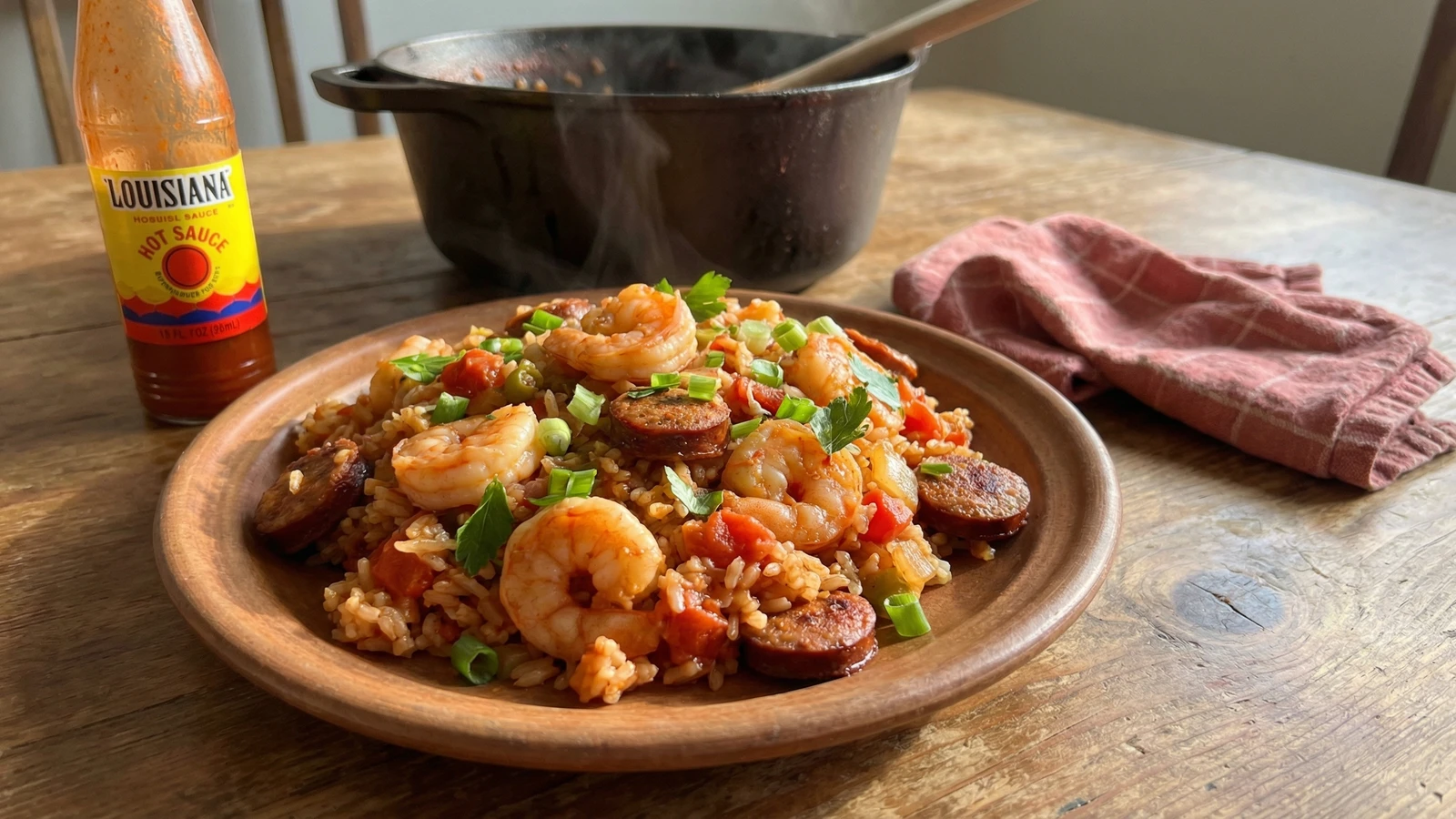
Sweet Gulf shrimp and smoky andouille nestled into tomato-kissed rice, every grain infused with the holy trinity, Creole spices, and the generous spirit of New Orleans cooking that makes you want to share it with everyone at the table.
Jambalaya tells you where you are in Louisiana. Up in Acadiana, they make it brown, no tomatoes, cooked in cast iron over an open flame. Down in New Orleans, we add tomatoes and call it Creole. Both are right. Both are jambalaya. But this one, with Gulf shrimp and good andouille swimming in that red rice, this is the version I grew up eating at family gatherings in the city.
My grandmother Evangeline always said the secret to jambalaya is patience and layering. You season the shrimp before they hit the pan. You brown the andouille until the fat renders out. You cook the trinity until the onions go sweet. Every step builds on the last. By the time that rice absorbs all that seasoned tomato broth, it carries the memory of everything that came before.
At Lagniappe, we serve this in a big cast iron pot right at the table. Folks dig in family style, and there's never any left. That's how you know you made it right. The rice should be tender but distinct, each grain separate and full of flavor. The shrimp should be sweet and succulent, not rubbery from overcooking. The andouille should give you that smoky, spicy punch in every bite. This is honest food that feeds a crowd and makes everyone feel at home.
Quantity
2 pounds
peeled and deveined
Quantity
1 pound
sliced into half-moons
Quantity
2 tablespoons, divided
Quantity
4 tablespoons, divided
Quantity
1 large
diced
Quantity
2
diced
Quantity
1 large
diced
Quantity
6 cloves
minced
Quantity
1 can (14.5 ounces)
with juices
Quantity
2 tablespoons
Quantity
2 cups
Quantity
4 cups
Quantity
2
Quantity
1 teaspoon
Quantity
1/2 teaspoon, or to taste
Quantity
1 teaspoon, plus more to taste
Quantity
1/2 teaspoon
freshly ground
Quantity
4
sliced thin
Quantity
2 tablespoons
chopped
Quantity
for serving
| Ingredient | Quantity |
|---|---|
| large Gulf shrimp (21-25 count)peeled and deveined | 2 pounds |
| andouille sausagesliced into half-moons | 1 pound |
| Creole seasoning | 2 tablespoons, divided |
| unsalted butter | 4 tablespoons, divided |
| yellow oniondiced | 1 large |
| celery stalksdiced | 2 |
| green bell pepperdiced | 1 large |
| garlicminced | 6 cloves |
| diced tomatoeswith juices | 1 can (14.5 ounces) |
| tomato paste | 2 tablespoons |
| long-grain white rice | 2 cups |
| chicken stock | 4 cups |
| bay leaves | 2 |
| dried thyme | 1 teaspoon |
| cayenne pepper | 1/2 teaspoon, or to taste |
| kosher salt | 1 teaspoon, plus more to taste |
| black pepperfreshly ground | 1/2 teaspoon |
| green onionssliced thin | 4 |
| fresh parsleychopped | 2 tablespoons |
| hot sauce (optional) | for serving |
Toss the shrimp with one tablespoon of Creole seasoning in a bowl, making sure every piece gets coated. Set aside at room temperature while you build the base. This is where flavor starts, not ends. Season your proteins before they ever see the pan. That's the bayou way.
Melt two tablespoons of butter in a large Dutch oven or heavy-bottomed pot over medium-high heat. Add the andouille slices in a single layer. Let them sizzle undisturbed for two to three minutes until the edges turn dark and caramelized. Flip and brown the other side. The rendered fat is flavor gold. Remove the sausage to a plate but leave every drop of that goodness in the pot.
Add the remaining two tablespoons of butter to the pot. When it foams, add the seasoned shrimp in a single layer. Sear for about ninety seconds per side until they turn pink with light golden spots. They will not be cooked through, and that's exactly right. They finish later in the rice. Transfer to the plate with the andouille.
Add the onion, celery, and bell pepper to the pot. This is the holy trinity, the soul of Louisiana cooking. Stir and scrape up all those browned bits from the bottom. That fond is concentrated flavor. Cook for eight to ten minutes, stirring occasionally, until the onions turn translucent and the vegetables soften. You should smell sweetness replacing the raw edge.
Push the vegetables to the sides and add the garlic to the center of the pot. Let it sizzle for thirty seconds until fragrant, then stir everything together. Add the tomato paste and cook for one minute, stirring constantly, until it darkens slightly and loses its raw tinny smell. Pour in the diced tomatoes with their juices. This is what makes it Creole: the tomatoes. Cajun jambalaya is brown. New Orleans jambalaya is red.
Add the rice directly to the pot and stir to coat every grain with the tomato mixture. Toast for two to three minutes, stirring frequently. Listen for the rice to start clicking against the pot. This step seals the outside of each grain so it absorbs flavor without turning to mush.
Pour in the chicken stock and stir well, scraping the bottom. Add the remaining tablespoon of Creole seasoning, bay leaves, thyme, cayenne, salt, and black pepper. Bring to a boil, then reduce heat to low. Cover tightly and cook for eighteen to twenty minutes without lifting the lid. The steam trapped inside cooks the rice perfectly. Trust the process.
After twenty minutes, check the rice. It should be tender with just a bit of bite, the liquid absorbed. Nestle the seared shrimp and browned andouille into the rice. Cover again and cook for five more minutes. The residual heat finishes the shrimp without overcooking them. They should be pink, curled, and succulent.
Remove from heat and let rest, covered, for five minutes. This allows the moisture to redistribute evenly. Remove the bay leaves. Fold in the green onions and parsley. Taste and adjust salt if needed. Serve straight from the pot, family style, with hot sauce on the side. When the last bite is as good as the first, you've done it right.
1 serving (about 365g)
Culinary guides, cultural storytelling, and the editorial depth that makes cooking meaningful.
Discover Culinary ExplorerChef Remy
Juicy chicken thighs lacquered in a sticky bourbon glaze with ginger, garlic, and just enough heat to keep things interesting. Mall food court nostalgia, elevated with real ingredients and proper technique.

Chef Remy
Sweet Gulf crabmeat, barely held together with just enough binding to keep its shape, pan-fried until golden and crisp, served with a punchy Creole mustard sauce that wakes up every bite without stealing the show.

Chef Remy
A shimmering Creole treasure of fork-tender spiced beef suspended in amber aspic, sliced thin and served cold, the kind of elegant make-ahead dish that graces the finest holiday tables in New Orleans.

Chef Remy
Briny Gulf oysters cloaked in seasoned cornmeal, fried until golden and impossibly crisp at the edges, served with a fiery Crystal hot sauce aioli that cuts through the richness and makes you reach for another