Chef Thomas
Anchovy Sauce
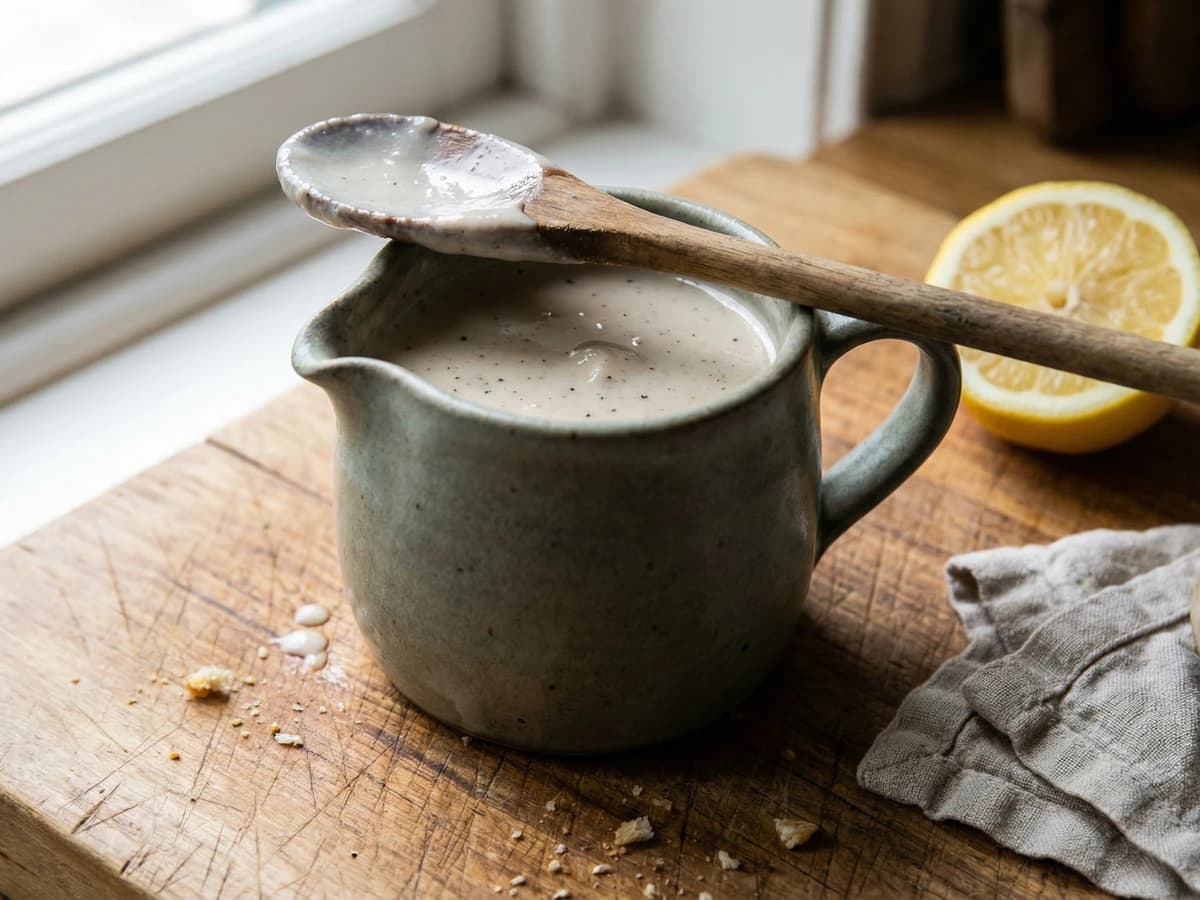
A proper white sauce sharpened with pounded anchovy, the old Georgian trick for waking up a piece of poached fish or a slice of roast lamb on a Sunday in spring.
A cooking platform built around craft, culture, and the stories behind what we eat.
Created by Chef Thomas
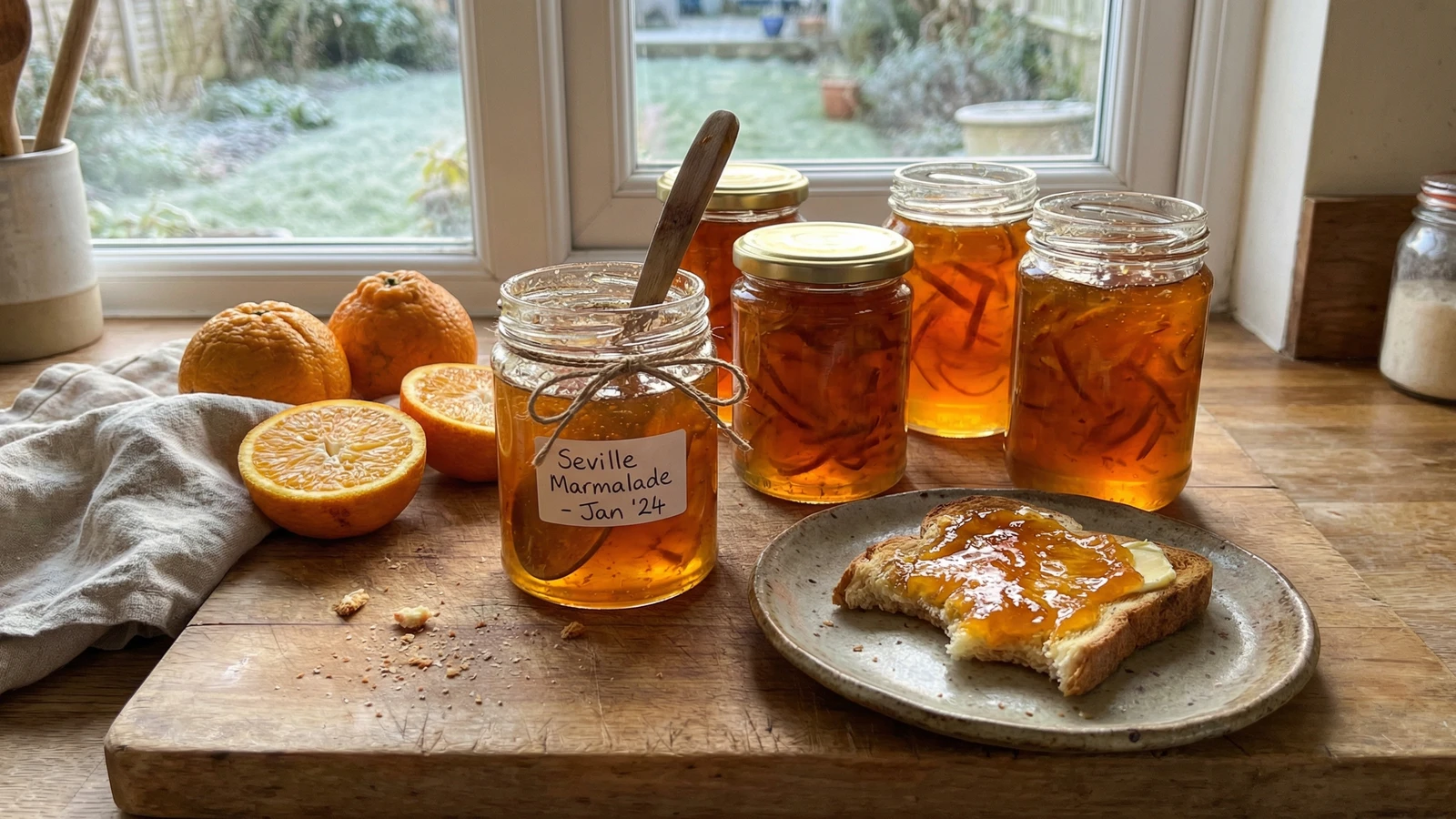
A January batch of Seville orange marmalade, bitter and amber and worth the long afternoon it asks of you, for jars that will see you through to next winter.
Seville oranges arrive in January and they don't stay long. Six weeks, maybe eight, and then they're gone until the following winter. They look unpromising in the box at the market: knobbly, thick-skinned, the colour of something that's been left out in the rain. You wouldn't eat one. They're far too bitter for that. But cook them slowly with sugar and a long afternoon and they become the best thing you can put on a piece of toast.
Making marmalade is a ritual more than a recipe. It takes the better part of two days if you count the overnight soak, and there's nothing clever about any of it. You shred peel. You wait. You boil sugar and watch for the wrinkle on a cold saucer. The kitchen fills with a sharp, clean citrus smell that gets into the curtains and stays there for days, and you don't mind one bit.
I make a batch every January. I've been doing it for so long that I don't really need the recipe anymore, but I still write the date on each lid because there's a particular pleasure in finding a jar in October that says "January" and remembering the wet morning you made it. The market decides when, the season decides what, and the rest is just stirring and waiting.
A recipe is a conversation, not a contract. Make the peel as thick or as thin as you like. Use one less jar of sugar if you want it sharper. There are few better feelings than handing someone a jar of marmalade you made yourself, with their name written on the label.
Quantity
1kg
scrubbed clean
Quantity
1 large
juiced, pips reserved
Quantity
2.5 litres
Quantity
2kg
Quantity
small knob
| Ingredient | Quantity |
|---|---|
| Seville orangesscrubbed clean | 1kg |
| unwaxed lemonjuiced, pips reserved | 1 large |
| cold water | 2.5 litres |
| granulated sugar | 2kg |
| unsalted butter (optional) | small knob |
Scrub the oranges under cold water to wake them up. Halve each one and squeeze the juice into a large preserving pan, catching the pips and any stringy pulp in a sieve as you go. Don't be precious about it. Scoop the spent halves into a bowl and set them aside. The pips are gold here, full of pectin, so keep every one.
Tie all the pips and any membrane scraped from the squeezed halves into a square of muslin. Add the lemon pips too. This little bundle is what gives the marmalade its set, so tie it well and leave a long tail of string so you can fish it out later.
Take the squeezed orange halves and, using a sharp knife, cut them into shreds. Thick or thin, your choice. I like mine somewhere in between, the kind that sits on toast without sliding off. There's no need to scrape the white pith away. It softens completely in the cooking and adds body. This is the slow part. Put the radio on.
Tip the shredded peel and the orange juice into the preserving pan. Add the cold water and the muslin bag of pips, pushing it down into the liquid. Cover and leave overnight, or for at least eight hours. The peel needs time to soften and the water needs time to draw out the pectin from the pips. Don't skip this. Marmalade doesn't reward shortcuts.
The next day, bring the pan to a gentle simmer over a medium heat. Let it bubble away, lid off, for about two hours. The peel should soften completely. You'll know it's ready when you can crush a piece between your finger and thumb without resistance. If there's any bite left, keep going. Hard peel in finished marmalade is a small heartbreak.
Lift out the muslin bag and squeeze it hard against the side of the pan with a wooden spoon. All that thick, gloopy liquid coming out is pure pectin. Don't waste a drop. Add the sugar and the lemon juice. Stir over a low heat until every grain of sugar has dissolved. Run a spoon along the bottom of the pan; if you feel grit, it isn't ready. Patience here saves you from grainy marmalade later.
Now turn the heat right up. The marmalade needs to come to a proper rolling boil, the kind that doesn't calm down when you stir it. This is where the kitchen really starts to smell of citrus, sharp and sweet and a little intoxicating. After about ten minutes, start testing for a set. Drop a teaspoon of marmalade onto a cold saucer (keep one in the freezer), wait thirty seconds, then push it with your fingertip. If it wrinkles, you're there. If it's still loose, boil for another few minutes and try again.
When you have a set, take the pan off the heat. If there's any scum on the surface, stir in a small knob of butter and it'll dissolve away. Let the marmalade sit in the pan for ten or fifteen minutes. This stops the peel from rising to the top of the jars and giving you a stripe of clear jelly underneath. A small thing, but the kind of detail that makes a homemade jar feel proper.
Ladle the marmalade into warm, sterilized jars, right up to the rim. Seal immediately with the lids. As they cool, you'll hear the lids pop down one by one, the small, satisfying sound of a job done. Label them with the date. You'll be glad in October when you find a forgotten jar at the back of the cupboard.
1 serving (about 15g)
Culinary guides, cultural storytelling, and the editorial depth that makes cooking meaningful.
Discover Culinary ExplorerChef Thomas
A proper white sauce sharpened with pounded anchovy, the old Georgian trick for waking up a piece of poached fish or a slice of roast lamb on a Sunday in spring.

Chef Thomas
A spiced autumn chutney made from a glut of apples and a quiet afternoon, simmered down until the kitchen smells of October and the jars line up on the counter like a small, useful insurance policy.
Chef Thomas
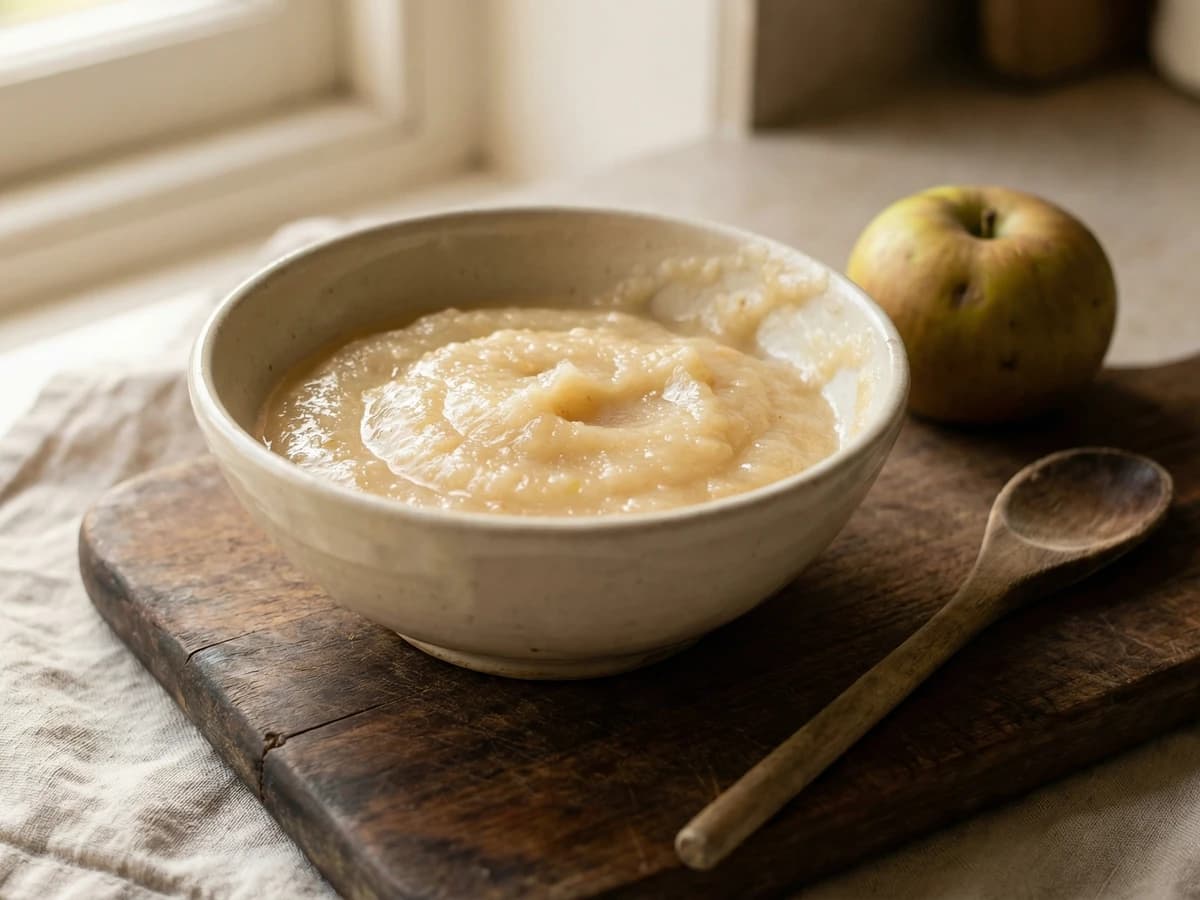
A bowl of sharp, fluffy Bramley apple sauce, made in the time it takes to carve the pork, the kind of small condiment that quietly makes the whole meal make sense.
Chef Thomas
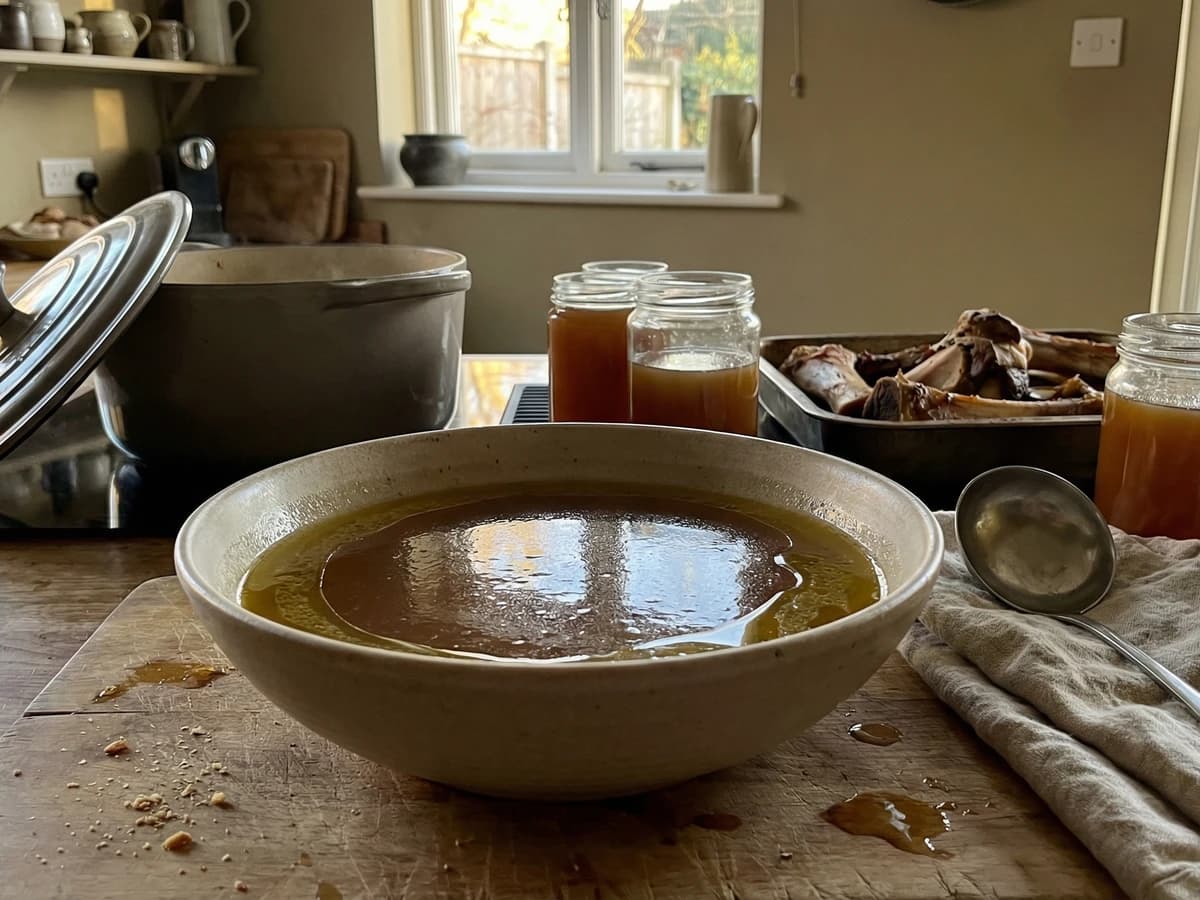
Beef bones roasted until dark, then coaxed for a long afternoon into a deep amber stock, the foundation of every good gravy, every braise, every bowl of winter soup worth the trouble.