Chef Isabel
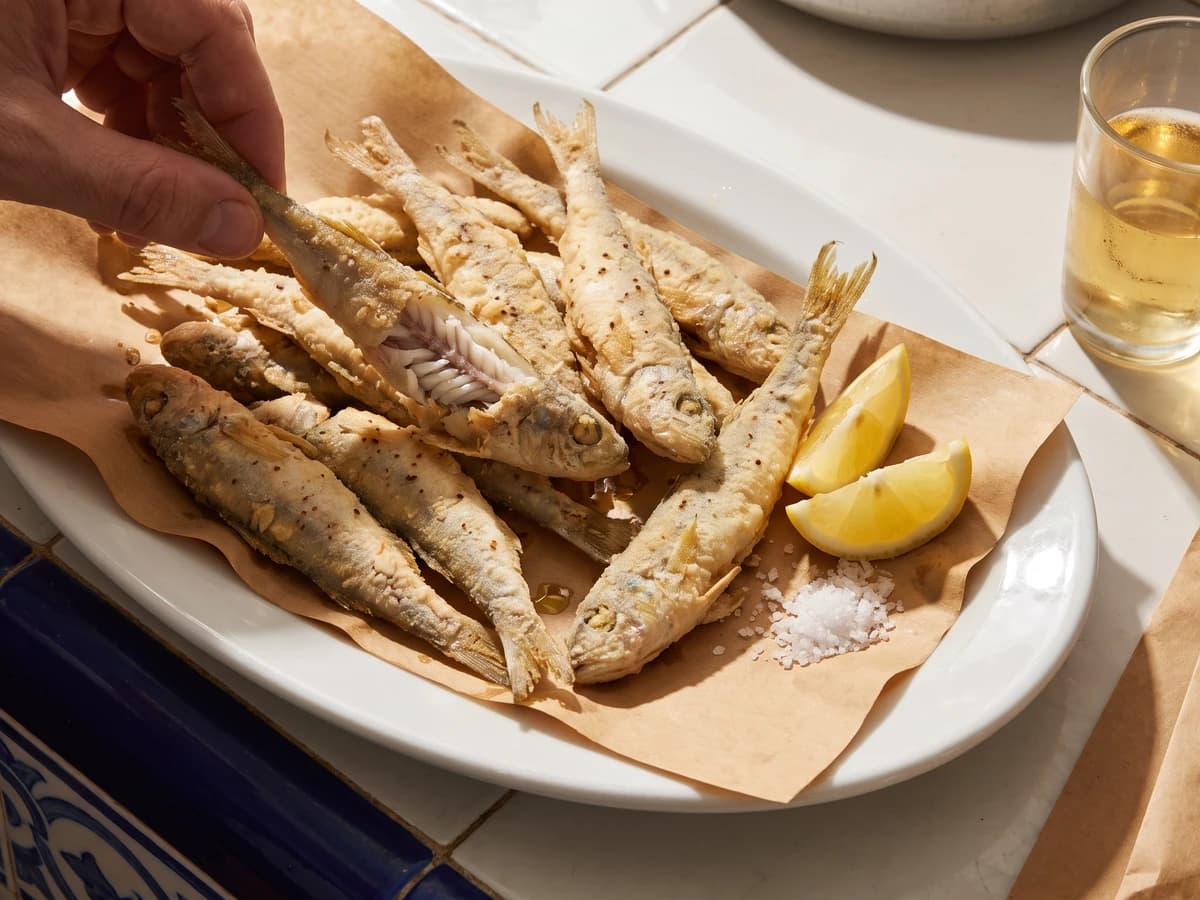
Acedías Fritas de Cádiz
Acedías fritas belong to Cádiz: tiny wedge sole, salted, dusted in frying flour, and dropped into very hot olive oil so the rims crisp while the fish stays tender.
A cooking platform built around craft, culture, and the stories behind what we eat.
Created by
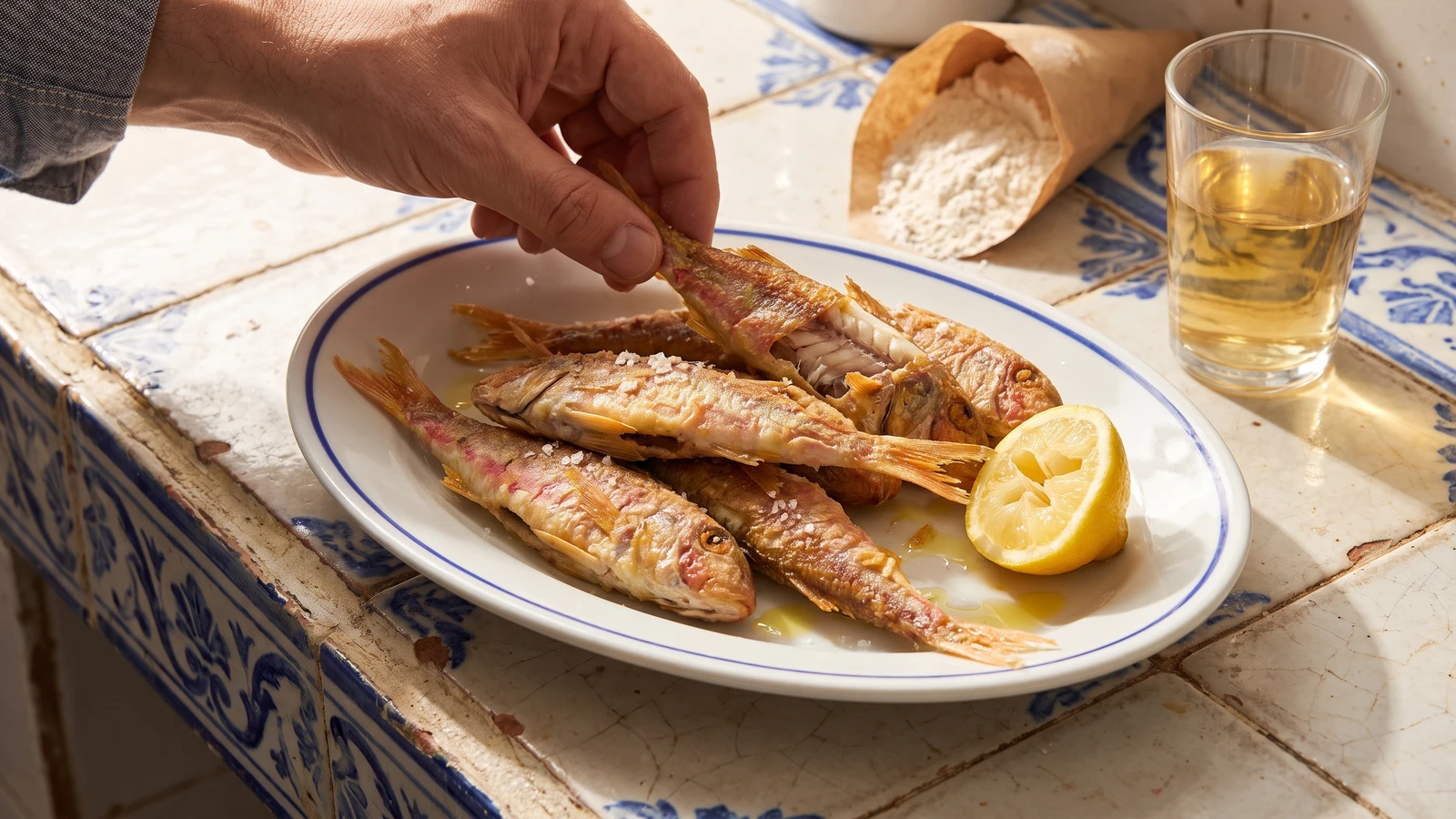
Salmonetes fritos are Andalusian coastal cooking at its plainest: small red mullet, salt, flour, and hot olive oil, with no batter hiding the fish.
Salmonetes fritos are Andalusian, from the fry shops and home kitchens of the southern coast, where a good fish needs very little done to it. Small red mullet are sweet, delicate, and quick to cook. They are floured whole, fried hot and fast, and eaten with fingers, lemon if you like, bread if there is oil worth chasing.
The method that decides it is not clever. Dry the fish well, flour it lightly, and shake off more flour than feels sensible. Then fry in oil hot enough to set the skin at once. Too cool, and the mullet drinks oil. Too much flour, and you taste paste instead of fish. This is not cazón en adobo, not a battered fish, and not a plate to bury under sauce. The salmonete has its own work to do.
If you are far from an Andalusian market, look for small whole red mullet, rouget, or goatfish, cleaned but with the head on if you can bear it. If not, small whiting, sardines, or very small porgy will fry well, but they won't have that same sweet, almost shellfish taste. No hace falta haber pisado España. You do need fresh fish, dry hands, and oil that is properly hot. Siempre sale, si lo sigues.
Salmonetes fritos belong to the Andalusian coastal tradition of pescaíto frito, the small-fish fry tied especially to Cádiz, Málaga, and the ports where the morning catch moved straight into home pans and freidurías. Red mullet was valued because it brought more flavour than its size promised, sweet flesh, crispable skin, and a clean sea taste that needed no stew or sauce. The Andalusian method keeps the coating thin, usually wheat flour or harina de freír, so the fish remains itself rather than becoming a batter dish.
Quantity
800g
scaled and gutted
Quantity
8g, plus more to finish
Quantity
120g
Quantity
40g
for extra crispness
Quantity
500ml
for frying
Quantity
1
cut into wedges
| Ingredient | Quantity |
|---|---|
| small whole red mulletscaled and gutted | 800g |
| fine sea salt | 8g, plus more to finish |
| harina de freír or plain flour | 120g |
| fine semolina or rice flour (optional)for extra crispness | 40g |
| olive oil or mild extra virgin olive oilfor frying | 500ml |
| lemon (optional)cut into wedges | 1 |
Check the mullet are scaled and gutted, then rinse only if you must. Pat them very dry inside and out with kitchen paper and salt them with 8g fine sea salt. Leave them 10 minutes while you heat the oil. Dry fish is not a small detail; water makes the flour clump and the oil spit, and the skin never crisps properly.
Pour the oil into a deep frying pan to a depth of about 2cm and heat it to 180C. If you don't have a thermometer, drop in a pinch of flour; it should sizzle at once and turn pale gold slowly, not scorch black. Keep the heat lively but not smoking.
Mix the flour with the semolina or rice flour if using. Coat each fish lightly, including the belly slit, then shake off the excess hard. You want a thin dry veil, not a coat. Pésalo, no lo adivines for the flour, then trust your hands for the shaking.
Lay the mullet into the hot oil in a single layer, away from you, and do not crowd the pan. Fry small fish for 2 to 3 minutes per side, larger ones for 3 to 4 minutes per side, until the skin is crisp and the flesh just pulls from the bone. Turn once with tongs or a slotted spoon. If the oil quiets down, wait before adding the next batch.
Lift the fish onto a rack or kitchen paper, salt lightly while the surface is still glossy, and serve at once with lemon wedges. The skin should crackle under your teeth and the flesh should stay juicy at the bone. Eat them hot. This is not a dish that waits politely.
1 serving (about 160g)
Culinary guides, cultural storytelling, and the editorial depth that makes cooking meaningful.
Discover Culinary ExplorerChef Isabel
Acedías fritas belong to Cádiz: tiny wedge sole, salted, dusted in frying flour, and dropped into very hot olive oil so the rims crisp while the fish stays tender.
Chef Isabel
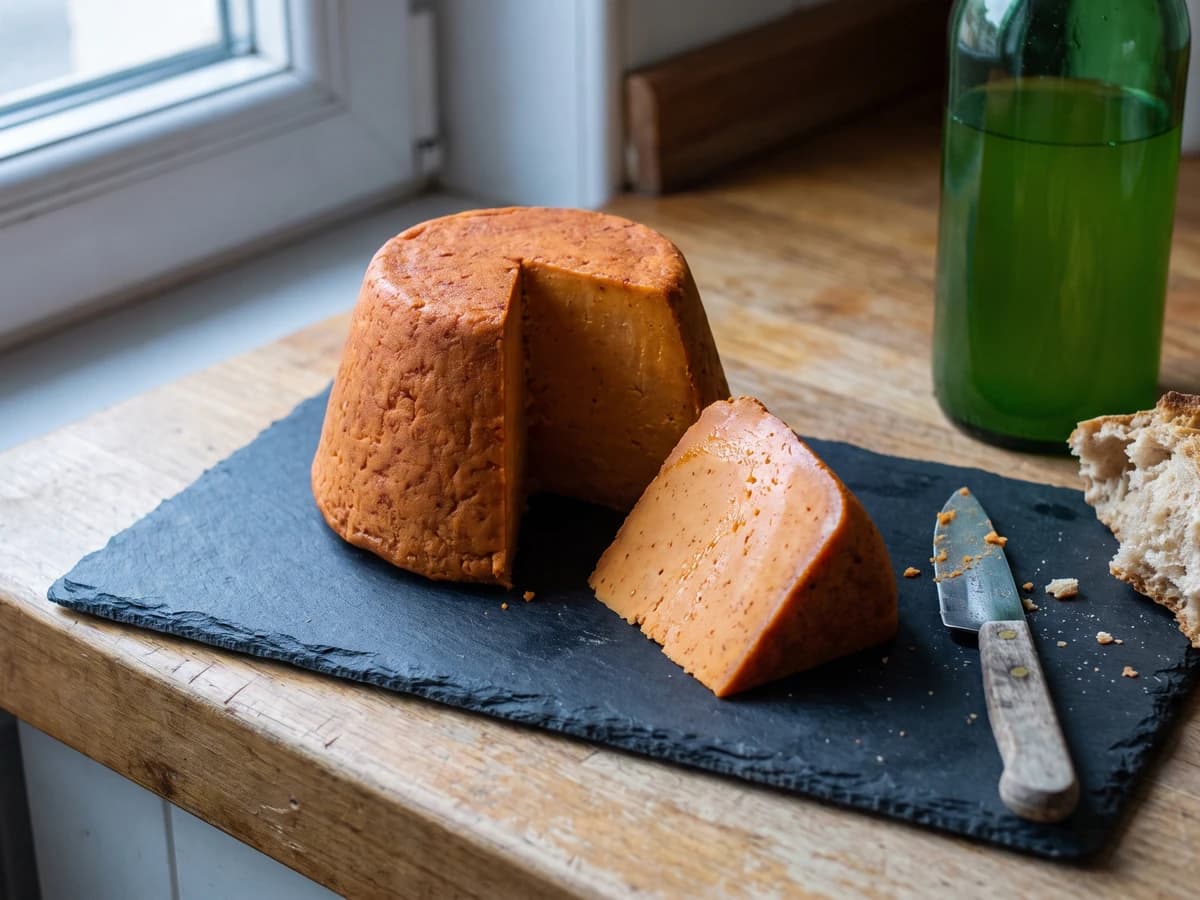
Afuega'l Pitu Roxu is Asturias in a small cheese: cow's milk set slowly to a dense curd, drained without squeezing, then kneaded with pimentón until it turns orange and grips the throat.
Chef Isabel
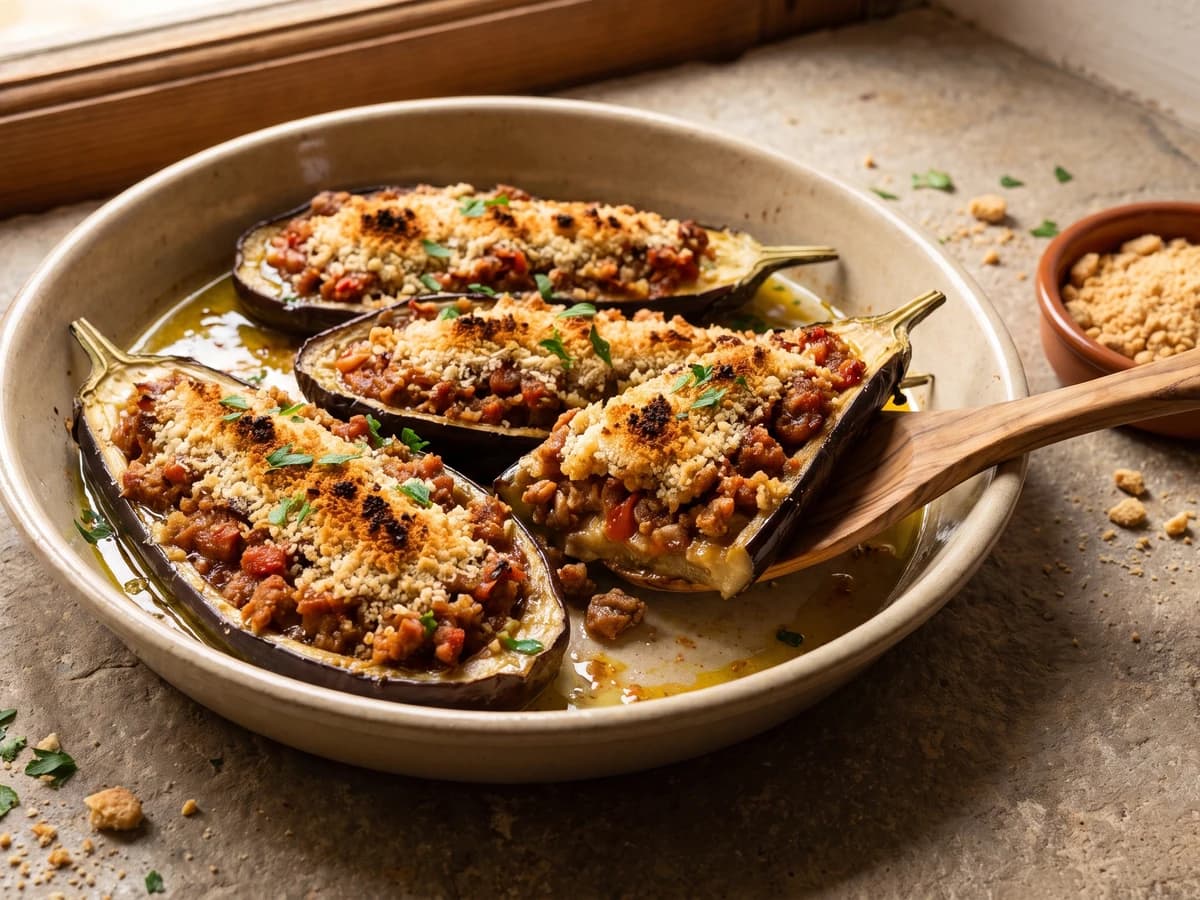
Albergínies farcides are Mallorca's summer stuffed aubergines: tender boiled shells, a slow pork sofrito with moraduix, and a plain breadcrumb cap baked until the top turns crisp and golden.

Chef Isabel
Carxofes farcides are Catalan stuffed artichokes: tender hearts filled with jamón, slow sweet onion, and breadcrumbs, then baked in a light creamy sauce until the tops turn golden.