Chef Isabel
Acedías Fritas de Cádiz
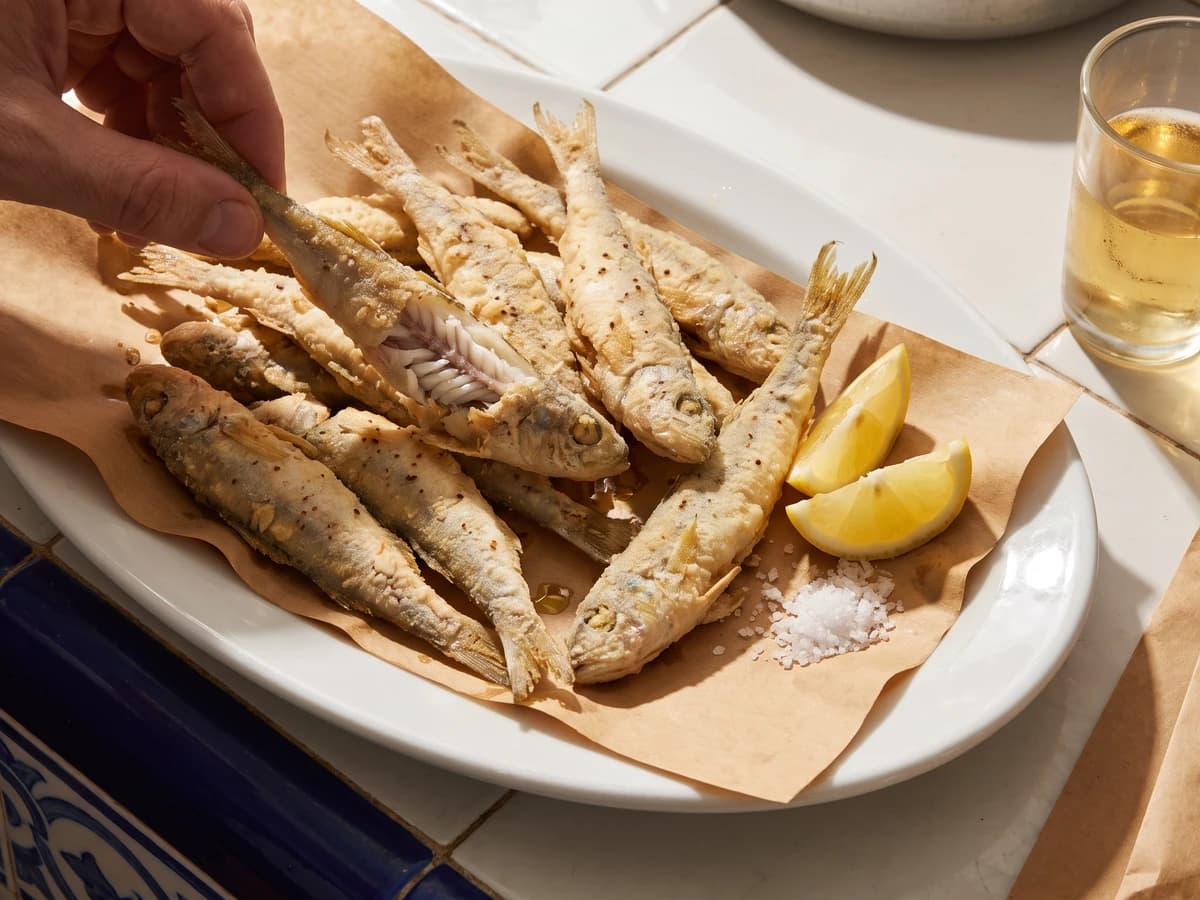
Acedías fritas belong to Cádiz: tiny wedge sole, salted, dusted in frying flour, and dropped into very hot olive oil so the rims crisp while the fish stays tender.
A cooking platform built around craft, culture, and the stories behind what we eat.

Created by
Bacaladillas fritas are coastal Andalucía's cheap, good sense: small blue whiting, cleaned whole, floured lightly, and fried hot enough that the edges crisp before the delicate flesh can dry out.
Bacaladillas fritas are coastal Andalucía's, the little blue whiting that ends up in a heap on the table because it is cheap, sweet-fleshed, and made for the frying pan. What makes them this dish is not a batter or a sauce. It is small whole fish, salt, a dusting of harina de freír, frying flour, and olive oil hot enough to crisp the edges before the thin flesh dries.
Here the method is almost rude in its simplicity, which is why people ruin it by adding things. Dry the fish well, flour it at the last moment, shake it until it looks nearly underdressed, and fry in small batches. Wet fish makes paste. Too much flour makes a coat. Crowded oil drops cold and the bacaladilla drinks it. That's the one thing to get right.
Far from Málaga or Cádiz, look for small whiting first, then small hake or smelt if that is what your fishmonger has. Smelt is oilier and cooks faster; small hake is a little thicker and needs another minute. No hace falta haber pisado España. Keep the fish small and fresh, keep the oil at 180C, and serve it as soon as it leaves the pan.
One note in my Margin beside this one: do not flour early. The salt pulls water and the flour turns gummy while you lay the table. Fish first, table second this time.
Bacaladillas fritas belong to the Andalusian family of pescaíto frito, the small fish of Cádiz, Málaga, Huelva, and the rest of the coast fried in abundant olive oil with only flour between the fish and the pan. Blue whiting was valued because it was plentiful and cheap, delicate enough to cook whole and fast, so it fed a household from the ordinary market basket rather than from a special occasion. The flour-only frying, no egg and no batter, keeps the taste of the fish clear and gives the thin fins and tails their crisp edge.
Quantity
1kg
12-18cm each, gutted and left whole
Quantity
10g
Quantity
120g
or 90g plain flour mixed with 30g chickpea flour or fine semolina
Quantity
700ml
or enough to come 2.5cm up the pan
Quantity
1
cut into wedges
| Ingredient | Quantity |
|---|---|
| small blue whiting (bacaladillas)12-18cm each, gutted and left whole | 1kg |
| fine sea salt | 10g |
| harina de freír (Andalusian frying flour)or 90g plain flour mixed with 30g chickpea flour or fine semolina | 120g |
| mild olive oilor enough to come 2.5cm up the pan | 700ml |
| lemon (optional)cut into wedges | 1 |
Ask for the bacaladillas cleaned for frying: gutted, scaled if the skin feels rough, tails left on. At home, rinse only if there is blood in the belly, then pat every fish dry inside and out. Lay them on a tray and salt with the 10g of fine salt, including the bellies. Leave 10 minutes while the oil warms.
Pour the olive oil into a wide, deep 28cm pan so it sits about 2.5cm deep. Heat it to 180C. If you have no thermometer, a pinch of flour should fizz hard the moment it touches the oil, but the oil should not smoke. The oil temperature is the cook here; too cool and the fish drinks it.
Put the harina de freír in a shallow dish. Blot the fish once more, then flour only the fish going into the next batch. Roll each bacaladilla through the flour, including the belly, lift it, and shake until only a thin dusty coat remains. Wet fish makes paste. Too much flour makes a coat. Neither belongs here.
Slide 4 or 5 fish into the oil, away from you, leaving room between them. Fry 2 minutes, turn once, and fry 1 to 2 minutes more, depending on size, until the fins and tails are crisp, the flour is pale gold, and the flesh at the backbone is opaque. Keep the oil between 175C and 185C and let it climb back before the next batch.
Lift the fish to a rack set over a tray, not into a heap, so the underside stays crisp. Taste one and add a tiny pinch of salt only if it needs it. Serve at once with lemon wedges on the side, squeezed at the table, not in the kitchen. Siempre sale, si lo sigues.
1 serving (about 250g)
Culinary guides, cultural storytelling, and the editorial depth that makes cooking meaningful.
Discover Culinary ExplorerChef Isabel
Acedías fritas belong to Cádiz: tiny wedge sole, salted, dusted in frying flour, and dropped into very hot olive oil so the rims crisp while the fish stays tender.
Chef Isabel
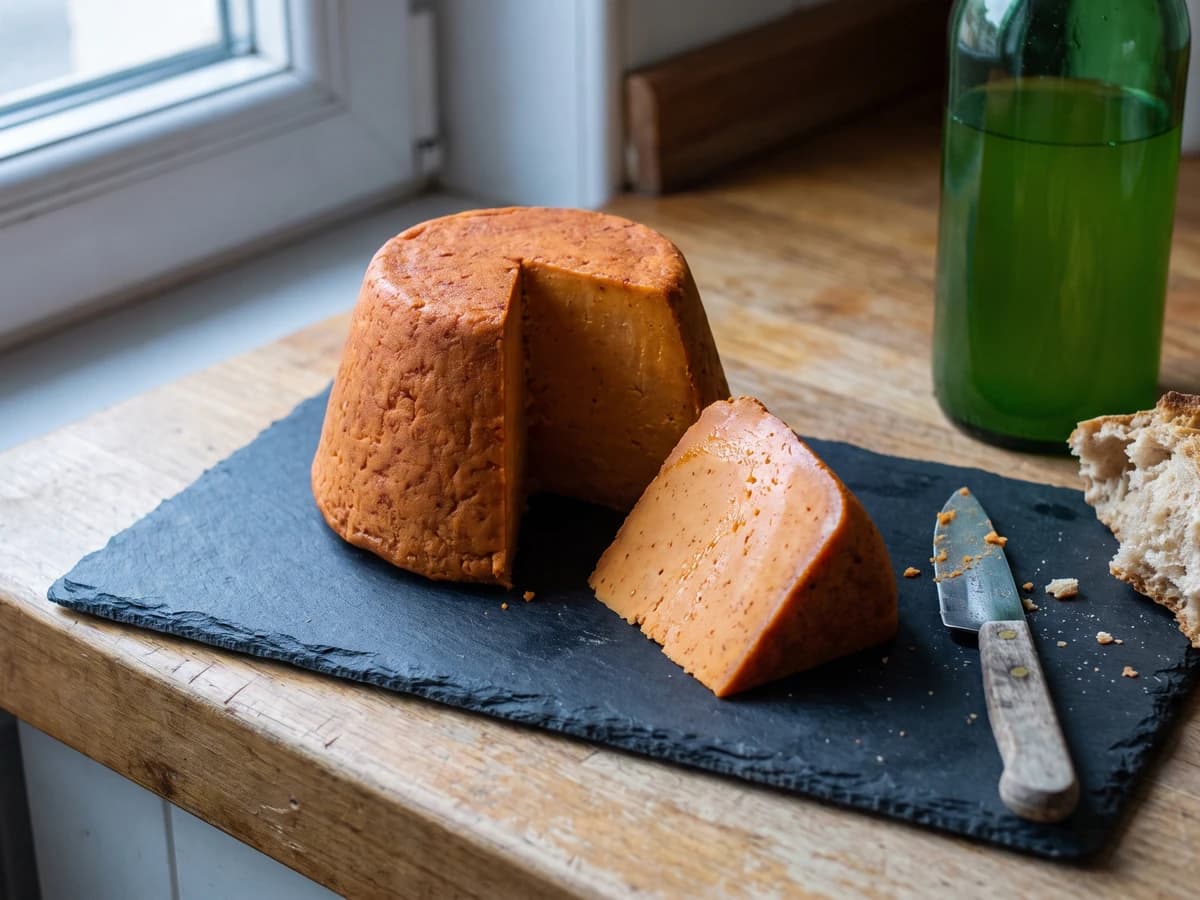
Afuega'l Pitu Roxu is Asturias in a small cheese: cow's milk set slowly to a dense curd, drained without squeezing, then kneaded with pimentón until it turns orange and grips the throat.
Chef Isabel
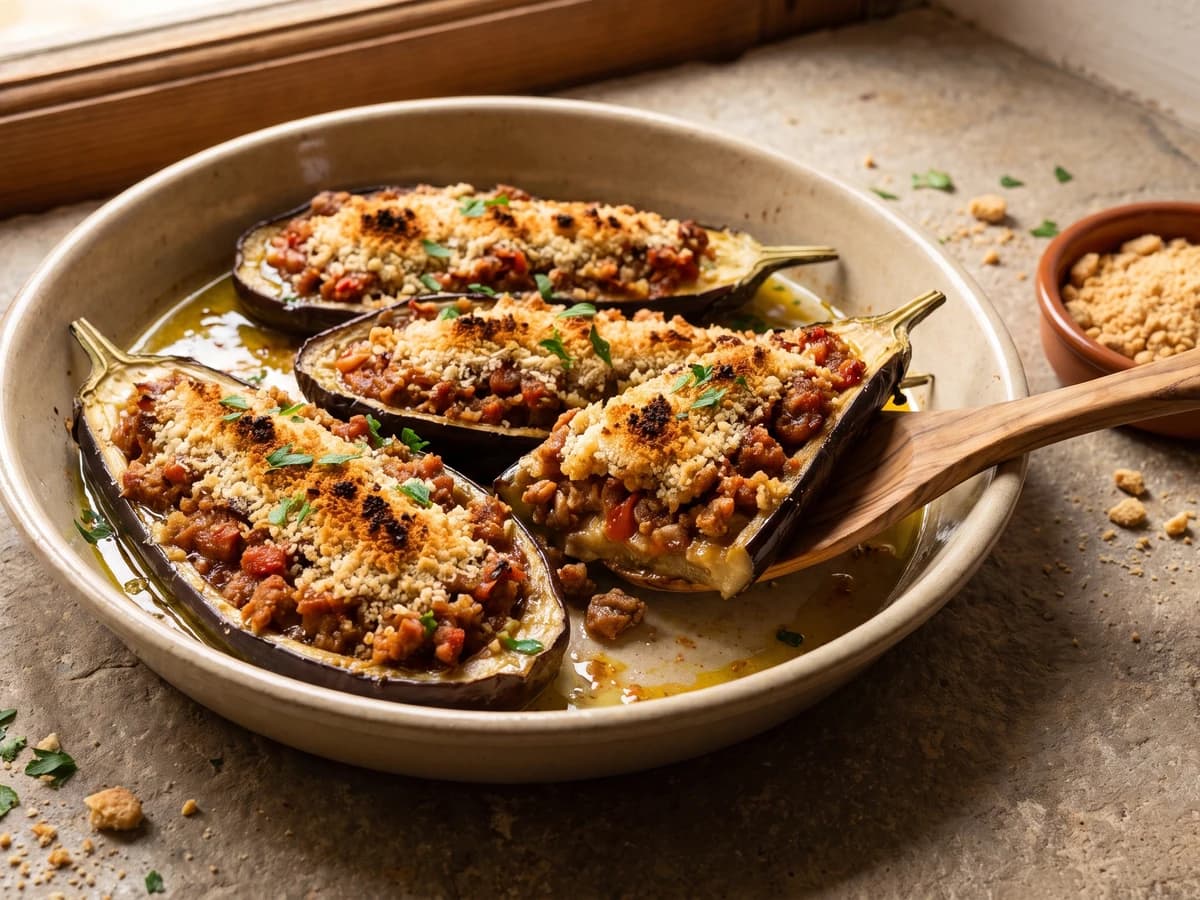
Albergínies farcides are Mallorca's summer stuffed aubergines: tender boiled shells, a slow pork sofrito with moraduix, and a plain breadcrumb cap baked until the top turns crisp and golden.

Chef Isabel
Carxofes farcides are Catalan stuffed artichokes: tender hearts filled with jamón, slow sweet onion, and breadcrumbs, then baked in a light creamy sauce until the tops turn golden.