Chef Isabel
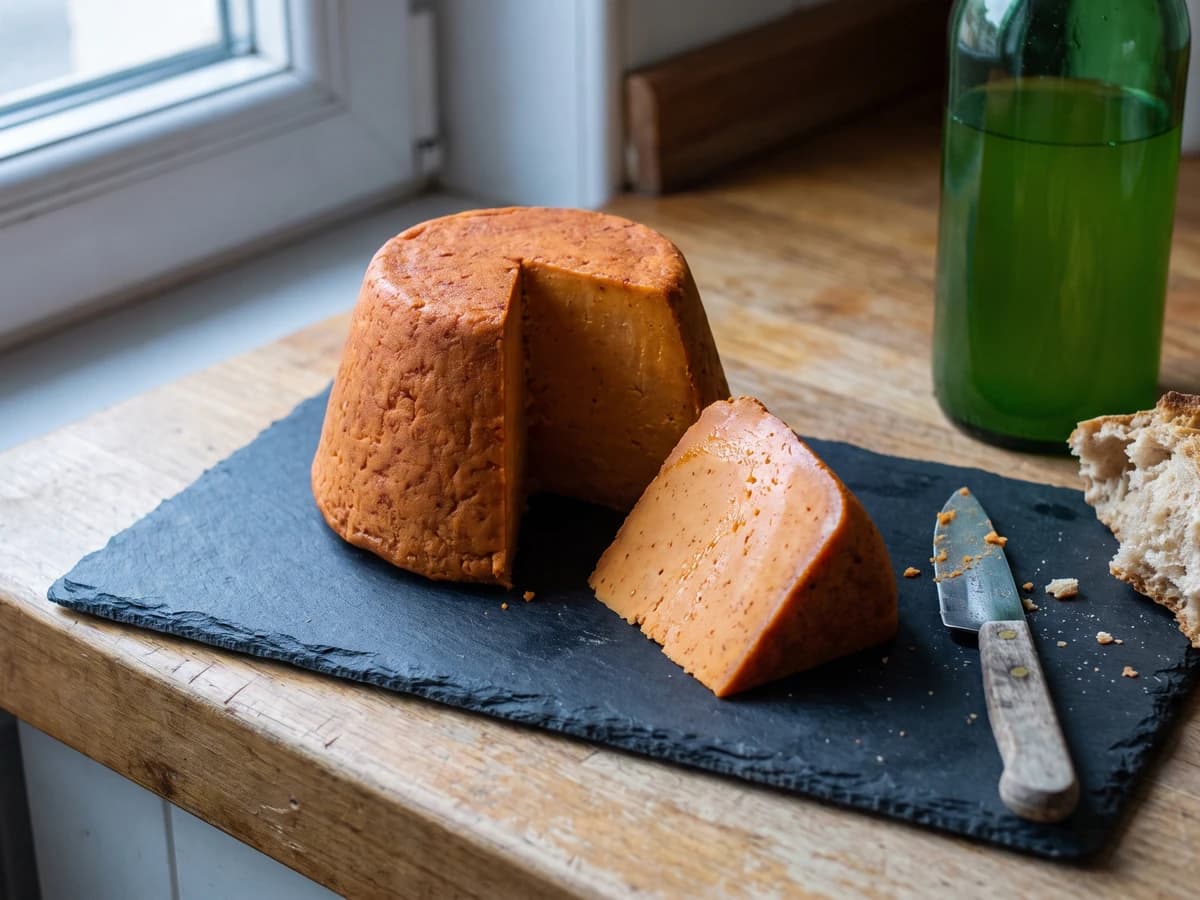
Afuega'l Pitu Roxu
Afuega'l Pitu Roxu is Asturias in a small cheese: cow's milk set slowly to a dense curd, drained without squeezing, then kneaded with pimentón until it turns orange and grips the throat.
A cooking platform built around craft, culture, and the stories behind what we eat.
Created by
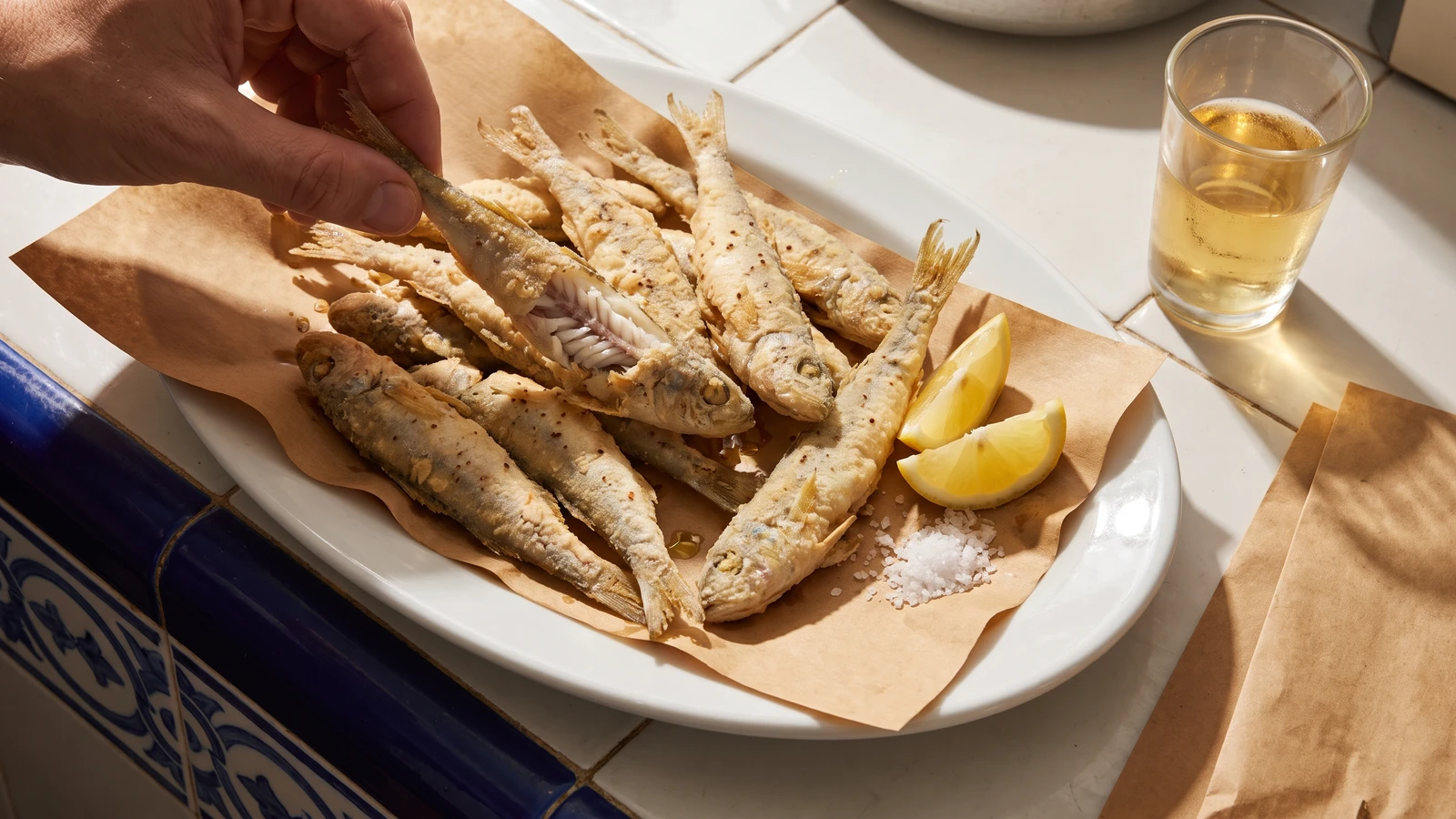
Acedías fritas belong to Cádiz: tiny wedge sole, salted, dusted in frying flour, and dropped into very hot olive oil so the rims crisp while the fish stays tender.
Acedías fritas are Cádiz, Andalusia at the Atlantic edge: tiny wedge sole, thin as a hand, salted, dusted with frying flour, and fried whole in olive oil. This is pescaíto frito, fried little fish, but the acedía has its own character. The fins crisp like lace, the tail goes brittle, and the white flesh stays sweet just under the bone. No batter, no sauce, no dressing to hide behind.
The method that decides it is the flour and the heat. Dry the fish properly, salt it, coat it in harina de freír, the coarse flour used for fried fish, and shake until only a veil clings. Then very hot oil, 185 C if you have a thermometer, and small batches. Too much flour or cool oil makes a greasy coat. Light flour and hard heat make the fish crisp before the flesh has time to dry.
If you are far from Cádiz, look for the smallest whole flatfish you can buy: baby Dover sole, lemon sole, sand dab, or little flounder, cleaned and no thicker than your finger at the center. Bigger fish can be good, but it will not eat the same; fry fillets if you must and accept a softer bite. No hace falta haber pisado España. You need fresh fish, dry hands, hot oil, and the nerve to leave it alone in the pan. Siempre sale, si lo sigues.
In the Margin beside this one I wrote only: flour at the last minute. Flour too early and the salt pulls moisture out, the coat turns pasty, and Cádiz slips away from you for no good reason.
Acedía is the wedge sole, Dicologlossa cuneata, a small flatfish of the sandy Atlantic grounds around the Gulf of Cádiz, Sanlúcar, and Huelva. In Cádiz it belongs to pescaíto frito, the Andalusian frying habit that treats small fish simply: salt, flour, abundant olive oil, eaten immediately while the bones still give shape to the flesh. Its place is modest and exact, sold by fishmongers for everyday frying, not dressed up with batter or sauce.
Quantity
800g, about 8 to 12 fish
cleaned for frying
Quantity
8g, plus a little more to finish
Quantity
140g
or 105g plain flour mixed with 35g fine semolina
Quantity
750ml
or enough for a 3cm depth in the pan
Quantity
1
cut into wedges
| Ingredient | Quantity |
|---|---|
| small acedías (baby wedge sole)cleaned for frying | 800g, about 8 to 12 fish |
| fine sea salt | 8g, plus a little more to finish |
| harina de freír para pescadoor 105g plain flour mixed with 35g fine semolina | 140g |
| mild olive oilor enough for a 3cm depth in the pan | 750ml |
| lemon (optional)cut into wedges | 1 |
Ask the fishmonger to clean the acedías for frying. At home, rinse them only if they are sandy, then dry them well with paper towels, including the fins and belly opening. Sprinkle both sides with the 8g salt and leave them 10 minutes while you heat the oil, then pat them dry once more. Wet fish spits in the pan and carries too much flour with it.
Pour the olive oil into a wide heavy pan to a depth of about 3cm, keeping the pan no more than half full. Heat to 185 C. If you have no thermometer, a pinch of flour should fizz at once and a small cube of bread should turn golden in about 20 seconds. The oil must be ready before the flour touches the fish.
Spread the harina de freír in a shallow dish. Flour only enough fish for one batch, turning each one gently so both sides, fins, and tail get a thin coat. Shake hard over the dish until the fish looks dusty, not caked. This is not batter. A veil is enough.
Slide 3 or 4 fish into the oil, depending on the size of your pan, and do not crowd them. Fry for 60 to 90 seconds on the first side, turn once, and fry another 60 to 90 seconds, until the edges are pale gold, the tail is crisp, and the thickest part flakes cleanly from the bone. If you are using a slightly larger substitute fish, give it another 30 to 60 seconds, but keep the heat lively.
Lift the acedías onto a wire rack set over a tray, not into a deep pile of paper where the undersides soften. Salt them lightly while they are still glossy from the oil. Repeat with the remaining fish, letting the oil come back to heat between batches. Serve at once with lemon wedges if you like, though a good acedía needs very little help.
1 serving (about 210g)
Culinary guides, cultural storytelling, and the editorial depth that makes cooking meaningful.
Discover Culinary ExplorerChef Isabel
Afuega'l Pitu Roxu is Asturias in a small cheese: cow's milk set slowly to a dense curd, drained without squeezing, then kneaded with pimentón until it turns orange and grips the throat.
Chef Isabel
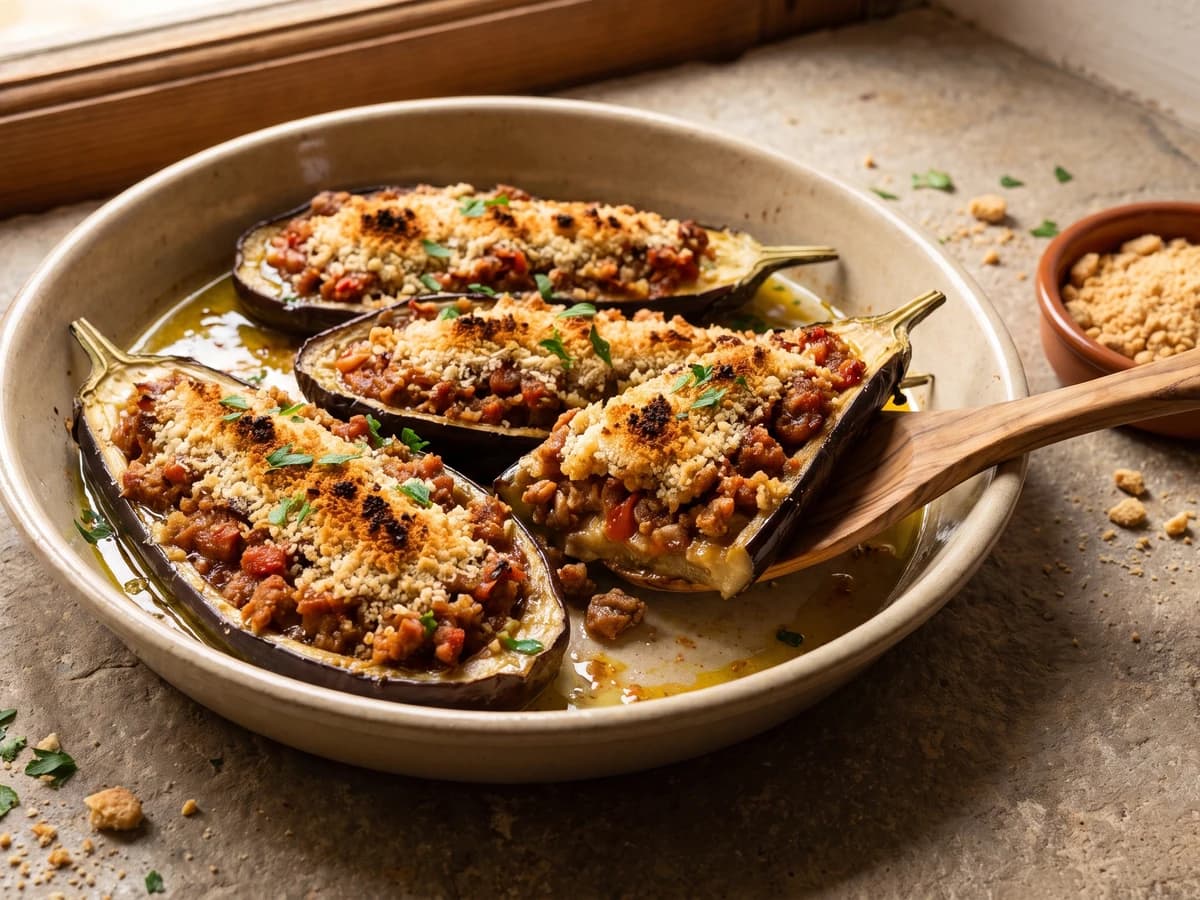
Albergínies farcides are Mallorca's summer stuffed aubergines: tender boiled shells, a slow pork sofrito with moraduix, and a plain breadcrumb cap baked until the top turns crisp and golden.

Chef Isabel
Carxofes farcides are Catalan stuffed artichokes: tender hearts filled with jamón, slow sweet onion, and breadcrumbs, then baked in a light creamy sauce until the tops turn golden.
Chef Isabel
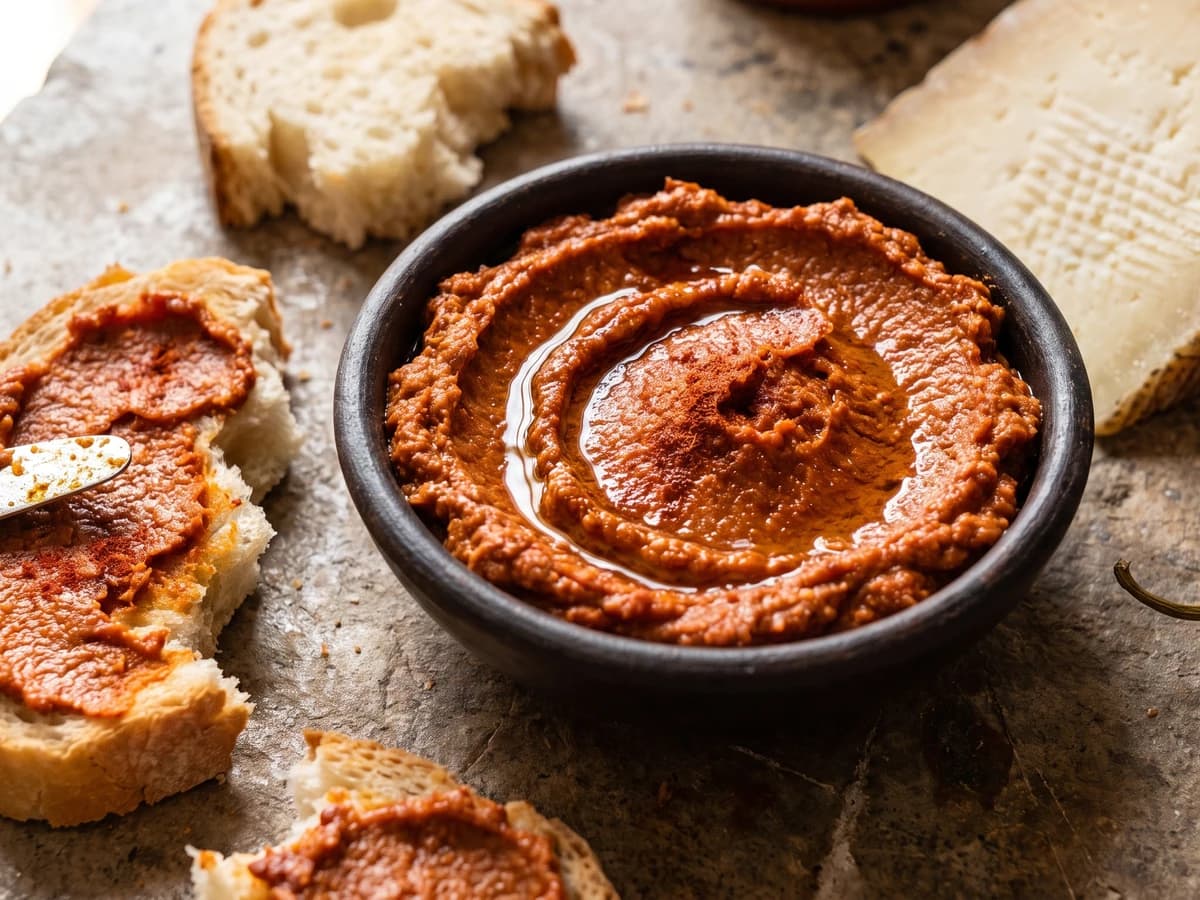
Almogrote Gomero is La Gomera's hard-cheese spread: cured goat cheese, garlic, pimentón, dried red pepper, and oil worked into a thick rust-red paste.