Chef Isabel
Acedías Fritas de Cádiz
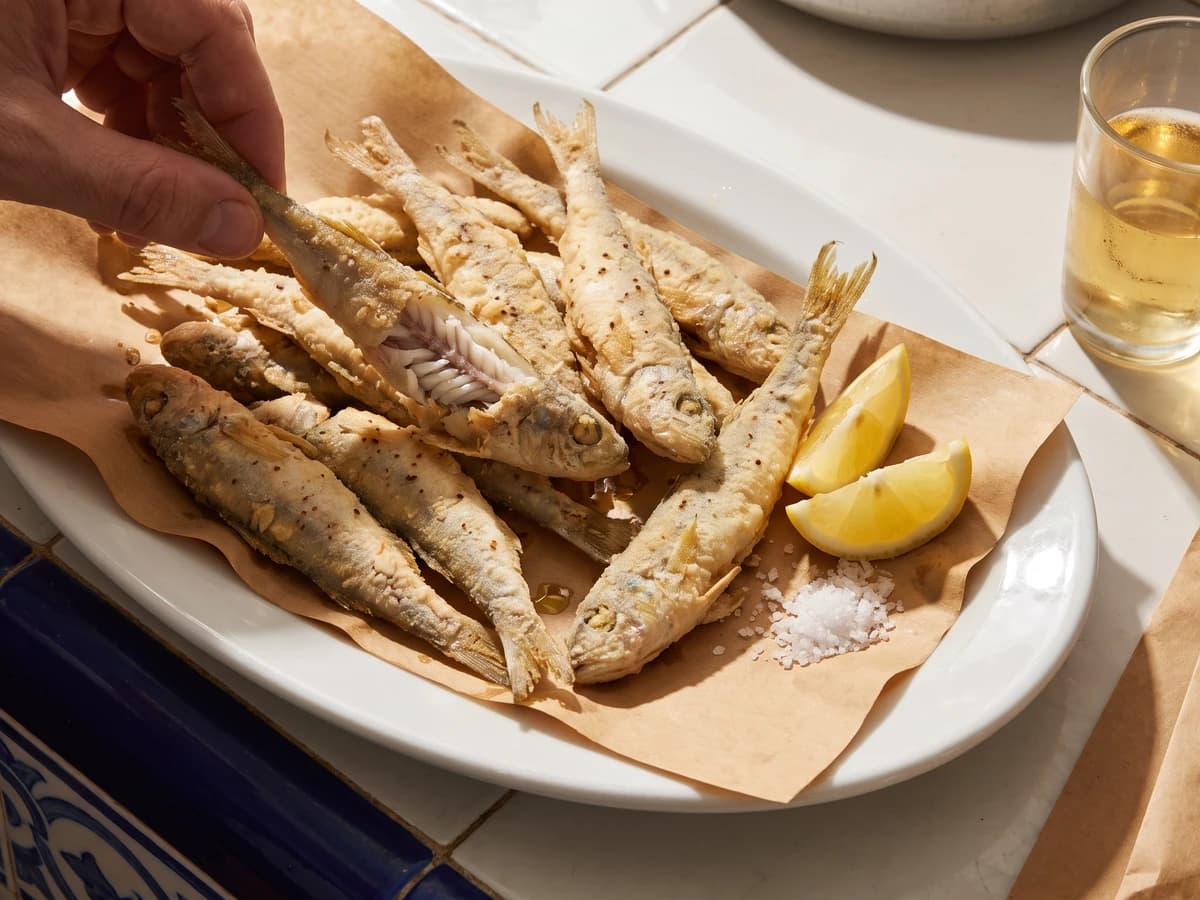
Acedías fritas belong to Cádiz: tiny wedge sole, salted, dusted in frying flour, and dropped into very hot olive oil so the rims crisp while the fish stays tender.
A cooking platform built around craft, culture, and the stories behind what we eat.
Created by
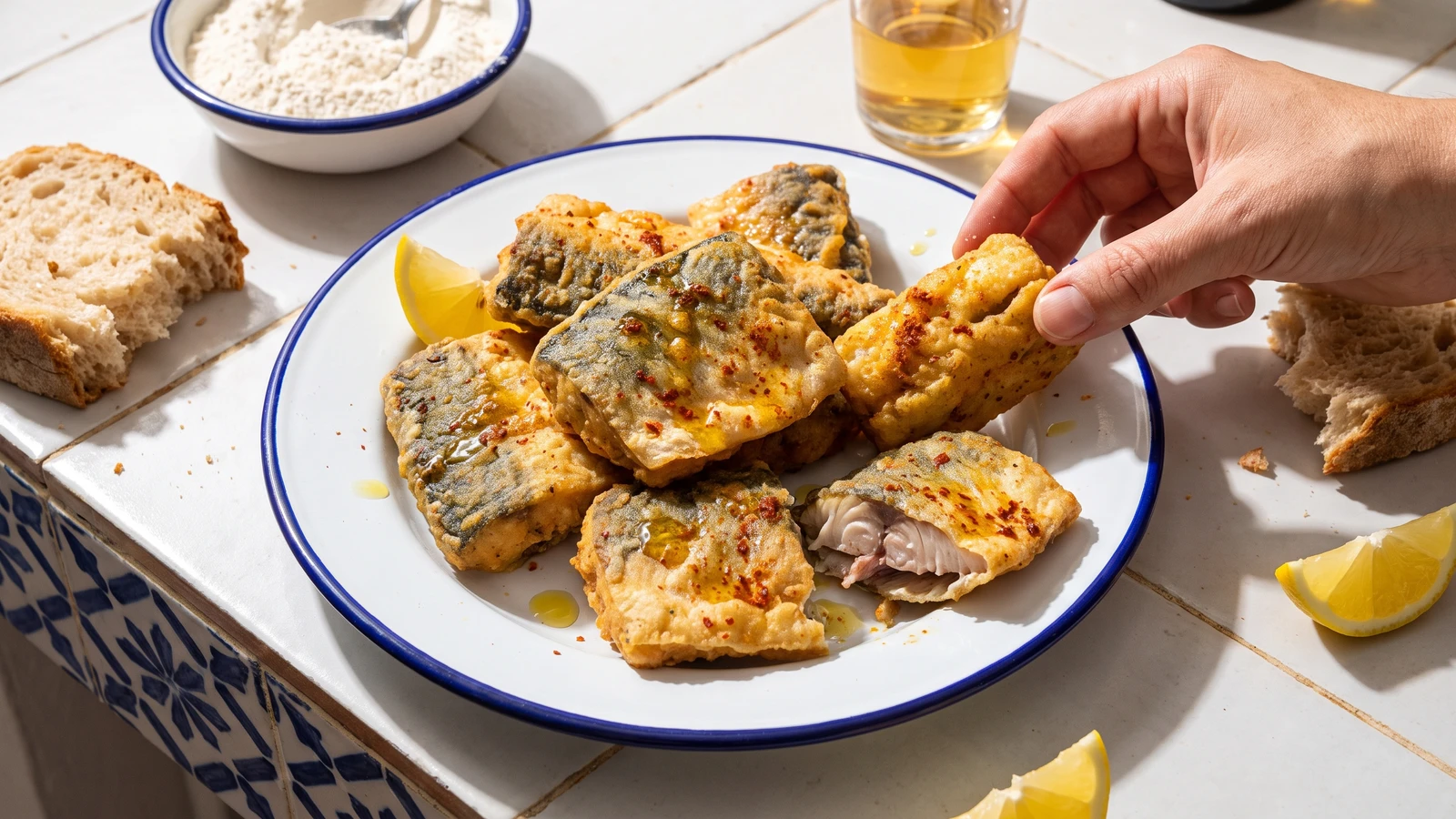
Caballa en adobo is Cádiz in a frying pan: oily mackerel sharpened with vinegar, garlic, pimentón, oregano, and cumin, then fried fast so the crust crisps and the fish stays juicy.
Caballa en adobo is gaditana, from Cádiz and especially the frying kitchens of San Fernando, where oily fish meets vinegar, garlic, pimentón, oregano, and cumin before it ever sees the oil. This is not a delicate white-fish fry. Mackerel has backbone, and the adobo is there to tame it without hiding it.
The method that decides the dish is balance: marinate long enough for the vinegar and spices to season the fish, but not so long that the flesh turns woolly. Two hours is plenty for pieces of caballa. Then drain it well and pat it dry before flouring. Wet fish makes a pasty coat and spits in the pan. Dry fish takes the flour cleanly and fries crisp.
If you can't find caballa, use jurel, horse mackerel, or firm sardines opened flat. They belong to the same honest, blue-fish family, though sardines need less time in the adobo. Far from Cádiz, fresh Atlantic mackerel is the easiest answer. No hace falta haber pisado España. Use good vinegar, real pimentón, and hot oil. Siempre sale, si lo sigues.
Adobo for fried fish belongs strongly to the Bay of Cádiz, where vinegar, garlic, oregano, cumin, and pimentón helped preserve and season fish landed in abundance along the coast. San Fernando is especially known for this style of marinated frying, with cazón en adobo the famous cousin and caballa a cheaper, oilier fish that takes the same treatment well. The method comes from a practical coastal larder: sharpen the fish, firm it, flour it, and fry it quickly for eating outdoors or at the table while the crust is still crisp.
Quantity
800g
cleaned and cut into 4cm pieces
Quantity
120ml
Quantity
80ml
Quantity
4
crushed
Quantity
2 teaspoons
Quantity
1 teaspoon
Quantity
1/2 teaspoon
Quantity
1
Quantity
10g
Quantity
150g
for coating
Quantity
600ml
for frying
Quantity
to serve
| Ingredient | Quantity |
|---|---|
| fresh mackerelcleaned and cut into 4cm pieces | 800g |
| vinagre de Jerez (sherry vinegar) | 120ml |
| cold water | 80ml |
| garlic clovescrushed | 4 |
| sweet pimentón de la Vera | 2 teaspoons |
| dried oregano | 1 teaspoon |
| ground cumin | 1/2 teaspoon |
| bay leaf | 1 |
| fine sea salt | 10g |
| harina de freír or plain flourfor coating | 150g |
| olive oil or mild olive oilfor frying | 600ml |
| lemon wedges (optional) | to serve |
Rinse the mackerel briefly and dry it well. Cut it into thick pieces, about 4cm, leaving the skin on. If your fishmonger has left pin bones, pull them now. Caballa is oily and generous, but it must be very fresh: bright skin, clean smell, firm flesh. A tired mackerel stays tired after frying.
In a non-reactive bowl, mix the sherry vinegar, cold water, crushed garlic, pimentón, oregano, cumin, bay leaf, and salt. Stir until the salt dissolves and the marinade turns brick red. This adobo should smell sharp, smoky, and garlicky, not sweet.
Add the mackerel and turn the pieces so every side is coated. Cover and refrigerate for 2 hours, turning once halfway through. Do not leave it all day. The vinegar should season and firm the fish, not cook it into something dry and chalky.
Lift the fish from the adobo, discard the bay leaf and garlic, and set the pieces on kitchen paper. Pat them dry. This is the step people hurry, and it shows. Dry fish takes a clean coat of flour; wet fish turns gluey and drops its crust in the oil.
Spread the harina de freír or plain flour on a plate. Coat the mackerel pieces lightly, pressing only enough for the flour to cling, then shake off the excess. You want a thin sandy coat, not a blanket.
Heat the oil in a deep frying pan to 180C. Fry the fish in batches for 2 to 3 minutes, turning once, until the coating is crisp and pale golden with little red flecks of pimentón showing through. Do not crowd the pan, or the oil cools and the fish drinks it.
Lift the fried mackerel onto a rack or paper for a minute, then serve with lemon wedges if you like. Eat it hot or warm, with the outside crisp and the inside still juicy. Tal como se hace allí: simple, sharp, and made for sharing.
1 serving (about 215g)
Culinary guides, cultural storytelling, and the editorial depth that makes cooking meaningful.
Discover Culinary ExplorerChef Isabel
Acedías fritas belong to Cádiz: tiny wedge sole, salted, dusted in frying flour, and dropped into very hot olive oil so the rims crisp while the fish stays tender.
Chef Isabel
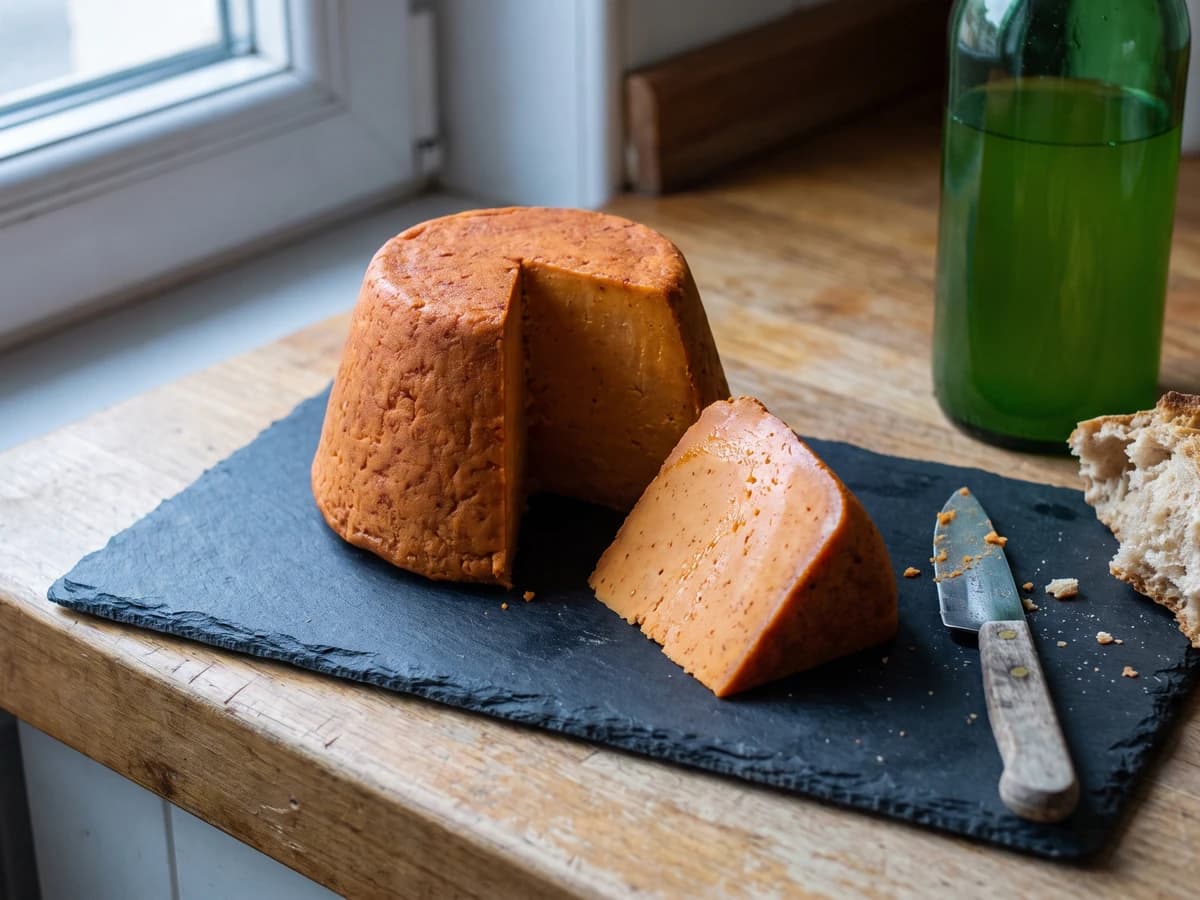
Afuega'l Pitu Roxu is Asturias in a small cheese: cow's milk set slowly to a dense curd, drained without squeezing, then kneaded with pimentón until it turns orange and grips the throat.
Chef Isabel
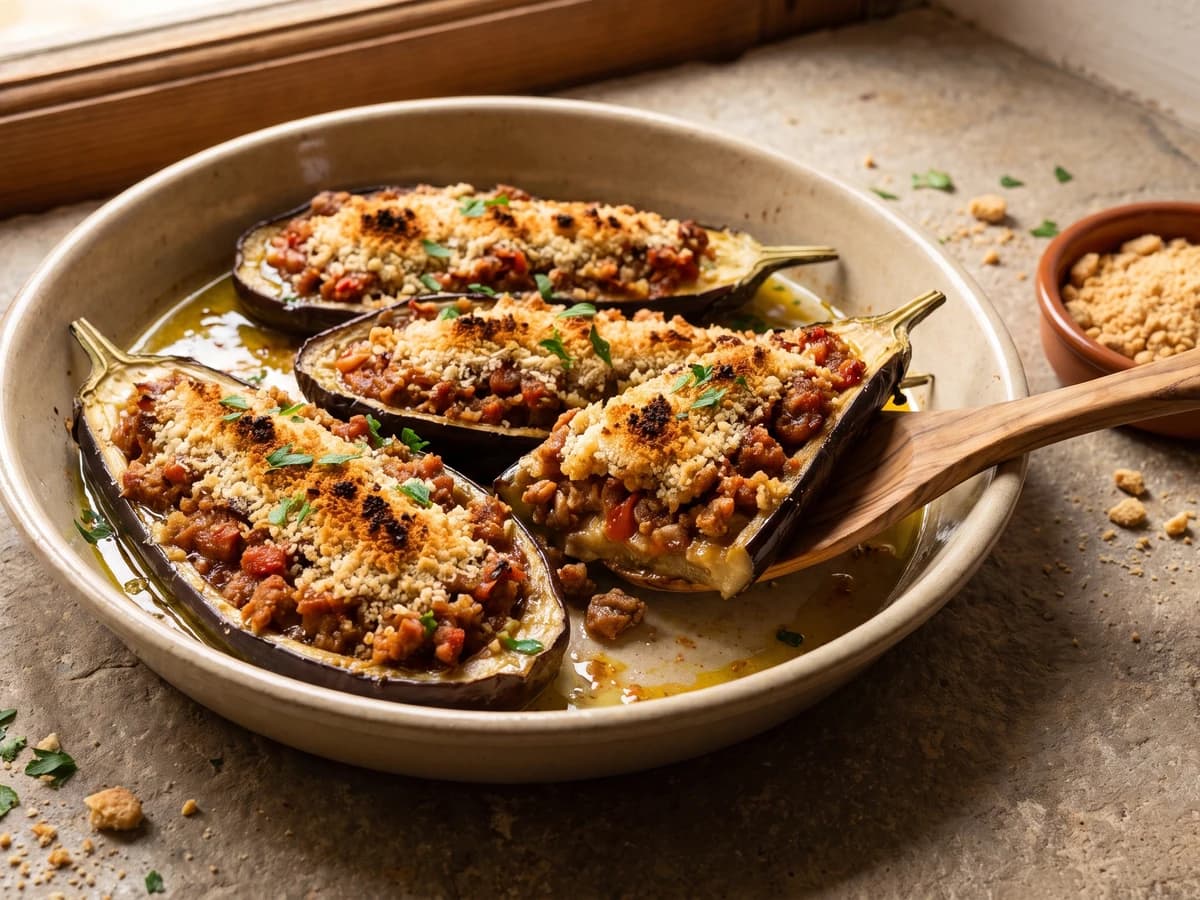
Albergínies farcides are Mallorca's summer stuffed aubergines: tender boiled shells, a slow pork sofrito with moraduix, and a plain breadcrumb cap baked until the top turns crisp and golden.

Chef Isabel
Carxofes farcides are Catalan stuffed artichokes: tender hearts filled with jamón, slow sweet onion, and breadcrumbs, then baked in a light creamy sauce until the tops turn golden.