
Chef Takumi
Awamori Mizuwari (泡盛水割り, awamori with water)
Awamori mizuwari is not a trick of the bar. It is three parts awamori, seven parts cold water, and enough patience to let the black-kōji aroma open.
A cooking platform built around craft, culture, and the stories behind what we eat.
Created by
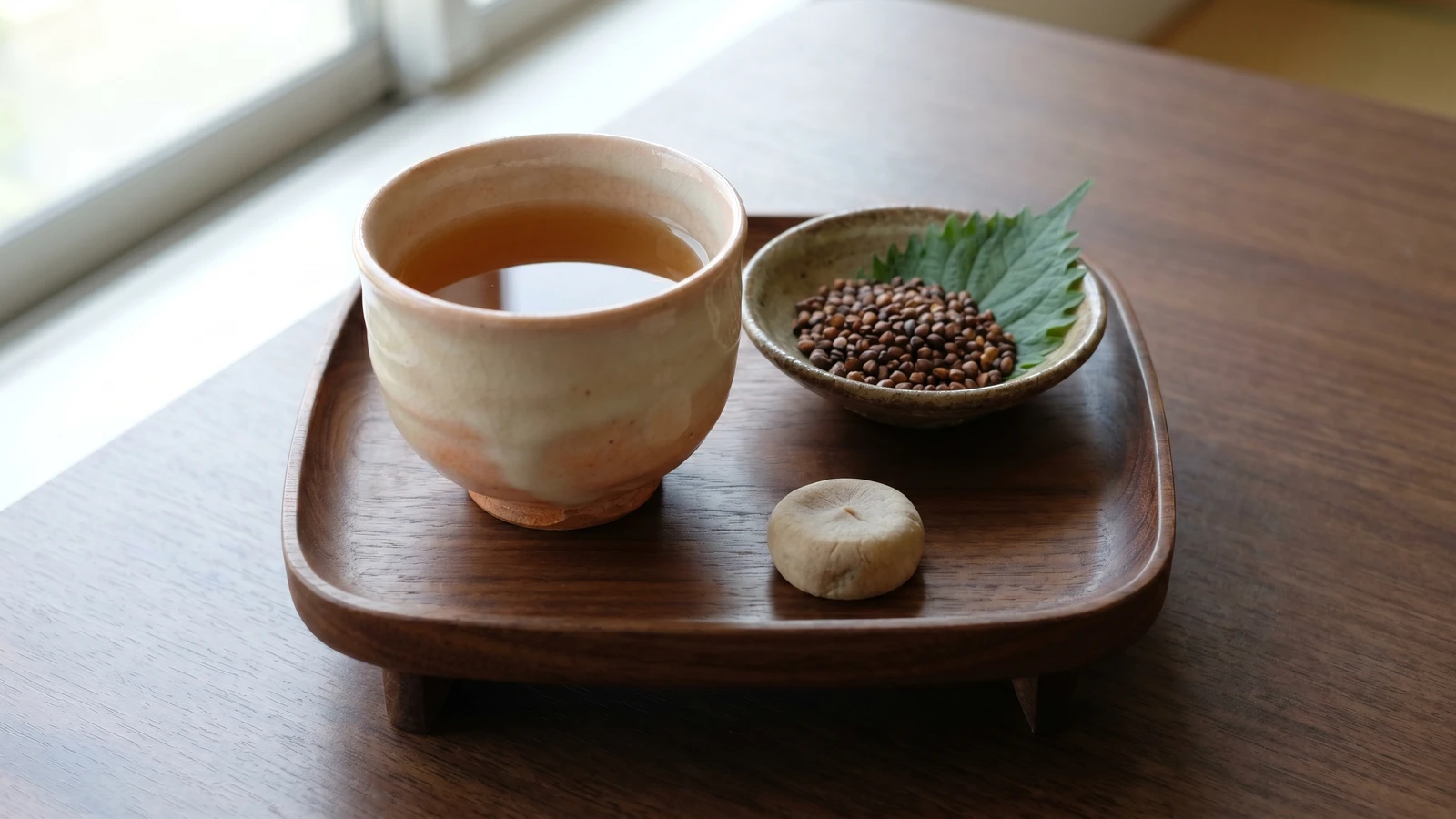
Sobacha is buckwheat doing one honest thing: roasted until nutty, steeped gently, and served clear. No ceremony stands between you and a warm, fragrant cup.
Sobacha begins with a dry sound: roasted buckwheat kernels rattling into a pot or kyusu. It looks almost too plain to matter. Then hot water touches it, and the room changes, nutty and faintly sweet, like toasted grain after rain.
The first secret is water temperature. Boiling water can make sobacha taste flat and a little harsh, especially if the kernels are deeply roasted. Water just off the boil, around 90 C, draws out the warm aroma without roughening the cup. The second secret is dose and time: enough grain to give body, not so long that the last sip turns dull. Three minutes is usually right. Tea is sometimes made to sound like surgery, but here the hands have very little to do.
We drink sobacha where mugicha might feel too plain: after rice, with a small sweet, or in the afternoon when you want the comfort of tea without caffeine. It is good hot in cold weather and very good cold-brewed in summer, when time does the work instead of heat. Use whole roasted buckwheat groats if you can find them. Powdered mixes may be convenient, but they don't give you the clear amber cup or the clean roasted fragrance that makes this 本物, honmono, the real thing.
Buckwheat has been cultivated in Japan since at least the Jomon period, though its most famous use, soba noodles, became especially widespread in the Edo period. Sobacha is made from roasted buckwheat kernels rather than tea leaves, which is why it contains no caffeine and is treated as a grain infusion alongside drinks such as mugicha. It is closely associated with soba-growing regions, including Nagano and Hokkaido, where buckwheat is valued for growing well in cool climates and poor soils.
Quantity
2 tablespoons
preferably whole Japanese sobacha kernels
Quantity
2 cups
heated to about 90 C
Quantity
1 small piece
| Ingredient | Quantity |
|---|---|
| roasted buckwheat groatspreferably whole Japanese sobacha kernels | 2 tablespoons |
| waterheated to about 90 C | 2 cups |
| rock sugar or small dry sweet (optional) | 1 small piece |
Pour a little hot water into a kyusu, small teapot, or heatproof jug, swirl it, then discard it. Warming the vessel keeps the brewing water from dropping too quickly, so the buckwheat gives up its aroma evenly instead of starting with a lukewarm sigh.
Add 2 tablespoons roasted buckwheat kernels to the warmed vessel. They should smell clean, nutty, and dry, never stale or oily. If the aroma is tired before water touches it, the cup will be tired too. Nothing hidden.
Bring the water to a boil, then let it stand for about one minute, or until it falls to roughly 90 C. This is the first secret of the cup. Hard boiling water can pull a blunt edge from the roast, while slightly cooled water draws the sweetness and toasted fragrance cleanly.
Pour the hot water over the kernels, cover, and steep for 3 minutes. The liquid should turn clear amber and smell of toasted grain. Don't stir hard. The kernels need contact with the water, not a beating, and rough stirring clouds the cup for no good reason.
Strain into yunomi cups and serve hot, filling each cup only about two-thirds full. That space keeps the cup comfortable in the hand and lets the aroma gather. The spent kernels are edible, though plain; fold them into rice or porridge if you like wasting nothing.
For mizudashi sobacha, put 3 tablespoons roasted buckwheat kernels and 3 cups cold water in a glass pitcher. Refrigerate 6 to 8 hours, then strain. Cold water draws less bitterness, so the tea becomes round and softly sweet, good for summer when even the kettle feels like an argument.
1 serving (about 240g)
Culinary guides, cultural storytelling, and the editorial depth that makes cooking meaningful.
Discover Culinary ExplorerChef Takumi
Awamori mizuwari is not a trick of the bar. It is three parts awamori, seven parts cold water, and enough patience to let the black-kōji aroma open.

Chef Takumi
Hot awamori asks for one small discipline: pour the hot water first, then the spirit. Do that, and the glass turns round, fragrant, and calmer than its strength suggests.

Chef Takumi
Bancha is the honest daily cup: late-season leaves, hot water, a short steep, and a clean amber-green liquor that asks for no ceremony to be good.

Chef Takumi
Whole black soybeans, roasted until their skins split, make a clear amber tea with a roasted sweetness and no caffeine. Drink it plain, then eat the softened beans while they still hold their warmth.